

You run a thumb over the small scrape on your forearm, the one from the garden that should have vanished by now. It is still pink. It is still stubborn.
Your body’s repair crew isn’t responding. The coffee is hot, but you feel a scratchy heaviness in your throat for the third time this season.
Adults over 65 are among the most zinc-depleted populations. Levels drop quietly. When they do, T-cell production slows and your immune defenses thin out.
If you think this is just getting older, here is a different view. Your birth certificate hasn’t changed. Your chemistry might have.
It is not your fault that your recovery feels sluggish. You are likely eating the same healthy meals as always. Yet your body may no longer extract the spark plugs it needs to keep the engine running.
The cause is often a hidden mineral gap. Margot noticed this while tending her flower beds. She felt frustrated that her skin didn’t bounce back from simple scratches.
Her morning energy felt trapped behind a thick fog.
10 Signs of Low Zinc: From “Brain Fog” to Slow Healing
For Margot, the most irritating sign was the lingering “brain fog.” This made her feel detached. Zinc acts like the batteries in the smoke detector for your neurons. When levels drop, signals struggle to cross the gap between cells. Brain fog often isn’t your brain failing. It is your neurons struggling to send signals through a zinc-depleted landscape.
The most critical signs involve your “repair crew” and “defense force.” If a minor paper cut stays red for over a week, your skin’s protective barrier is compromised. This “leaky” barrier makes it easier for germs to enter. Meanwhile, Your T-cells, your specialized soldiers, stop multiplying. These cells stay dormant without zinc. Every seasonal bug gets through.
Every situation responds differently. Use this as a starting point, not a prescription.
Low Zinc Signs and the Immunosenescence Gap After 50
Your body undergoes a biological shift once you cross fifty. This is known as immunosenescence. It is the natural aging of the immune system. Think of it like a slow leak in a swimming pool. Even if you pour in the same nutrients, the level drops. Your absorption “pipes” are no longer airtight.
Low zinc signs become common because your stomach produces less acid. Zinc requires acid to break free from food proteins. Without it, the mineral stays locked away. It passes through you unused. This is why you might eat a steak and still feel a scratchy throat.
The “Immunosenescence Gap” means your T-cells retire early. Zinc fuels the thymus gland (the immune system’s training ground for new T-cells) and prevents it from shrinking. Zinc does not just support immunity. It stops your immune system from turning on your own healthy tissue.
The T-Cell Signal: Why Your Immune System “Slows Down”
Low zinc signs manifest as a sluggish immune response. Zinc is the primary signaling molecule for white blood cells. When a virus enters, T-cells must multiply fast. Zinc is the “spark plug” for this division. Without it, your system hears the alarm but lacks the power to build an army.
This cellular stalling is why you stay “under the weather” for weeks. The mechanism is called macrophage phagocytosis. This is how scavenger cells eat bacteria. Think of zinc as the grip on a pair of pliers. When levels are low, these cells see a threat but cannot grab and destroy it.
Derek noticed this gap when his favorite breakfast started to taste like cardboard. This loss of taste is called hypogeusia. It is a classic sign. The enzymes in your saliva are zinc-dependent. He also saw his hair thinning at the crown. His body was prioritizing internal defense over appearance.

Every situation responds differently. Use this as a starting point, not a prescription.
How to Support T-Cell Function Daily
- Add one zinc-rich food to your largest meal. Oysters, pumpkin seeds, or hemp seeds all work. Choose one and make it consistent.
- Avoid eating zinc-rich foods alongside high-calcium foods at the same sitting. Space them by at least two hours.
- If you are fighting a current infection, rest takes priority. Your immune system diverts zinc to the battle. Top up through food, not mega-doses.
- Discuss a serum zinc test with your doctor if you have had three or more respiratory infections in the past year.
What Blocks Zinc Even in a Healthy Diet
Low zinc signs persist even if you eat “healthy” due to gut interactions. This is the part most guides skip. You did everything right, and it still didn’t work. That is not a failure of effort. It is a gap in the information you were given.
Certain compounds act like handcuffs. They bind to zinc and drag it out of the body. The primary culprit is phytic acid. This is found in the hulls of grains and seeds. These foods are nutritious, but they can block up to 50% of zinc absorption.
There is also a “see-saw effect.” Zinc and copper compete for the same transport vehicles. If you use copper-rich cookware or high copper doses, zinc levels can plummet. Chronic use of calcium supplements during a meal can also crowd out zinc.
Margot found the “handcuff” problem in her morning routine. She ate high-fiber bran cereal daily. She thought it was best for her heart. However, the phytate load was likely why her garden scrapes healed slowly. Once she learned fiber-rich bran can act as a mineral sponge, she realized her habit was a barrier.
How to Remove the Handcuffs from Your Routine

- Soak chickpeas, lentils, or beans for 12 hours before cooking. This step degrades the phytate compounds that bind zinc in the gut.
- Swap morning bran cereal for oats or eggs three days a week to reduce your daily phytate load.
- Take calcium or iron supplements at least two hours away from zinc-rich meals, not with them.
- If you take blood pressure medication, ask your doctor whether your specific prescription affects mineral absorption.
You are the one who notices the scrape that won’t close and the fog that won’t lift. That observation is data. You are the primary investigator of your own condition, and this protocol works with the tools already available to you.
The Restoration Protocol: Why High-Dose Zinc Can Backfire
Addressing low zinc signs requires a tiered approach. Many people jump straight to high-dose supplements. This can be counterproductive. Mega-doses when sick are often less effective than a low, consistent “drip” daily.
The see-saw effect is why you must be cautious. Pushing zinc too high can lead to a copper deficiency. This causes neurological issues. We use a food-first hierarchy. This allows your body to regulate its own uptake. Derek started with “Tier 0” food changes. He swapped his granola bar for pumpkin seeds. His energy levels became more stable.
How to Restore Your Zinc Levels Safely
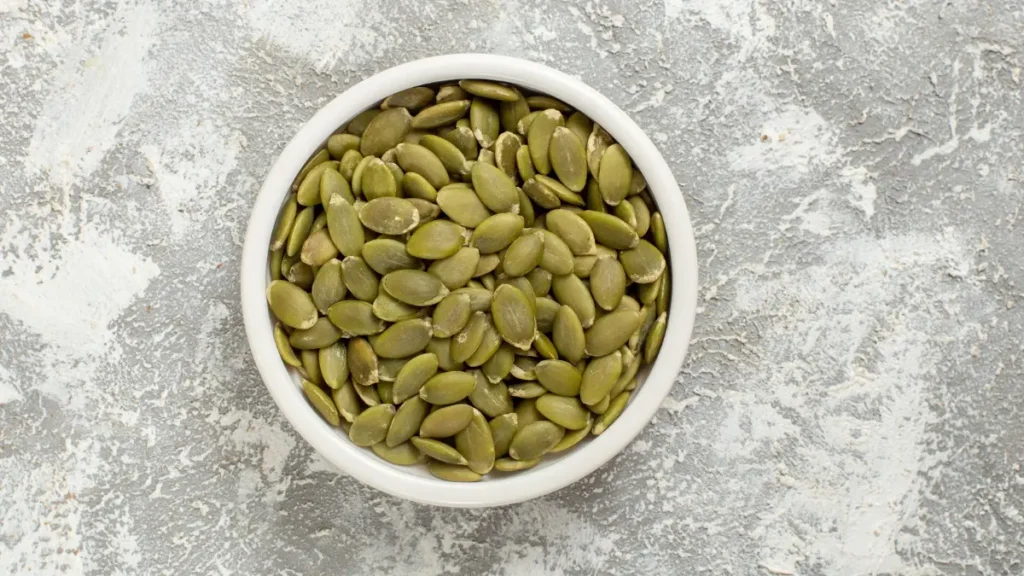
- Start with Tier 0: Add one ounce of raw pumpkin seeds or two canned oysters to your weekly routine.
- Unlock the Nutrients: Soak legumes like chickpeas for twelve hours. This step removes the handcuffs so the mineral can enter your blood.
- Watch the Timing: Take calcium or iron supplements at least two hours away from zinc-rich meals.
- Request a Test: Ask your doctor for a serum zinc test to find your clinical baseline.
Wall Sit: Stand with your back flat against a wall. Slide down until your thighs are parallel to the floor. Hold for 10 seconds.
You should feel a deep burn in your thighs, not pressure in your knees. Knees tracking past your toes means stop and raise your position higher up the wall. Beginners start at a shallow angle.
Post-Meal Walk: Step outside within 10 minutes of finishing your main meal. Keep a steady, comfortable pace. Aim for 20 minutes.
You should feel your digestion moving. Avoid eating while walking or rushing your pace. Start with 10 minutes if 20 feels like too much.
Canned oysters work as well as fresh. Frozen pumpkin seeds keep for months without losing nutritional value. Hemp seeds bought in bulk are one of the most affordable zinc sources per serving.
| Zinc Source | Serving Size | Why It Works |
|---|---|---|
| Canned Oysters | 2-3 Oysters | Highest natural density; very easy to absorb. |
| Pumpkin Seeds | 1 oz | Portable; includes magnesium for energy. |
| Hemp Seeds | 2 tbsp | Soft texture; bypasses low stomach acid. |
| Zinc Picolinate | Supplement dose | High bioavailability for those who cannot meet needs through food alone. Confirm dosage with your doctor |
Every situation responds differently. Use this as a starting point, not a prescription.
Reclaiming Your Skin Integrity and Energy
The reward for resolving low zinc signs is a shift in how you handle the world. When levels stabilize, your skin becomes a “smart” barrier again. Small nicks no longer linger. Your repair crew arrives on time.
The “brain fog” begins to lift. You may find your focus stays sharp into the afternoon. If sleep disruption is part of your picture, magnesium works alongside zinc for overnight recovery.
[Can’t Sleep Even With Magnesium Pills? The ‘Absorption Gap’ Link.]
selenium is the next mineral worth investigating for thyroid-related fatigue
[ Always Cold and Tired After 50? The Thyroid Signal You’re Missing]
Margot eventually found herself back in her garden. The stubborn scrape was gone. It was replaced by healthy, resilient skin. She noticed her energy returning during her morning pruning. She had the quiet confidence that her body was finally working with her again.
Your Question Answered
What are the 10 signs of low zinc?
Hair thinning, brittle nails, brain fog, slow wound healing, frequent colds, loss of taste, low energy, poor appetite, dull skin, and disrupted sleep.
Why does my immune system get worse after 50?
Immunosenescence reduces T-cell production. Lower stomach acid also means zinc absorbs less efficiently, leaving your defense system underpowered.
Q: What deficiency causes slow wound healing?
Zinc is the primary mineral for skin repair. Low levels delay the repair crew from arriving at the wound site.
Is 50mg of zinc too much to take daily?
For most adults, a moderate daily dose is appropriate. High doses disrupt the zinc-copper balance and can cause neurological issues over time. Always confirm with your doctor
What foods and medications block zinc absorption?
Phytates in bran and grains, calcium supplements taken with meals, and certain blood pressure medications can all reduce zinc uptake significantly.
CONCLUSION
Low zinc signs are easy to miss because they look exactly like getting older. The garden scrape that won’t heal. The cold that won’t quit. The fog that settles in by noon. None of that is inevitable.
Your body hasn’t given up. It may simply be running low on one mineral that drives over 300 biological processes. The entry point is simple: add pumpkin seeds, soak your legumes, and ask your doctor for a serum zinc test.
Your Low Zinc Protocol:
1) Add one zinc-rich food daily: pumpkin seeds, hemp seeds, or canned oysters.
2) Soak legumes before cooking to remove phytate.
3) Request a serum zinc test to establish your clinical baseline.
Small, consistent changes outperform mega-doses every time. Start with Tier 0. Let your body recalibrate. The payoff builds quietly: clearer skin, steadier energy, fewer sick days.
⚠️MEDICAL DISCLAIMER :
This content is for informational and educational purposes only and does not constitute medical advice, diagnosis, or treatment. Low zinc levels can mimic other serious health conditions. Before making changes to your diet or supplement regimen, consult a qualified healthcare provider who can evaluate your individual health status, medications, and risk factors. If you experience sudden vision loss, severe lethargy, or signs of a systemic infection, seek emergency medical care immediately.