

The daily ritual feels the same every morning. You hear the sharp “clink” of a handful of pills hitting the kitchen counter. You swallow six different capsules that used to promise a surge of energy. Now, they mostly leave you with a heavy, bloated feeling in your upper stomach. Your vitality remains unchanged despite the growing collection of amber bottles in your cabinet.
Most people assume expensive vitamins for over 50 guarantee results. Wrong. You could be flushing nutrients down the toilet.
| Sign of Absorption | Sign of Waste |
| Consistent energy levels | Bright “neon” yellow urine |
| Improved nail and hair strength | Lingering pill aftertaste |
| Better sleep patterns | Heavy feeling in the stomach |
| Mental clarity | No change in symptoms after 90 days |
Check your energy two hours after supplements. Steady lift means absorption. Neon urine means waste.
Your body might be screaming for these nutrients while your digestive system refuses to let them in. This disconnect usually starts with a silent change in your stomach chemistry that happens to almost everyone.
How to Know If Your Vitamins for Over 50 Are Actually Working
Your body sends clear signals within hours of taking vitamins for over 50. Start by checking your energy exactly two hours after your morning dose. You should feel a subtle, steady increase in alertness. Not a coffee-like jolt. Not a crash. Just a gentle lift that lasts through lunch.
Next, check your urine color during your first bathroom trip after taking vitamins. Bright neon yellow means your body is dumping B-vitamins straight into the toilet. Pale yellow or light straw color means absorption is happening. The color difference is obvious.

Pay attention to your stomach between breakfast and lunch. A heavy, bloated feeling means the pills are sitting in your gut like rocks. Your stomach acid can’t break them down fast enough. You should feel light and energized, not weighed down.
Track your progress over 14 days. Better sleep patterns, stronger nails, and improved mental clarity are the first signs that nutrients are reaching your cells. If nothing changes after 90 days, your current supplements are failing you. Your body is rejecting the delivery system.
The absence of change is the loudest signal. Most people ignore it and keep buying the same bottles. But the real problem isn’t the brand you chose.
Why Vitamins for Over 50 Fail: The Stomach Acid Drop
Your stomach is the gatekeeper of your health. It relies on a powerful liquid called gastric acid [the stomach’s chemical breakdown juice] to pull nutrients out of hard pills. This acid acts like a key that unlocks the cellular door. No key, no entry. Without it, your supplements remain trapped inside their coatings.
Many people develop a condition called hypochlorhydria [the decline of natural stomach acid levels] as they age. This change is often silent and painless. You might eat the best food or take the purest vitamins, but the chemistry is missing. Your body simply cannot melt the pill in time.
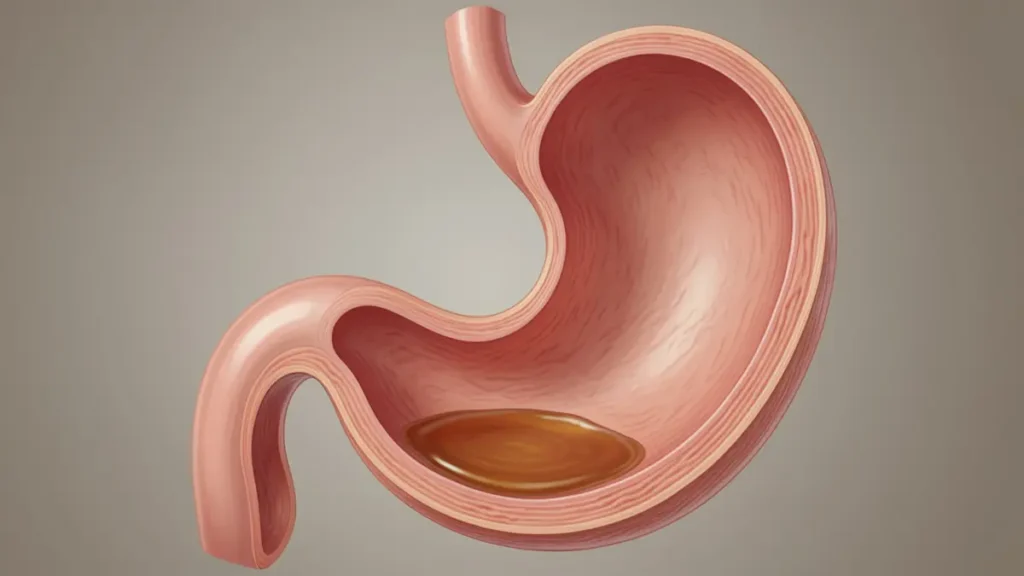
The “disintegration phase” is the first 30 minutes after you swallow a capsule. If your stomach acid is weak, the pill passes through your system mostly intact. This creates a simple but painful math problem for your wallet. You pay for 100% of the nutrient, but your bloodstream only sees a tiny fraction of it.
Bioavailability [how much actually enters your bloodstream] drops sharply when acid levels are low. You might think your digestion is fine because you don’t have heartburn. The reality is that low acid is just as problematic as high acid. Your stomach needs that “fire” to turn a solid pill into a liquid your body can use.
Most people focus on the label on the bottle. They ignore the chemistry inside their own bodies. This issue becomes even more critical when you look at one specific nutrient that keeps your brain sharp.
The Intrinsic Factor Problem (Why B12 Fails Hardest)
Salmon, eggs, and grass-fed beef are excellent sources of Vitamin B12. You likely eat these foods regularly to keep your brain sharp and your nerves healthy. Most people over 50 still add a B12 pill to their morning routine for extra protection. The pill never reaches their brain. This is where the delivery system breaks down completely.

Your body uses a specialized protein called Intrinsic Factor [a specialized protein ‘escort’ for B12] to move this vitamin into your blood. Think of it as a security guard that must hold the vitamin’s hand to get it through the digestive gate. As you age, your stomach lining often produces less of this essential protein.
Without this “escort,” the B12 stays locked inside the pill or the food and exits your body as waste. This is why many people feel “foggy” or tired even while taking high doses of the vitamin. You are filling the tank, but the pump is broken.
The decline of this protein often happens alongside the drop in stomach acid. It creates a double barrier that makes traditional pills almost useless for some people. You might be doing everything right on paper while your cells are starving for energy.
This internal biological shift is frustrating enough on its own. It becomes much worse if you are also taking common over-the-counter medications for digestion.
Taking Antacids? You’re Blocking Your Own Vitamins
You might take a daily pill to stop heartburn or indigestion. These medications, known as PPIs [stomach acid-blocking drugs], are very effective at their job. They shut down the pumps that make acid to prevent pain. This relief comes with a hidden cost for your nutritional health.
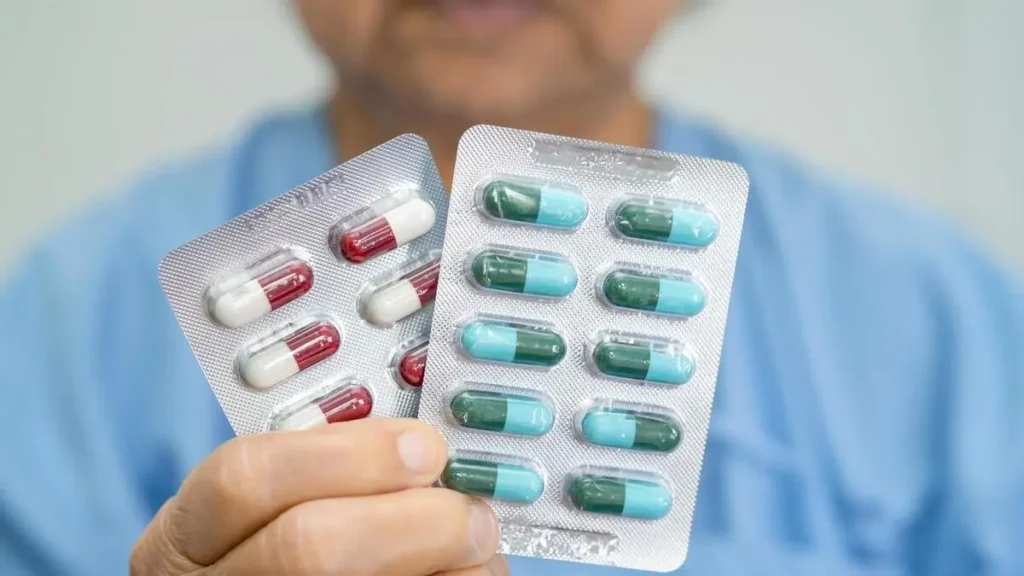
Antacid Interference [PPIs and Tums shut down acid production] creates a “double block” in your system. You are swallowing vitamins that require acid to break apart while simultaneously taking a drug that removes that acid. This leaves your supplements sitting in a neutral liquid where they cannot dissolve.
| Common Medication Type | Affected Nutrients |
| Proton Pump Inhibitors (PPIs) | Vitamin B12, Magnesium, Calcium |
| H2 Blockers | Iron, Zinc, Vitamin C |
| Over-the-counter Antacids | Calcium, Iron |
Calcium and Magnesium are especially sensitive to this change. They need a very acidic environment to become “ionized” so your intestines can grab them. Neutral pH means zero absorption. Without that acid, these minerals stay solid.
You might be treating one symptom while accidentally creating a new deficiency. This cycle often leads people to take even more pills to fix their low energy. It feels like a losing battle because the very thing helping your chest pain is starving your muscles.
Many people find that changing how they eat can solve this problem without the need for more chemicals. But switching to whole foods won’t help if your digestive system has already slowed to a crawl.
Food vs Pills: Why Whole Foods Bypass the Acid Problem
Leafy greens, citrus fruits, and lean proteins are your body’s preferred delivery system. These whole foods contain natural enzymes [specialized proteins that help break down food] that assist with digestion. Your stomach recognizes these structures immediately. It doesn’t have to fight through a compressed chemical coating to find the nutrients.

Bioavailability [how much actually enters your bloodstream] is often much higher when you eat your vitamins. Food wins every time. A piece of wild-caught salmon provides B12 and healthy fats that help you absorb other vitamins at the same time.
Many people over 50 find that their bodies respond better to a “food-first” approach. This isn’t because the vitamins in pills are “fake.” It is because the physical form of a pill is often too dense for a maturing digestive system to handle. A salad with avocado and lemon juice provides a liquid-rich environment that is easy to process.
Whole foods also provide fiber, which keeps the digestive tract moving at the right speed. If a pill sits in your gut too long, it can cause discomfort. If it moves too fast, you don’t absorb it. Food naturally regulates this timing to ensure the “gate” stays open just long enough.
Transitioning back to whole foods can solve many of the “heavy” feelings in your stomach. However, if you still need supplements, you must change how you take them to see a real difference.
Fixing Your Absorption: Forms, Timing, and Enzymes
Liquid vitamins, chelated minerals, and methylated B-complexes bypass many of the barriers in your gut. These specific delivery methods don’t require high levels of stomach acid to break apart. A liquid supplement is already in the form your body needs for immediate uptake. This change alone can stop the heavy, bloated feeling that many people experience after their morning pills.
Chelated minerals [minerals bound to an amino acid for easier travel] act like a "Trojan horse" for your cells. Your body recognizes the amino acid as fuel and pulls it right through the intestinal wall. This process is much more efficient than trying to dissolve a hard calcium carbonate tablet. If you must use capsules, look for "methylated" versions of B12 and Folate to ensure they are ready for your cells to use.
| Recommended Form | Why It Works |
| Liquid / Liposomal | Skips the "melting" phase in the stomach |
| Chelated Minerals | Uses protein pathways for 3x better uptake |
| Digestive Enzymes | Replaces the natural juices that decline with age |
| Methylated B-Vitamins | Already "active" and ready for your bloodstream |
Timing also plays a massive role in how much value you get for your money. Take your fat-soluble vitamins like A, D, E, and K with a meal that contains healthy fats like olive oil or avocado. These nutrients cannot enter your blood without fat acting as a carrier. Taking them on an empty stomach often means they pass right through you.
Adding a broad-spectrum digestive enzyme [a supplement that helps break down fats, proteins, and carbs] can provide the "fire" your stomach is missing. Take the enzyme with your largest meal to help your body extract vitamins from both your food and your supplements. The question is: which form should you start with first?
How to Start Your Absorption Protocol
Switch to liquids or powders for your multi-vitamin to reduce the workload on your stomach acid. Take a digestive enzyme with your heaviest meal to ensure you are actually breaking down your nutrients. Check your B12 levels with your doctor and ask if a sublingual [under the tongue] or liquid form is better for your specific needs. Many people report clearer thinking within two weeks of switching to liquid forms. Your energy shouldn't feel like a guessing game anymore.
Your Vitamins for Over 50 Protocol: 1) Switch to liquid forms. 2) Add digestive enzymes to your largest meal. 3) Pair fat-soluble vitamins with healthy fats.
⚠️MEDICAL DISCLAIMER :
This content is for informational and educational purposes only and does not constitute medical advice, diagnosis, or treatment. Before making changes to your diet, exercise routine, or supplement regimen, consult a qualified healthcare provider. If you experience severe abdominal pain, sudden weight loss, or chronic fatigue, seek emergency medical care immediately.