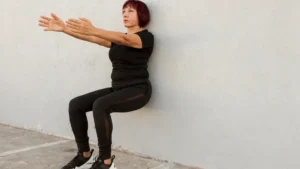

It’s the ultimate fitness irony. You can squat 225 lbs at the gym without a wince, but a simple flight of stairs makes your joints feel eighty years old. This is the Squat Paradox. You have the raw power to lift heavy weights, but your body lacks the specific control needed for daily movement.
Standard squats build great muscle, but they don’t prepare you for the unique stress of knee pain on stairs. In this guide, you’ll learn why your gym routine is leaving your joints vulnerable. We will break down the physics of the eccentric load, that braking force that happens when you step down, and give you a 4 step protocol to build true functional strength.
Why Descending Stairs Hurts More Than Your Heavy Squats?
Going up the stairs is about power, but going down is about control. When you walk down a flight of stairs, you aren’t just moving your body; you are fighting gravity. In a standard squat, you use both legs to share the load. But on stairs, one leg has to do all the work. Your muscles must act like a car’s brakes, slowly lengthening while under high tension.
This is called an eccentric load. If your quads and hips aren’t used to this braking action, the pressure shifts from your muscles directly into your joint. This creates massive patellofemoral joint stress and joint reaction forces that cause that sharp, stinging pain. To fix this, you need to move past power and start building eccentric knee stability.
The Physics of Descent
Why “Braking” creates 3x more joint stress than lifting.
Force exerted on the patella during stair descent.
Weight concentrated on a single knee joint mid-step.
Eccentric Loading vs. Concentric Power
- The Squat (Concentric): Muscles shorten to move weight. Load is distributed across two pillars (legs).
- The Stair (Eccentric): Muscles must lengthen while under tension. This “braking” action generates significantly higher internal friction.
- Mechanical Shift: If muscles fatigue during the “brake,” the energy is absorbed by the Patellofemoral Joint instead of the muscle fibers.
The Stability Gap: Why Your Squat is Failing You?
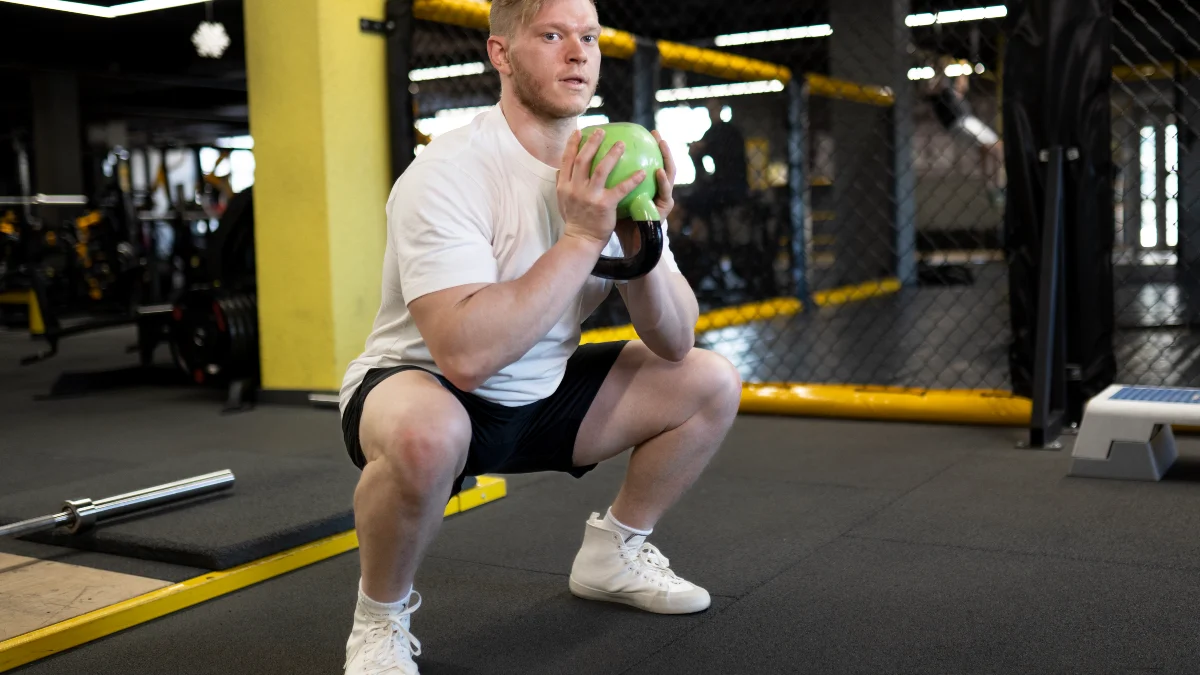
The reason your heavy squats aren’t helping is simple: squats are bilateral. This means both feet are on the ground, providing a stable base. Stairs are unilateral, meaning you are balancing your entire weight on one leg at a time. This is where the Stability Gap appears.
You might be strong enough to push a heavy barbell, but can you keep your knee straight while standing on one leg? Many strong lifters experience what experts call a Valgus Collapse. This is when the knee wobbles and caves inward as you step down. This happens because of hip abductor weakness, specifically in the gluteus medius.
4 Steps to Close the Stability Gap
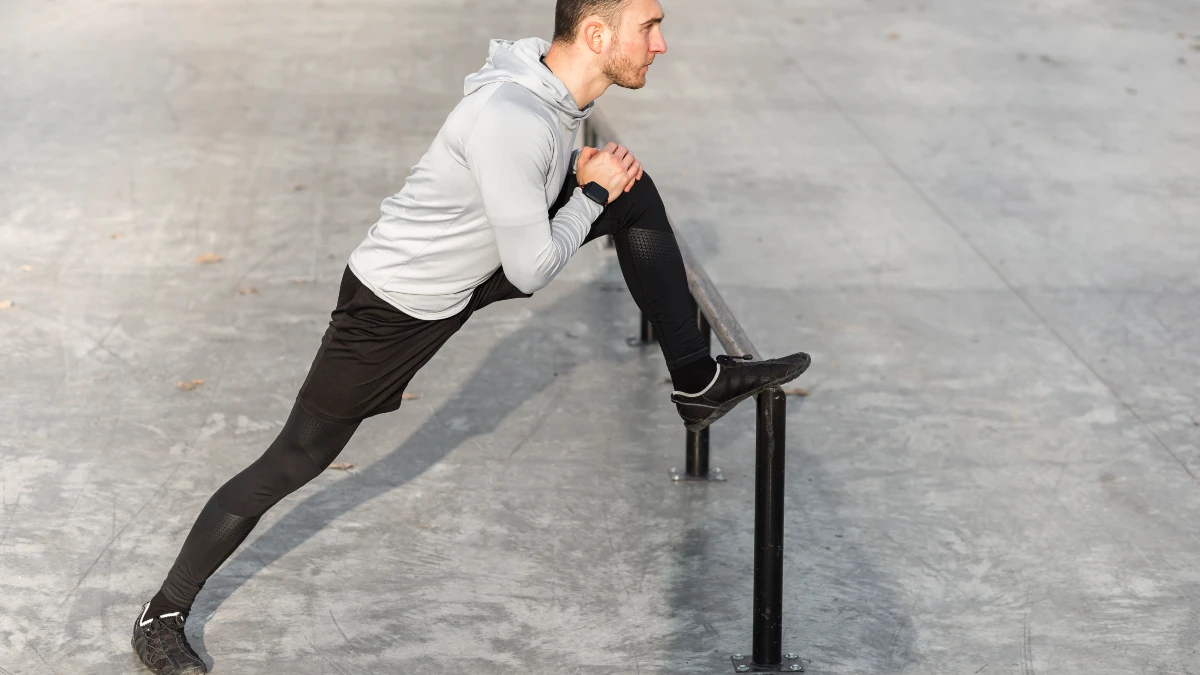
To fix the pain, you have to train your legs to handle weight one side at a time. Use these four eccentric knee exercises to build single leg stability and get your glute activation back on track.
- Lateral Step Downs: Stand on a small box or a bottom step. Slowly lower one foot until the heel barely touches the floor, then push back up. Keep your hips level and don’t let your knee cave in. This is the gold standard for fixing stair pain.
- Banded Goblet Squats: Hold a weight at your chest and put a resistance band just above your knees. As you squat, push your knees out against the band. This teaches your brain to stop the knee cave reflex.
- Single Leg RDLs: Stand on one leg and hinge at the hips while reaching toward the floor. This builds the back of your legs and your balance, which keeps the knee steady.
- Lateral Band Walks: Put a band around your ankles and take small steps to the side. This fires up the side glutes that keep your knee aligned.
Red Flags: When Pain is More Than Just Weakness

Sometimes, the issue isn’t just a lack of strength. If you feel a locking or catching sensation, you might have a meniscus tear. If the pain feels like deep, dull grinding that is worse in the morning, it could be osteoarthritis symptoms. Another common culprit is runner’s knee, where the kneecap rubs against the side of the joint.
If your pain is sharp and stays on the outside of the leg, it might be IT Band Syndrome. If the 4 step protocol doesn’t help after a few weeks, it’s time to see a pro for knee physical therapy.
Why Your Shoes Might Be Making the Pain Worse?
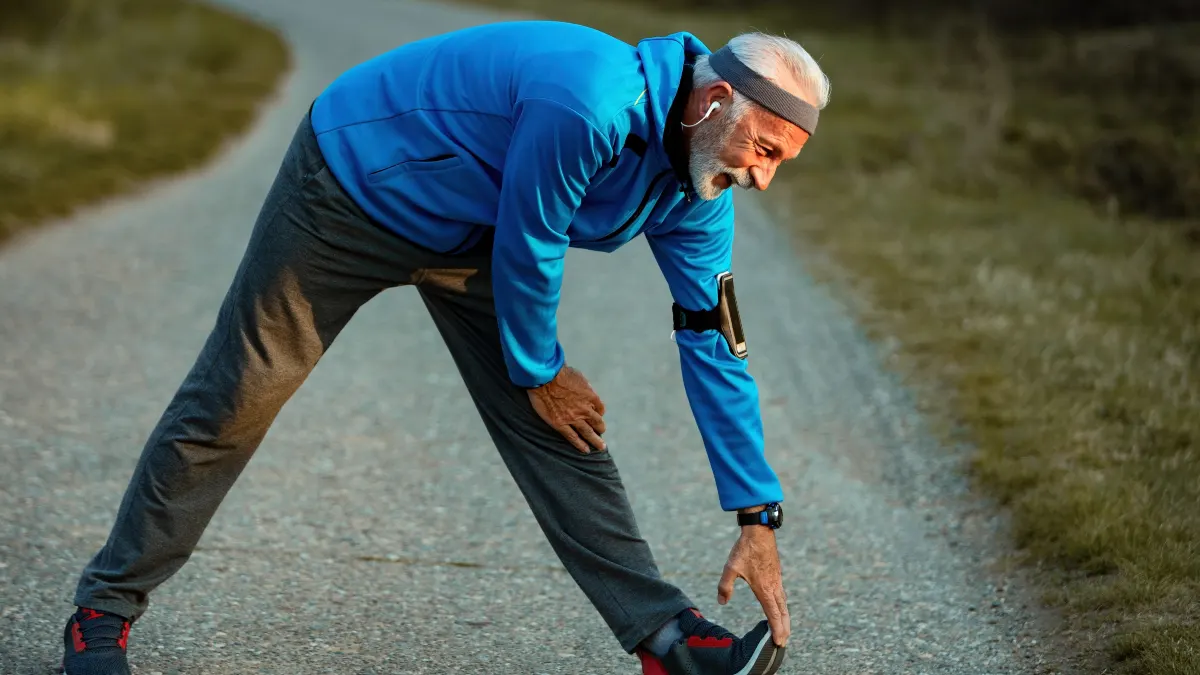
The shoes you wear every day can either help or hurt your knee alignment. Many modern sneakers have thick, squishy foam. While this feels good at first, it can be like trying to balance on a marshmallow. If your shoe is too soft, your ankle wobbles. This wobble travels up your leg and forces your knee to work harder to stay steady.
Check your heel drop. This is the height difference between the heel and the toe of your shoe. A very high heel drop can shift your weight too far forward, putting more stress on your kneecap. Try wearing shoes with a flatter sole or more lateral support when you are working on your unilateral leg strength.
3 Ways to Practice Stability Outside the Gym
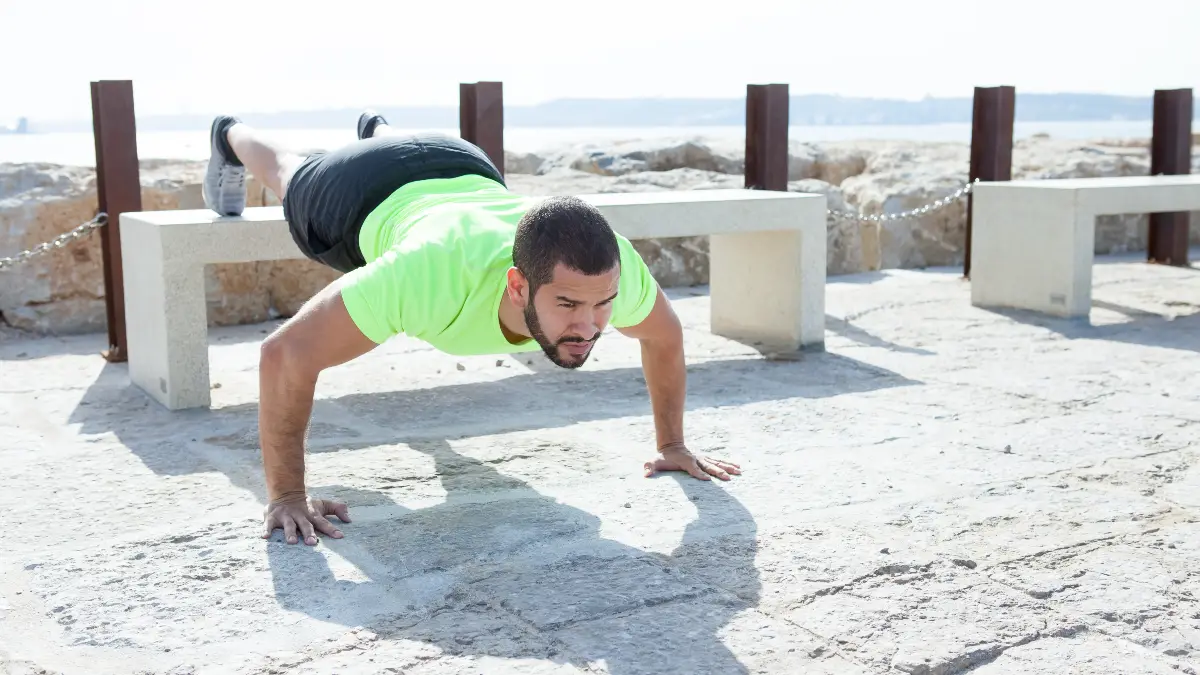
You don’t need a squat rack to fix your knees. You can close the Stability Gap while you do chores or wait for coffee. The goal is to make functional strength a habit, not just a workout.
1. The Brush and Balance: Stand on one leg while you brush your teeth. Aim for 60 seconds on each side. If you feel your knee diving inward, squeeze your glutes to straighten it out.
2. The Slow Step: Next time you go down a flight of stairs, move at half speed. Don’t let your foot plop onto the next step. Use your muscles to lower yourself slowly and quietly.
3. The Grocery Hinge: When you pick up a bag from the floor, do it on one leg. This mimics a single leg RDL and keeps your posterior chain active throughout the day.
The 30-Second Test: Is Your Stability Gap Closing?
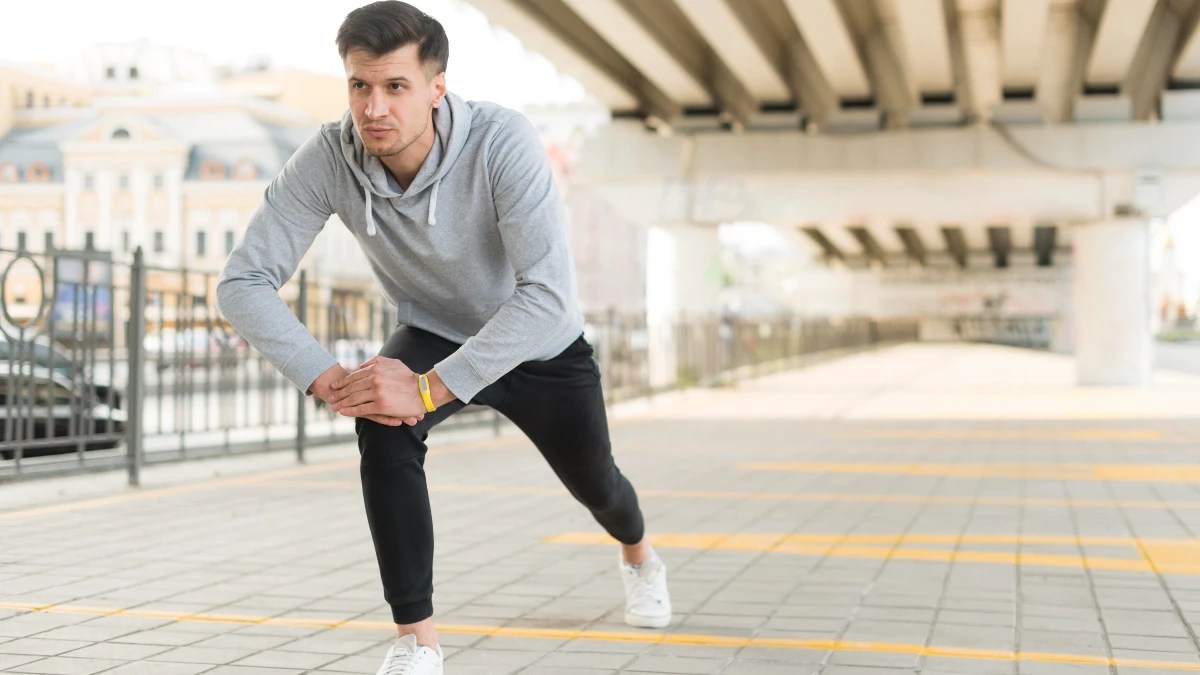
How do you know if you are actually getting better? You can track your progress with a simple Single Leg Balance Test. Stand on one leg with your hands on your hips. Set a timer. If your foot moves, your hips tilt, or your knee wobbles significantly, the timer stops.
In the beginning, you might only last 10 seconds before your knee feels shaky. As you work on your eccentric knee exercises, aim to hit 30 seconds with perfect form. Once that gets easy, try doing it with your eyes closed. This forces your brain to rely on the nerves in your joints rather than your vision.
Conclusion
Brute strength is useless if you can’t control it. You can have the strongest quads in the world, but if your hips are weak and your brakes are broken, the stairs will always be your enemy.
Closing the stability gap is about teaching your brain and your knees to handle weight one leg at a time. Stop ignoring the ache. Start focusing on control, and you’ll find that those stairs don’t feel so steep anymore.