
If you find it harder to open a jar or walk up stairs, the problem might not be your age. It is likely your plate. Most protein advice you hear was made for young people. This leaves those over 50 with a “hidden muscle hunger.” You might be eating enough food, but your muscles are still starving.
This lack of fuel leads to constant fatigue. It also makes muscle loss prevention almost impossible. In this guide, you will learn the “Shocking” math formula for the protein amount for over 50. We will show you how to spot a deficit before it causes an injury. You will also get the 2026 “Protocol” to help you stay strong and active. You can fix your energy levels by changing what you eat today.
Why Your Body Ignores Protein Now (The Anabolic Resistance Problem)

As you age, your body gets a bit “deaf” to protein. Scientists call this anabolic resistance. When you were 20, your body was great at turning a small amount of food into muscle. Now, those signals are weak. Your body is just not as efficient as it used to be. And here’s why that matters.
The old protein rules are not enough for you anymore. Most charts say you only need 0.8 grams of protein for every kilogram you weigh. But that number is for survival. It is not for staying strong or living a long, active life. By the time you reach age 60, you need 30% to 40% more protein than a 20-year-old. You need this just to get the same muscle-building signal.
If you don’t get enough, you face sarcopenia. This is the medical name for losing muscle mass. When your body doesn’t get enough protein from food, it steals it from your muscles. This makes you feel weak. It also slows down your metabolism. Eating more protein “turns the volume up” so your body can hear the signal to stay strong again.
4 Warning Signs Your Body is Starving for Protein

How do you know if you are missing the mark? Your body is very honest. It will tell you when it is low on fuel through several signs.
- Muscle Weakness: If carrying groceries feels heavier than it did last year, your muscles are shrinking.
- Skin and Hair Changes: Brittle nails and thinning hair are common. Your body uses protein for your heart and lungs first, so it stops sending it to your hair.
- Slow Recovery: Do you stay sore for days after a walk? Protein deficiency makes it hard for your body to repair small tears in your tissues.
- Frequent Colds: According to UCLA Health, protein is used to make the cells that fight off germs. If you are always getting sick, your immune health might be low.
Pay attention to these sarcopenia symptoms. They are not just parts of “getting old.” They are signals that your plate needs an upgrade.
The 5-Minute Math: How Much Protein Do You Actually Need?
The “shocking” truth is that most people over 50 need about double the standard amount. For healthy aging, you should aim for 1.2 to 1.5 grams of protein for every kilogram you weigh.
Here is the math:
- Take your weight in pounds and divide it by 2.2 to get your kilograms.
- Multiply that number by 1.2.
- 150lb person: Needs about 82 grams of protein every day.
- 200lb person: Needs about 109 grams of protein every day.
But the “Per Day” number isn’t the only thing that matters. You must spread it out. Your body can only use about 30 grams of protein at one time for your muscles. If you eat all your protein at dinner, your muscles starve the rest of the day. Aim for 30 grams at breakfast, lunch, and dinner to keep your strength up. This is the real secret to the protein amount for over 50.
Why Your Skeleton Needs Protein, Too
Many people think bones only need calcium. That is only half of the story. About 50% of your bone volume is actually made of protein. Without it, your bones become brittle and easy to break.
Eating enough protein helps your body make a hormone called IGF-1. This hormone is like a construction worker for your bones. It helps them stay thick and strong. This is a key part of osteoporosis prevention. When you keep your bone density high, you stay independent. You can move without the fear of a fall causing a major injury. Protein keeps your “frame” strong so you can stay in the game.
Animal vs. Plant Protein: Which Wins After 50?
Not all protein is the same for your muscles. There is a special amino acid called leucine. Think of leucine as the “light switch” that turns on muscle growth. Animal proteins like eggs, whey, and lean meats are full of it.
Plant proteins are healthy, but they often have less leucine. If you only eat plants, you have to eat much larger portions to get the same result. You might need to eat two cups of beans to get the same muscle signal as one small chicken breast.
How to fix this:
- If you eat plant-based protein, mix your sources.
- Add a scoop of high-quality protein powder to your meals.
- This helps with bioavailability. It ensures your body can actually use what you eat.
Why Your Digestion Needs a Little Help Now
As you get older, your stomach changes. It often makes less acid than it used to. This can make it harder to break down big pieces of meat or heavy meals. You might feel bloated or “stuffed” for hours after eating. Because of this, many people over 50 start eating less protein. But that is the opposite of what your body needs.
To get your vitality back, you need to help your gut do its job. If you can’t digest the protein, your muscles can’t use it. And here’s why that matters. If the protein just sits in your stomach, you miss out on the leucine needed to stop muscle loss.
How to make digestion easier:
- Chew your food well: This sounds simple, but it is the first step of digestion. Aim for 20 chews per bite.
- Try smaller portions: Instead of one giant steak, have smaller amounts of protein four times a day.
- Choose “soft” proteins: Foods like Greek yogurt, eggs, and protein shakes are much easier for your stomach to process.
- Drink water between meals: Too much water during a meal can thin out your stomach acid. Try to drink most of your water 30 minutes before or after you eat.
By fixing how you eat, you ensure the protein amount for over 50 actually reaches your muscles. This stops the bloat and keeps your energy high all day long.
The 2026 Protein Audit: 5 Easy Swaps for More Strength
You don’t have to eat huge meals to hit your goal. You just need to be smart about your choices. A high protein diet for seniors is built on small, easy changes.
- Stop eating plain cereal: Switch to Greek yogurt. It has 20 grams of protein per cup.
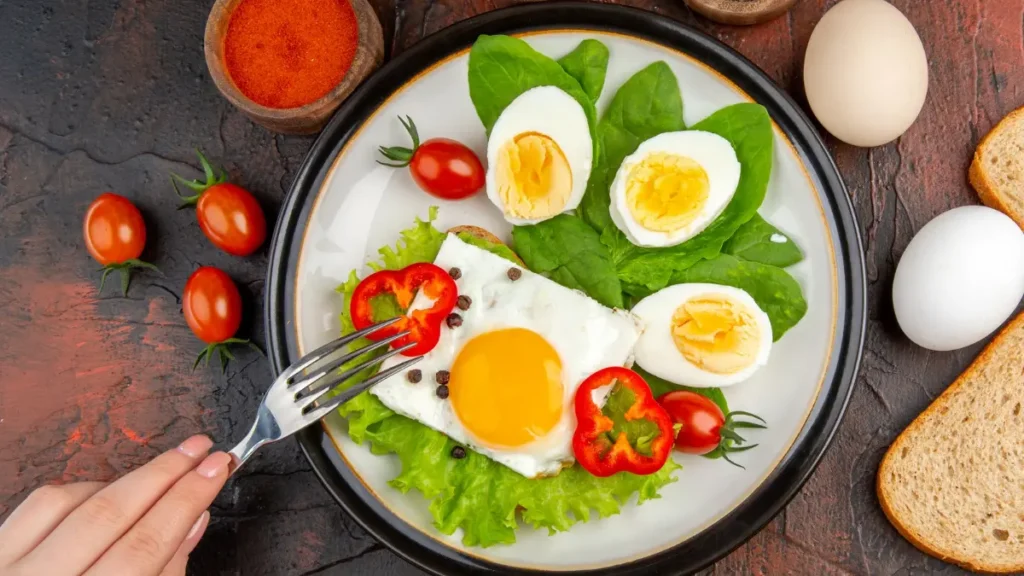
- Add eggs to your morning: Two eggs give you the leucine you need to start your day.
- Use hemp seeds: Sprinkle them on salads or soups for an extra 10 grams of protein.
- Drink your protein: A whey or pea protein shake is an easy way to help with muscle recovery after a walk.
- Snack on edamame: These little beans are packed with protein and fiber.
Conclusion
Strength is not just about the gym. It is about the fuel you give your body every single day. You do not have to accept feeling weak or tired as you age. Your body has new rules now, and hitting your protein goal is the most important one.
By getting 30 grams of protein at each meal, you give your muscles the signal to stay strong and healthy. Managing protein amount for over 50 is the best way to keep your independence and energy for years to come. It is a choice you make with every bite. You have the power to stay capable and active.