
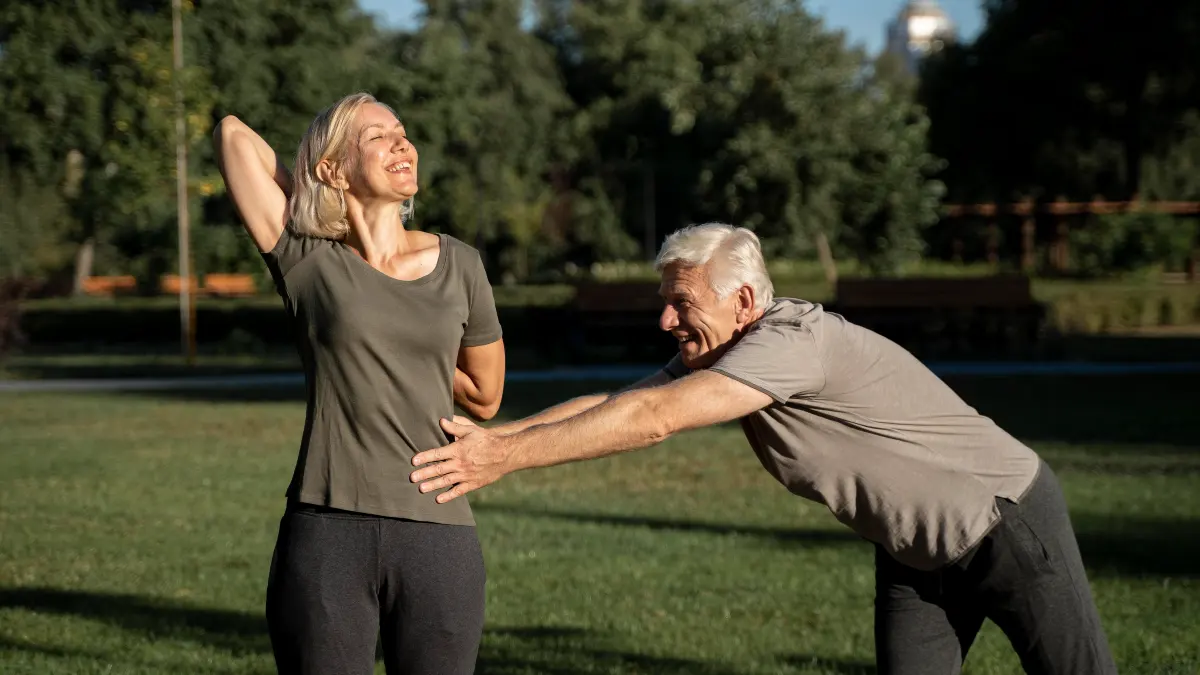
That first step out of bed shouldn’t feel like a negotiation with your joints. You probably remember when you could hit the gym, wake up, and do it all over again. But at 50, things change. That old push through the pain mantra is a trap. It leads to chronic inflammation and long term injury.
If you feel stiff every morning, your body isn’t failing. It’s just talking to you. You need a new strategy for active aging. The secret is managing muscle stiffness by respecting your biology. 48 hour recovery rule to stay fit without the constant ache. Why your muscles need more time and how to fix soreness after exercise at 50. No more limping to the coffee machine.
Why Does Your Body Feel This Way?

Your body is different now than it was at 25. Most people lose 3% to 8% of their muscle mass every decade once they hit 30. Doctors call this Sarcopenia. Because you have less muscle, the fibers you do have must work harder. When you exercise, you create tiny micro tears in those fibers. This is how you get stronger, but at 50, you face Anabolic Resistance.
This means your body is slower at repairing muscle fibers. Your internal repair crew is just taking longer breaks. Your connective tissues also change. They lose collagen and become less like rubber bands and more like dry leather. This causes more inflammation and makes you feel like a tin man in the morning.
This shift in aging biology is why soreness often hits hardest two days after your workout. Your body needs more time to finish the job. If you don’t give it that time, you’re just adding stress to a system that is still trying to heal.
How to Use the 48-Hour Recovery Rule?
The biggest mistake you can make is training the same muscles two days in a row. Your body needs a cool down period to fix those tears. Use a workout split to give your tissues a break. If you do a heavy leg day on Monday, don’t touch your legs again until Thursday. This gives you a full 48 to 72 hours of rest. Why 48 hours? Because of the Soreness Peak.
You might feel fine on Tuesday, but Wednesday morning brings the real pain. That is when the repair process is at its highest point. Rest doesn’t mean sitting on the couch all day. Use active recovery. Motion is lotion for your joints. Light movement helps blood flow to your sore spots. This clears out waste and brings in fresh nutrients.
Go for a 20 minute walk or do some gentle yoga on your off days. The 48-hour recovery rule stops the cycle of constant pain. You stay active, but your muscles actually get the chance to grow. It is the smartest way to train as you get older.
The Best Foods to Stop the Ache
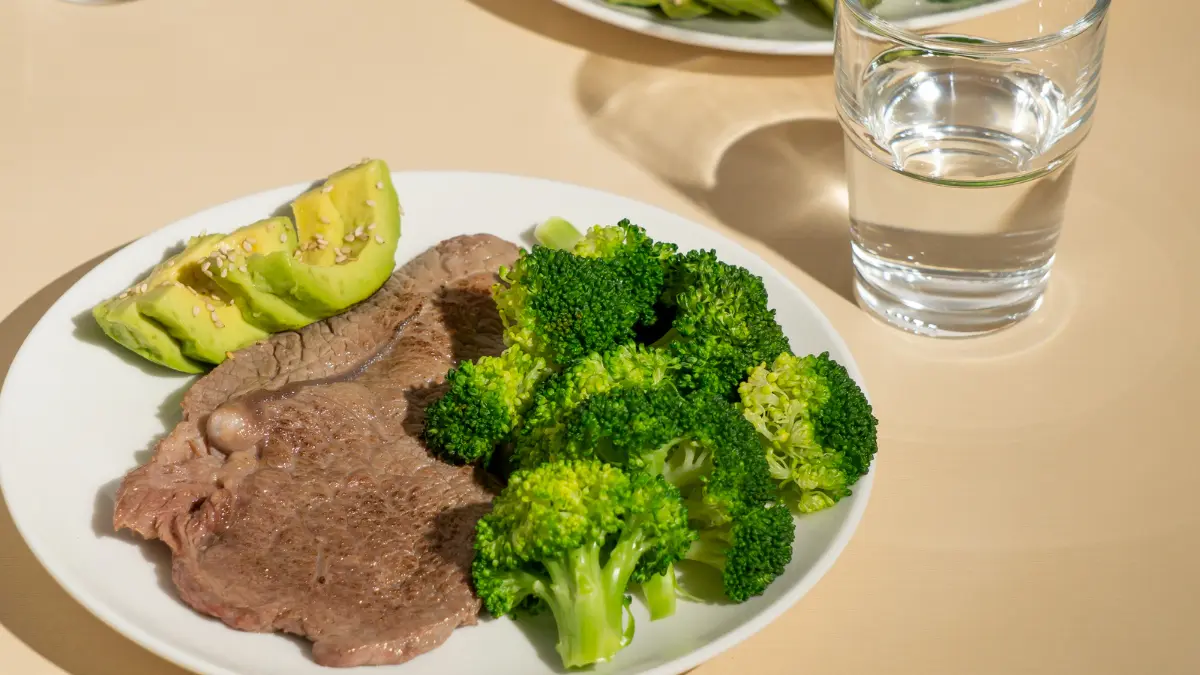
You can’t out-train a bad diet. Your muscles need specific fuel to stop the ache. Start with the 30g Protein Rule. To trigger protein synthesis, you need at least 25 to 30 grams of high-quality protein in your post workout meal. This helps your body overcome anabolic resistance. Aim for 1.2 to 1.5 grams of protein for every kilogram you weigh.
Next, look at your water. As you age, your body holds less water. This makes your muscles tight. Good hydration keeps things slippery and moving well. You also need to maintain your electrolyte balance. Add a pinch of sea salt or an electrolyte powder to your water after you sweat.
Finally, eat some carbohydrates within 60 minutes of finishing your workout. This refills your glycogen stores. Glycogen is the energy your muscles use. If you don’t replace it, your body stays stressed. This makes post workout nutrition your best tool for feeling better fast.
Stop the Stiffness Before It Starts
Static stretching is out. Dynamic movement is in. At 50, your tendons are less elastic. If you start a hard workout cold, you are asking for trouble. Spend 10 minutes doing big circles with your arms and legs. Walk in place. Do some gentle lunges without weights. This wakes up your nervous system. It pumps blood into your joints.
Think of it like warming up a car engine in the winter. You wouldn’t just floor it right away. A good warm up reduces the micro tears that cause pain later. It makes your workout feel easier. And it means less stiffness when you wake up the next day. One of the best ways to prep your body is to focus on mobility rather than just flexibility.
Flexibility is about how far a muscle can stretch while you are still. Mobility is about how well your joints move through their full range of motion while you are active. Before your next walk or lifting session, try the World’s Greatest Stretch or simple cat cow movements on the floor.
These exercises lubricate the joint capsules with synovial fluid, which acts like grease for a rusty hinge. By spending just a few extra minutes on these targeted movements, you tell your brain that it is safe to move quickly and heavily. This reduces the defensive tightness your brain creates to protect your joints, leading to a much smoother recovery period once the workout is over.
Why Stress Keeps You Sore?
Stress isn’t just in your head. It lives in your muscles too. When you are stressed, your body makes a hormone called cortisol. High cortisol levels stop your body from fixing those tiny muscle tears. This means if you have a stressful job or a busy home life, you will stay sore for a longer time. Try taking five minutes to just sit and breathe after your workout.

It lowers your heart rate and tells your body it is safe to start the repair work. Less stress leads to less inflammation. And less inflammation means you can get back to the gym sooner. Think of your brain as the control center for your muscles. When you are worried or angry, your brain sends a danger signal to your body.
This makes your muscles stay tight and guarded, even when you aren’t moving. This constant tension blocks fresh blood from reaching the sore spots that need it most. By finding a way to relax your mind, like listening to a favorite song or taking a short walk in nature, you flip a switch in your nervous system.
Why Consistency Wins Over Intensity?
At 50, you don’t need to break records every time you train. Going too hard once a week is what causes the most pain. It’s better to do a moderate workout three times a week than one crushing session on Saturday. When you are consistent, your body gets used to the work. Your muscles stay ready for movement. This makes the morning stiffness much less intense.
Think of your fitness like a slow burning fire. You don’t want a huge explosion that burns out. You want a steady heat that keeps you moving for years. Focus on showing up, not just showing off. Your muscles have a memory. If you only exercise once a week, your body feels shocked every single time. It feels like starting over from zero every Monday morning.

But when you move every other day, your body learns how to handle the work. This build up helps your muscles protect themselves from future damage. You stop getting that deep, painful soreness because your body is ready for the task. This makes it much easier to keep your routine going. You aren’t always recovering from a hero workout that left you exhausted.
The Power of the Cool Down Walk
Don’t just stop your workout and sit in your car. This is a fast way to get stiff. When you finish a hard session, your blood is full of metabolic byproducts. If you sit down right away, that blood pools in your legs. Spend five minutes walking slowly or doing very light movements. This keeps your circulation moving. It helps your heart rate come down gently.
Think of it as a bridge between the gym and your daily life. This simple habit flushes out the things that cause inflammation. You will notice a huge difference in how your legs feel when you stand up later that evening. This slow walk acts like a drainage system for your muscles. During a hard workout, your body creates lactic acid and other waste products that can make you feel heavy and tired.

If you stop moving abruptly, these fluids stay stuck in your tissues, leading to that cement like feeling in your joints later. By staying on your feet for just a few extra minutes, your muscles act like a pump, pushing that waste back toward your heart to be filtered out. This easy step reduces the swelling that causes muscle stiffness the next morning.
Your Questions Answered
Is DOMS a Sign of Muscle Growth After 50?
Yes, but only if it stays manageable. That dull ache two days after training means your muscles are rebuilding stronger. At 50 the warning sign is soreness that locks a joint or runs past 72 hours. That means you overdid it. Aim for a 6 out of 10 discomfort level. Anything beyond that is damage, not growth.
Why Does the First Gym Session Hurt the Most?
Because your muscles forgot the movement. Every break resets that memory. When you return, your body treats the workout like a brand new stress and creates more micro tears than usual. It feels brutal but it is completely normal. Session two hurts less. Session three less again. Getting through those first few carefully is all it takes.
How Do You Get Rid of Sore Muscles Overnight?
Four things work. Elevate your legs for 20 minutes before bed and let gravity drain the fluid that builds up in sore muscles through the day. Most people feel the difference the same night. Tart cherry juice after training reduces inflammation before it peaks. A contrast shower, two minutes warm then thirty seconds cool repeated three times, flushes out the waste your muscles created. Sleep seven hours minimum because hours five through seven are when your body does most of its repair work
Conclusion
You don’t have to quit the sports you love. You just have to change how you support your body. Recalibrate your expectations. Soreness isn’t a sign of weakness; it’s a signal that your body is working. Use the 48 hour rule. Eat more protein. Get more sleep. When you listen to these signals, you can stay active for decades.
Managing soreness after exercise at 50 is about being smart, not just being tough. Think of your fitness as a long-term investment. You aren’t just working out for today. You are working out so you can stay mobile for years to come. By following these rules, you take control of your health. It is okay to slow down so you can keep going longer.