

It’s 1:30 PM. You just ate lunch. Now you can barely keep your eyes open, and you have three hours of work left. You’re not tired from working too hard. Your food did this to you.
The post lunch energy crash has a real name: postprandial somnolence. Scientists study it.⁴ It affects millions of people every single day.
And the good news is, it’s mostly preventable once you know what to eat. 15 specific, easy to find foods that fight food comas at the source.
This article is for informational purposes only and is not a substitute for professional medical advice. Fiber needs vary by individual health status, medications, and digestive conditions. Talk to your doctor or a registered dietitian before making significant changes to your diet.
What Actually Causes a Food Coma?
Your body does three things at once after a big meal. Each one pulls energy away from your brain. All three hit at the same time. That’s why you want to nap at your desk.
Cause 1: Blood goes to your gut
Your digestive system needs a huge amount of blood to break down food. It pulls that blood away from your brain. Less blood to the brain means less alertness.
Cause 2: Blood sugar spikes, then crashes
Refined carbs, such as white bread, pasta, and sugary drinks, push your blood sugar up fast. Your body overreacts with insulin. Blood sugar drops. You crash.
Cause 3: Serotonin rises after eating
Food, especially carbs, raises serotonin levels. Serotonin makes you feel calm and sleepy. It’s the same chemical that helps you fall asleep at night.
Why Fiber Is the Key to Steady Energy?
Fiber slows down how fast food moves through your digestive system. That means glucose, the sugar that comes from carbs, enters your blood slowly and steadily instead of all at once. No giant spike. No massive insulin surge. No crash.
95% of Americans don’t get enough fiber.¹ The average person eats about 17g per day. Women need 25g. Men need 38g. That gap is why energy crashes are so common.
Fiber also feeds the good bacteria in your gut. Those bacteria produce short chain fatty acids, which help lower inflammation and support steadier blood sugar.²
A 2021 meta-analysis of 22 randomized trials, published in the Journal of Functional Foods, found that dietary fiber significantly improved blood sugar control and insulin sensitivity in people with type 2 diabetes.³
One important note: fiber works best when you pair it with protein and healthy fat. These three together form what some dietitians call the metabolic trio. Fiber alone is good. Fiber plus protein and fat is much better.
Fiber-Packed Grains & Legumes
Complex carbohydrates give you long burning fuel. Unlike white rice or white bread, these foods digest slowly. Here’s how each one does it differently.
1. Oatmeal
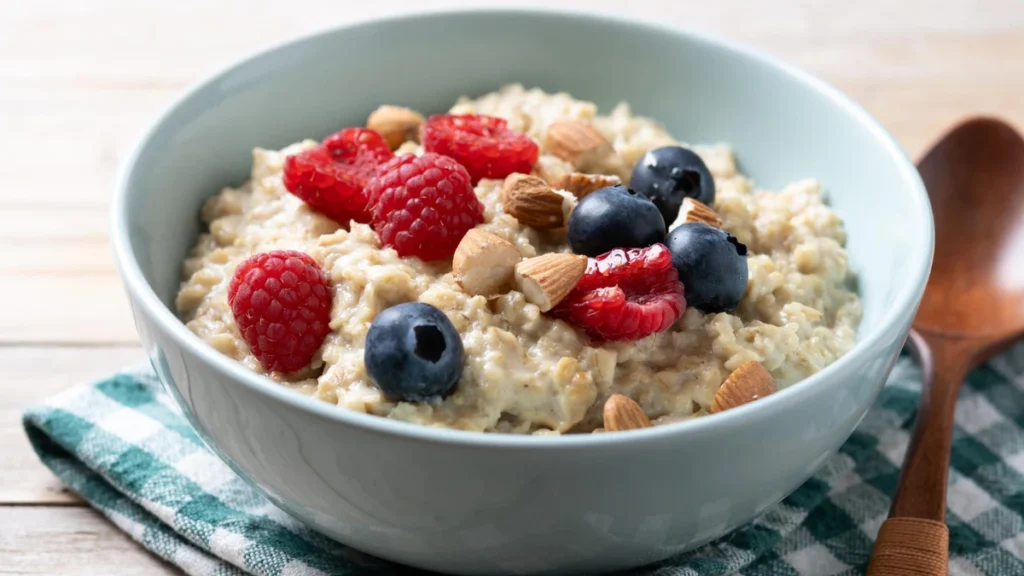
4g fiber per cup cooked.⁵ Oatmeal contains beta glucan, a type of soluble fiber that forms a thick gel in your stomach. That gel physically slows digestion. Your blood sugar rises slowly. You stay full and focused for hours.
It’s one of the most well studied foods for stable energy. Overnight oats with raspberries and a tablespoon of almond butter. Takes 3 minutes to prep the night before.
2. Quinoa
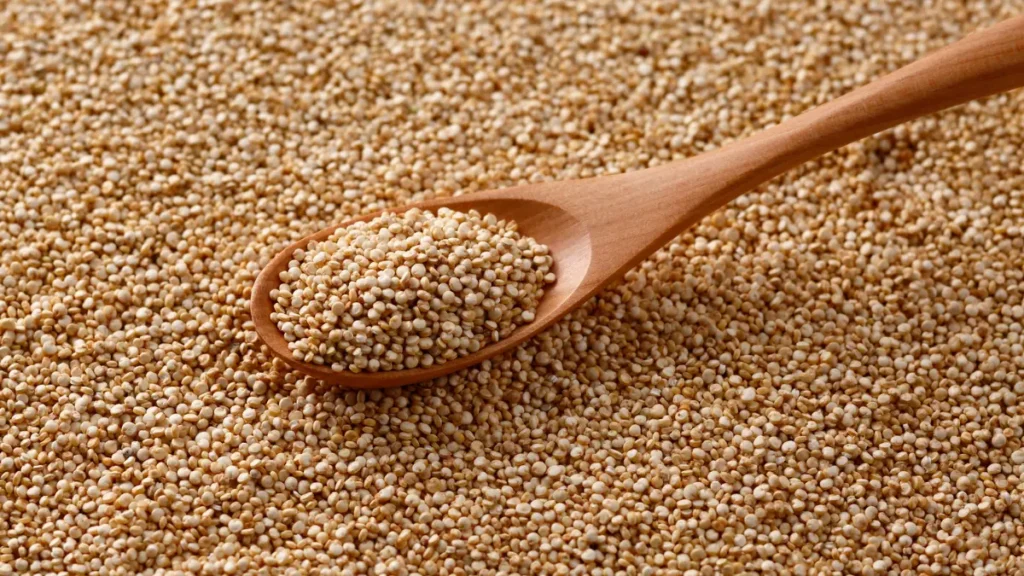
5g fiber per cup cooked.⁶ Quinoa is one of the few plant foods that has all 9 essential amino acids.⁶ That means it gives you fiber and complete protein in one bowl. Protein slows digestion even further, which is why quinoa lunches rarely cause a 2 PM crash.
Its glycemic index is lower than that of white rice.⁶ Swap white rice for quinoa in your next stir fry or grain bowl. It cooks in 15 minutes.
3. Lentils
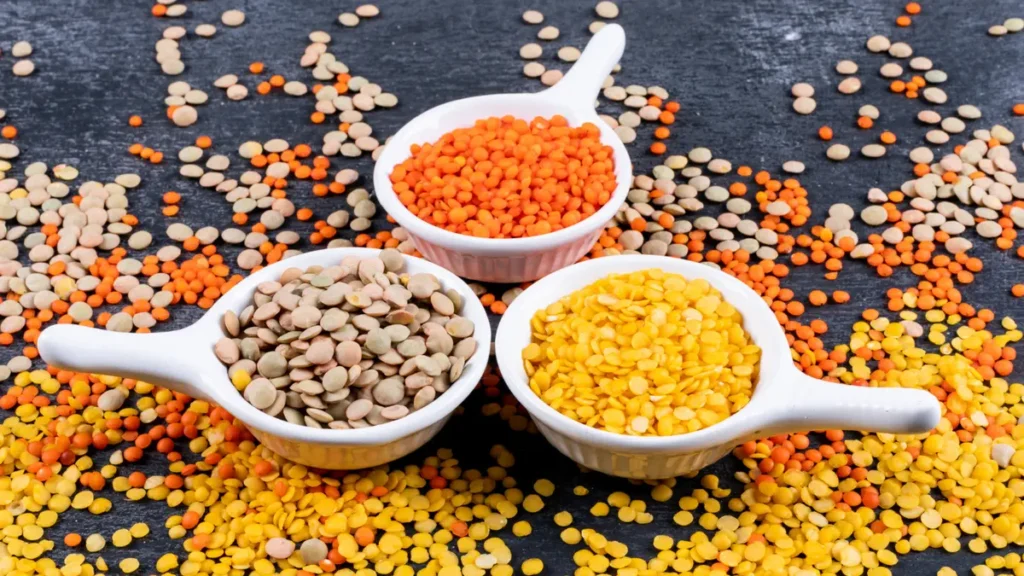
8g fiber per ½ cup cooked.¹⁰ Half a cup of lentils has 8 grams of fiber. That’s nearly a third of a woman’s daily target in one ingredient. Lentils also have a low glycemic index, meaning they cause almost no blood sugar spike.⁷
They’re cheap, quick to cook, and one of the most underrated energy foods. Add canned lentils to soup, salad, or rice. No chopping, no prep, just drain and use.
4. Black Beans
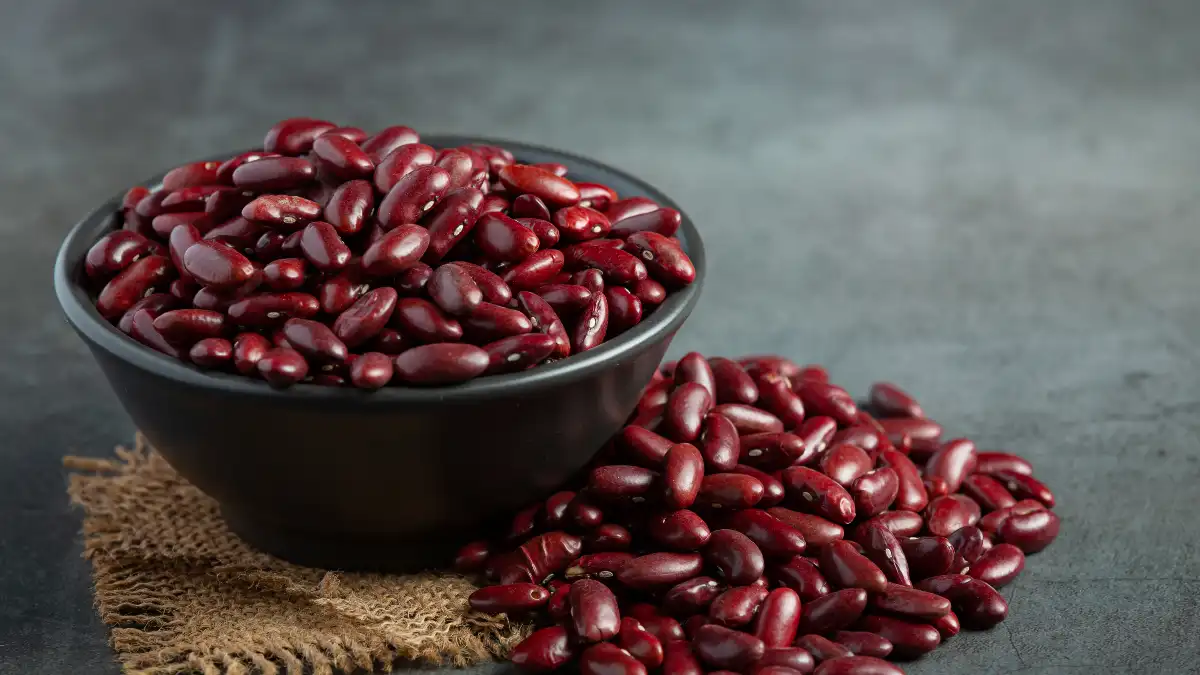
7.5g fiber per ½ cup.⁸ Black beans give you fiber and plant based protein together. That combination is powerful for blood sugar control. They also contain resistant starch, a special type of carbohydrate that your body doesn’t fully digest, so it doesn’t spike your blood sugar at all.⁸
Mix black beans, corn, and salsa for a quick burrito bowl base. Takes under 5 minutes.
5. Chickpeas
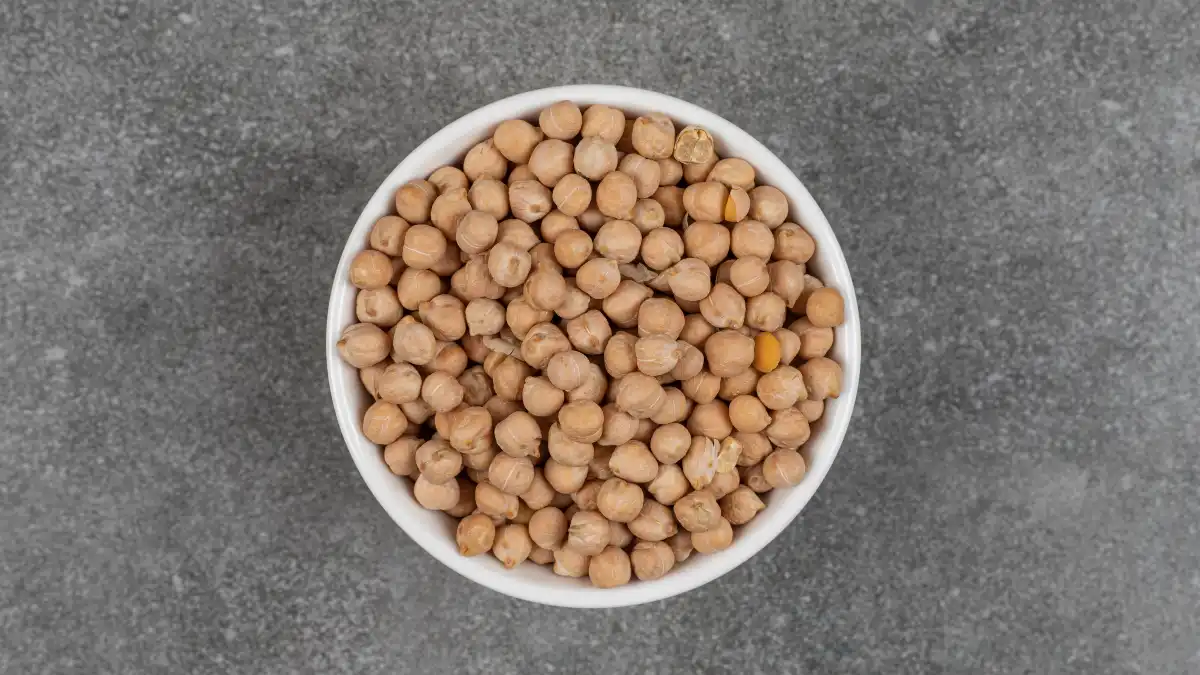
6g fiber per ½ cup.⁹ Chickpeas are packed with both fiber and protein. They digest slowly and keep you full for a long time, which means fewer snack cravings between meals. Stable blood sugar, stable energy.
You can roast them for a crunchy snack or toss them into almost anything. Roast canned chickpeas with olive oil and paprika at 400°F for 25 minutes. Great desk snack that won’t cause a crash.
6. Brown Rice
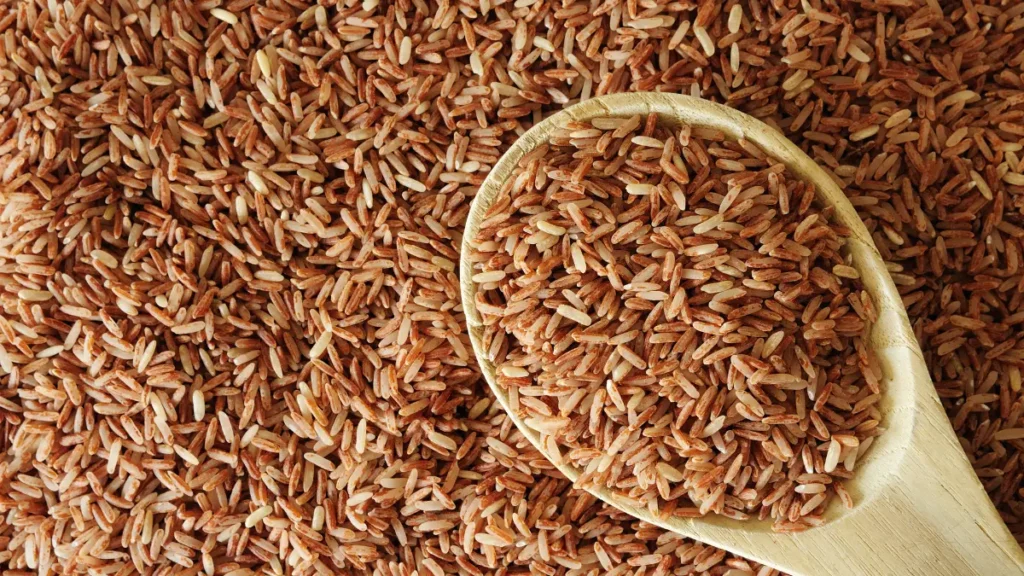
3.5g fiber per cup cooked.¹⁰ Brown rice has almost 3 times the fiber of white rice. It takes longer to digest, so energy is released gradually instead of all at once. White rice has a high glycemic index, around 73. Brown rice is lower, around 68, which still puts it in the medium range.¹¹
That difference shows up directly in how you feel two hours after lunch. Cook a big batch on Sunday. Reheat throughout the week. It’s the easiest single swap you can make.
Fiber-Rich Fruits & Vegetables
Fruits and vegetables often get credit for vitamins. But the fiber in them is just as important. These six are among the most effective for keeping your energy steady.
7. Avocado
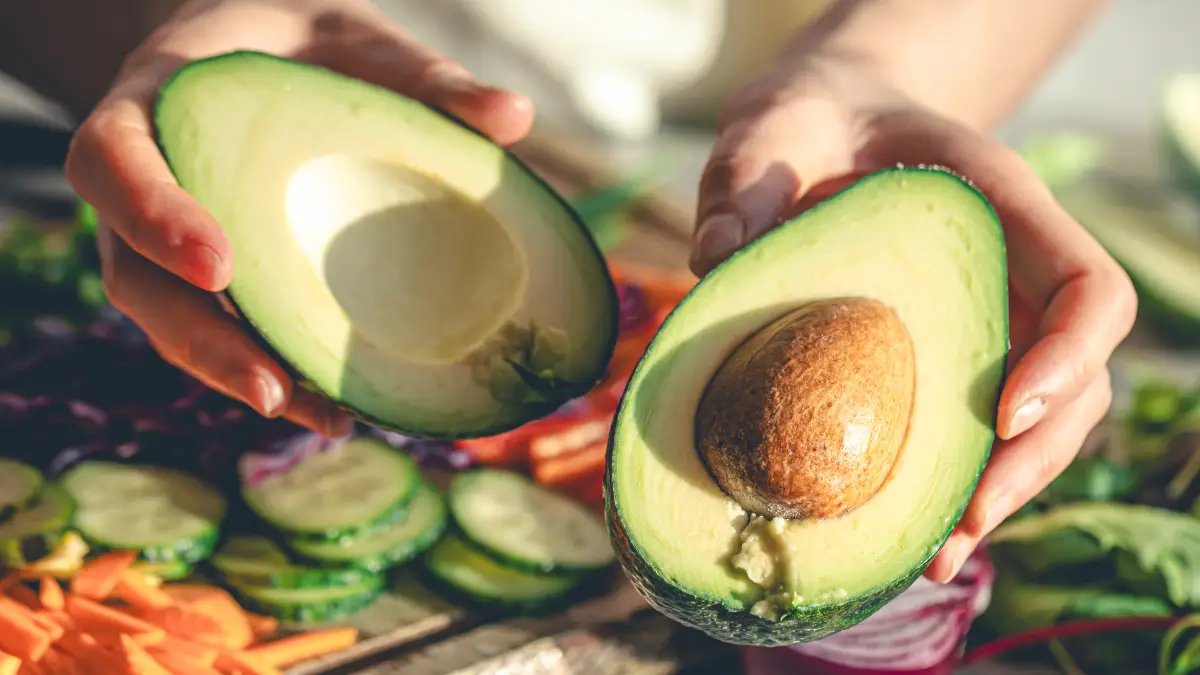
10g fiber per whole medium avocado.¹² A whole medium avocado has about 10 grams of fiber, more than most people expect from a fruit. It also has monounsaturated fats, which slow digestion even further.¹²
That combination of fiber and healthy fat makes avocado one of the most effective foods for preventing afternoon energy dips. Add half an avocado to your lunch on toast, in a salad, or alongside eggs. You’ll feel the difference by 3 PM.
8. Raspberries & Blackberries
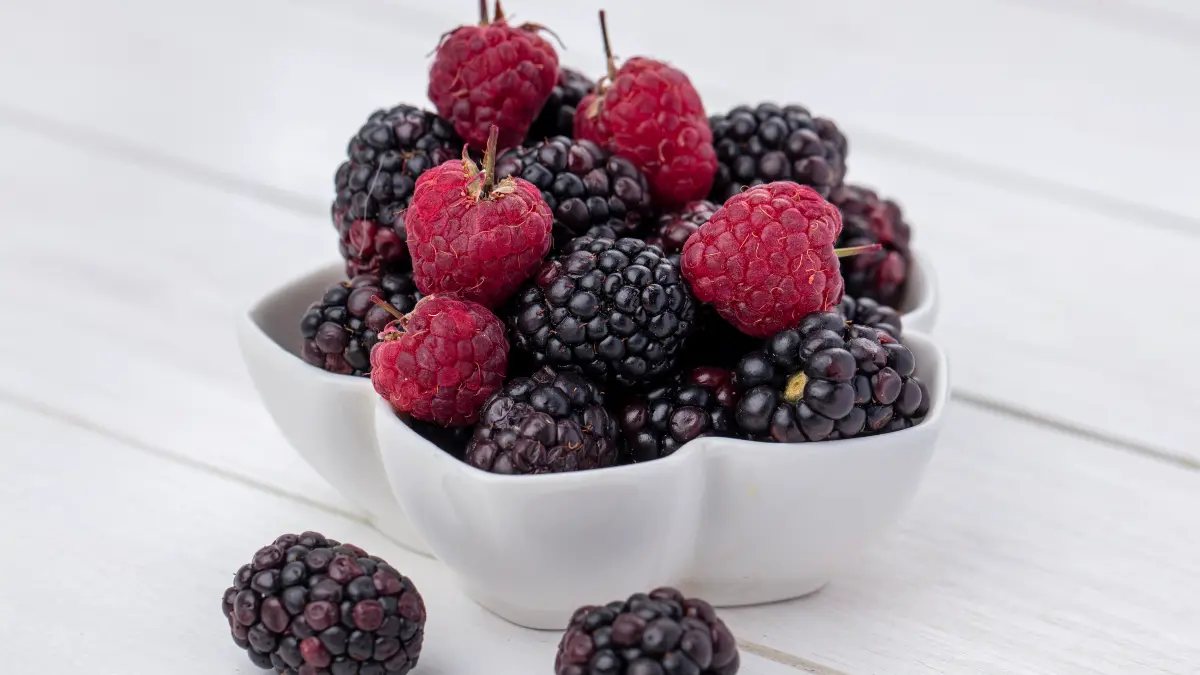
8g fiber per cup of raspberries.⁵ Raspberries are one of the highest fiber fruits you can eat, with 8 grams per cup. Most fruits have 2 to 3 grams. The fiber in berries slows how quickly their natural sugars hit your bloodstream.
You get the sweetness without the spike. Blackberries are equally good at 7.6 grams per cup.⁵ Add a cup of berries to your morning oatmeal or blend them into a smoothie with protein powder.
9. Apple (with the skin on)
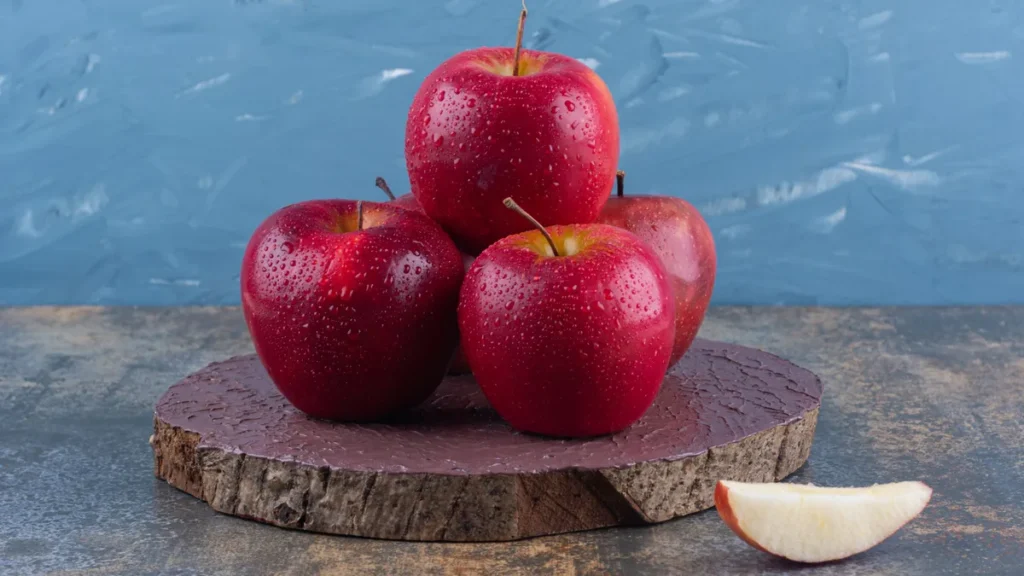
4.4g fiber per medium apple, skin on.⁵ Most of an apple’s fiber is in the skin. Peel it, and you lose a significant portion. Apples contain pectin, a soluble fiber that helps keep you full longer.⁵ An apple by itself is decent.
An apple with almond butter is much better, because you’re adding protein and fat to the fiber. Keep apples at your desk. Pair with 1 to 2 tablespoons of nut butter for a 3 PM snack that doesn’t crash you.
10. Sweet Potato
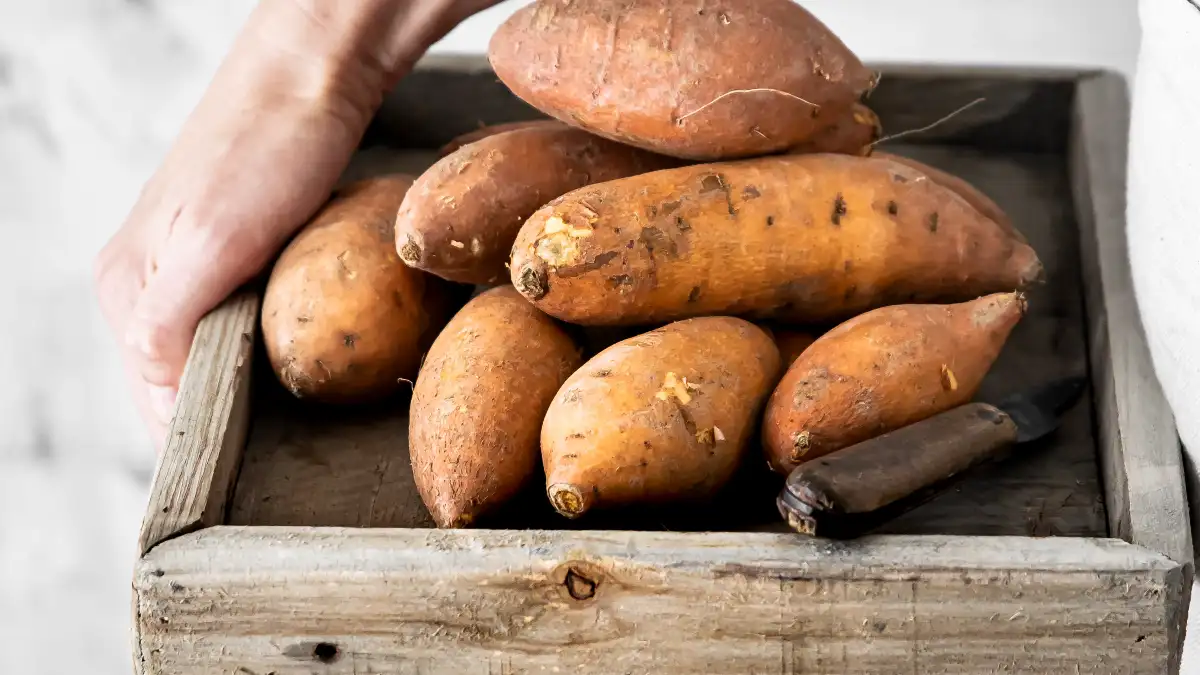
4g of fiber per medium sweet potato, skin on.⁵ Sweet potatoes give you complex carbohydrates that release energy slowly. They have a much lower glycemic index than regular white potatoes. The fiber slows digestion, and the natural sweetness means you don’t need to add sugar to feel satisfied.
They’re one of the best lunch or dinner foods for afternoon energy. Bake a batch of sweet potatoes at the start of the week. Eat them with black beans and avocado for a complete, energy stable meal.
11. Broccoli
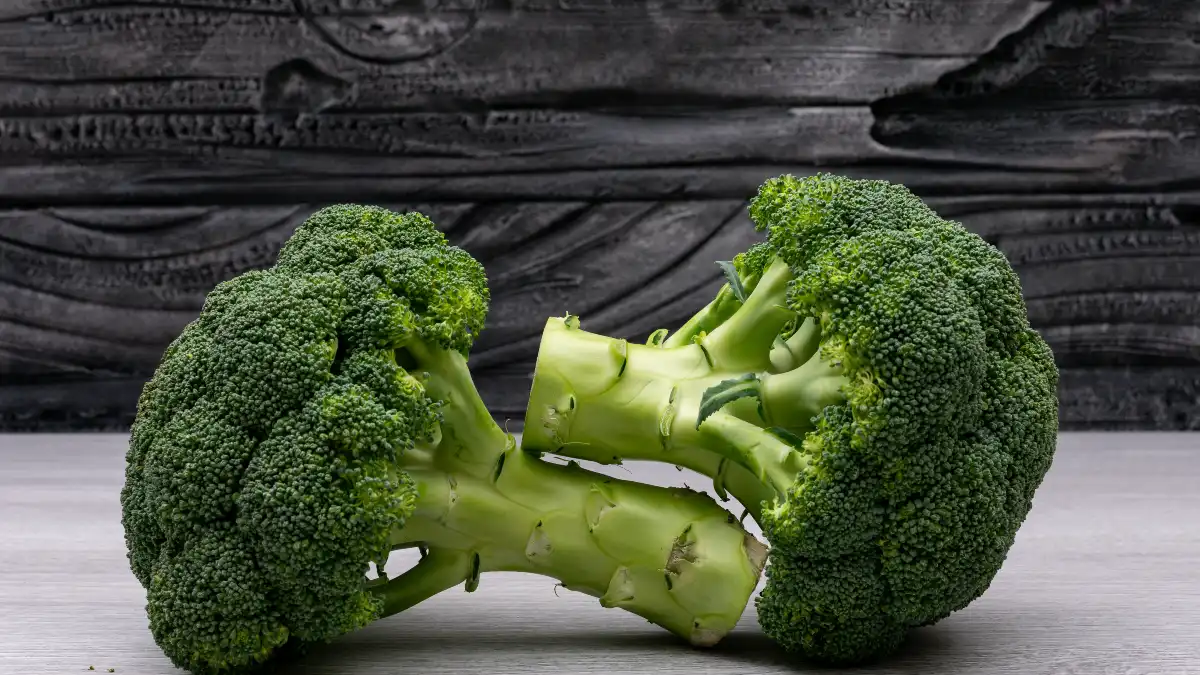
5g fiber per cup cooked.⁵ Broccoli has more fiber per calorie than almost any other vegetable. It also contains nutrients that support blood sugar control. Adding broccoli to a meal is like adding a built in blood sugar buffer.
It slows the absorption of everything else on your plate. Steam frozen broccoli and add it to any meal. Takes 4 minutes. No prep. The difference in how you feel is real.
12. Spinach
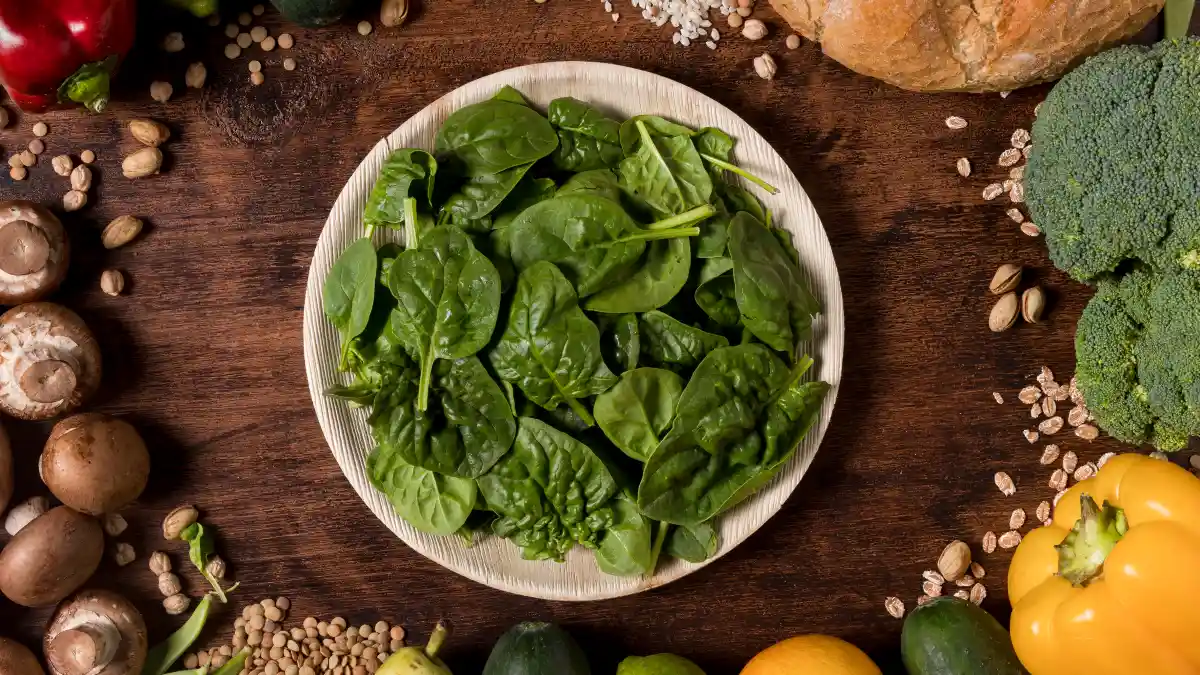
4g fiber per cup cooked.¹³ Spinach is high in both fiber and iron. Here’s why iron matters for energy: iron helps your red blood cells carry oxygen to every cell in your body.¹⁴ Without enough iron, cells produce less energy.
Low level iron deficiency is a common and easily missed cause of fatigue, and spinach addresses both the fiber gap and the iron gap at once.¹⁴
Add spinach to scrambled eggs, smoothies, or pasta. It wilts to almost nothing when cooked, so you can add a lot without noticing.
Fiber-Rich Seeds & Smart Snacks
The right snacks between meals are just as important as the meals themselves. These three options are easy to keep nearby and none of them will cause a crash.
13. Chia Seeds
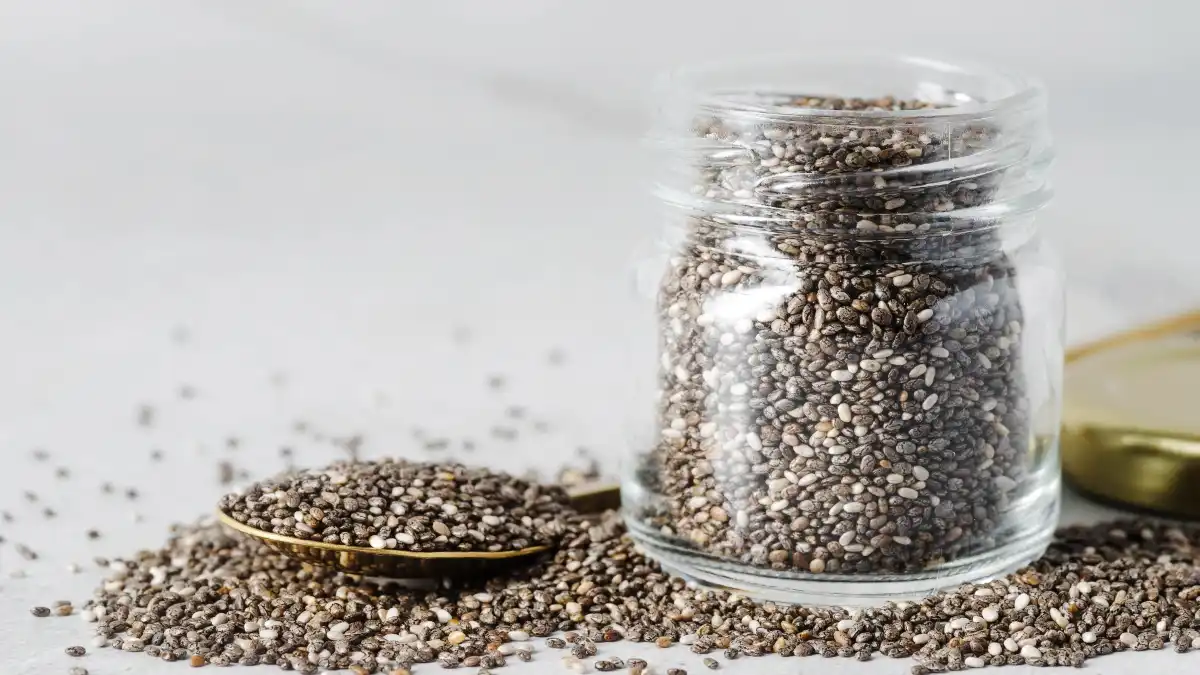
10g fiber per ounce.¹⁵ One ounce of chia seeds has 10 grams of fiber. That’s more than most people get from an entire meal. Chia seeds also absorb water and form a gel, which slows digestion.
They also contain omega 3 fatty acids, plus protein that helps steady blood sugar for lasting energy.¹⁶ Add them to anything. They have almost no taste. Mix 2 tablespoons of chia seeds into yogurt, oatmeal, or a smoothie. You won’t taste them, but you’ll feel the difference.
14. Almonds
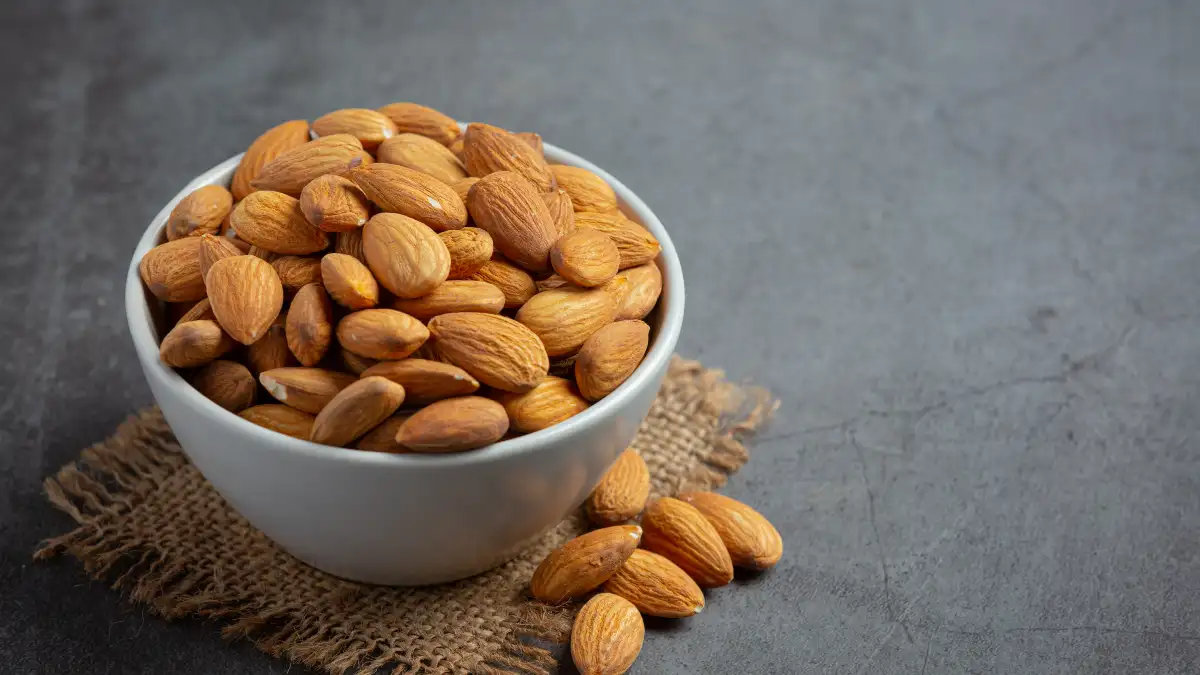
3.5g fiber per ounce, about 23 almonds.¹⁷ Almonds give you fiber, protein, and healthy fats in one small handful. They also contain magnesium, and fatigue is one of the symptoms of magnesium deficiency.¹⁹
A small handful of almonds between meals keeps blood sugar stable and prevents that hangry feeling that leads to bad food choices. Pre portion almonds into small bags or containers at the start of the week. Keep one at your desk and one in your bag.
15. Air-Popped Popcorn

3.5g fiber per 3 cup serving.¹⁸ This one surprises people. Plain air popped popcorn is a whole grain. Three cups have 3.5 grams of fiber and around 90 calories air-popped.¹⁸ It’s light, crunchy, and actually filling.
Plain popcorn is a smart desk snack that won’t make you crash. Get an air popper or a microwave popcorn bowl. Pop a batch, add a little salt, and use it as your afternoon snack instead of chips or crackers.
3 Simple Rules to Get the Most Out of These Foods
Knowing the right foods is half the battle. Here’s how to get the most out of them.
Talk to your doctor before making major changes to your diet if you’re managing a chronic condition, on medication, or have a history of digestive issues.
1. Eat fiber first
Start every meal with your highest fiber item: a salad, some vegetables, or a broth based soup. This creates a fiber buffer in your gut before the rest of your food arrives. Everything that follows enters your bloodstream more slowly.
2. Pair fiber with protein and fat
Fiber alone works. Fiber, plus protein and healthy fat, works much better. This trio slows digestion from three different angles at once. Think: lentil fiber + chicken protein + avocado fat. Or oatmeal fiber + eggs protein + almond butter fat. Build every meal around all three.

3. Drink water with your fiber
Fiber needs water to move through your system properly. Without enough water, fiber can actually slow you down, causing bloating and sluggishness. Drink at least 8 ounces of water with every fiber heavy meal.
And stay hydrated throughout the day, because dehydration alone causes fatigue that mimics a food coma.
Your 1:30 PM Meeting Does Not Have to Hurt
Food comas are real. They’re not a sign of weakness or laziness. They’re a biological response mostly driven by blood sugar spikes that happen when you eat low fiber, refined foods.
The fix is straightforward: eat more fiber packed foods, pair them with protein and fat, drink enough water, and start your meals with fiber first.
The 15 foods in this guide are all normal, affordable, and easy to find. Most of them are probably already in your kitchen or a nearby store. You don’t need a complete overhaul. You need a few consistent changes that compound over time.
Start with one swap this week, try oatmeal instead of toast, or add a handful of raspberries to your lunch. Small changes add up faster than you think. One consistent choice at a time is all it takes.
References
- Dahl WJ, Stewart ML. Position of the Academy of Nutrition and Dietetics: Health Implications of Dietary Fiber. Journal of the Academy of Nutrition and Dietetics. Vol. 115, issue 11, pages 1861-1870. November 2015. https://doi.org/10.1016/j.jand.2015.09.003
- Kasubuchi M, Hasegawa S, Hiramatsu T, Ichimura A, Kimura I. Dietary Gut Microbial Metabolites, Short-chain Fatty Acids, and Host Metabolic Regulation. Nutrients, MDPI. 2015;7(4):2839-2849. https://doi.org/10.3390/nu7042839
- Mao T, Huang F, Zhu X, Wei D, Chen L. Effects of dietary fiber on glycemic control and insulin sensitivity in patients with type 2 diabetes: A systematic review and meta-analysis. Journal of Functional Foods. Vol. 89, article 104500. July 2021. https://doi.org/10.1016/j.jff.2021.104500
- Bryan L. Why You Get Sleepy After Eating. Medically reviewed by Lulu Guo, MD. Sleep Foundation. Updated 28 October 2025. https://www.sleepfoundation.org/nutrition/why-do-i-get-sleepy-after-eating
- What Foods Are High in Fiber? Featuring Anna Taylor, RD, LD. Cleveland Clinic Health Essentials. 17 June 2026. https://health.clevelandclinic.org/high-fiber-foods
- Hollimon N. Benefits of Quinoa for Low-Carb and GI-Friendly Diets. Medically reviewed by Michael Dansinger, MD. WebMD. 25 May 2026. https://www.webmd.com/diabetes/quinoa-benefits-low-carb-gi-friendly-diets
- Ramdath DD, Liu Q, Donner E, Hawke A, Kalinga D, Winberg J, Wolever TMS. Investigating the relationship between lentil carbohydrate fractions and in vivo postprandial blood glucose response by use of the natural variation in starch fractions among 20 lentil varieties. Food & Function, Royal Society of Chemistry. 2017;8(10):3783-3791. https://doi.org/10.1039/c7fo00972k
- Are Black Beans Healthy? Nutrition, Benefits, and More. Healthline. https://www.healthline.com/nutrition/are-black-beans-healthy
- Elliott B, Ajmera R. 10 Science-Backed Benefits of Chickpeas. Medically reviewed by Sade Meeks, MS, RD. Healthline. Updated 23 February 2023. https://www.healthline.com/nutrition/chickpeas-nutrition-benefits
- Rusnak R, RD, LDN. High-Fiber Foods List: 30 Best Sources to Add Today. Clean Eatz Kitchen. 5 August 2026. https://www.cleaneatzkitchen.com/a/blog/high-fiber-foods-list
- Klein S. Brown rice versus white rice: A head-to-head comparison. Reviewed by Teresa Fung, ScD, RD. Harvard Health Publishing, Harvard Medical School. 8 November 2024. https://www.health.harvard.edu/diet-and-nutrition/brown-rice-versus-white-rice-a-head-to-head-comparison
- Avocados. The Nutrition Source, Harvard T.H. Chan School of Public Health. Last reviewed April 2022. https://nutritionsource.hsph.harvard.edu/avocados/
- Spinach, cooked, boiled, drained, without salt. FoodData Central, SR Legacy, FDC ID 168463. U.S. Department of Agriculture, Agricultural Research Service. Published 1 April 2019. https://fdc.nal.usda.gov/food-details/168463/nutrients
- Raja NP, Kandagari N. Iron deficiency without anemia: An underrecognized and undertreated clinical condition with special focus on colorectal cancer. Clinical Hematology International. Vol. 8, no. 3, 2026, pp. 18-27. https://doi.org/10.46989/001c.165952
- Chia Seeds. FoodData Central, FDC ID 170554. U.S. Department of Agriculture, Agricultural Research Service. https://fdc.nal.usda.gov/food-details/170554/nutrients
- Restivo J. Chia seed benefits: What you need to know. Reviewed by Teresa Fung, ScD, RD. Harvard Health Publishing, Harvard Medical School. 21 February 2024. https://www.health.harvard.edu/diet-and-nutrition/chia-seed-benefits-what-you-need-to-know
- Health Benefits of Almonds. Healthline. https://www.healthline.com/nutrition/9-proven-benefits-of-almonds
- Frey M. Popcorn Nutrition Facts and Health Benefits. Medically reviewed by Jonathan Valdez, RDN, CDCES, CPT. Verywell Fit. Updated 10 June 2024. https://www.verywellfit.com/popcorn-nutrition-facts-calories-and-health-benefits-4111296
- Low Magnesium (Magnesium Deficiency) Symptoms. Healthline. https://www.healthline.com/nutrition/magnesium-deficiency-symptoms