

In a world of $15 green juices and $8 avocado toasts, the real health revolution isn’t happening in trendy health boutiques. It is happening in the “boring” aisles of your local grocery store. As we navigate the food inflation of 2025, many have begun to view “eating clean” as a luxury reserved for the wealthy, leading to a dangerous reliance on processed convenience foods.
The latest research from nutritionists tells a different story. You don’t need a six figure salary to achieve peak wellness; you need a return to the basics. There are 7 superfoods under $1 per serving that actually outshine expensive synthetic supplements in clinical benefits.
These nutrient dense foods provide the foundation for metabolic health, brain focus, and longevity. In this guide, we will break down why these budget friendly nutrition staples are the smartest investments you can make for your body this year.
Eggs: The “Gold Standard” of Cheap Protein
Cost: ~$0.25 per serving

Despite decades of debate, the egg has emerged in 2025 as the ultimate “multivitamin in a shell.” A 2024 study published in the journal Nutrients reaffirmed that egg protein is the most bioavailable protein for humans, meaning your body absorbs and utilizes it more efficiently than almost any plant or meat alternative.
Beyond muscle maintenance via high quality leucine, eggs are a critical source of choline. With cognitive burnout becoming a primary health concern in 2025, choline is essential; it serves as a precursor to acetylcholine, the neurotransmitter responsible for memory and focus. According to researchers at Inner body Research, choline is also vital for liver function, preventing fat buildup. Each egg also provides a rare natural source of Vitamin D, which is essential for immune resilience.
Don’t skip the yolk that’s where the choline and healthy fats live.
2 Minute Recipe: Soft boil two eggs for a portable, high protein snack that costs less than a pack of gum.
Lentils: The Heart Healthy Fiber Powerhouse
Cost: ~$0.15 per serving
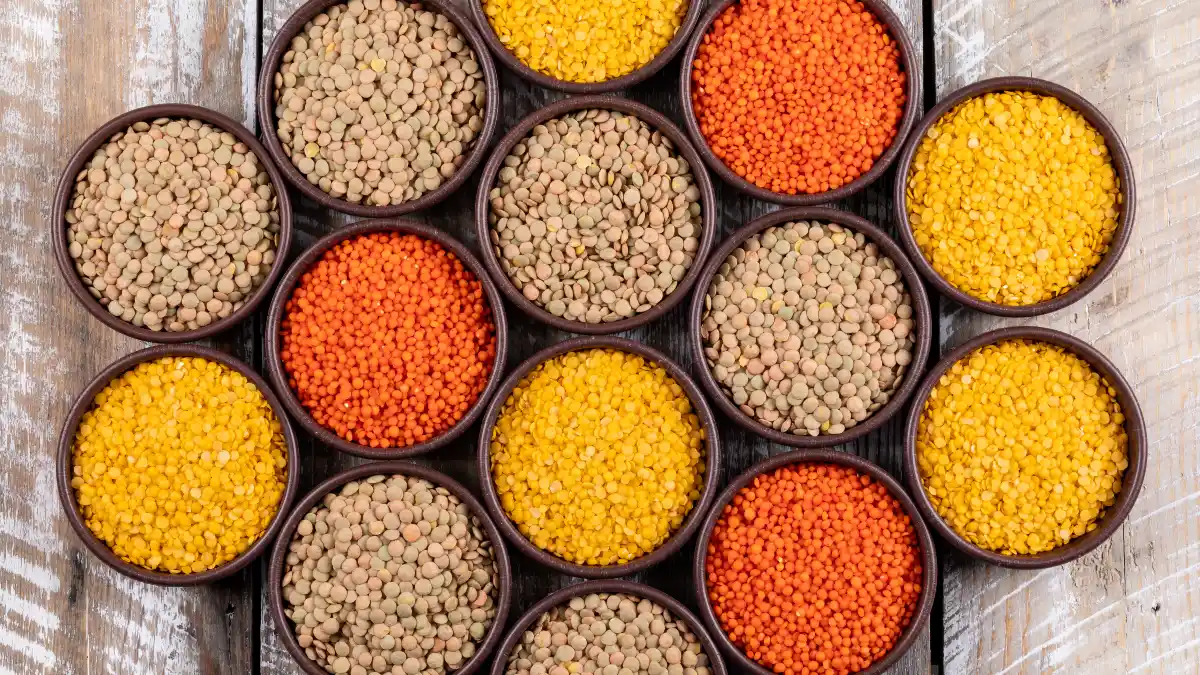
2025 has been dubbed the “Year of the Pulsetarian” by nutrition experts at the University of Reading, as more people swap expensive meats for affordable lentils. These legumes are a nutritional powerhouse, offering 18g of plant based protein and a staggering 15g of fiber per cooked cup.
Lentils are one of the most effective high fiber foods for stabilizing the gut microbiome. The European Journal of Nutrition recently highlighted that regular pulse consumption is associated with a significantly lower risk of colorectal cancer and cardiovascular disease. Furthermore, for those struggling with the “2025 energy slump,” lentils provide a steady supply of iron and folate, ensuring your blood oxygen levels and energy stay consistent without the crash of caffeinated snacks.
Red lentils cook in just 15 minutes and “melt” into soups, making them perfect for thick, creamy textures without added dairy.
Oats: The Blood Sugar Stabilizer
Cost: ~$0.12 per serving
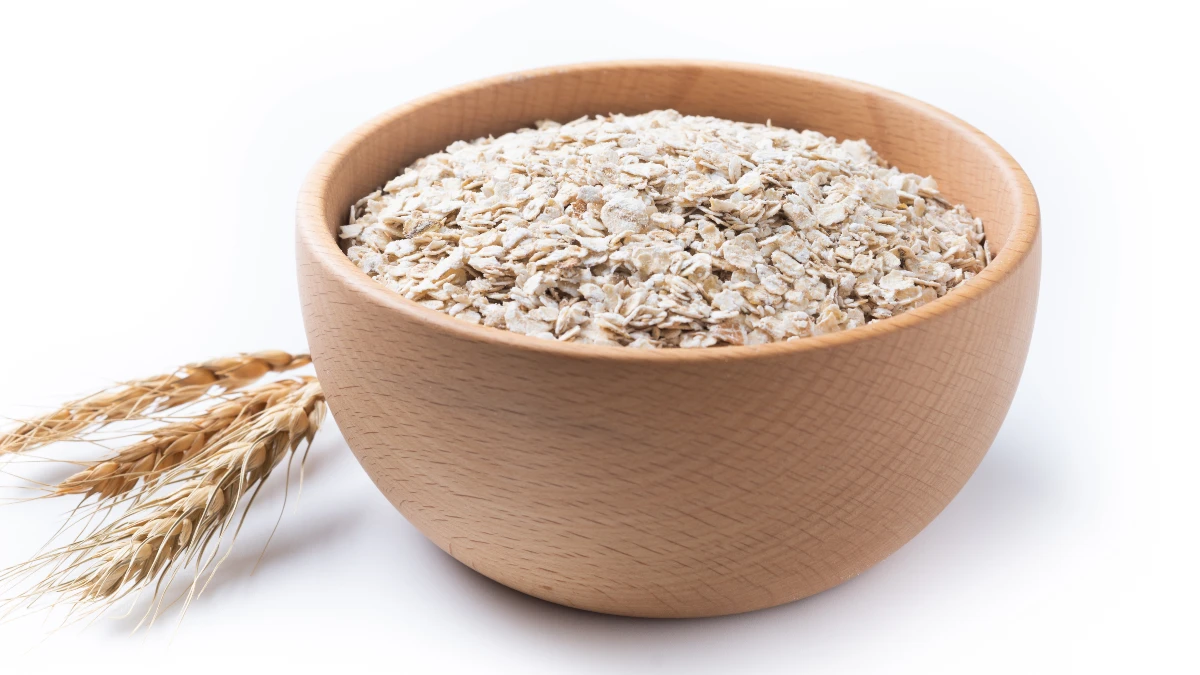
If you want to master your metabolic health in 2025, look no further than the humble oat. This whole grain is famous for beta glucan, a type of soluble fiber that acts like a sponge in your digestive tract. The Harvard T.H. Chan School of Public Health reports that this specific fiber binds to cholesterol rich bile acids and sweeps them out of the body, effectively lowering LDL (“bad”) cholesterol.
Oats also rank high for budget friendly nutrition because of their “resistant starch” content, which feeds the beneficial bacteria in your gut. This doesn’t just help digestion; it prevents the sharp insulin spikes that lead to brain fog and weight gain. Whether you prefer them sweet or as a savory “oatotto,” they provide lasting energy for pennies.
Avoid “instant” packets with added sugar; buy large canisters of rolled or steel cut oats for the best price and glycemic control.
Cabbage: The Longevity Vegetable
Cost: ~$0.20 per serving
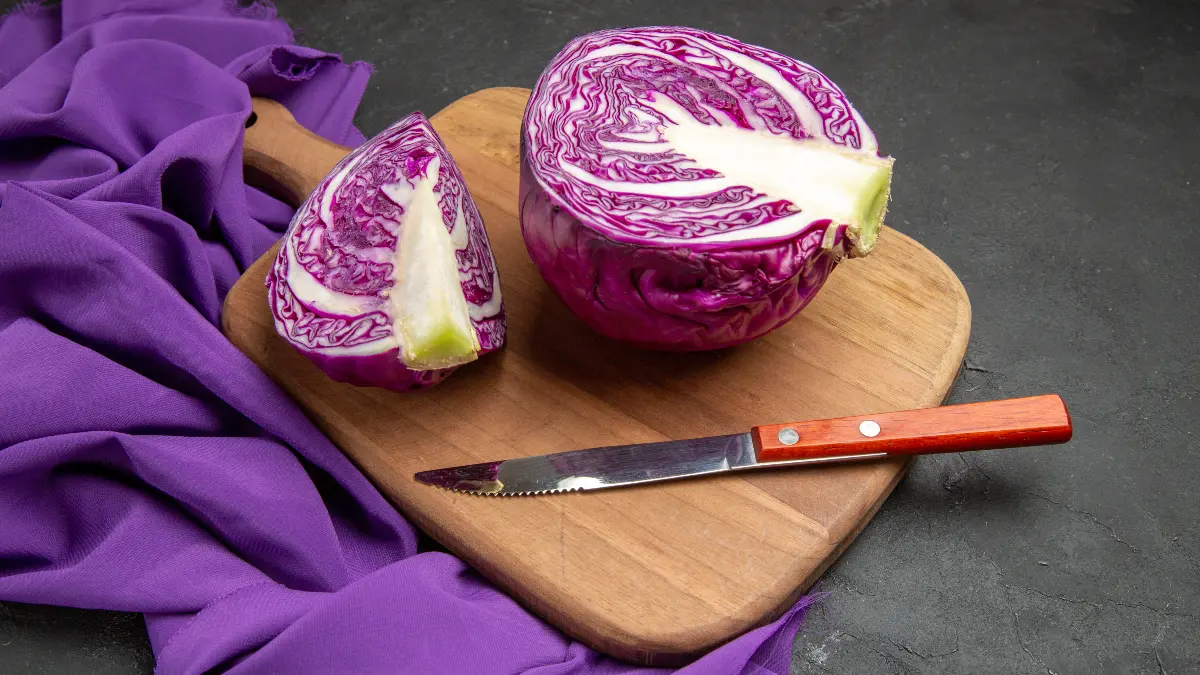
While kale gets all the marketing, cabbage is the true “longevity vegetable” of 2025. As a member of the cruciferous vegetables family, cabbage is rich in sulforaphane—a compound that research from the Journal of Food Science and Technology suggests can help the liver detoxify and may reduce the risk of certain cancers.
Cabbage is also an incredible source of Vitamin K, which is essential for bone density and heart health. Unlike delicate leafy greens that wilt in days, a head of cabbage can last 3–4 weeks in your fridge, virtually eliminating food waste. It provides more Vitamin C per dollar than almost any other produce item, supporting skin elasticity and immune function.
Ferment your cabbage into simple sauerkraut to add a massive dose of probiotics to your diet for free.
Carrots: The Eye & Skin Guardian
Cost: ~$0.10 per serving

Carrots are often overlooked because of their simplicity, but they are a powerhouse for skin health and vision. They are the primary dietary source of beta carotene, which the body converts into Vitamin A. Just one medium carrot provides over 100% of your daily Vitamin A requirement, which is essential for maintaining a strong intestinal lining your first line of defense against illness.
Recent 2025 dietary guidelines emphasize that carrots are equally beneficial whether raw or lightly cooked; in fact, cooking carrots with a tiny amount of fat (like olive oil) actually increases the absorption of their antioxidants. At roughly ten cents per serving, they are the most affordable way to “eat your sunscreen” and protect your skin from oxidative stress.
Canned Tuna (Chunk Light): The Omega-3 Shortcut
Cost: ~$0.90 per serving
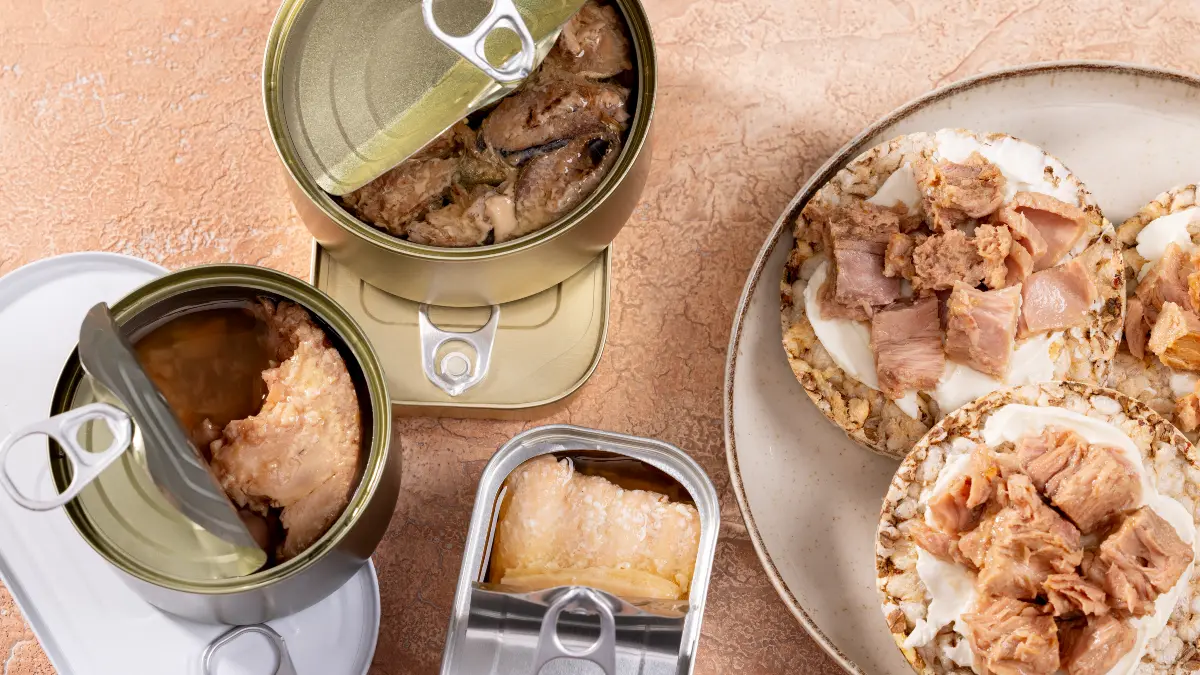
In 2025, wild caught fresh fish has become a luxury. However, canned tuna (specifically Chunk Light) remains a strategic “Omega-3 shortcut.” While “Albacore” is popular, nutritionists recommend “Chunk Light” because it typically uses smaller Skipjack tuna, which are lower in mercury and more sustainable.
Tuna provides roughly 20g of lean protein per 3 ounce serving and is rich in EPA and DHA omega-3 fatty acids. These fats are non negotiable for brain health, reducing inflammation and supporting mood regulation. It’s a shelf stable superfood that ensures you always have a high protein, heart healthy meal ready in seconds.
Sweet Potatoes: Nature’s Multivitamin
Cost: ~$0.50 per serving
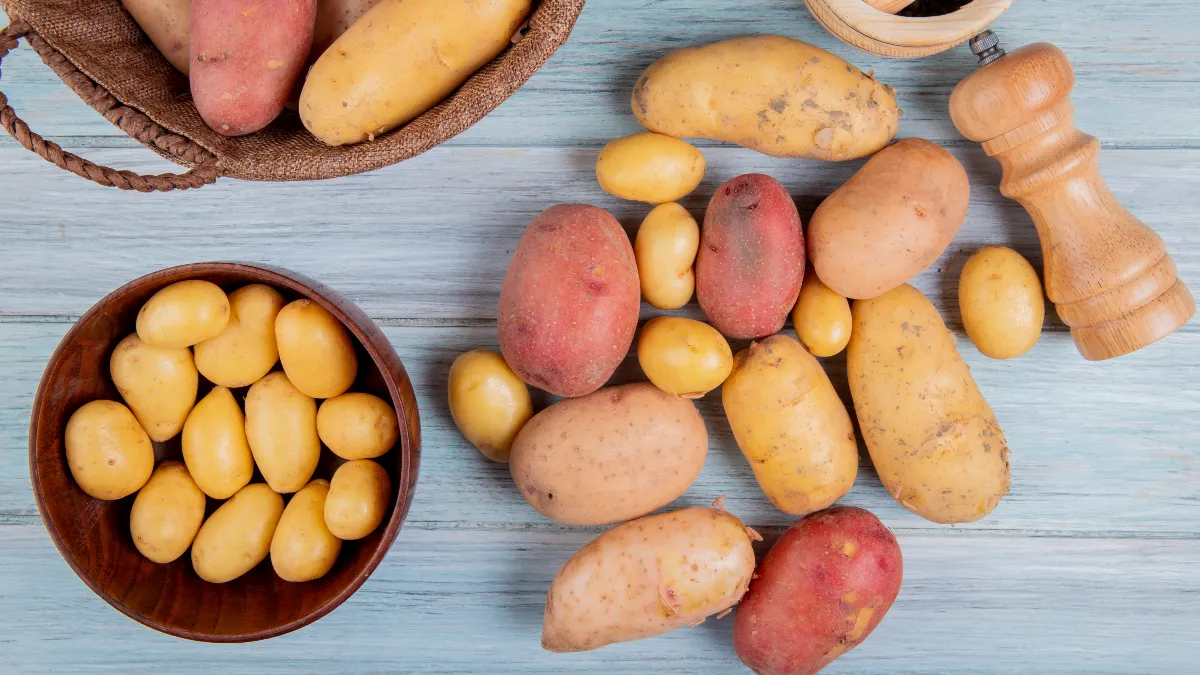
The Center for Science in the Public Interest (CSPI) has consistently ranked the sweet potato as the #1 most nutritious vegetable. These are complex carbohydrates in their purest form, providing steady energy without the blood sugar “rollercoaster” of white bread or pasta.
Packed with potassium rich minerals, sweet potatoes help regulate blood pressure and balance out the high sodium found in many modern diets. They are also loaded with anthocyanins (especially the purple varieties), which act as powerful antioxidants to fight cellular aging.
3. Conclusion
Elite Health 2025
The 2025 Challenge
Skip the expensive protein bars! Grab a carton of eggs or a bag of lentils this week. Your wallet and cells will thank you.
Achieving elite health in 2025 doesn’t require “biohacking” with expensive supplements or shopping at premium boutiques. By returning to these 7 superfoods under $1, you can provide your body with the protein, fiber, and micronutrients it needs to thrive. Affordable healthy eating is about strategy, not status.
Your 2025 Challenge: This week, skip the expensive pre packaged protein bars and grab a carton of eggs or a bag of lentils instead. Your wallet and your cells will thank you.