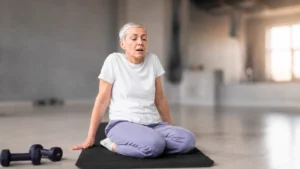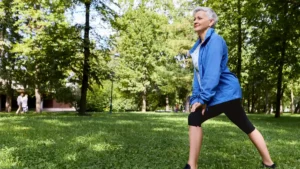
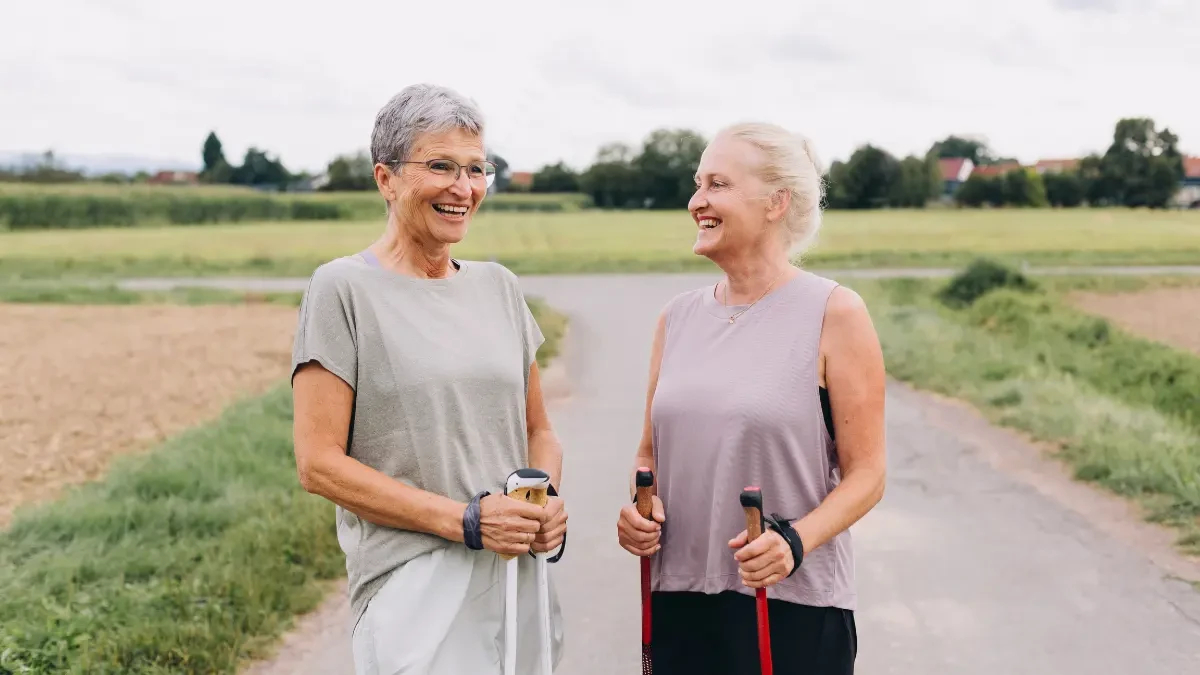
6,000, 8,000 Steps/day sweet spot for adults 60+ ~47%Lower early death risk at 7,000 steps. In 1965, the 10,000-step rule was invented, 57Studies reviewed in the 2025 Lancet analysis. You check your fitness tracker at 9 p.m. It says 6,200 steps. You feel like you failed.
Here’s something that might change how you think about that number forever: the 10,000-step goal was never based on science. It was a marketing slogan from a Japanese pedometer company, created in 1965 to sell a product. No research backed it. No doctor invented it.
Yet it quietly became the global standard for health, built into every fitness tracker you own.
The good news? Recent research tells a very different story. One that’s much more achievable and much more honest about what actually helps your body after 50.
Where Did the 10,000-Step Rule Come From?
In 1965, a Japanese company launched a pedometer called the Manpo-kei. Translated to English, that name means 10,000 steps per meter.
The number was chosen because it sounded good and felt motivating in Japanese culture, not because any study showed 10,000 was the magic number for health.
The device sold well. The idea spread. Decades later, Fitbit launched in 2009. Apple Watch arrived in 2015.
Both came preloaded with a default goal of 10,000 steps. Millions of people accepted it as medical advice. It wasn’t. The first serious challenge came from Harvard Medical School.
In a 2019 study tracking 16,741 older women, researchers found that health benefits leveled off well before 10,000. They plateaued around 7,500 steps. The study didn’t suggest people walk less; it suggested the old number was never right to begin with.
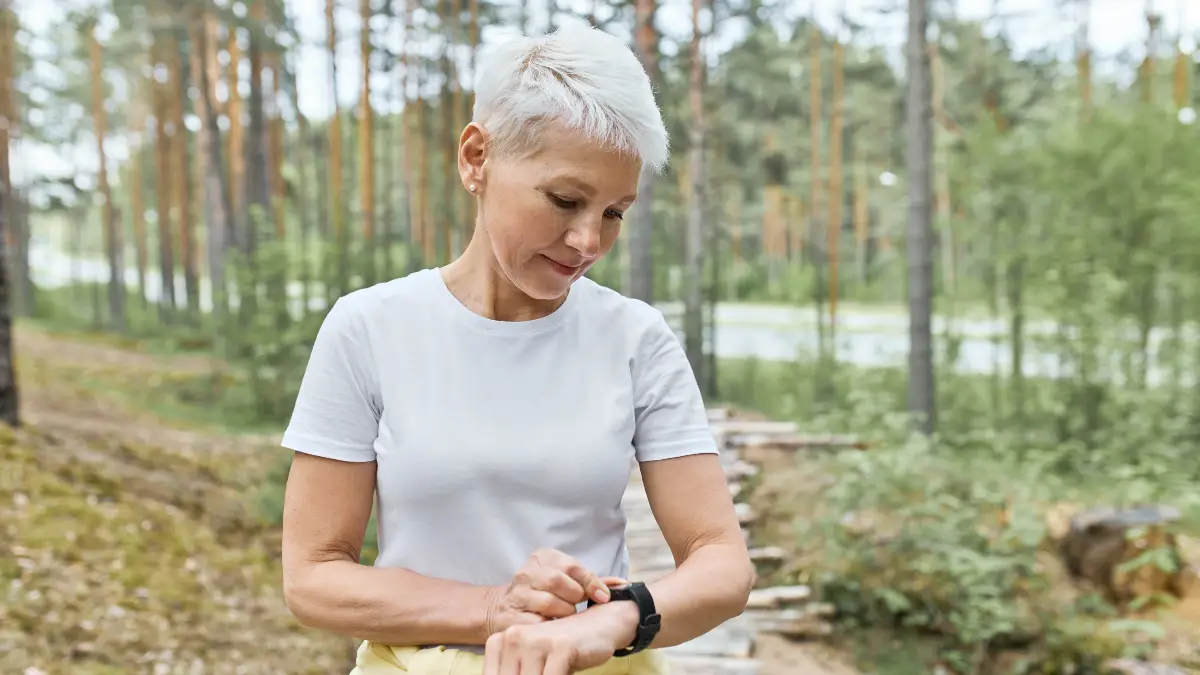
There isn’t one magic number people should aim for when it comes to step counts. Dr. Sean Heffron, Assistant Professor of Medicine, NYU Langone Health (CNN, October 2025).
What the Research Actually Shows for Adults Over 50?
Here’s what the science says when you look at real data from real people. A 2022 meta-analysis published in The Lancet pulled together 15 international studies with nearly 50,000 participants. The average participant age was 65. The finding was clear.
For adults over 60, mortality risk keeps dropping as steps increase, but only up to a point. That point is 6,000 to 8,000 steps per day. After that, the benefit flattens. You’re not gaining more health protection by pushing to 10,000 or beyond.
| Daily Steps | What the Research Shows | Best For |
|---|---|---|
| 4,000–5,000 | Significant drop in early death risk vs. sedentary lifestyle | Starting point — great baseline |
| 6,000–8,000 | Maximum longevity benefit; benefits plateau here | Adults 60 and older |
| 8,000–10,000 | Added benefit before plateau | Adults under 60 |
| 10,000+ | Little additional longevity gain after 60 | Fine if you enjoy it — not required |
A 2025 University of Sydney review of 57 studies across 14+ countries found that walking 7,000 steps per day cuts the risk of early death by nearly half.
It also reduced cardiovascular disease, dementia risk, depression, and cancer risk. Source: The Lancet Public Health, July 2025.
And if you’re not even at 4,000 yet? Don’t let that discourage you. A 2024 study in the British Journal of Sports Medicine tracked 72,000+ people for nearly 7 years.
It found that benefits started accumulating at just 2,200 steps above your current baseline. Every step genuinely counts.
Why How Fast You Walk Matters as Much as How Far?
Your tracker counts steps. It doesn’t tell you if those steps are helping your heart and brain or just your ego. Pace matters. A lot. A 2025 systematic review found that walking at moderate-to-vigorous intensity for at least 120 minutes per week produced measurable cognitive benefits in older adults.
That’s brisk walking, not a Sunday stroll through the mall.
And a study from the University of Chicago Medicine in July 2025 found something striking: older adults who increased their walking cadence by just 14 steps per minute above their normal pace saw significant improvements in physical function, even those who were frail or at risk of becoming frail.
Simple Intensity Guide: No Heart Rate Monitor Needed.
The Talk Test: Walk fast enough that holding a conversation feels easy, but singing feels impossible. That’s the moderate-intensity zone where the biggest heart and brain gains happen. Music hack: Play songs with a tempo of 120,130 BPM.
Think upbeat pop. Your body naturally matches the beat. This puts you in the right intensity range without any technology.
Sustained walking also matters. A December 2025 study using 13 years of US health data found that walking in 10-minute continuous bouts was independently linked to lower mortality even after accounting for total daily steps.
A few short walks throughout the day are good. Purposeful 10-minute stretches are better.
What Walking Alone Cannot Do for Your Body After 50?
Walking is excellent. But it has real limits, and after 50, those limits matter more than ever.
Here’s the truth: walking does almost nothing to protect your muscles and bones. After 50, adults lose 3,8% of their muscle mass per decade. After menopause, women can lose up to 20% of their bone density in just seven years.
Dr. Peter Ronai, an exercise physiologist cited by AARP in January 2026, put it plainly: walking doesn’t do a lot to help bone loss, doesn’t do a lot to address muscle loss. That’s where strength training comes in, and the research is direct.
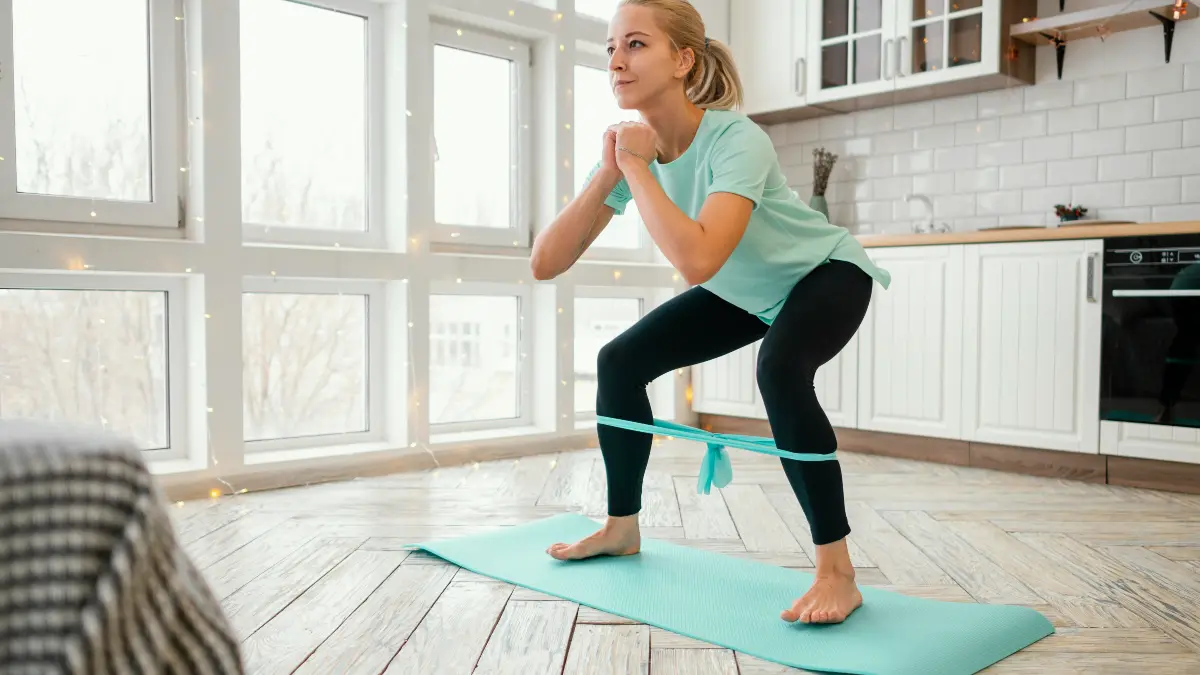
International Journal of Epidemiology (participants averaging age 70) found that any amount of resistance training lowered all-cause mortality, cardiovascular mortality, and cancer mortality. A 2025 study confirmed it also lowers blood pressure in adults 60 and over.
- Walk for your heart, brain, mood, and longevity
- Lift weights or use resistance bands for muscle, bone density, and independence
- Do balance drills (10,15 min/week) to cut your fall risk, the leading cause of injury-related death over 65
The good news: you don’t need a gym. Two 20-minute strength sessions per week using resistance bands at home are enough to see real results. That’s the minimum effective dose backed by research.
Your Simple Weekly Plan — Start This Week
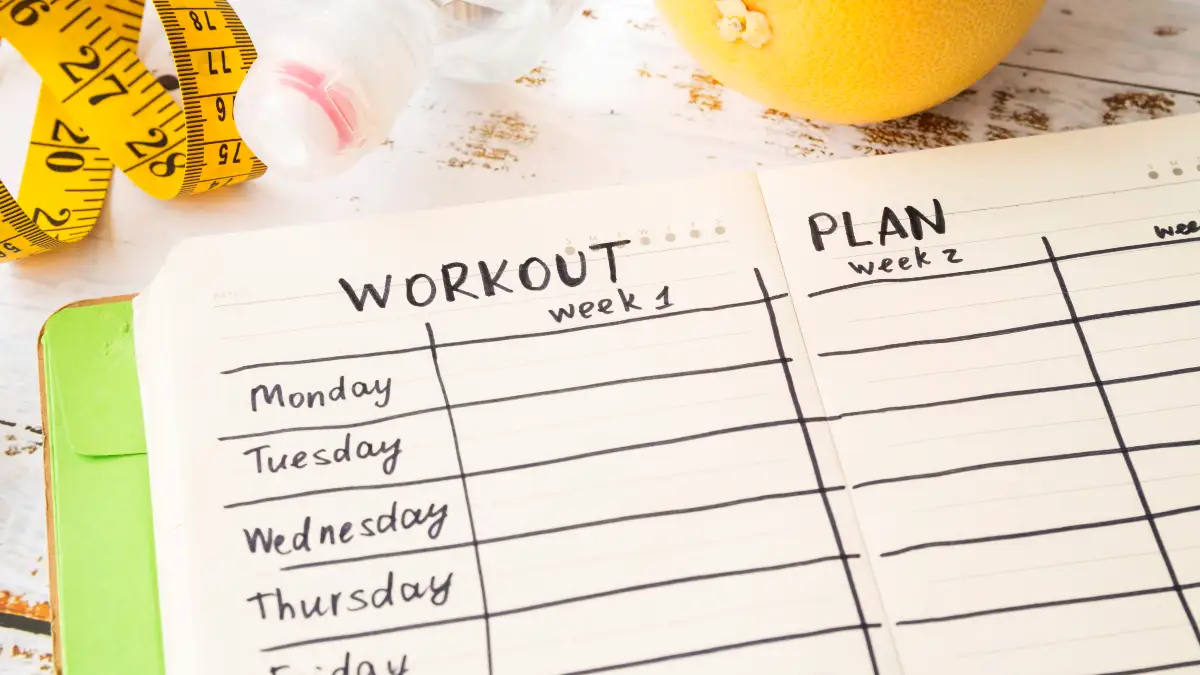
Before you change anything, do one thing right now: check your tracker and find your real daily step average from this week. Not your goal, your actual number. That is your starting line.
It doesn’t matter if it’s 2,000 or 6,500. Work from there. Then add 1,000 steps per week until you reach 6,000,8,000.
Research confirms that each 1,000-step increase above your personal baseline reduces mortality and cardiovascular risk. You don’t need to get there overnight. One more thing the research shows: you don’t have to hit your step goal every single day.
McMaster University’s Optimal Aging research (updated 2026) found that people who concentrate most of their walking in 2,3 days per week get similar longevity benefits to those who walk every day. Consistency across the week beats perfection every day.
| Mon | 20–30 min brisk walk. Aim for 2,500–3,000 steps in that single session. |
| Tue | Strength training, 20–30 min. Squats, rows, and push-ups with resistance bands or light weights. |
| Wed | Casual walk, 20 min. Add 10 min of balance and stretching. Single-leg stands count. |
| Thu | Strength training, 20–30 min. Same movements or a new set. Recovery matters, so go at your pace. |
| Fri | Longer brisk walk, 30–40 min. Play a 120–130 BPM playlist. Aim for 3,500–4,000 steps. |
| Sat | Active recovery — gardening, a casual walk, swimming, or dancing. Move without pressure. |
| Sun | Full rest or a gentle stretch session. Your body rebuilds on rest days, not just active ones. |
Find your real daily average on your tracker this week. Then add 1,000 steps per week until you reach 6,000,8,000 the research-backed longevity sweet spot for adults over 50.
Conclusion
You do not need 10,000 steps a day after 50. The research is detailed: 6,000,8,000 steps is where the real longevity benefit sits for older adults. Even 4,000,5,000 steps is dramatically better than doing nothing.
Add brisk 10-minute bouts, two strength sessions per week, and some basic balance work, and you have a complete plan. Check your tracker right now. Whatever your average is today, add 1,000 steps next week. That’s it. That’s where progress starts.
⚠️MEDICAL DISCLAIMER
This article is for informational purposes only. It does not replace medical advice, diagnosis, or treatment. The information covers step counts, walking cadence, walking intensity, strength training, resistance training, balance drills, and stretching. Individual results vary based on age, health status, and fitness level.
Before changing your exercise routine, diet, or supplement use, talk to your doctor or a qualified health professional first. If you experience chest pain, dizziness, severe joint pain, or any sudden symptom during or after exercise, stop immediately and seek medical care.