

It’s 1:00 AM, and you’re deep in a feed of global crises. Your heart is racing, your neck is sore, yet you can’t look away. You want to stop, but your thumb keeps flicking upward. Why?
This happens because of something called negativity bias. Long ago, humans had to focus on threats to stay alive. If you missed a warning about a predator, you died. Today, your phone exploits this ancient survival trait. It tricks your brain into thinking a headline about an economy 5,000 miles away is a lion outside your tent.
When you spend hours quitting doomscrolling, you aren’t just gaining free time. You are physically changing your brain. By starting a 30-day digital detox, you can calm your fear center and drop your stress levels. Here is exactly what happens inside your head when you finally put the phone down.
Your Brain on Digital Detox: The Science
Measured neurological changes during 30-day screen reduction
Reduction in cortisol levels after 2 weeks
Improvement in sleep quality reported
Average time reclaimed daily
“The amygdala, our brain’s alarm system, shows measurable calming within just 72 hours of reduced negative media exposure. It’s like turning down a fire alarm that’s been blaring for years.”
Neurological Recovery Timeline
Amygdala reactivity begins to decrease; initial withdrawal symptoms peak
Prefrontal cortex activity improves; better impulse control and focus
Baseline cortisol levels drop significantly; anxiety symptoms reduce
New neural pathways strengthen; lasting behavioral changes established
Sources: Stanford Medicine (2023), Journal of Behavioral Addictions (2024)
The Neurobiology of the Scroll: Why Your Brain is Hooked
Your brain has a “security guard” called the limbic system. Its job is to spot danger. When you scroll through bad news, this guard sounds an alarm. This sends stress signals through your body. Normally, your “thinking brain” the prefrontal cortex would tell you to relax. But the constant flood of news keeps the guard screaming. Your thinking brain eventually gives up and shuts down.
This creates a state of hypervigilance. You feel like you’re waiting for a disaster that never arrives. Even worse, tech companies use a dopamine reward circuit to keep you trapped. Every time you find a new “update” on a tragedy, your brain gets a tiny hit of dopamine. It feels like a reward for finding “valuable” information, even if that info makes you miserable.
You aren’t alone in this. Recent data shows that 31% of adults say they doomscroll regularly. It is a modern addiction that feeds on your natural instinct to survive.
Week 1: The Withdrawal and the Cortisol Spike

The first seven days are the hardest. You might feel itchy or bored. Some people feel more anxious than they did while scrolling. This is because your cortisol levels your body’s main stress hormone are messy. Your brain is used to a high speed stream of data. Without it, you feel a “void.”
You will likely face a peak in FOMO (Fear Of Missing Out). Psychologists call this an “intolerance of uncertainty.” You feel like you need to know what is happening to feel safe.
Try a technique called “urge surfing.” When you feel the need to check your phone, sit with the feeling for two minutes. Don’t fight it; just watch it pass like a wave. It’s worth the effort. A 2025 study found that just three minutes of negative news in the morning makes you 27% more likely to report having a “bad day” six hours later. By skipping the scroll, you are protecting your mood before the day even starts.
Week 2-3: The Amygdala Calms and Focus Returns
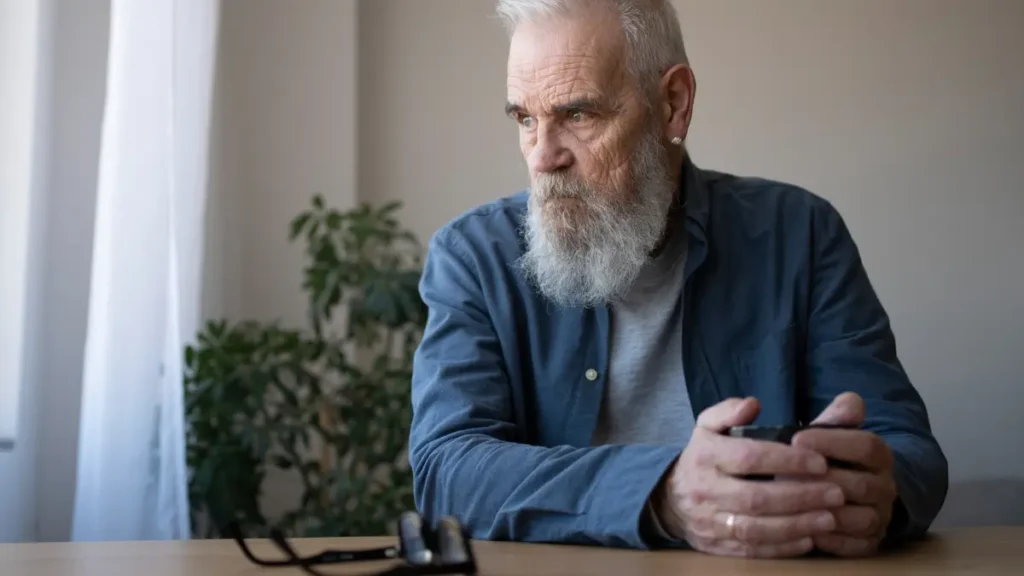
By the middle of the month, the “security guard” in your head finally takes a break. This is the amygdala reset. Since you aren’t feeding it constant threats, it stops sending out false alarms. You will notice you don’t jump as easily at loud noises or stressful emails.
Now, your prefrontal cortex starts working again. This part of the brain handles cognitive function, like making hard decisions and staying focused. You’ll find you can read a book for 20 minutes without needing to check your notifications.
Your body feels this change, too. Harvard research shows that people who cut out late-night scrolling see a 14.5% drop in insomnia within a week. Better sleep means more energy. You’ll stop feeling like a zombie and start feeling like yourself again.
Day 30: The Results of a Dopamine Baseline Reset

After 30 days, you have reached a dopamine baseline reset. Your brain no longer needs a “hit” from a screen to feel normal. Small things, like a walk outside or a conversation with a friend, start to feel rewarding again. The phone becomes a tool you use for tasks, not a leash that pulls you around.
The numbers back this up. After a month of digital detox benefits, researchers see a 16% drop in anxiety and a 24% drop in depression symptoms. You aren’t just “happier” your brain is functioning more efficiently.
Your attention span is the biggest winner. You move from “skimming” life to “experiencing” it. You can follow deep thoughts and finish projects that used to feel impossible. You have reclaimed your mental space.
H2: Why Your “Internal Clock” Finally Starts Working Again

When you doomscroll, you aren’t just hurting your mood; you are confusing your body’s natural clock. Your brain uses light and data to decide when to be alert and when to rest. The blue light from your phone and the “high-alert” news stories tell your brain it is midday, even if it is 2:00 AM. This keeps your mind racing when it should be recovering.
By the end of your 30-day reset, you will notice a massive shift in your circadian rhythm. Without the late-night stress spikes, your brain can produce melatonin naturally. This means you fall asleep faster and stay in “deep sleep” longer.
Deep sleep is when your brain physically cleans out toxins. When you stop scrolling, you give your brain the time it needs to wash away the mental fog. You’ll wake up feeling refreshed instead of reaching for your phone to get a “jolt” of morning anxiety. This natural energy is much more powerful than the fake energy you get from a stressful headline.
The 2026 Action Plan: How to Quit Without Relapsing

You don’t have to live in a cave to stay healthy. You just need a plan that works for the way we live now.
- The 80/20 Rule: Make sure 80% of what you see online is helpful or enriching (like hobbies or learning). Save only 20% for mindless entertainment.
- The 60-Minute Fast: Do not look at a screen for the first hour of your day. This prevents a morning cortisol spike.
- Go Grayscale: Turn your phone’s colors off in the settings. This makes the “threats” and “rewards” on your screen look boring, which helps break the addiction.
Conclusion
Doomscrolling doesn’t keep you informed; it just keeps you upset. It inflames your brain and steals your peace. By walking away for 30 days, you give your nervous system the chance to heal. You will sleep better, think faster, and feel more in control of your life.
Ready to start? Download our 30-day “Digital Inventory” log below to track your mood as your brain resets. It’s time to start quitting doomscrolling for good.