Imagine waking up without that heavy, stiff feeling in your knees. You didn’t take an extra pill last night. Instead, you just ate a better dinner. Most people think joint pain is just about old age or wear and tear. But science now shows your joints are often the victims of what is happening in your stomach.
This is the gut joint connection. If your gut lining is weak, toxins can slip into your blood. These toxins travel straight to your joints and cause systemic inflammation. This is the leaky gut issue you have likely heard about.
Why Your Gut Lining Controls Your Joint Pain?
Think of your gut lining like a fine mesh screen. It lets nutrients through but keeps bad bacteria out. When that screen gets holes in it, we call it intestinal permeability. In 2026, doctors look at a protein called Zonulin to find these holes. High Zonulin levels act like a key that leaves the doors of your gut wall wide open.
When these leaks happen, food particles and toxins enter your bloodstream. Your immune response sees these as invaders. Here is the scary part: some of these invaders look exactly like your joint tissue. This is Molecular Mimicry. Your body tries to attack the toxins, but hits your joints by mistake. This causes chronic joint pain that feels like it will never end.
The Science of the Gut-Joint Axis
Elevated Zonulin levels are currently the primary clinical indicator of a compromised intestinal barrier. Research suggests that modulating Zonulin can potentially reduce systemic inflammation by “re-locking” the gut gates.
Barrier Breach
Zonulin triggers the opening of “Tight Junctions,” allowing undigested proteins into the blood.
ID Confusion
Immune cells tag these proteins. Due to Molecular Mimicry, they confuse these tags with joint collagen.
Collateral Damage
The immune system launches an attack on the synovial fluid in joints, resulting in swelling and pain.
3 Red Flags That Your Pain Starts in Your Gut

How do you know if your knees hurt because of your stomach? Look for these three signs.
The Post-Meal Flare: Pay attention to how your body feels after eating. If you experience gas, bloating, or stomach discomfort followed by a sudden increase in joint stiffness, you are seeing the gut joint axis in action. When your stomach is upset, it is often a sign that the gut barrier is struggling, allowing inflammatory triggers to hit your joints within hours.
The “Inflammaging” Fog: If your aching joints come with a side of brain fog or extreme tiredness, your gut is likely the culprit. This happens because your immune system is exhausted from fighting toxins leaking into your blood. This leads to unexplained fatigue and a lack of mental clarity that a good night’s sleep just won’t fix.
The Skin and Joint Connection: Your skin is a mirror of your gut health. If you struggle with itchy patches, rashes, or eczema, and at the same time your fingers feel stiff, your gut lining is likely compromised. Many people find their knees or hands swell after eating trigger foods like high sugar snacks or certain beans, as the body mistakenly attacks its own joint tissue in response.
How to Seal Your Gut and Soothe Your Joints?
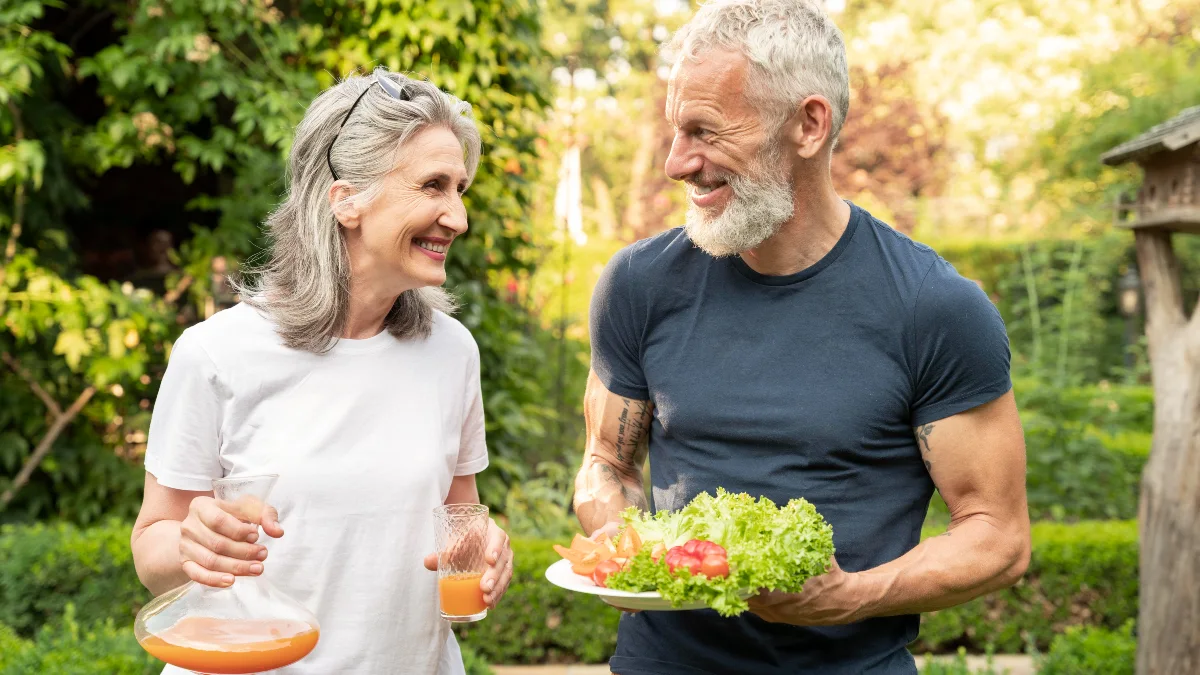
You can fix a leaky gut with a specific gut health protocol. The goal is to grow more good bacteria that protect you. Focus on butyrate. This is a special fat that your gut bacteria make. It acts like glue to seal the holes in your gut wall. In 2026, also favors a bacterium called Akkermansia.
You also need to avoid glyphosate. This is a chemical found in many weed killers used on crops. It acts like a bulldozer on your gut lining. Switch to organic grains when you can to protect your barrier. Finally, add fermented foods like sauerkraut to your plate. This is a huge win for chronic inflammation relief in 2026. This is a real way to stop the pain for good.
Why Stress Makes Your Knees Hurt?

You might notice your joints hurt more during a busy week at work. This is not a coincidence. Your brain and your gut talk through something called the vagus nerve. When you are stressed, your body produces a hormone called cortisol.
High levels of cortisol act like a hammer on your gut lining. It breaks down the barrier and lets toxins escape into your blood. To stop the pain in your hands or hips, you must first calm your mind. This helps your gut stay sealed even on stressful days.
4 Foods That Act Like Glue for Your Gut

Bone Broth: This is one of the best sources of natural collagen and amino acids. Think of collagen as the literal building blocks for both your gut lining and your joint tissue. It helps knit the holes in your gut wall back together, preventing toxins from escaping into your blood.
Dark Berries and Pomegranates: These fruits are rich in polyphenols that feed a very important good bacteria called Akkermansia. In 2026, we know that Akkermansia is the key to a thick, strong gut barrier. When this bacteria thrives, it creates a protective mucus layer that stops leaks before they start.
Fermented Sauerkraut: Not all fermented foods are equal. Real, refrigerated sauerkraut is packed with Lactobacillus plantarum. Recent data shows this specific strain helps lower systemic inflammation markers by 30%. It acts like a soothing balm for both your digestive tract and your aching knees.
Steamed Artichokes or Asparagus: These veggies are high in prebiotic fibers. These fibers don’t just feed you, they feed the bacteria that produce butyrate. As we discussed, butyrate is the fuel your gut cells need to stay tightly packed and healthy. It keeps the doors of your gut locked against invaders.
How to Test Your Gut at Home?

You do not have to guess if your gut is the problem. In 2026, home testing is easier than ever. You can order a simple kit that checks your Zonulin levels through a finger prick or stool sample. Remember, Zonulin is the protein that tells your gut doors to open or close.
If your levels are high, your gut is leaking. You can also test your microbiome to see if you have enough protective bacteria. Knowing these numbers helps you pick the right foods instead of just hoping for the best.
Conclusion
Your joints are like an alarm system for your gut. If they hurt, it is often because your gut barrier is failing. You do not have to live with stiff, aching limbs forever. By focusing on the gut joint connection, you treat the cause rather than just the symptom. Start by adding one fermented food to your lunch today.