

You finished work. The kids are finally asleep. The big event you worried about is over. But your heart is still racing. You feel like you can’t turn off. Most people think stress is just a thought in your head. It isn’t. It gets stuck in your body. This happens because of your nervous system.
Think of it as your body’s brake pedal. If it is weak, you stay stuck in fight or flight. Wired but tired. It gives you the best tools for 2026. Vagus nerve stress recovery is about more than just relaxing. It’s about teaching your body to feel safe again. This guide helps you master nervous system regulation.
The Body’s Brake Pedal: Why You Need High Vagal Tone?
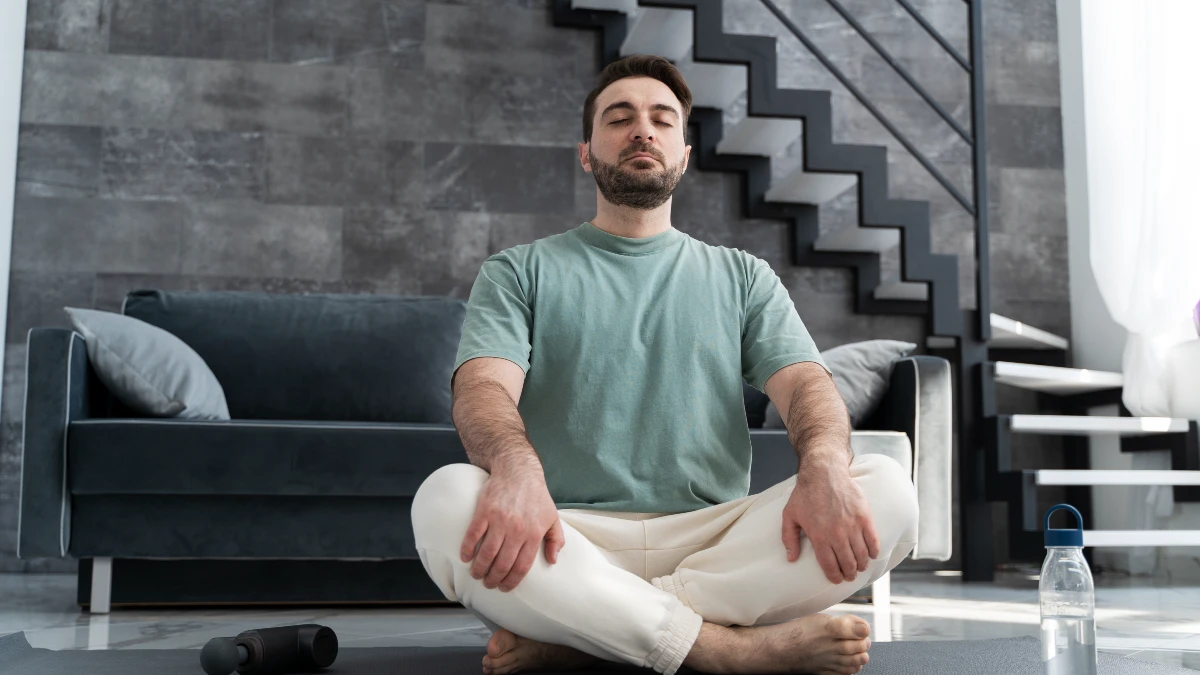
The vagus nerve is the longest in your body. Doctors call it Cranial Nerve X. It runs from your brain all the way to your gut. It tells your heart to slow down. It tells your stomach to start digesting. When this nerve works well, you have high “vagal tone.” This means you snap back to being calm after a scare.
In 2026, we measure this using Heart Rate Variability HRV. HRV is the gold standard for testing your nerves. It tracks the tiny changes in time between each heartbeat. If that time varies a lot, your vagus nerve is strong. If your heart beats like a steady, rigid clock, you might be stuck in stress.
5 Warning Signs Your Vagus Nerve is Failing You
If your body feels stuck in high gear, your vagus nerve might be struggling to pull the brake. When this nerve isn’t firing correctly, your body stays in a state of high alert.
1. Poor Sleep Recovery: You might sleep for eight hours, but still wake up feeling like you ran a marathon. Your body never entered the deep rest and digest state required to actually heal.
2. Persistent Digestive Issues: Because of the gut brain axis, a weak vagus nerve fails to signal your stomach to move food. This often leads to chronic bloating, IBS, or acid reflux.
3. The Wired but Tired Loop: You feel physically exhausted and ready to collapse, yet your brain stays hyper alert and won’t shut off, especially when you try to sleep.
4. Chronic Brain Fog: You find it hard to focus or remember simple tasks. Your body is funneling energy into survival mode because it thinks there is a hidden danger, leaving no fuel for clear thinking.
5. Inability to Feel Safe: You feel on edge or jumpy even when you are in a quiet, familiar room. Your nervous system is unable to register that the threat has passed.
The Vagus Vitality Score
Understanding “Vagal Tone”: High vagal tone means your body can bounce back from stress faster. Low vagal tone keeps you trapped in the “Survival Loop.”
Vagal Dysfunction Checklist
-
HRV (Heart Rate Variability): A low score often indicates your Vagus nerve isn’t regulating your heartbeat efficiently.
-
The “Gag Reflex” Test: A diminished gag reflex can be a physical sign of low vagal motor activity.
-
Delayed Gastric Emptying: Feeling “too full” for hours after a small meal.
The 2026 Reset: 4 Fast Ways to Calm Your Nerves
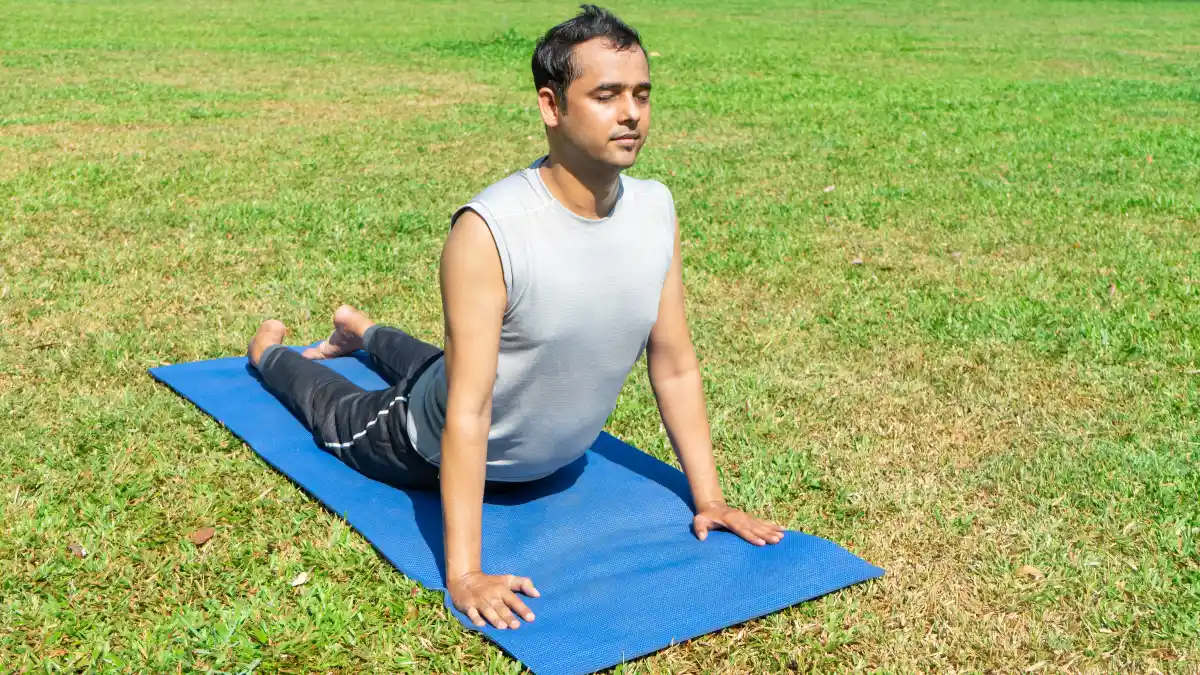
4-8-2 Breathing Method: Inhale for 4 seconds, hold for 8 seconds, and exhale slowly for 2 seconds to force your heart rate to slow down.
Cold Exposure 2.0: Submerge your face in a bowl of ice water for 30 seconds rather than just taking a cold shower.
Vocal Activation: Hum or gargle water to vibrate your vocal cords, which are directly connected to the vagus nerve.
The Vagal Sweep: Gently massage your neck near the jawline to stimulate the carotid sinus and signal your body to relax.
How to Build a Stress-Proof Body for Good?

Short fixes are great. But you want long term health. Start with what you eat. Omega 3 fats and probiotics help the gut-brain connection. A healthy gut means a happy nerve. Next, find your people. Humans have a Social Engagement System. Talking to a friend you trust strengthens your vagus nerve. It tells your brain the tiger is gone.
Move your body the right way, too. Regular, low intensity exercise is best. This is called Zone 2 cardio. Think of a walk where you can still talk, but your heart rate is up. This builds nervous system resilience. You aren’t just surviving the day. You are training your body to be calm. This is how you keep your vagal tone health high for years.
How Your Posture Shuts Down Your Calm?
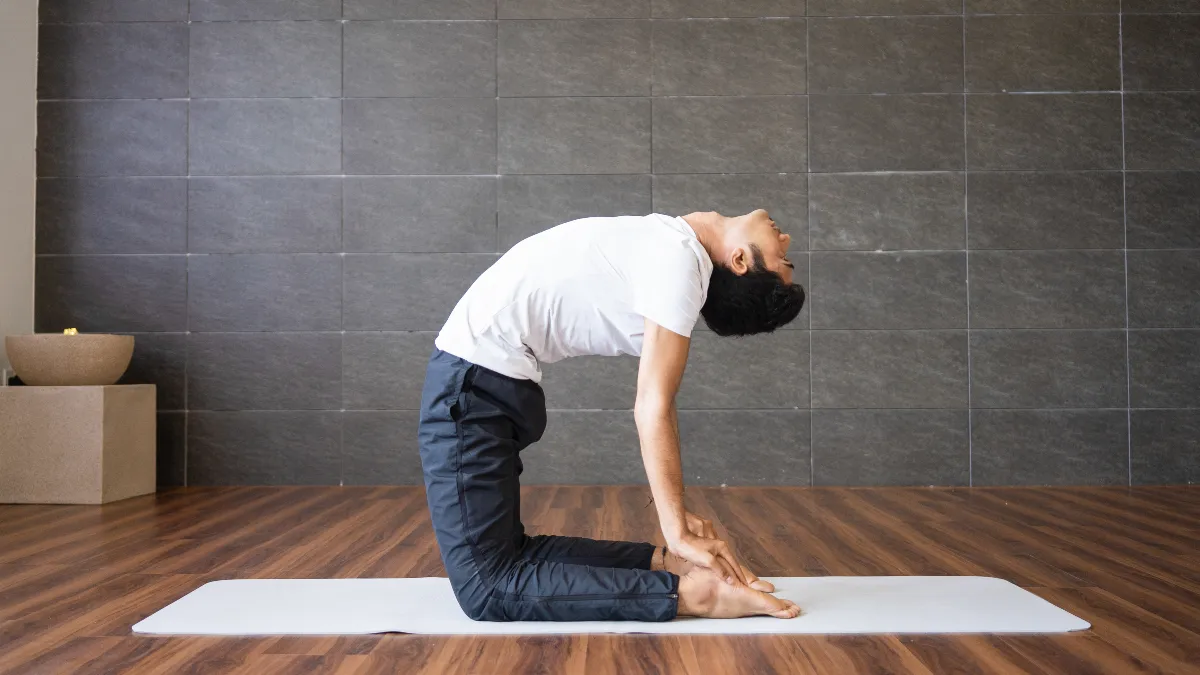
Your vagus nerve runs through your neck and chest. If you slump over a computer all day, you might be pinching your internal peace. This is often called tech neck. When your head hangs forward, it puts pressure on the nerves in your neck. This sends a signal to your brain that something is wrong. Your brain thinks you are in danger because your body is cramped.
Stand with your back against a wall. Make sure your heels, butt, and head all touch the flat surface. Tuck your chin slightly. This opens up the space where the vagus nerve travels. It allows the calm down signals to flow from your brain to your heart without getting stuck. Doing this for one minute every hour can change how you feel by the end of the day.
The 2-Minute Sleep Hack for Wired Brains

Do you lie in bed with your mind racing? This happens because your body hasn’t switched to the rest-and-digest mode. There is a physical trick to help with this. Sleep on your left side. Because of how your organs are shaped, sleeping on your left side helps your stomach and your vagus nerve. It reduces acid reflux and helps the nerves send slow down signals to your heart.
You can also try a heavy eye mask. The vagus nerve is connected to the muscles around your eyes. Light pressure on your eyelids can actually lower your heart rate. This is called the oculocardiac reflex. It is like a secret back door to your nervous system. Combining left side sleeping with a weighted mask can help you fall asleep faster.
3 Tools to See Your Stress in Real-Time
1. Medical-Grade Chest Straps Polar H10
If you want the most accurate data, a chest strap is still the gold standard. These sensors measure the electrical signal of your heart directly. When paired with the Elite HRV app, it provides research-grade insights into your vagal tone that wrist-based sensors can sometimes miss.
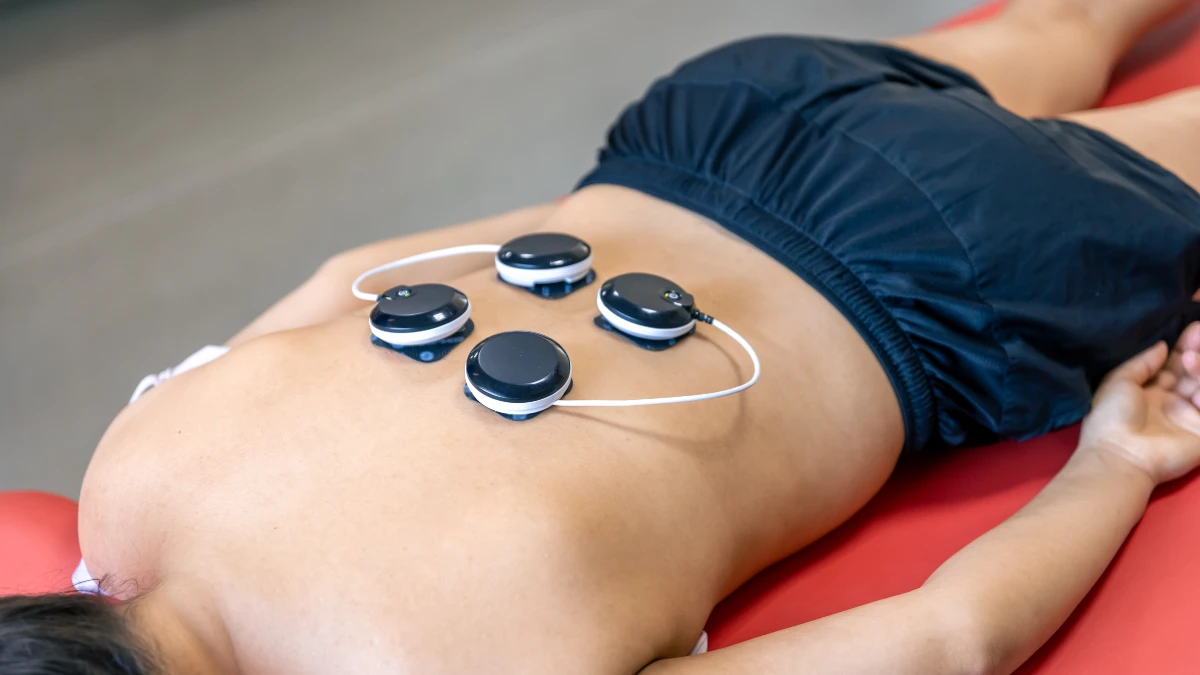
2. Continuous Wearables Whoop 5.0 or Oura Ring 4
These faceless devices focus entirely on recovery. They track your HRV while you sleep and provide a daily Readiness Score. In 2026, they use advanced AI to tell you exactly how much strain your nervous system can handle that day.

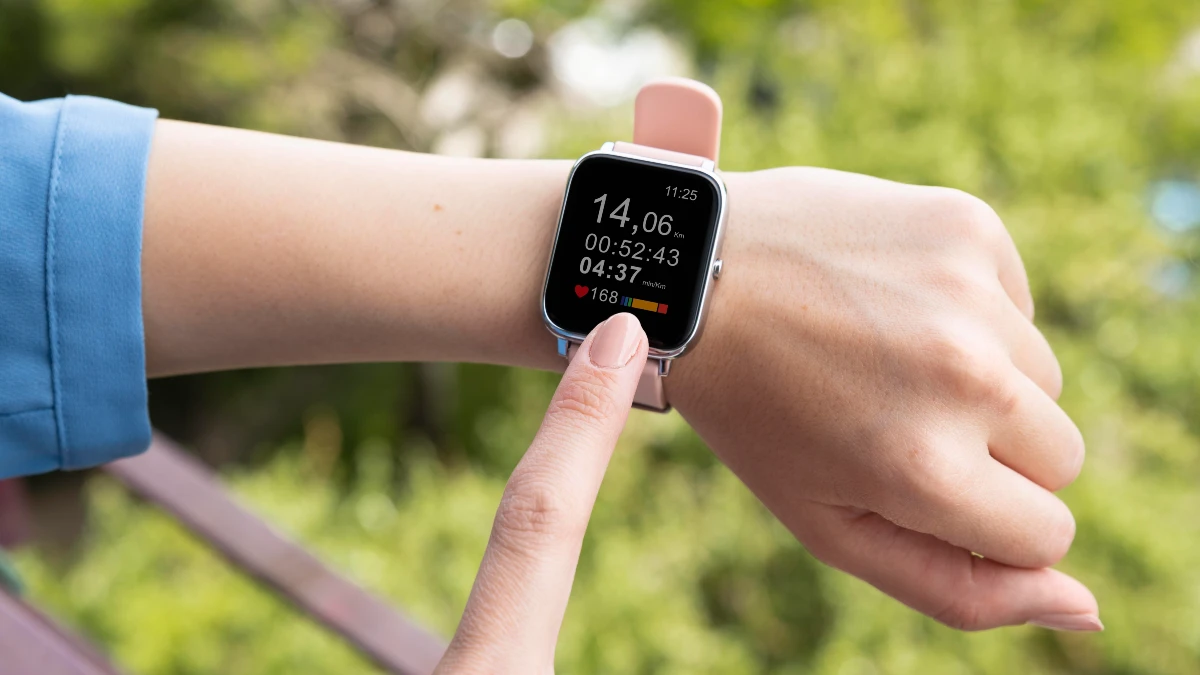
3. The Apple Watch Series 11 with StressWatch App
While the Apple Watch is great for general health, pairing it with an app like StressWatch or Welltory gives you a real time stress dial. It uses your watch data to show you if you are currently overheating, so you can take a 2 minute breathing break before you hit a wall.
Conclusion
Stress will always happen. But staying in a state of panic is a physical choice you can change. Your vagus nerve is the key to that choice. You now have the tools to measure it and fix it. Start with one breathing session today. See how you feel. If your symptoms never go away, talk to a functional neurologist. They can look deeper into your nervous system.