

Is your healthy raw salad actually depriving you of vital nutrients? Many people believe that heat always kills the good stuff in food. They think raw vegetables are the only way to get vitamins. But this is a mistake. Some vegetables actually get better for you when you heat them.
This happens because of nutrient bioavailability. That is a big word for a simple idea: how much of a nutrient your body can actually use. Sometimes, your body cannot get past the tough walls of a raw plant. Cooking acts like a key. It opens those walls so you can absorb the vitamins.
Why Does Heat Make Some Veggies Healthier?
Think of a vegetable cell like a tiny, locked box. The walls of these boxes are made of tough materials called cellulose and lignin. Your stomach is good, but it is not always strong enough to break these boxes open on its own. When you apply heat, these cellular walls start to soften and break apart. This releases the treasure inside. These treasures are called phytonutrients.
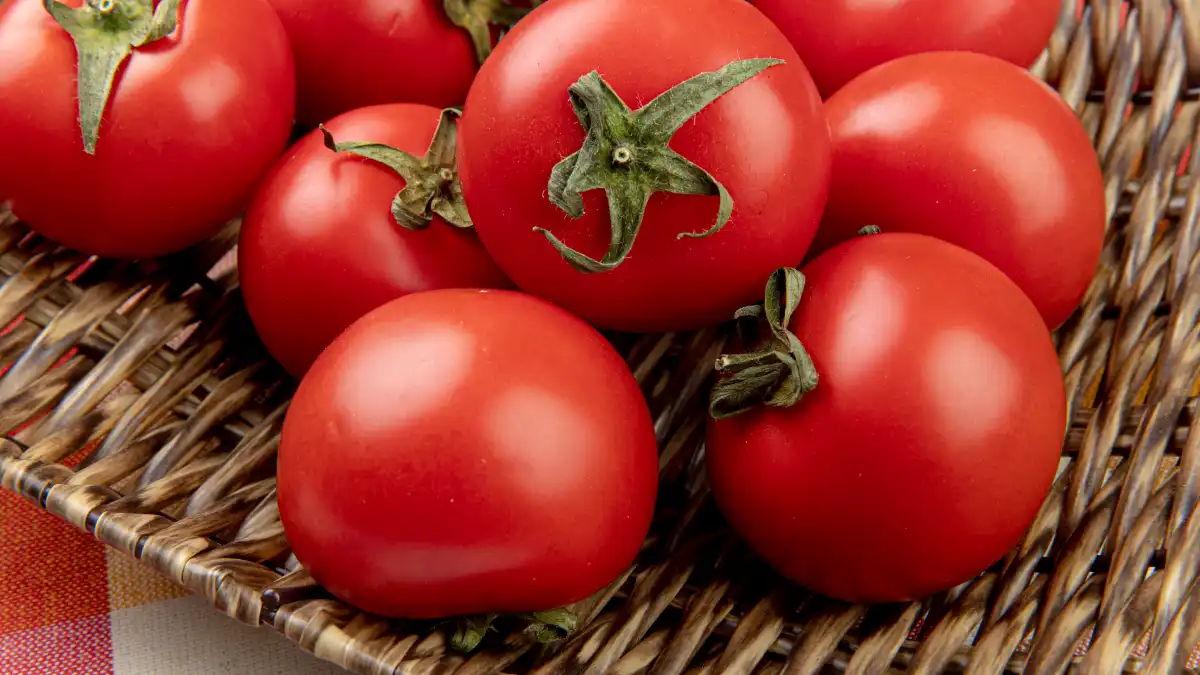
Let’s look at tomatoes. When you cook a tomato for 30 minutes, the amount of lycopene your body can absorb increases by more than 60%. Lycopene is a powerful antioxidant boost that helps your heart. If you only eat them raw, you miss out on most of that benefit. Heating the food does the pre digestion work for you.
Science of the Simmer
Cellular Matrix
Heat weakens cellulose bonds, converting “bound” phytonutrients into “free” forms.
Lycopene Fact
This antioxidant is fat-soluble; cooking with olive oil further triples absorption.
5 Vegetables You Should Stop Eating Raw
If you want the most nutrients, you should cook these five foods:
1. Tomatoes
Cooking them turns them into a heart health powerhouse. The heat changes the shape of lycopene so your blood can absorb it easily.
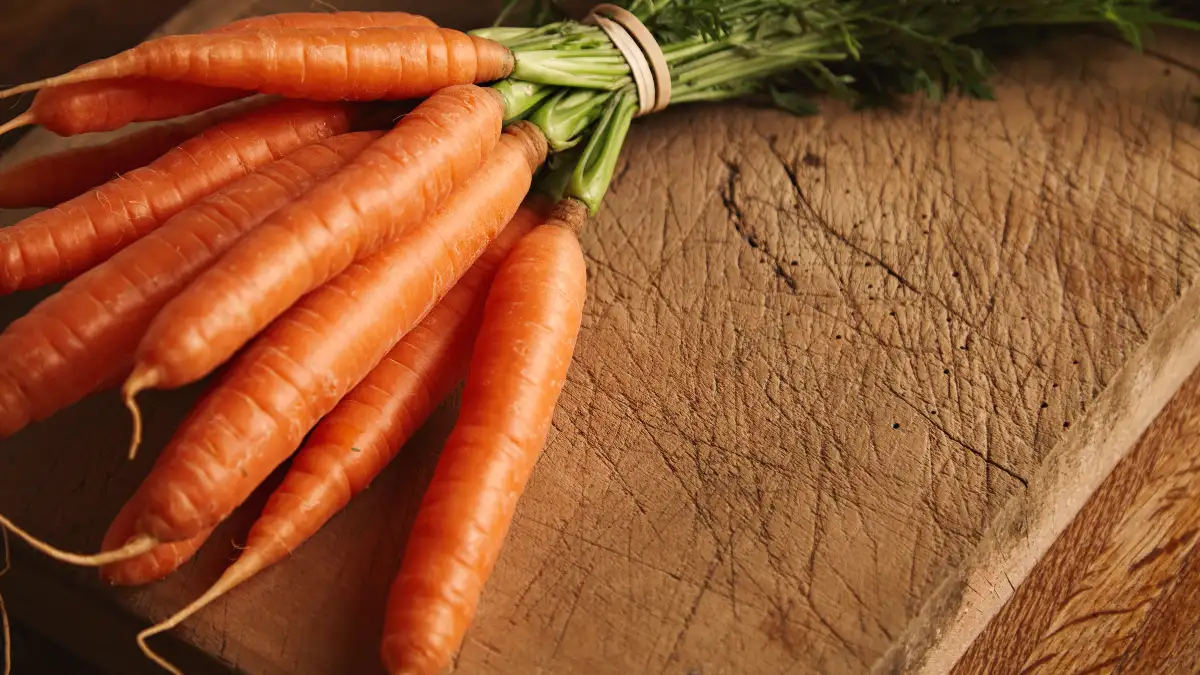
2. Carrots
These are famous for beta carotene, which helps your eyes. Boiling or steaming carrots breaks the tough fiber. This gives you much more beta carotene than snacking on raw sticks.
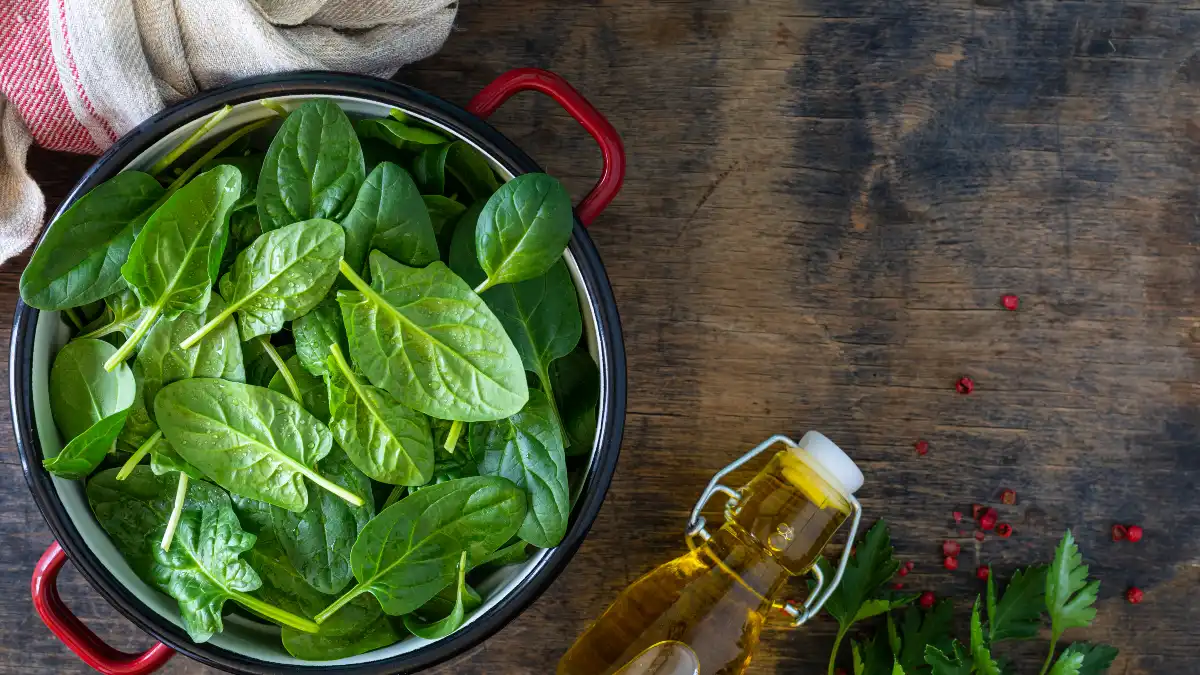
3. Spinach
Raw spinach has oxalates. These are blockers that stop your body from taking in calcium and iron. Heat breaks those blockers down. This leads to better iron absorption.
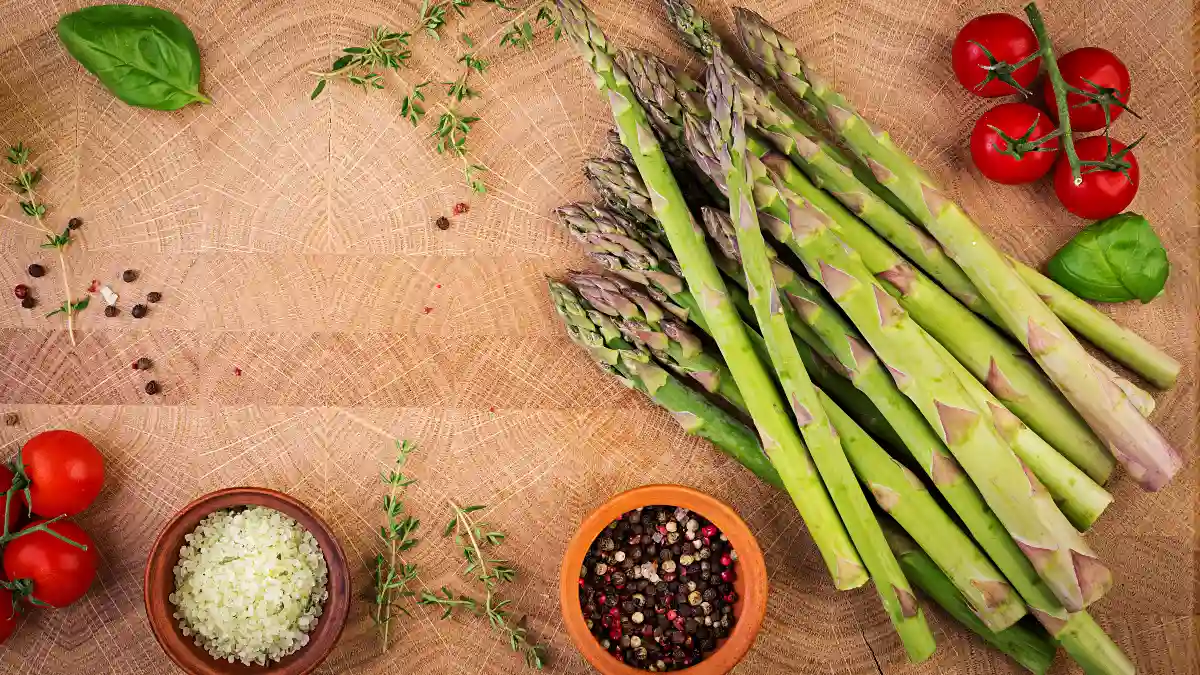
4. Asparagus
The skin on asparagus is very thick. Cooking it breaks down the fiber to release phenolic acids. These help protect your cells from damage.
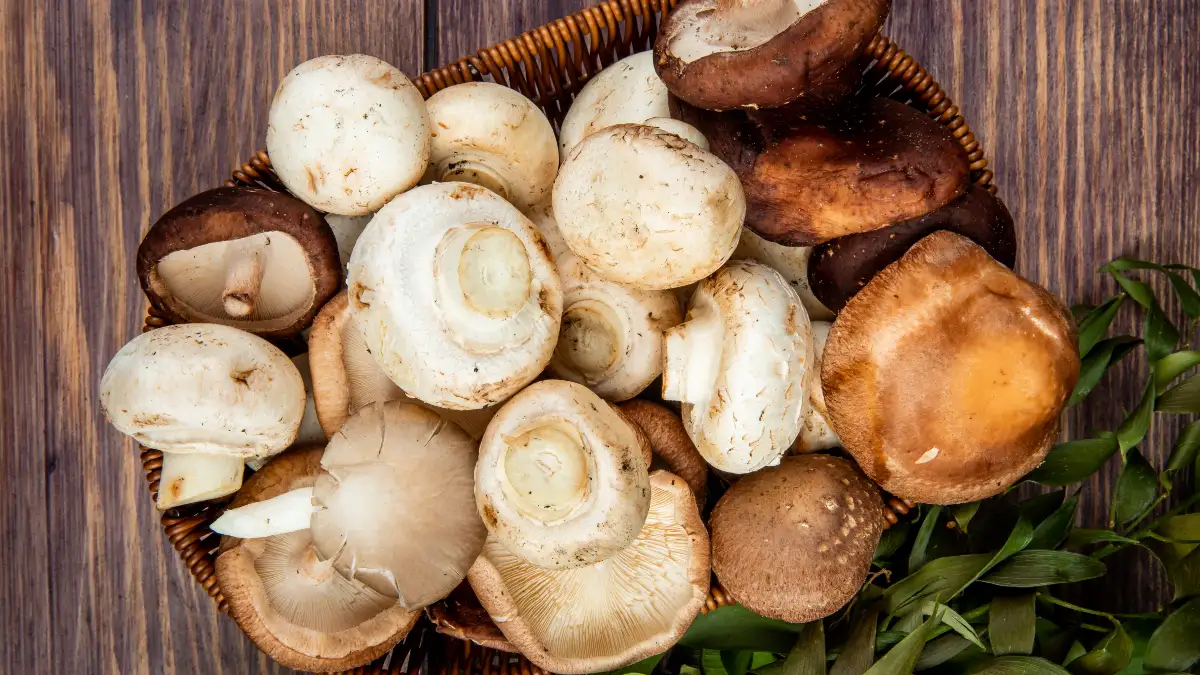
5. Mushrooms
Raw mushrooms contain a tiny bit of a toxin called agaritine. Cooking gets rid of it. It also releases a strong antioxidant called ergothioneine that stays hidden in raw mushrooms.
When Is Raw Actually Better for You?
Not every vegetable likes the heat. Some vitamins are very fragile. Vitamin C and B vitamins are the most common examples. These are water soluble vitamins. They can dissolve in cooking water or break apart when they get too hot. Broccoli is a great example. It has an enzyme called myrosinase. This enzyme helps fight cancer.
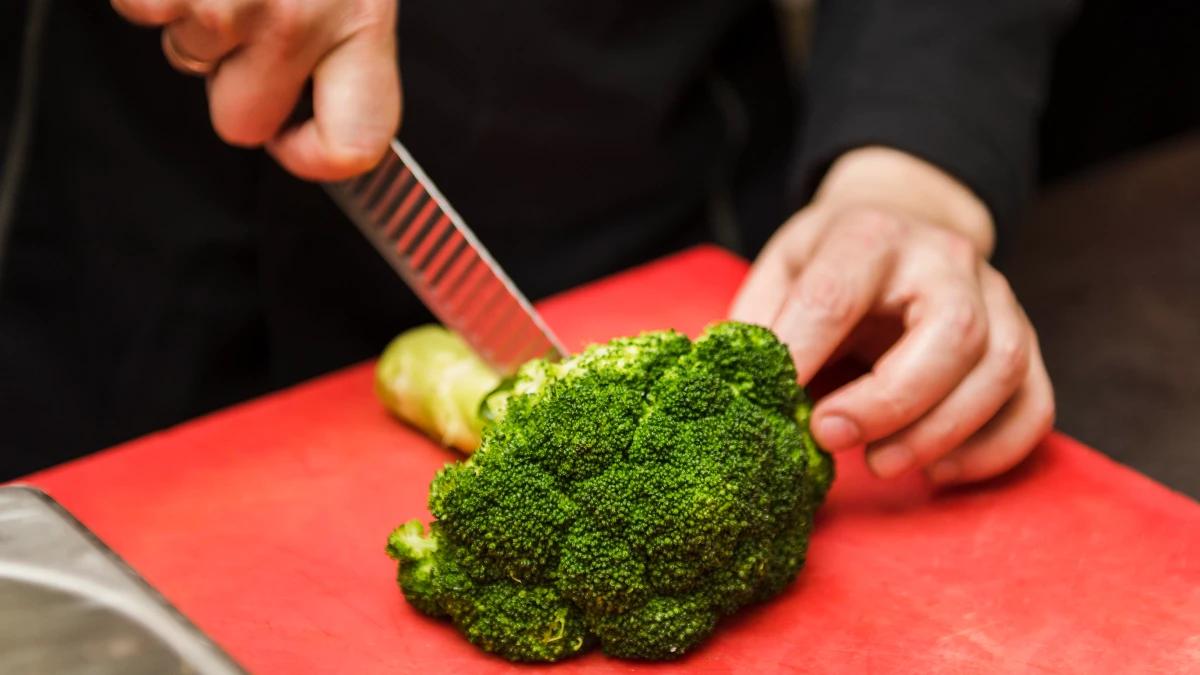
If you cook broccoli too long, you kill the enzyme. Bell peppers are another one. They lose a lot of their Vitamin C when roasted. If you want a boost of folate for your brain, stick to raw leafy greens. A good rule is to look at the color and texture. If the vegetable is bright and crunchy, it might be best raw. If it is dense and hard, it probably needs some heat.
The Best Ways to Cook for Max Nutrients
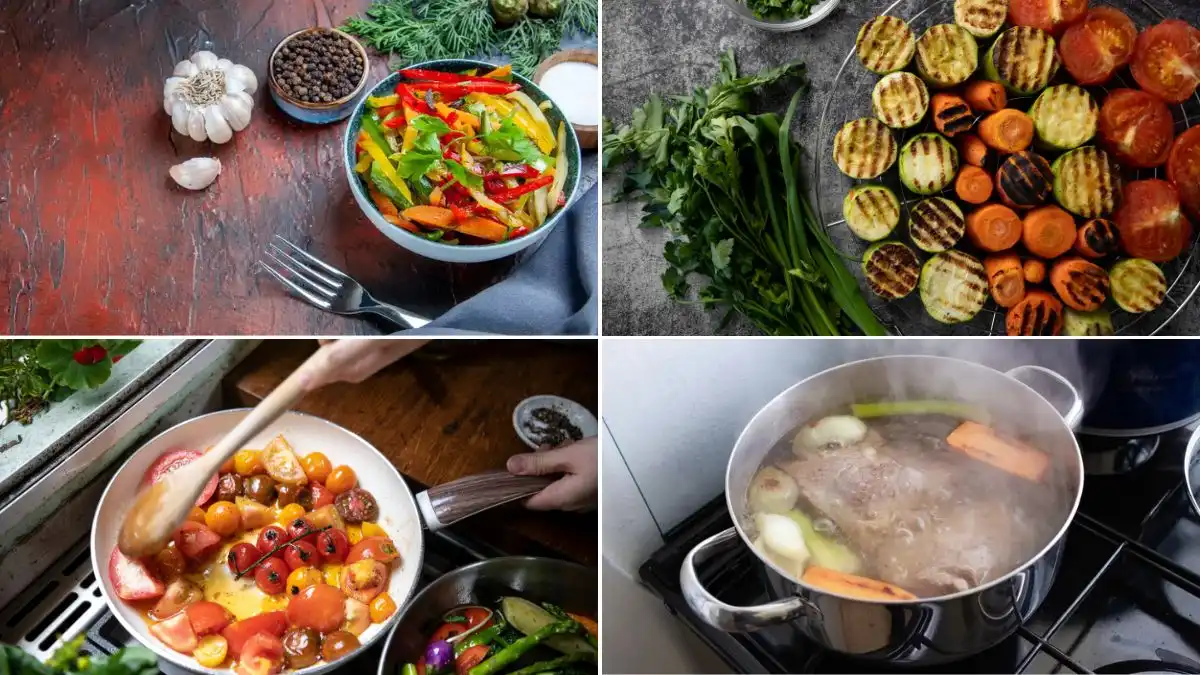
How you cook matters just as much as what you cook. In 2026, we have many tools, but the simple ways are still winners. Here is the ranking from best to worst:
- Steaming: This is the best method. The food never touches the water, so vitamins do not leak out.
- Air Frying or Sauteing: These are fast. Since the cook time is short, the nutrients stay inside.
- Roasting: This is fine, but the high heat can hurt some vitamins if you leave them in too long.
- Boiling: This is usually the worst. The vitamins end up in the water. If you boil, save the water for a soup so you don’t waste the nutrients.
Always add a splash of fat. Use a little olive oil or avocado oil. Many vitamins, like A, D, E, and K, are fat soluble. They need fat to travel from your gut into your body. Without a little oil, those nutrients just pass right through you.
Is the Microwave Killing Your Nutrients?

Many people worry that microwaves use bad energy to cook food. They think the radiation destroys the vitamins in their vegetables. This is actually a myth. Because a microwave cooks food very fast and uses very little water, it is actually one of the best ways to keep nutrients inside.
Think of it this way. The less time a vegetable is under heat, the better. When you use a microwave, you are not boiling the life out of your food. You are just heating the water molecules inside the plant. This keeps the Vitamin C and other fragile nutrients from breaking down. It is a quick win for your health and your schedule.
How to Spot Overcooked Veggies in Seconds?
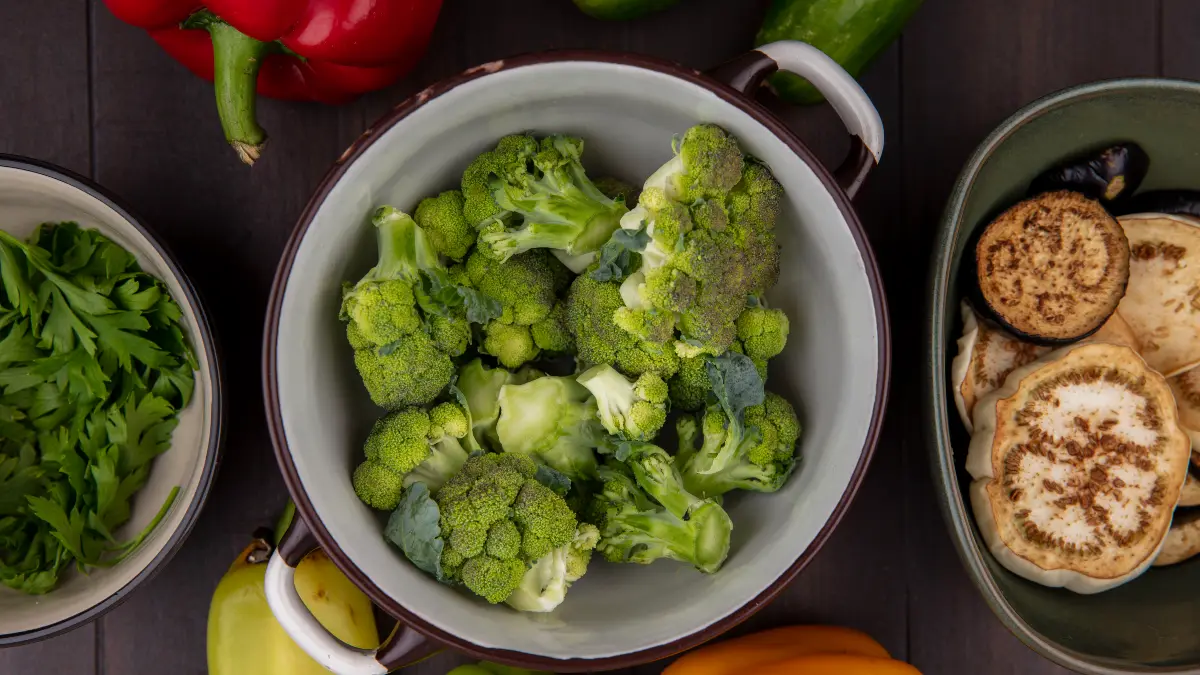
You might be accidentally overcooking your dinner. When you cook a vegetable for too long, it loses its power. You can tell this is happening just by looking at your plate. If your broccoli looks dull, grey, or mushy, you have gone too far. The good stuff has likely leaked out or been destroyed by the heat.
To fix this, aim for tender crisp. This means the vegetable is soft enough to bite but still has a little snap. It should still have a bright, vibrant color. If your spinach is still bright green, it still has its vitamins. If it turns into a dark, slimy pile, you have lost the battle. Keep your cooking times short to keep your energy high.
Why Frozen Veggies Might Be Better Than Fresh?
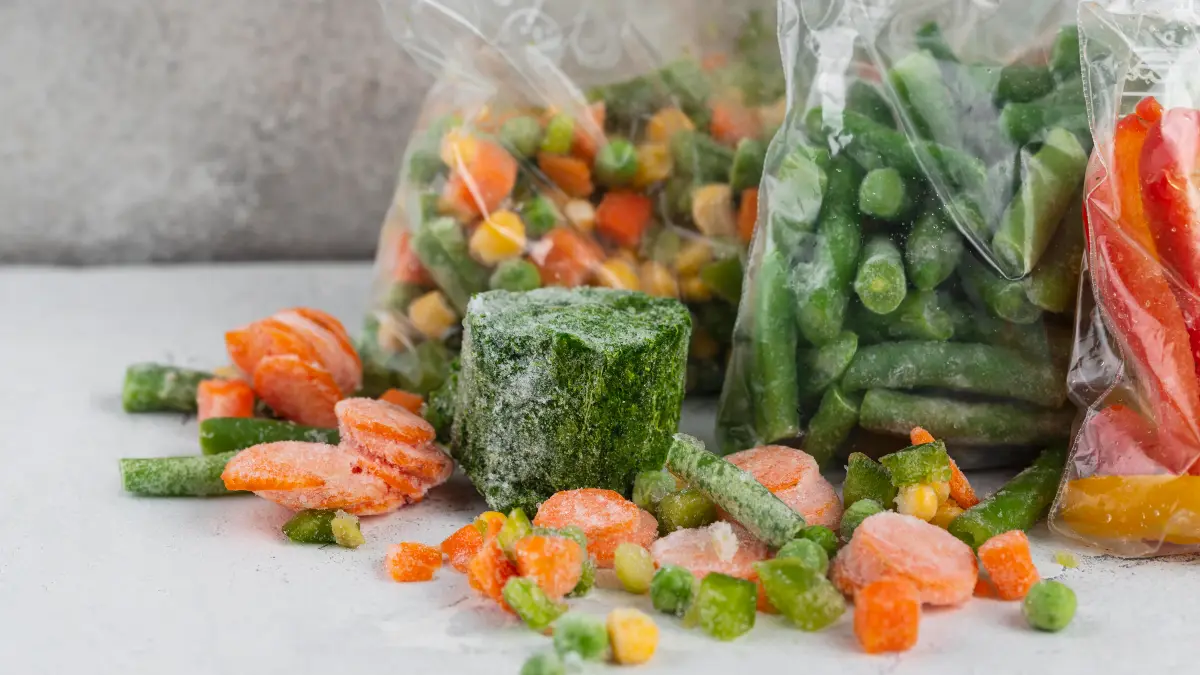
You might think fresh is best, but that is not always true in 2026. Most fresh vegetables in the store were picked weeks ago. They spend days in a truck and more days on a shelf. During that time, they slowly lose their vitamins. By the time they get to your kitchen, they aren’t as strong as they used to be.
Frozen vegetables are different. They are usually flash frozen right after they are picked. This locks the nutrients in place. It’s like hitting a pause button on the clock. When you buy a bag of frozen peas or carrots, you are often getting more nutrients than the fresh ones in the produce aisle. Plus, they are already cut up and ready for the pan.
Conclusion
You do not have to choose just one way to eat. Balance is the real secret. A mix of cooked and raw vegetables gives your body the best of both worlds. You get the Vitamin C from your raw peppers and the lycopene from your cooked sauce. Next time you make dinner, think about the box you are trying to open.
Treat your carrots and tomatoes to some heat. Your body will thank you for the extra fuel. Healthy eating habits are about variety. Check out our Veggie Cheat Sheet below and try steaming your broccoli tonight for a quick win.