

You’ve likely heard a health guru claim that tomatoes and beans are the secret cause of your joint pain. This idea has sparked a huge Lectin Free movement. It creates a lot of fear around some of the healthiest foods you can buy. For women over 50, this is especially confusing. You want to eat well to stay active, but now you’re worried your salad is causing inflammation.
The truth is more balanced than the internet tells you. The difference between active and inactive lectins. We will look at why these so called anti nutrients in food can actually be good for you. Most importantly, you’ll see how a few simple kitchen habits can protect your gut. And here’s why that matters: you don’t have to give up your favorite vegetables to feel great.
What Exactly Are Lectins?
Lectins are types of proteins found in almost all plants. Think of them as a plant’s natural defense system. They help plants stay safe from insects and fungi. In their raw state, these proteins are sticky. They like to bind to carbohydrates. This stickiness is why people worry about them. Some claim they stick to yourgut wall and cause trouble.
But there is a massive difference between a raw bean and a cooked one. About 30% of the fresh foods we eat contain these plant proteins. However, the danger is mostly a myth if you use heat. Tests show that 0% of active or harmful lectins remain in beans after they are boiled.
Cooking basically turns off the plant’s defense system. It makes the food safe and easy for your body to use. Unless you plan on eating a bowl of raw kidney beans, which you shouldn’t, lectins aren’t the villains they’re made out to be.
Why Do Lectins Worry Women Over 50?
As you move through menopause, your body changes. Your hormone levels drop, and this can change your menopause digestion. Many women notice more bloating or gas than they used to have. This is often when the Lectin Free diet starts to look tempting. There is a theory called Leaky Gut.
Some people believe lectins create small holes in the gut lining. For women over 50, this is linked to concerns about chronic inflammation. You might feel a dull ache in your knees or hands. You might wonder if nightshades like tomatoes or peppers are causing joint pain.

Some women with autoimmune issues, like Rheumatoid Arthritis RA do report feeling better when they eat fewer lectins. This is called bio individuality. It simply means everybody reacts differently. What causes a flare for one person might be perfectly fine for you. It isn’t a one size fits all rule. If your gut health is already sensitive, raw lectins might cause some temporary discomfort.
But for most women, the real culprit isn’t the vegetable itself. It is usually how the food was prepared or other lifestyle factors. Gut health for women over 50 depends more on variety than on cutting out healthy whole foods. You need the vitamins in these vegetables to keep your bones and heart strong as you age.
Are Anti-Nutrients Actually Good for You?
Lectins are often called anti nutrients. This sounds scary. It makes people think these foods steal vitamins from the body. Lectins can indeed slow down nutrient absorption for things like calcium and zinc. But this only happens in a very small way. In a normal, balanced diet, it rarely causes a deficiency. The benefits far outweigh the risks.
Most foods high in lectins are also packed with fiber and antioxidants. These are exactly what your body needs for heart health. Heart disease is a major concern for women over 50. Cutting out beans and grains could actually hurt you in the long run. People who eat beans regularly have a 20% lower risk of heart disease.
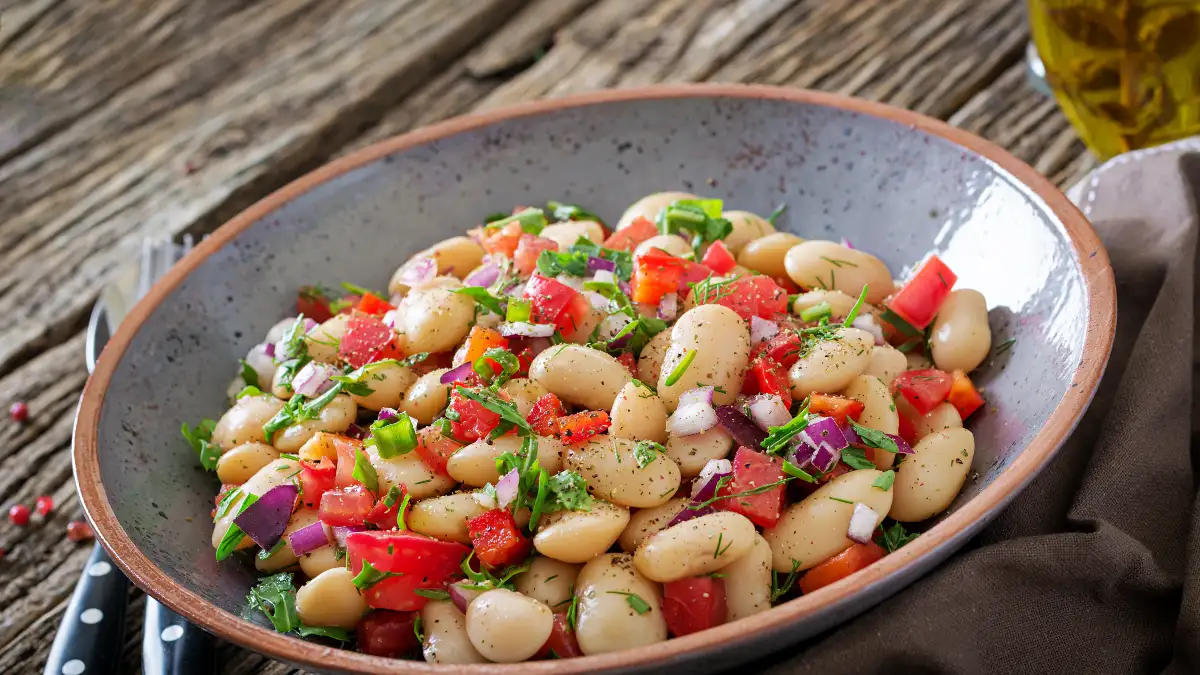
These anti nutrients in food often act like a workout for your immune system. They help your body stay resilient. Instead of stealing nutrients, these foods provide the fuel your gut bacteria need to thrive.
When your gut bacteria are happy, your whole body feels better. You get more energy and less brain fog. Don’t let a scary label stop you from eating foods that have protected human health for thousands of years.
Why the Blue Zones Prove Lectins Aren’t the Enemy?
If lectins were truly toxic, the healthiest people on Earth would be in trouble. Blue Zones are places where people regularly live to be over 100 years old. These communities, from Costa Rica to Greece, have something in common: they eat a lot of beans and whole grains. For women over 50 in these areas, legumes are a daily staple.
These women don’t suffer from the high levels of chronic inflammation we see in the West. Instead, their diets high in plant proteins and fiber protect their hearts and brains. This suggests that the danger of lectins is vastly overstated. When these foods are a foundation of your diet, they actually promote longevity rather than taking it away.
Identifying True Sensitivity vs. Social Media Hype
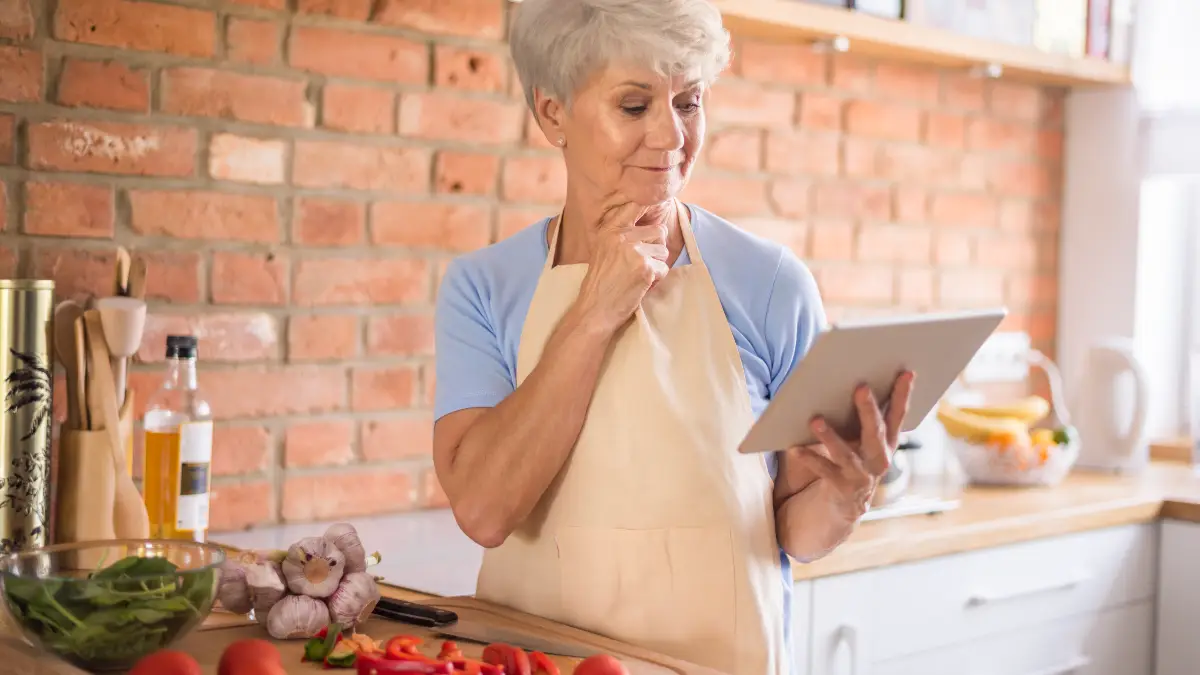
It is easy to watch a video and think, That’s why my knees hurt. But before you cut out entire food groups, check your symptoms. True lectin sensitivity is rare. Most people who feel better on a lectin free diet are actually feeling better because they stopped eating processed junk food and refined sugars.
If you suspect a specific vegetable is a problem, try an elimination test. Remove one specific food, like tomatoes, for two weeks. Then, bring it back and see how you feel. If you don’t notice a change, the lectins aren’t the issue. Most of the time, the bloat people blame on lectins is just a lack of fiber in their regular diet. Your gut is like a muscle; it needs regular fiber to stay strong.
How to Balance Your Plate for Bone Health?
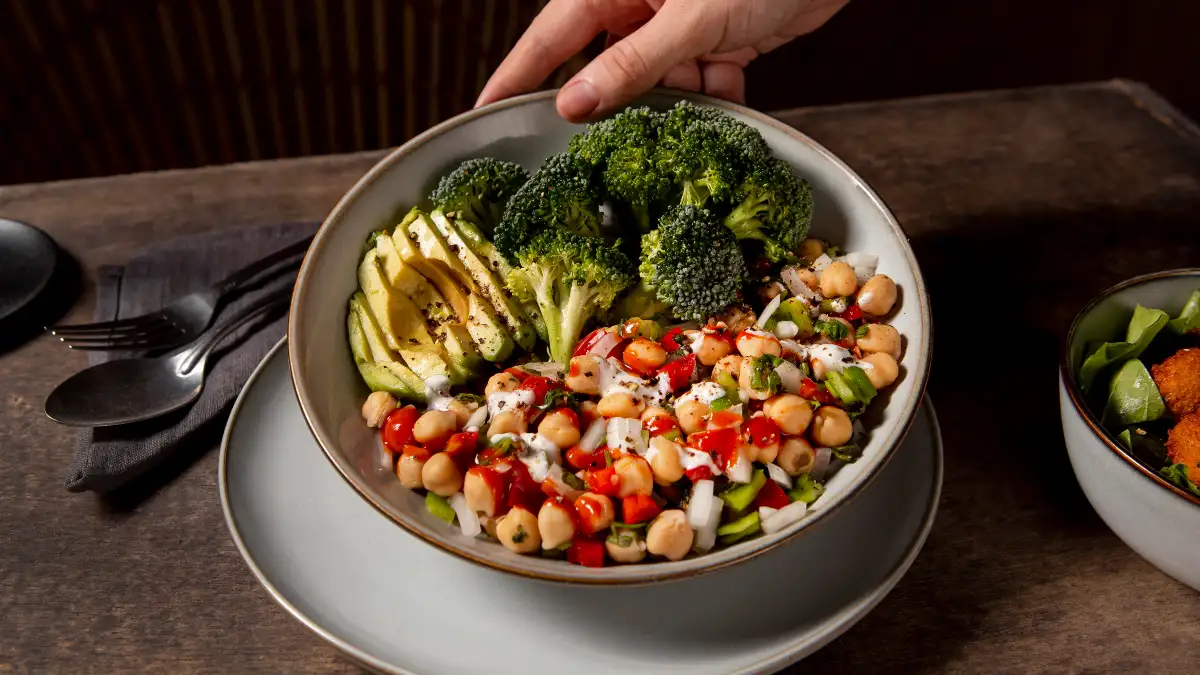
For women over 50, bone density is a top priority. Some people worry that because lectins are anti nutrients, they might lead to osteoporosis by blocking calcium. However, the vegetables that contain lectins are also some of the best sources of Vitamin K and magnesium. Both of these are essential for keeping your bones from becoming brittle.
Instead of avoiding these foods, pair them correctly. Eating your beans with a source of Vitamin C, like a squeeze of lime or some broccoli, helps your body absorb minerals better. This balance ensures you get the bone-strengthening benefits without worrying about nutrient absorption. A diverse plate is your best defense against the physical changes that come with aging.
Conclusion
The big takeaway is simple: Don’t fear the bell pepper. For most women over 50, the nutrients in these vegetables are essential for aging well. They provide the fiber you need for digestion and the antioxidants your heart needs. While raw lectins can be tough on the gut, proper cooking solves the problem.
Focus on variety and good prep work instead of restriction. If you have a diagnosed autoimmune condition, it is always smart to consult a dietitian. They can help you find your personal triggers. But for the average person, lectins in vegetables are not the enemy.
⚠️MEDICAL DISCLAIMER
This article is for informational purposes only and is not a substitute for professional medical or nutritional advice. If you have a medical condition or specific dietary concerns, please consult a qualified healthcare provider.