

You are mid-sentence and the specific word you need simply vanishes. You can almost feel the shape of it on your tongue, but the connection is gone. The link just breaks. After 50, these moments start to feel different. They happen more often and carry a new, quiet weight of anxiety.
You are not imagining this change. Your brain is responding to a very specific biological shift that begins in midlife. But here’s what most people don’t know: the same body that created this problem also holds the solution.
A particular type of walking can reverse the physical shrinkage happening inside your memory center. Not just any stroll. A specific pace and pattern. The hidden factor is not how far you walk, but how fast you move your feet.
Here’s what is really happening in your brain after 50.
Is memory loss at 50 a sign of cognitive decline?

Memory loss at 50 is often just “age-associated memory impairment,” which is a fancy way of saying your brain’s processing speed is naturally shifting. Most people this age experience occasional lapses like forgetting a name or misplacing reading glasses. These are normal signs of a brain that has simply seen a lot of miles.
True cognitive decline is different because it eventually stops you from handling your daily life. It is the gap between forgetting where you put your keys and forgetting what a key is for. While some slowing is expected, new evidence shows that a specific type of movement can actually stop or even reverse the physical shrinkage that causes these slips.
Walking is the most accessible tool we have to protect the brain’s hardware. It is not just about keeping your heart healthy or burning a few extra calories. Specific walking habits act like a physical fertilizer for your memory center.
But knowing if your specific “senior moments” are safe or a warning requires looking at how they show up in your day-to-day life.
Normal memory slips vs. warning signs at 50
Confusion about what is “normal” creates unnecessary stress for many people over 50. Most memory issues at this age involve retrieval speed rather than a total loss of information. Your brain is like a massive hard drive that is starting to get full. It takes a second longer to find the right file, but the file is still there.
This table helps you distinguish between typical aging and signs that require a conversation with a doctor.
| Typical Age-Related Changes | Signs of Potential Concern |
| Forgetting which day it is and remembering later | Losing track of the date or the season entirely |
| Misplacing your phone or glasses occasionally | Putting items in “impossible” places (e.g., car keys in the freezer) |
| Forgetting the name of a distant acquaintance | Forgetting the names of close family members |
| Needing to make a list to remember all errands | Inability to manage a familiar budget or recipe |
| Making a bad decision once in a while | Consistent poor judgment or falling for obvious scams |
Occasional forgetfulness is usually harmless, but consistent patterns of confusion are red flags. If you find yourself getting lost in familiar neighborhoods or forgetting recent conversations entirely, seek a medical evaluation. Most people reading this will find their experiences fall firmly in the “Normal” column.
Even if your memory slips are standard for your age, they are driven by a very specific biological change happening deep inside your skull.
How hippocampus volume dictates your memory
The hippocampus is the primary engine for memory formation and emotional regulation. It is a small, curved structure located deep within the temporal lobe of your brain. Think of it as a gateway. Every new fact you learn or person you meet must pass through this gate to become a long-term memory.
Your hippocampus naturally begins to shrink after you turn 50. Most adults lose about 0.2% to 0.3% of their hippocampal volume every year after midlife, with the rate accelerating as you age. The tissue just disappears. This physical loss is exactly why it becomes harder to recall a new neighbor’s name or remember why you walked into the kitchen.
The smaller your hippocampus gets, the more your memory performance drops. For a long time, scientists believed this shrinkage was an inevitable one-way street. We thought you were born with a certain amount of brain cells and simply spent your life losing them.
• “Talk-test” intensity
• 5-6 Days per week
• BDNF peak trigger
But we now know the brain is far more resilient than we once imagined. There is a way to trigger the growth of new neurons even in your 50s and 60s.
Everything depends on a specific protein that acts as the architect for these new brain cells.
The BDNF factor: your brain's built-in fertilizer
BDNF (Brain-Derived Neurotrophic Factor) is the biological secret to maintaining a sharp mind. Scientists often call it "Miracle-Gro for the brain" because of how it supports your neural architecture. This protein protects your existing brain cells, repairs those that are damaged, and encourages the growth of brand-new neurons.
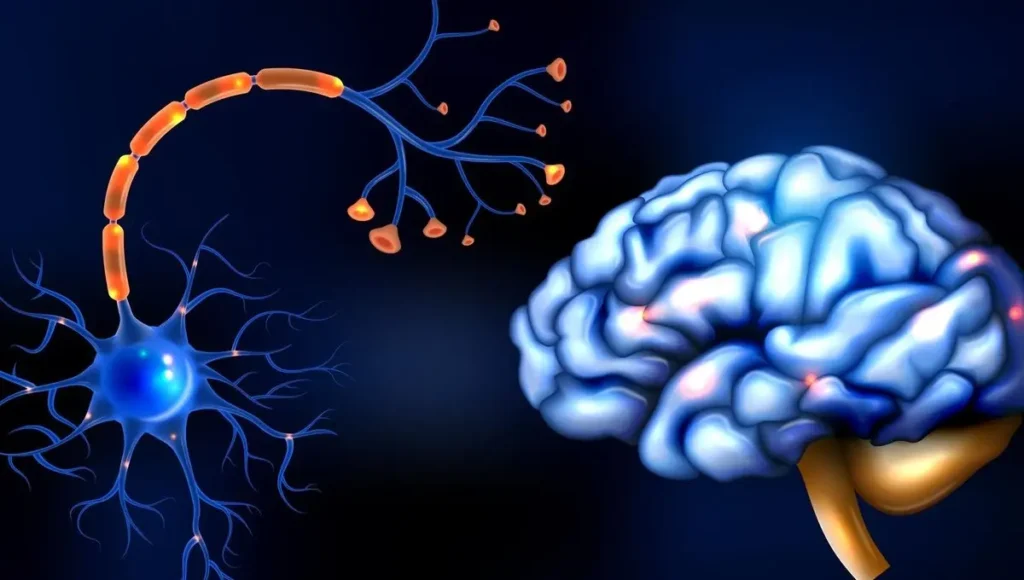
Your natural production of BDNF begins a slow slide around age 45. At 50, your 'fertilizer' levels may be dropping by 1% to 2% every year. The decline happens whether you notice it or not. When BDNF levels are low, the hippocampus is more vulnerable to shrinkage and memory slips become more frequent.
The hippocampus has a higher concentration of BDNF receptors than almost any other part of the brain. This means your memory center is uniquely sensitive to how much of this protein you produce. High levels of BDNF don't just stop the "age-related slide"—they provide the raw materials needed to physically expand your brain's memory hub.
Does walking increase BDNF?
Yes. Engaging in moderate-intensity aerobic movement significantly increases BDNF levels. This boost happens almost immediately during the activity and provides a protective window for your brain cells.
Brisk walking is the most effective way for most people to trigger this internal protein factory. While many people turn to puzzles or digital games to stay sharp, these tools lack the biological "punch" that physical movement provides.
In fact, there is a reason why moving your legs does more for your mind than any screen-based challenge ever could.
High levels of BDNF don't just stop the 'age-related slide'. They provide the raw materials needed to physically expand your brain's memory hub. Aerobic exercise is the only proven method to grow the hippocampus in healthy adults
Why walking speed (not steps) triggers BDNF production
The intensity of your movement is the primary switch for brain protection. Many people focus on hitting a specific step count, but slow, casual walking fails to put enough stress on the system to demand a biological response. To trigger the release of BDNF, your body needs to enter a state of moderate exertion.
Your brain produces this growth protein as a protective response to physical challenge. When you walk at a pace that makes your heart beat faster and your breathing deepen, your brain senses a 'stressor' and releases BDNF to shield your neurons. Speed matters more than steps. Brisk walkers show significantly higher levels of this protein compared to those who stroll at a leisurely pace.
The "talk test" is the easiest way to find your brain-building speed. You should be walking fast enough that you feel slightly out of breath. You can still carry on a conversation, but you shouldn't have enough wind to sing a song. This "moderate intensity" zone, roughly 60% to 75% of your maximum heart rate, is the sweet spot for memory protection.

Think of your walking speed as a biomarker for your brain’s future. It is better for your memory to take 3,000 fast, purposeful steps than 10,000 slow ones. This shift in intensity transforms a simple chore into a powerful medical intervention.
Building this habit into your life requires more than just speed; it requires a consistent schedule that your brain can rely on.
Your 30-day brain-building walking protocol
Turning walking into a memory-saving habit requires a specific prescription. You do not need to spend hours on a treadmill or join a specialized gym. The goal is to create a consistent "dose" of moderate intensity that keeps your BDNF levels elevated throughout the week.
Check with your doctor before starting any new exercise program, especially if you have joint concerns or balance issues. Once you have the green light, follow this exact structure to maximize your results:
Walk for 20 to 30 minutes without stopping. Your breathing should be heavy, but you can still speak in short sentences. This is your intensity target. Do this 5 to 6 days per week. Consistency matters more than duration. Try to walk in the morning if possible. Your natural cortisol rhythm peaks early in the day, which works synergistically with BDNF to wake up your brain.

Surface choice matters for your joints, but not for your brain. Whether you walk on a flat sidewalk, a local track, or a treadmill, the intensity is what counts. If you find your heart rate isn't climbing, try adding a few gentle hills or increasing your speed slightly every five minutes.
What to expect: week-by-week brain changes
Can you really improve your memory at 50? The answer is yes, but the physical changes take time to manifest in your daily life.
During your first two weeks, you likely won't feel different yet. Internally, your brain is beginning to increase BDNF production and improving blood flow. Trust the process during these first 14 days.
Around week three or four, you may notice fewer 'tip-of-the-tongue' moments. Words seem to come a bit faster during conversations, and that heavy afternoon brain fog starts to lift.
The real transformation happens between weeks eight and twelve. After three months of consistent brisk walking, the hippocampus can show a measurable increase in volume. This effectively reverses one to two years of age-related shrinkage
While walking is the heavy lifter for your memory, you can amplify its effects by stacking it with other simple lifestyle shifts.
Advanced habits to stack with your daily walk
The benefits of your morning walk don't have to stop when you take off your shoes. You can amplify the production of BDNF and support your hippocampus by making specific choices in the kitchen and in your bedroom. Food and sleep matter just as much. These habits create a 'multiplier effect,' ensuring the new brain cells you are encouraging have the fuel they need to survive.
Foods that boost BDNF production
Certain foods do not contain BDNF themselves, but they provide the chemical precursors your brain needs to manufacture it. Integrating these into your weekly routine provides the "bricks and mortar" for your memory center.

- Fatty Fish: Salmon, mackerel, and sardines are rich in omega-3 fatty acids. Aim for two to three servings per week to support neural repair.
- Blueberries: These contain specific polyphenols that have been shown to cross the blood-brain barrier and trigger growth signals.
- Dark Leafy Greens: Spinach and kale provide folate and antioxidants that protect your newly formed neurons from oxidative stress.
- Dark Chocolate: A small square of chocolate with at least 70% cacao contains flavonoids that improve blood flow to the hippocampus.
- Green Tea: The EGCG compound in green tea works alongside exercise to help maintain high BDNF levels throughout the afternoon.
Sleep optimization for BDNF
Your brain does its heavy maintenance work while you are unconscious. BDNF is most effective during deep sleep stages, where it helps consolidate the memories you formed during the day. If you cut your sleep short, you effectively "evict" the new brain cells your walking habit worked so hard to create.
Aim for seven to eight hours of quality rest. A brisk walk earlier in the day often helps you fall into a deeper sleep more quickly, creating a perfect cycle of growth and recovery.
Frequently Asked Questions
Is memory loss normal at 50?
Yes, mild age-associated memory impairment is common. Your BDNF production naturally starts to dip around age 45, which can slow down word recall. It only becomes a medical concern when it interferes with your ability to perform daily tasks or live independently.
At what age does normal memory loss start?
Subtle changes in processing speed and memory retrieval typically begin in the late 40s and become more noticeable by age 55. This aligns with the natural 0.2% to 0.3% annual shrinkage of the hippocampus that begins in midlife
Can I improve my memory at 50?
Absolutely. Research shows that consistent, brisk walking for 20 to 30 minutes can increase the volume of the hippocampus by up to 2%. This physical growth can effectively reverse one to two years of age-related cognitive decline.
Does walking increase BDNF?
Yes, but the pace is the deciding factor. Brisk walking increases BDNF production significantly more than a slow stroll. You must reach a moderate intensity to trigger the release of this "brain fertilizer."
How does exercise increase BDNF?
Moderate aerobic exercise creates a healthy level of cellular stress. Your brain responds to this challenge by producing BDNF to protect and strengthen your neurons, particularly in the hippocampus.
Which exercise is best for BDNF?
Brisk walking is the most sustainable and effective option for most adults. Other aerobic activities like cycling, swimming, or jogging also work well, provided you maintain a moderate intensity for at least 20 minutes.
What foods are high in BDNF?
Foods don't contain the protein itself, but omega-3 rich fish, blueberries, dark leafy greens, and green tea are excellent for triggering its production.
What are the early signs of memory loss?
Normal signs include occasionally forgetting why you entered a room or struggling to find a common word. Warning signs include getting lost in familiar places, forgetting recent major events, or a sudden change in personality.
How much walking is needed to protect the brain?
The "minimum effective dose" for brain protection is 20 to 30 minutes of brisk walking, 5 to 6 days per week.
Summary: Your Brain-Building Protocol
Memory loss at 50 doesn't have to be an inevitable slide. Your brain's memory center is a dynamic muscle. You can take active steps to grow it. The "hidden factor" is simply the speed at which you move your feet every morning.
Your Memory Protection Protocol:
- Walk Briskly: Maintain a pace where you are slightly out of breath for 30 minutes.
- Stay Consistent: Aim for at least 5 days a week to keep BDNF levels elevated.
- Fuel Growth: Incorporate omega-3s and antioxidants to support your new neural pathways.
Start tomorrow morning. Your brain is waiting.
⚠️MEDICAL DISCLAIMER :
This content is for informational and educational purposes only and does not constitute medical advice, diagnosis, or treatment. Before making changes to your diet, exercise routine, or supplement regimen, consult a qualified healthcare provider. If you experience sudden, severe memory loss, confusion, or disorientation, seek emergency medical care immediately.