

You have likely been told to push harder to see fitness results. But after age 50, your body plays by a new set of hormonal rules. Many women fall into the burnout trap. You perform high intensity HIIT or go for long, grueling runs. By 2:00 PM, you are exhausted and need a nap. Despite the hard work, you still hold onto midsection weight.
Zone 2 cardio for women over 50 offers a different path. It acts as a metabolic reboot. Instead of chasing sweat volume, you focus on cellular health. This builds daily energy that lasts all afternoon. You stop feeling drained and start feeling capable.
It is not about doing less. It is about doing what works for your current biology. You will improve your metabolic health without the crash that usually follows a hard workout. This guide shows you how to use slow movement to get fast results.
Why Slowing Down Rebuilds Your Energy Cells?
Your cells have tiny power plants called mitochondria. These plants take the food you eat and convert it into ATP. ATP is the fuel your body uses for every move you make. As you get older, these power plants can become less efficient. Research shows that mitochondrial function can drop by 5% to 10% every decade if you do not stay active.
When these plants struggle, you feel chronic fatigue. Zone 2 cardio is the specific tool that fixes this. It is the only intensity level that forces your body to grow new, healthy mitochondria. Scientists call this mitochondrial biogenesis. When you have more power plants, you have better mitochondrial efficiency. This means you produce more cellular energy with less effort.

Think of it like an old car engine. A high intensity workout is like redlining that engine. It might give you a burst of speed, but it causes wear and tear. Zone 2 training is like a professional tune up. It cleans the engine and makes it run smoother. You stop bonking or running out of gas halfway through the day.
By keeping your heart rate steady and moderate, you teach your body to be metabolically flexible. You become better at burning what you have in storage. This leads to stable energy that does not peak and valley.
How to Stop Stress from Storing Belly Fat?
After menopause, your estrogen levels drop significantly. This change makes your body much more sensitive to stress. When you do very hard workouts, your brain signals a fight or flight response. This spikes a hormone called cortisol. In your 20s, your body could handle this spike easily. After 50, high cortisol often stays elevated for too long.
When cortisol stays high, your body gets the signal to store fat, especially around the middle. This is why many women find that working out harder actually leads to weight gain. Zone 2 cardio for women over 50 solves this problem by being cortisol conscious. It provides enough of a challenge to improve your heart, but not enough to trigger a massive stress response.
Instead of burning through sugar and leaving you shaky, Zone 2 promotes fat oxidation. This means your body uses fat as its primary fuel source during the workout. It also helps your nervous system stay in a rest and digest state. This lowers your resting heart rate over time. It helps your body clear out stress hormones more effectively.
You finish your session feeling refreshed, not depleted. This is a vital part of menopause metabolic health. You are training your body to be a calm, efficient fat-burning machine. This leads to better cortisol management and a leaner midsection without the burnout.
Find Your Perfect Heart Rate in 2 Minutes
You do not need fancy equipment to find your Zone 2. The most reliable method is called the Talk Test. During your workout, you should be able to speak in full sentences. You should sound like you are exercising, but you should not be gasping for air. If you can sing a song, you are going too slow. If you can only say one or two words before breathing, you are going too fast.
If you prefer using a heart rate monitor, the Karvonen method is a great tool. It accounts for your resting heart rate, which makes it more accurate than simple formulas. To find your Max HR, a common starting point is $220 – \text{your age}$. Once you have your target, try to stay within that range for the entire session. This is your conversational pace.
Staying in these heart rate zones ensures you are building your aerobic base. It might feel too easy at first. You might feel the urge to speed up. Resist that urge. The magic happens when you stay steady. Over time, your VO2 max basics will improve.
You will notice that you can walk faster or cycle harder while keeping the same low heart rate. This is the sign that your heart and cells are becoming stronger.
A Simple 7-Day Plan for Better Stamina
To see real changes, aim for 150 minutes of Zone 2 movement every week. This is the gold standard for long term health. You can break this up into three 50 minute sessions or five 30 minute sessions. This is a perfect LISS Low Intensity Steady State for seniors strategy.
While Zone 2 is your foundation, you should follow the 80/20 rule. Spend 80% of your time in Zone 2. Use the remaining 20% for strength training or short bursts of speed. Expert Dr. Stacy Sims recommends that women over 50 prioritize lifting heavy things to protect bone density.
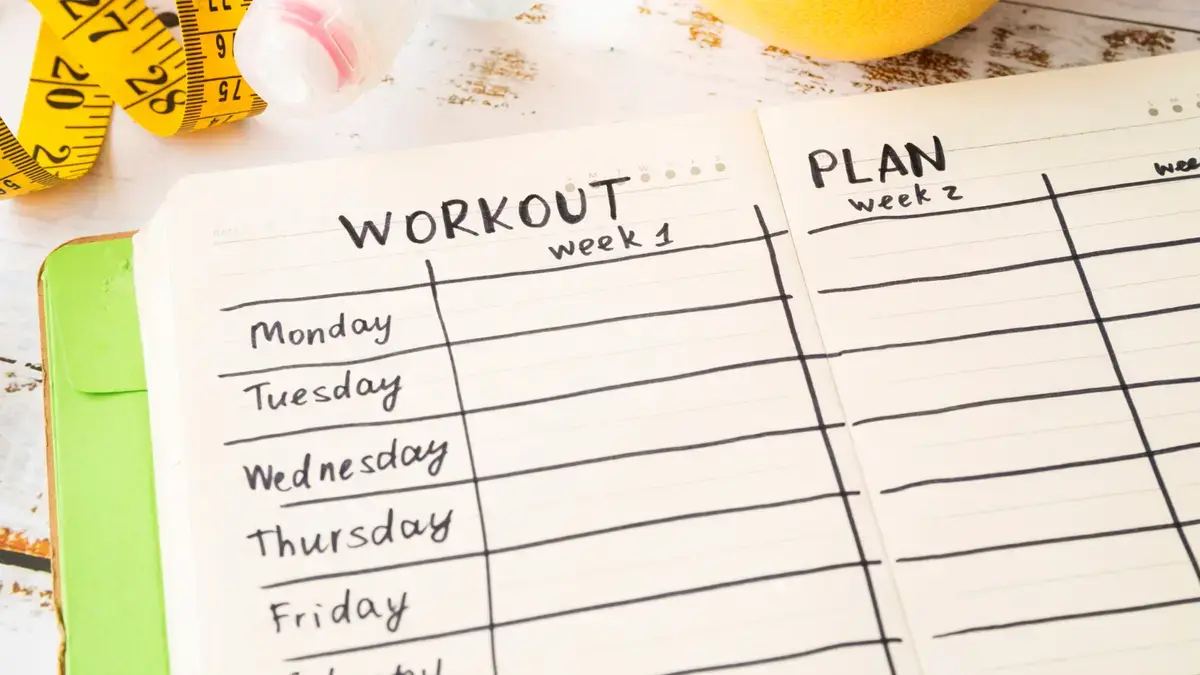
Your Weekly Workout Routine:
- Monday: 45 minute Zone 2 walk or light cycle.
- Tuesday: 30 minutes of strength training, focusing on legs and core.
- Wednesday: 45 minute Zone 2 swim or elliptical session.
- Thursday: 30 minutes of strength training, focusing on the upper body.
- Friday: 45-minute Zone 2 brisk walk, use the Talk Test.
- Saturday: Optional: 15 minutes of hard effort climbing stairs or a fast hike.
- Sunday: Active recovery. Take a light stroll or do some gentle stretching.
Focus on consistency over intensity. If you miss a day, just pick up where you left off. This plan builds a body that can handle the demands of daily life without getting tired.
Why Slowing Down is Often the Hardest Part?
It can be difficult to embrace a slower pace. You might see other people running fast at the park and feel like you are not working hard enough. This is a common trap. We are taught that exercise must hurt to be effective. But with Zone 2 cardio for women over 50, the goal is efficiency, not exhaustion. If you push too hard, you leave the fat burning zone and start burning sugar.

This triggers the exact stress response you want to avoid. Remind yourself that slow is building a stronger foundation for your heart and cells. By staying at a conversational pace, you are training your body to have more power for the rest of your life. Trust the process even when it feels easy. This patience is what creates real daily energy and fixes your metabolic health for good.
Conclusion
Zone 2 training is not lazy cardio. It is a smart, scientific way to work with your body instead of against it. By focusing on your mitochondria and managing your cortisol, you can stop the cycle of exhaustion. You deserve to have energy that lasts from your morning coffee until you hit the pillow at night.
This approach provides the physiological foundation for a healthy, active life after 50. It protects your heart, fixes your metabolism, and keeps your mind sharp.
⚠️MEDICAL DISCLAIMER
This article is for informational purposes only. It does not replace medical advice, diagnosis, or treatment. The information covers Zone 2 cardio, heart rate zones, mitochondrial function, cortisol management, fat oxidation, menopause and estrogen decline, belly fat storage, metabolic health, aerobic base building, VO2 max, weekly workout routine, strength training, bone density, LISS training, active recovery, stretching, Talk Test heart rate method, Karvonen method, energy levels, and chronic fatigue.
Individual results vary based on age, health status, and fitness level. Before changing your exercise routine, diet, or supplement use, talk to your doctor or a qualified health professional first. If you experience chest pain, dizziness, severe joint pain, or any sudden symptom during or after exercise, stop immediately and seek medical care.