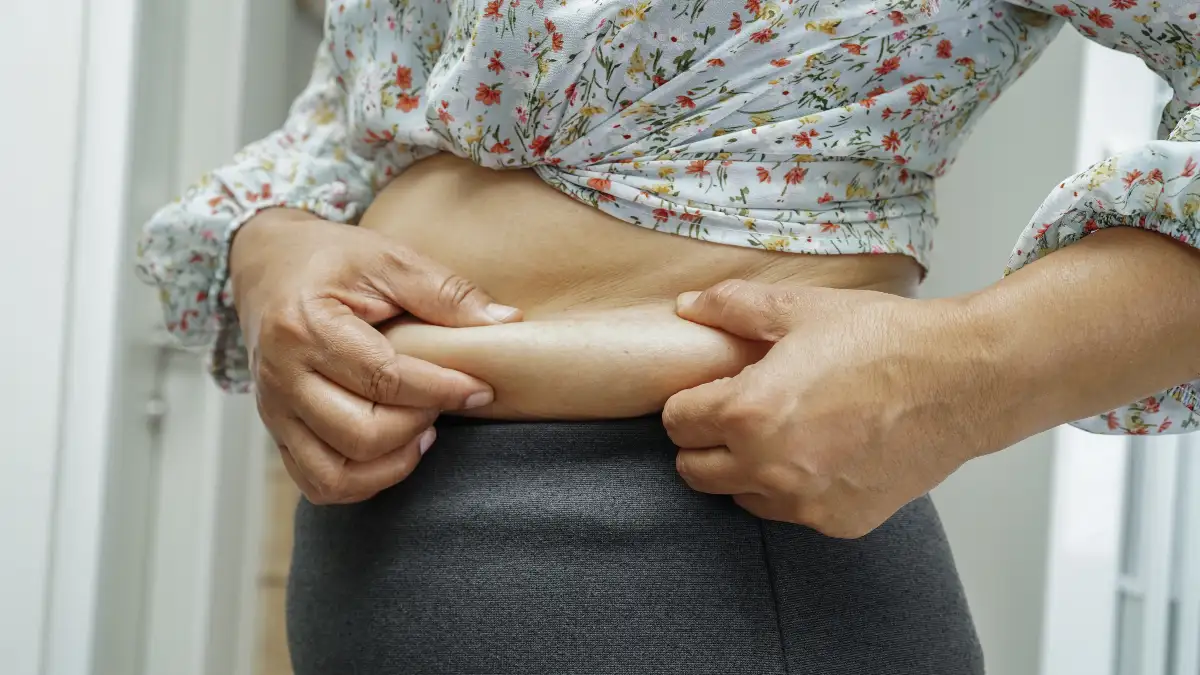
You haven’t changed your takeout order. You still go to the gym. Your grocery list looks the same as it did ten years ago. But your pants are getting tighter. It feels like your body is betraying you. This is the Caloric Gap. By the time you hit 50, your body stops running like the machine it was at 30. It isn’t your fault. It is biology.
You are likely dealing with belly fat after 50 because of hidden internal shifts. Your metabolism is changing how it handles energy. In this guide, you will learn why your body is suddenly storing visceral fat around your organs.
We will look at four big changes: hormones, muscle loss, insulin, and stress. Most importantly, you will get the 2026 Protocol. This is a simple plan to help your body stay flexible and burn fuel correctly again.
Why is Your Fat Moving to Your Middle?
For years, extra weight might have gone to your hips or thighs. This is called subcutaneous fat. It sits just under the skin. But after 50, things change. For women, estrogen levels drop. For men, testosterone levels fall. These hormones act like traffic cops for your fat cells. When they leave their post, the fat doesn’t just stay put. It moves.
UChicago Medicine reports that these hormonal declines change how your body stores lipids. Instead of sitting on your hips, fat starts moving deep inside your belly. This is called visceral fat. It wraps around your liver and heart. This is why you see more hormonal belly fat even if the scale hasn’t moved much.
There is also a hidden player called the estrogbolome. This is a group of bacteria in your gut. They help process estrogen. As you age, this gut system can get out of balance. This makes estrogen and weight gain a bigger problem. Your body struggles to clear out old hormones. This leads to more fat storage right where you don’t want it
Your internal map has been redrawn. The fat on your legs is being sent to your waistline. This isn’t just about looks. Visceral fat is active. It creates inflammation. Learning these visceral fat causes is the first step. You aren’t just getting old. Your chemical signals are changing.
Sarcopenia: The Reason Your Metabolism Slowed Down
Have you heard of sarcopenia? It sounds scary, but it just means age related muscle loss. Most people start losing muscle mass in their 30s. It happens slowly at first. You lose about 3% to 8% of your muscle every ten years. But once you hit 50, this process speeds up.
Think of muscle as your metabolic currency. Muscle is expensive for your body to keep. It burns calories even when you are sitting on the couch. Fat does not do that. When you lose muscle, your metabolic rate drops. Your engine becomes smaller. This is why eating the same thing is now a problem. If you had more muscle at 40, you could burn off that Friday night pizza easily.
At 50, you have less muscle to do the work. Research shows that the average person needs about 200 fewer calories every day just to stay the same weight. If you keep eating exactly what you always have, you end up with a surplus. That 200 calorie surplus doesn’t sound like much. But over a year, it adds up to 20 pounds of weight gain.
This is the core of sarcopenia and weight gain. Your body isn’t burning fuel as fast as it used to. You aren’t doing anything wrong. You are just operating with a smaller battery. To stop this, you have to protect your muscles. You can’t just do more cardio. Walking is great, but it doesn’t build the muscle you are losing.
You need to give your body a reason to keep its metabolic currency. Without resistance, your body will keep trading muscle for fat. This is why the old advice of just eating less often fails. If you eat less but don’t protect your muscles, your metabolism just drops even further.
The 2026 Plan to Fix Your Metabolism
You don’t need a fad diet. You need a strategy that fits your new biology. This is the 2026 Protocol. It focuses on metabolic health by addressing the problems we just discussed.
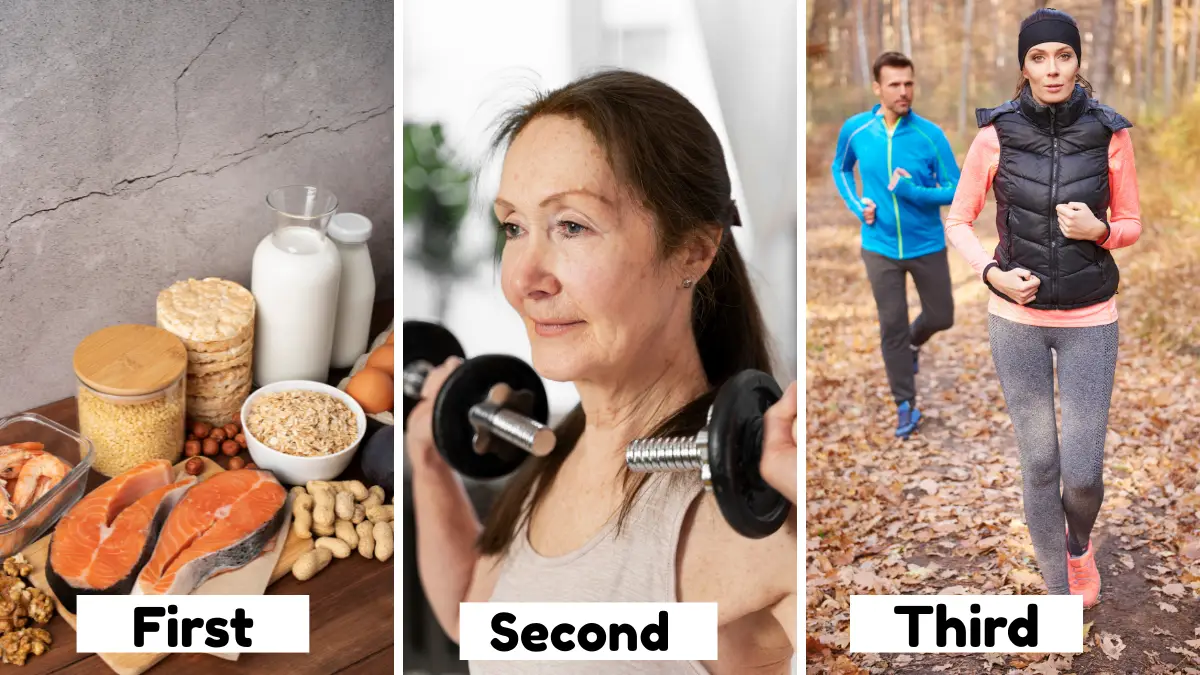
First: You must eat more protein. Most people over 50 don’t eat nearly enough. Aim for a high protein diet with 1.2 to 1.5 grams of protein for every kilogram you weigh. Protein does two things. It keeps you full. It also gives your body the tools to build muscle. Without enough protein, your workouts won’t work.
Second: Stop focusing only on cardio. You need strength training for belly fat. Lifting weights or using bands twice a week is now a requirement. This tells your body to stop the muscle loss. You don’t have to become a bodybuilder. You just need to challenge your muscles.
Third: Use the Dual Threat movement plan. This means doing Zone 2 training, like a brisk walk where you can still talk. Add in Micro HIIT. These are very short bursts of high effort. For example, walk fast for 30 seconds, then slow down for two minutes. This helps your heart and your insulin levels.
Finally: use technology to your advantage. Many watches now track Heart Rate Variability HR. This number tells you if you are too stressed. If your HRV is low, it means your cortisol is high.
On those days, don’t do a hard workout. Take a nap or go for a light walk instead. This stops the cortisol trap before it starts. By matching your effort to your body’s actual needs, you stop fighting against your biology.
Why Your Gut Health Matters for a Flat Belly?
Your gut is home to trillions of bacteria. These tiny bugs help you break down food and control your weight. As you get older, the bad bacteria can start to take over. This shift causes bloating and constant inflammation. It also makes your body more likely to store fat in your midsection. This is why you might feel heavy or puffy, even if you didn’t eat a big meal.
A healthy gut keeps your metabolism moving fast and keeps your stomach looking flatter. You can help your gut by changing a few simple habits. Try to add foods like yogurt or sauerkraut to your daily meals. These foods have good bacteria that help your digestive system stay on track.
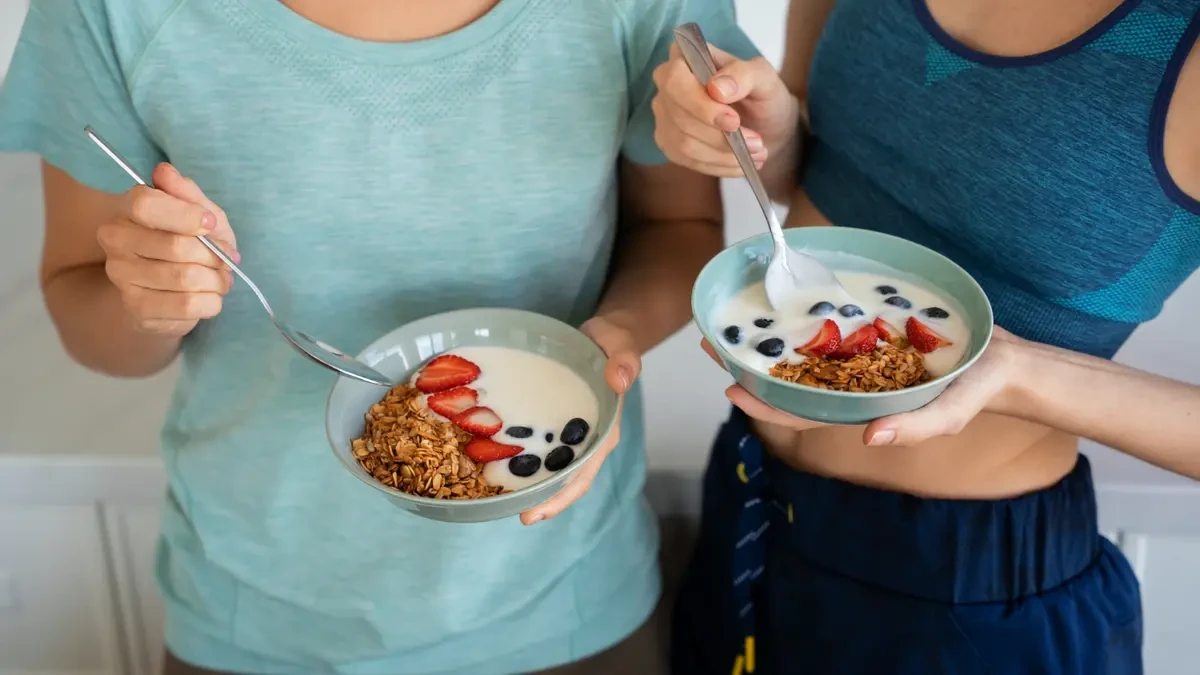
You also need fiber from things like beans, berries, and green vegetables. Fiber acts like fuel for the helpful bugs in your system. When your gut is healthy, your body stops hoarding fat around your organs and starts using it for energy instead.
Does Your Evening Drink Cause Belly Fat?

Your liver is the main organ that burns fat. But it has a secret rule. It will always process alcohol before it touches fat. When you have a glass of wine or a beer, your fat burning furnace shuts down. Your body focuses entirely on clearing out the drink. This means the food you ate for dinner is more likely to be stored as fat. As you get older, your liver gets slower at this job.
One drink can stall your metabolism for much longer than it did in your 30s. Alcohol also messes with your hormones and your sleep. Even if it helps you fall asleep, it keeps you from getting deep rest. This lack of deep sleep causes your cortisol to spike the next morning. High cortisol is a direct signal for your body to store belly fat.
It also makes you crave sugary snacks the next day. If you are stuck and cannot lose weight, try skipping alcohol for a few weeks. You will likely sleep better and see your waistline start to shrink.
Conclusion
Gaining belly fat after 50 is not a sign of failure. It is not about a lack of willpower. Your body has simply changed its internal rules. The old way of staying fit doesn’t work because your hormones and muscles are different now. You are dealing with a new biological template.
The good news is that you can adapt. You can close the Caloric Gap by prioritizing muscle and managing stress. Stop trying to out-cardio a changing metabolism. It won’t work. Instead, give your body what it actually needs: protein and resistance.
⚠️MEDICAL DISCLAIMER
This article is for informational purposes only. It does not replace medical advice, diagnosis, or treatment. The information covers belly fat storage, visceral fat, hormonal changes including estrogen and testosterone decline, gut health and the estrobolome, sarcopenia and muscle loss, metabolic rate, caloric intake, protein intake, strength training, Zone 2 cardio, Micro HIIT, Heart Rate Variability, cortisol management, insulin levels, inflammation, alcohol and fat metabolism, sleep, fiber intake, and probiotic foods.
Individual results vary based on age, health status, and fitness level. Before changing your exercise routine, diet, or supplement use, talk to your doctor or a qualified health professional first. If you experience chest pain, dizziness, severe joint pain, or any sudden symptom during or after exercise, stop immediately and seek medical care.