You wake up and try to stretch. But your calf or shoulder feels like it has a hard knot tied inside. Many people think this is just a normal part of getting older. It isn’t. Your body is going through a real change in its tissue. Over time, your fascia, the thin layer covering your muscles, loses water. It gets sticky and creates painful trigger points.
This tight tissue makes moving feel like a chore. But you don’t need to spend hundreds on a weekly massage. You can fix this at home. Foam rolling is a simple way to help. It helps you find relief and move better. This guide shows you how to treat muscle knots after 60 safely. You can get back to your favorite activities without that constant ache.
Why Does Your Body Feel Stiffer After 60?
Your muscles feel different from what they did twenty years ago. There is a scientific reason for this age related muscle stiffness. Think of your fascia like a kitchen sponge. When it is wet, it is soft and moves easily. As we age, that tissue loses water. It becomes dry and brittle.
The Journal of Aging and Physical Activity notes that these connective tissue changes are common as we get older. Your collagen quality also shifts. Instead of smooth, straight fibers, they start to look like a tangled mess. If you sit for a long time, these fibers glue together.
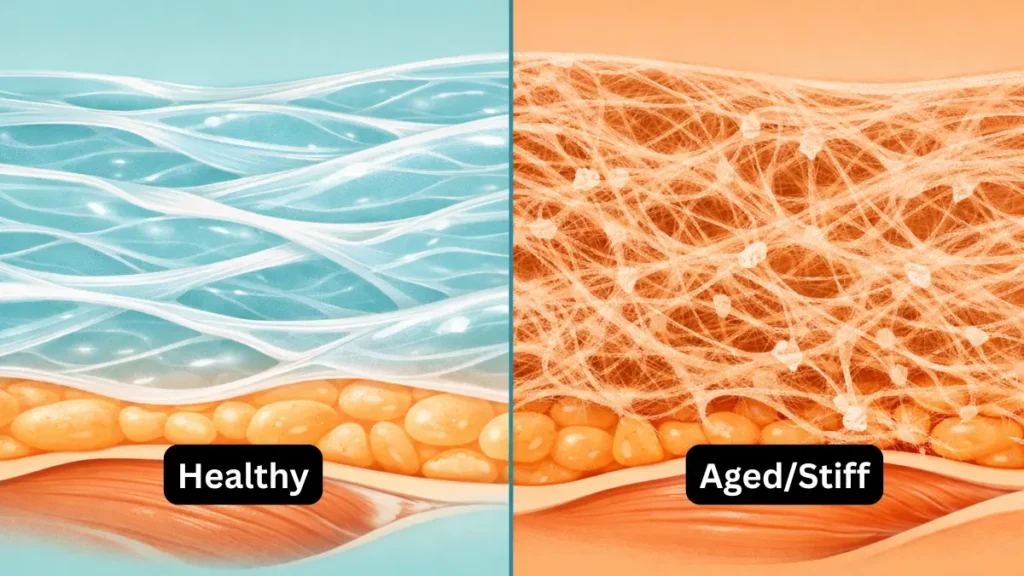
Some experts call this fascial fuzz. When you don’t move enough, your muscles stay in a tight, contracted state. These small tangles turn into the hard knots you feel today. It is a cycle that makes you want to move less. But breaking that cycle is easier than you think.
How Foam Rolling Melts Away Pain?
Foam rolling is a type of myofascial release for seniors. It works by using your own body weight to press on tight spots. When you apply pressure to a knot, your nervous system receives a signal. This signal tells the muscle to stop guarding and let go. Scientists call this neuromuscular relaxation. It is like hitting a reset button for your nerves. And here is why that matters for your recovery.
Think back to that dry sponge. When you press on it and release, it creates suction. This draws in fresh blood flow and water. This sponge effect helps rehydrate your dry tissue. The pressure also helps pull apart those stuck layers of tissue.
We call these stuck spots adhesions. By separating them, your muscles can finally slide past each other again. You aren’t just rubbing your skin. You are changing how your tissue behaves from the inside out.
Which Roller Should You Actually Buy?
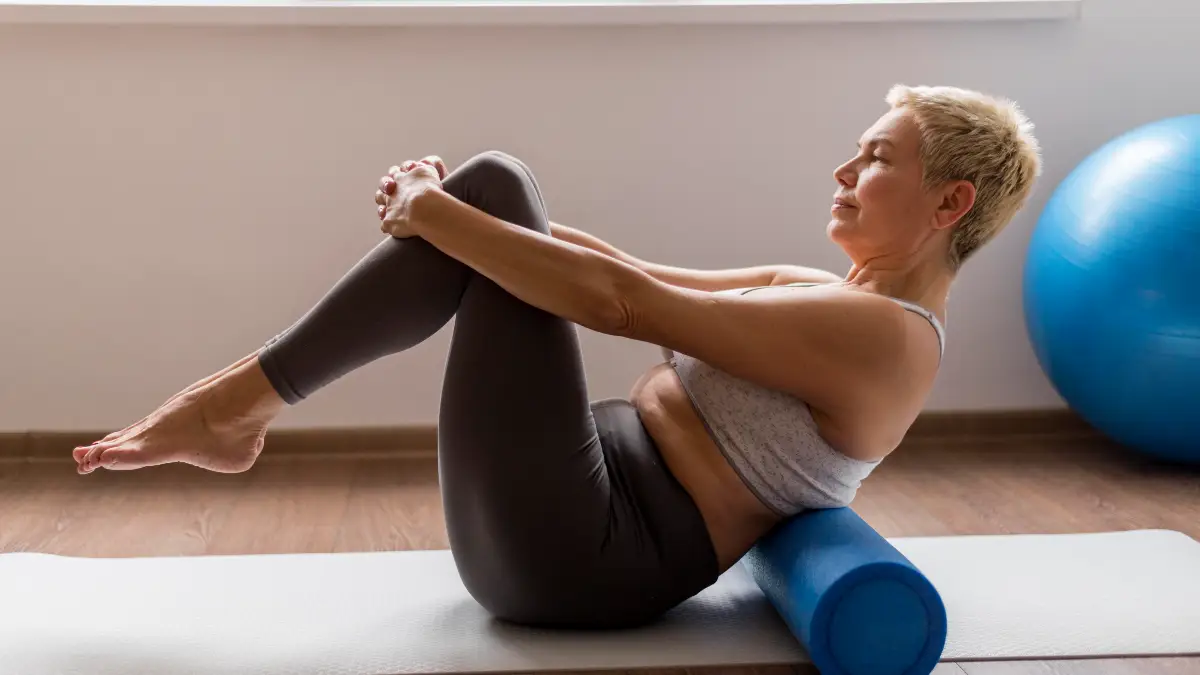
Don’t buy the first roller you see at the gym. Many of them are hard, black plastic. These are often too painful for people over 60. Your skin and muscle tissue get thinner as you age. A hard roller can cause bruising. It can also make your muscles tighten up even more to protect themselves.
Instead, look for a soft or low density roller. A 6-inch-diameter, soft-density EVA foam roller is a great choice. It feels more like a firm pillow than a piece of wood. Some rollers even vibrate. These are excellent because the vibration helps soothe your nerves while you work on the knots. Pick something that feels firm but doesn’t make you wince. If it hurts too much, your body won’t relax.
Stay Safe: When to Stop Rolling
Foam rolling is helpful, but you must do it correctly. There are a few No Go zones. Never roll your lower back or your neck. These areas have sensitive nerves and small bones that do not like direct pressure. Keep the roller on the big, meaty parts of your muscles.
You also need to watch your pain level. On a scale of 1 to 10, aim for a 4. It should feel like good pain, the kind you feel during a deep massage. If you feel sharp or shooting pain, stop immediately.
Finally, check with your doctor if you take blood thinners. Since your skin is more delicate, you might bruise more easily than others. Take it slow at first. Your body needs time to get used to the pressure.
Should You Roll in the Morning or at Night?
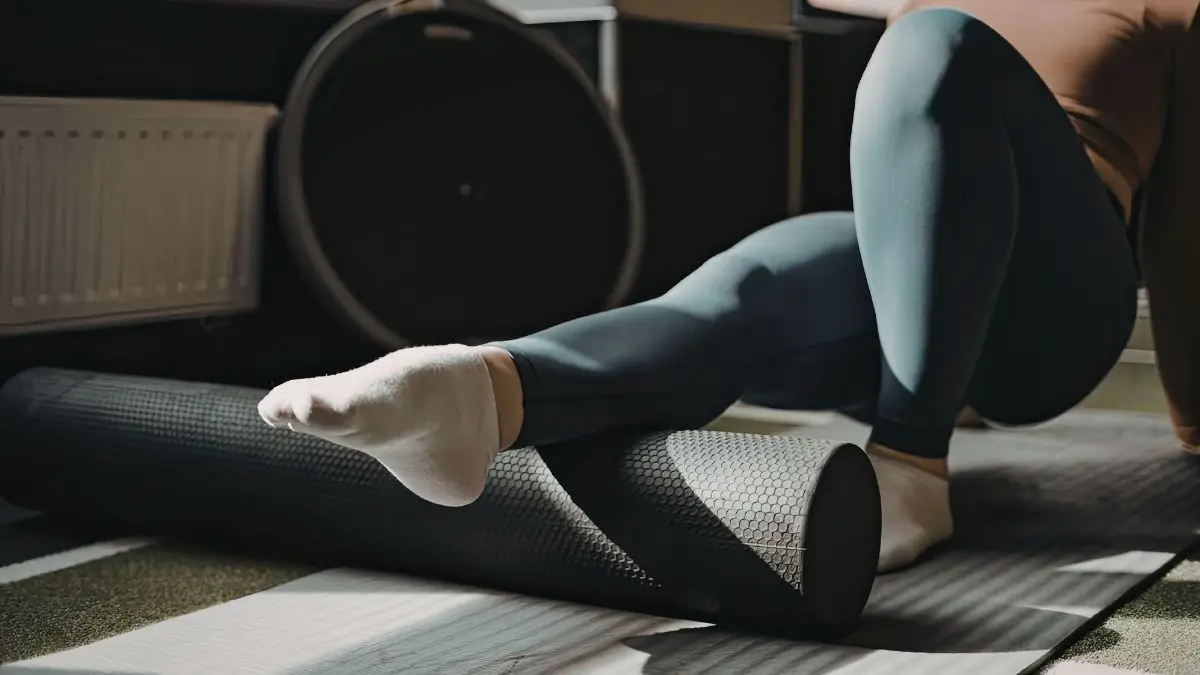
Many people ask when they should find time for this routine. The answer depends on how your body feels. If you feel very stiff when you first wake up, a quick morning session is best. It wakes up your muscles and helps you move better all day long. If you struggle with leg cramps or tension before bed, try rolling in the evening.
This helps your nervous system relax so you can fall asleep faster. You don’t need a long workout. Just five minutes before you brush your teeth is enough to see a change. Pick the time that is easiest for you to remember. Consistency is what really melts the knots away.
The Simple Secret to Faster Muscle Relief
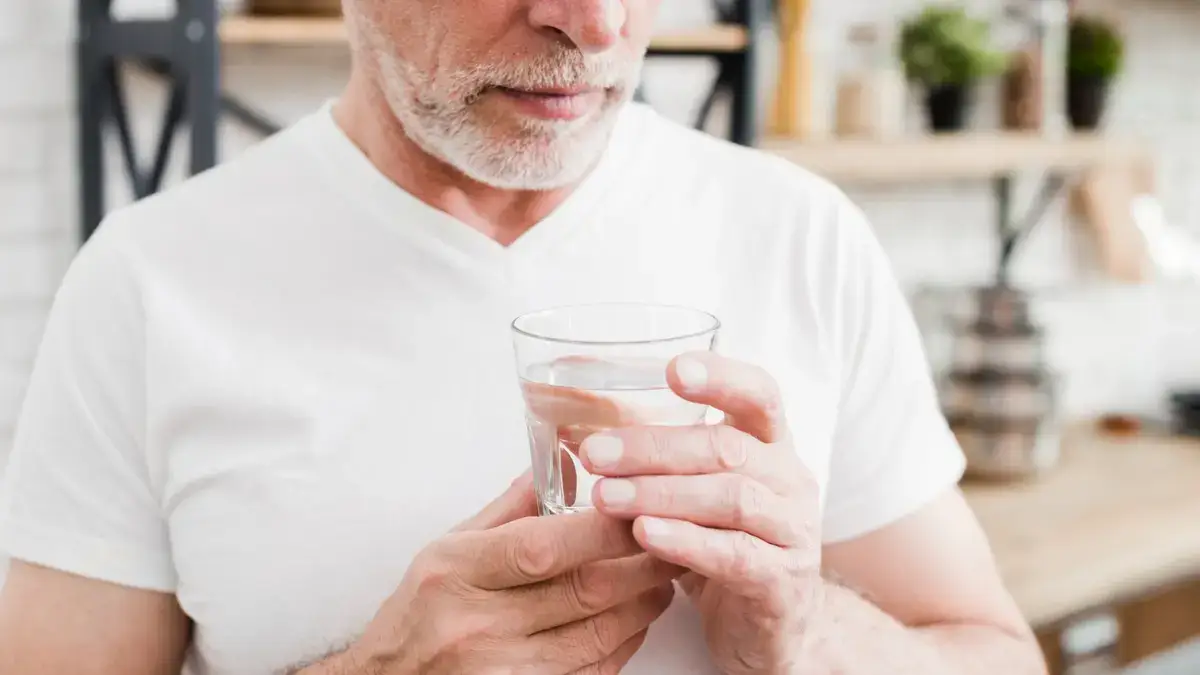
Foam rolling works much better when you stay hydrated. Remember the dry sponge we talked about earlier? A dry sponge is hard and can even break if you try to bend it. Your muscles and fascia act the same way. If you don’t drink enough water, those knots will likely come back the next day.
Try to drink a full glass of water right after you finish your rolling session. This helps refill the tissue you just pressed on with fresh fluid. It keeps your muscles slippery and stops them from sticking together again. Think of water as the oil that keeps your body’s engine running quietly. When you combine water with rolling, you will feel looser and have more energy.
Conclusion
Keeping your body moving is the best way to enjoy your later years. You don’t have to live with constant stiffness. Foam rolling for muscle knots after 60 is one of the best tools you can use. It is a simple, cheap way to take care of your body at home. You aren’t just fixing a knot.
You are helping your tissue stay hydrated and healthy. Start with just five minutes today. Pick one muscle group and try it out. You might feel a difference the very first time. Your 70 year old self will thank you for taking this small step now.
⚠️MEDICAL DISCLAIMER
Medical/Fitness template: This article is for informational purposes only. It does not replace medical advice, diagnosis, or treatment. The information covers age-related muscle stiffness, foam rolling, myofascial release for seniors, muscle knot treatment, foam roller selection, exercise safety zones, and hydration for muscle relief. Individual results vary based on age, health status, and fitness level.
Before changing your exercise routine, diet, or supplement use, talk to your doctor or a qualified health professional first. If you experience chest pain, dizziness, severe joint pain, or any sudden symptom during or after exercise, stop immediately and seek medical care.”