

Most people think stress is for the young. They think about busy offices, long commutes, and growing families. But after you hit 60, stress changes. It becomes a different, more dangerous physical weight. Your body used to bounce back. Now, your natural defenses are tired. High cortisol stays in your blood longer. It creates a cycle that is hard to break.
This is the reality of chronic stress after 60. It speeds up your biological aging. In this guide, you will see exactly how stress hurts your body. You will also find ways to fight back using the latest 2026 health tips.
1. Why Is Your Memory Slipping? Stress and Your Brain
Chronic stress hits your brain hard. It targets the hippocampus. This is the part of your brain that handles memory and learning. High cortisol levels act like a slow poison here. In 2025, a major study showed a clear stress dementia link. It found that high stress helps Tau proteins build up in the brain. These proteins are early markers for Alzheimer’s disease.
You might feel brain fog or forget names more often. This is not always just a part of getting older. It might be your body paying the price for high stress. When you are constantly worried, your brain stays in survival mode.

It stops storing new memories properly. Managing your dementia risk starts with lowering your daily stress. It is the best way to keep your hippocampus healthy in check. You can’t think clearly when your brain is on high alert.
2. The Inflammaging Trap: Why Your Joints Ache?
Have you heard of inflammaging? It is a mix of the words inflammation and aging. Stress makes this process much worse. It acts like a match to a fire. Recent data shows that people over 60 with high stress have 40% higher CRP levels. CRP is a marker for inflammation that doctors find in your blood.
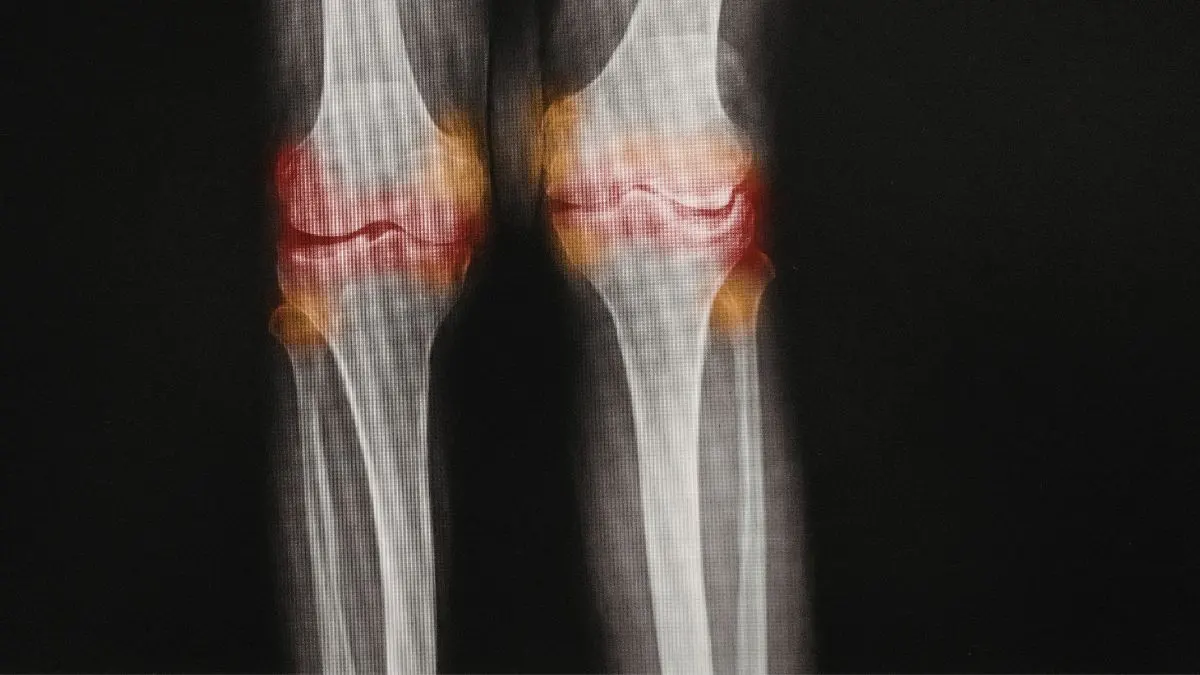
This leads to more joint pain and stiffness. It can even trigger arthritis. But it doesn’t stop at your joints. This low grade fire spreads to your organs. It makes it harder for your body to process sugar. This raises your risk for type 2 diabetes. Lowering your stress is about protecting your metabolic health. It stops systemic inflammation before it causes lasting damage.
3. Is Your Heart Working Too Hard? Stress and Stiff Arteries
Your heart changes as you age. Your blood vessels naturally get a bit stiffer. When you are stressed, your body pumps out adrenaline. This raises your blood pressure instantly. For someone over 60, this is a very heavy load. It increases your heart disease risk.
There is also a condition called broken heart syndrome. This is a real medical issue. It happens more often to women after menopause during times of high grief or stress. It can feel just like a heart attack. High stress makes stroke prevention much harder because your heart never gets a break. Keep your heart safe by watching how much pressure you put on your mind.
4. Why You Can’t Shake That Cold: A Weakened Immune System
Do you feel like you are always getting sick? Chronic stress might be the reason why. It lowers your T cell count. These cells are the soldiers of your body. Without them, you have a weakened immune system. The National Council on Aging NCOA shared some important data.

Stressed seniors take twice as long to recover from the flu or pneumonia. Their wounds also heal much more slowly. Even vaccines do not work as well when you are stressed. To improve your recovery time, you must find ways to relax. It is a vital part of senior health in 2026.
5. The Cellular Timer: How Stress Shaves Years Off Your Life
Think of your DNA like a shoelace. At the end of each strand is a plastic tip. These are called telomeres. They protect your cells so they can copy themselves correctly. Stress acts like a pair of scissors. It cuts these tips short. This is called telomere shortening. When these tips get too short, your cells stop working.
They become zombie cells that cause aging. One study on people who care for sick relatives showed something shocking. Their high stress levels made them biologically 10 years older than their actual age. Protecting your biological age means protecting your DNA. Good DNA protection keeps you young from the inside out.
6. Wired but Tired: Why You Can’t Sleep?
You might feel exhausted all day. But when your head hits the pillow, your mind won’t stop. This is the wired but tired loop. High cortisol spikes at night ruin your sleep. They mess up your internal clock and stop you from reaching deep sleep. In 2026, sleep hygiene is more than just a dark room.

Many people now use Magnesium to calm their nerves before bed. Others use small amounts of Melatonin to reset their rhythm. Without deep sleep, your body cannot fix the damage from the day. Ending these sleep disruptions is the only way to stop chronic insomnia.
7. The Gut-Brain Axis: Why Stress Causes Weight Gain?
Stress does not just stay in your head. It moves to your gut. It can cause a leaky gut. This means your body stops taking in vital nutrients from your food. You might miss out on B12 or Magnesium even if you eat well. You might also notice a stress belly. This is fat that sits around your middle.
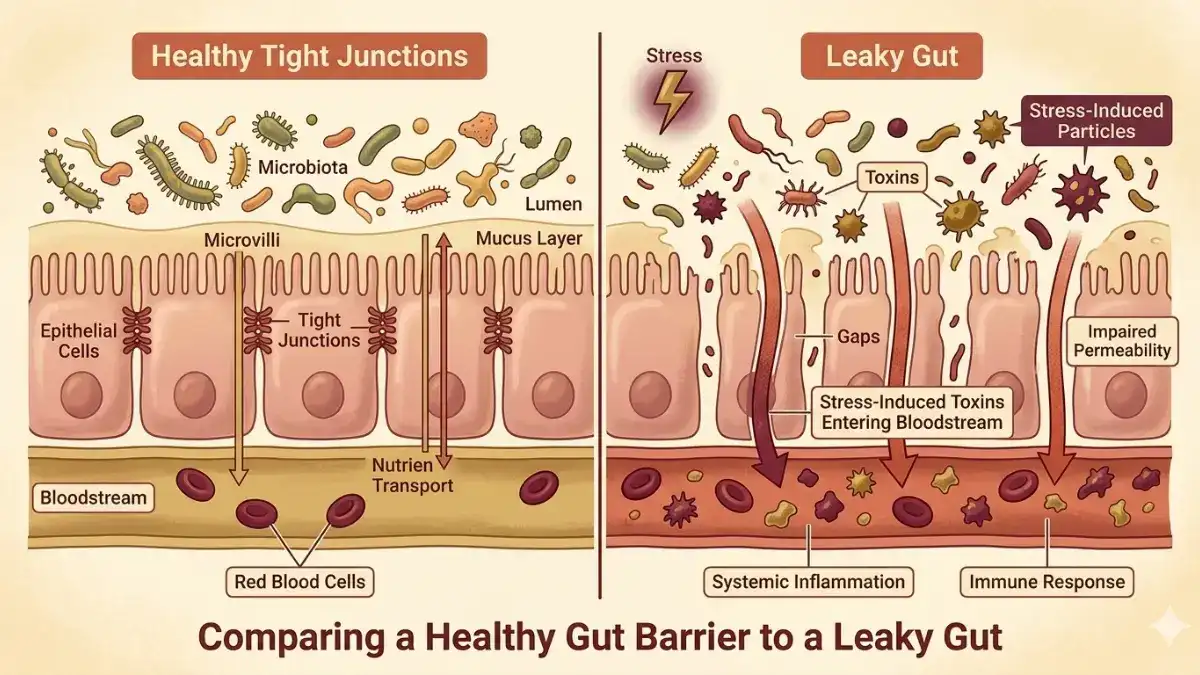
Your body stores this fat because it thinks you are in danger and need extra energy. This changes your metabolic health. It also causes stomach pains, constipation, or other issues. Fixing your gut microbiome is a huge part of your overall digestive health.
Conclusion
Stress is more than just a feeling. It is a physical load that your body carries every day. After 60, that load gets heavier, and the price is higher. But you do not have to carry it alone. You can take control of your health today. Start by talking to a doctor about testing your cortisol levels.
You can also try a Stress Audit to see what parts of your life are draining you. Managing chronic stress after 60 is the best way to live a long, vibrant life. You deserve to feel good in your own body.
⚠️MEDICAL DISCLAIMER
This article is for informational purposes only. It does not replace advice from a licensed mental health professional. The information covers memory and learning, dementia risk, stress management, and sleep hygiene. If you are experiencing a mental health crisis, please contact a qualified therapist or counselor. If you are in immediate danger, contact emergency services or a crisis helpline right away.