
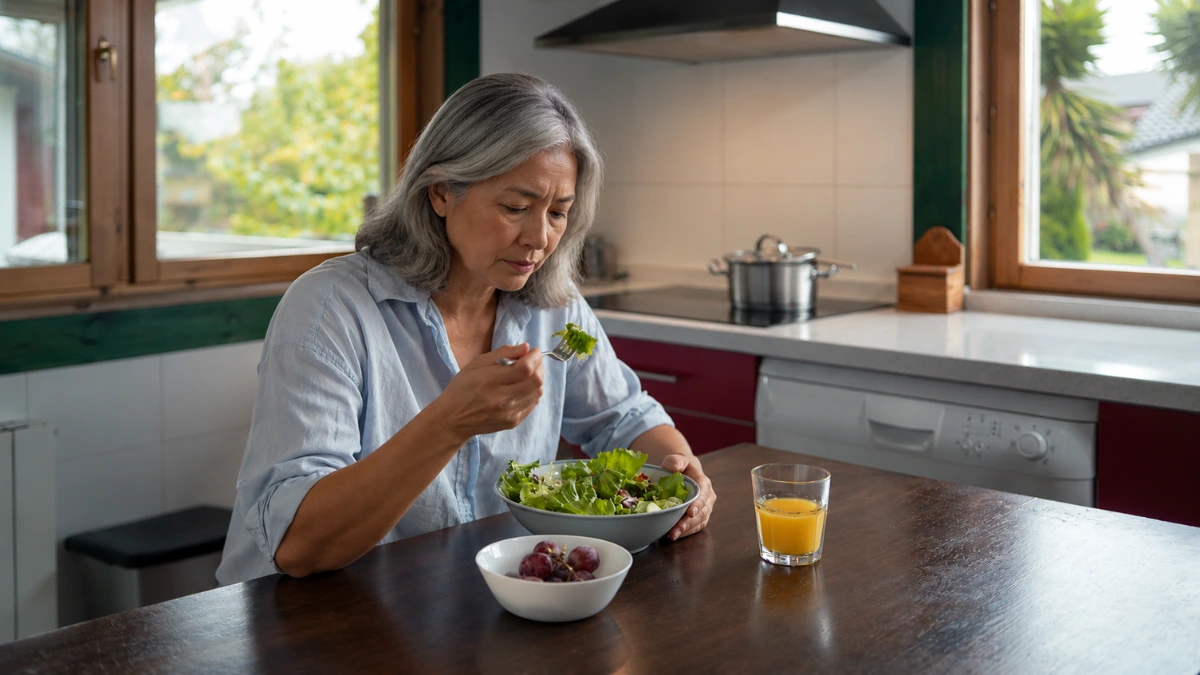
You’ve swapped the steak for spinach and the chips for almonds, so why are you suddenly dealing with the excruciating pain of a kidney stone? It feels like a betrayal. You are doing everything right for your body, yet your reward is a trip to the ER. The truth is that after 50, your body changes how it handles waste.
Your metabolism slows down, and your kidneys become less efficient at flushing out certain compounds. One of the biggest hidden threats to your kidney health is actually found in your favorite health foods. Compounds called oxalates can turn a “clean” diet into a recipe for stones.
Oxalate Trap and why common superfoods might be working against you. We will also look at why the old advice to cut out dairy is a dangerous myth.
By the end, you’ll know exactly how to pair your favorite high oxalate foods with the right nutrients to stay stone-free. Managing your kidney stone risk after 50 doesn’t mean eating a boring diet; it means eating a smarter one.
This article is for informational purposes only and does not constitute medical advice. Always consult your healthcare provider before making changes to your diet, especially if you have a history of kidney stones or existing kidney conditions. Individual dietary needs vary based on personal health history.
The Oxalate Trap: When Superfoods Attack
Most people think kidney stones come from junk food. But the most common type of calcium oxalate stones often starts with vegetables.
Oxalates are natural compounds found in plants. Usually, your body gets rid of them through urine. But after 50, your kidneys may struggle to keep up.
When you have too many oxalates and not enough liquid, they bind together. They form sharp crystals that grow into stones. Some of the biggest culprits are the stars of a healthy diet:
- Spinach: This is the heavyweight champion of oxalates. Half a cup of cooked spinach has about 755mg.
- Almonds: A popular snack for heart health, but very high in stone-forming compounds.
- Beets and Rhubarb: Both are packed with oxalates.
For someone prone to stones, doctors often suggest keeping oxalate intake under 100mg per day. You can see how one spinach salad can put you way over the limit. You don’t have to quit these foods forever, but you do need to change how you eat them.
Small shifts in your grocery list, like swapping spinach for kale, which is much lower in oxalates, can make a massive difference.
Why Cutting Dairy Backfires?
If you hear you have a calcium stone, your first instinct is to stop eating calcium. Many people over 50 cut out milk, cheese, and yogurt to protect their kidneys. This is a mistake. In fact, eating too little calcium can increase your risk of stones by 50%.
When you eat calcium and oxalates together, they find each other in your stomach. They bind together right there.
Since the knot they form is too big to enter your bloodstream, it passes safely through your gut and out as waste. If there is no calcium in your stomach, the oxalates travel alone. They head straight to your kidneys. Once they get there, they have nothing to bind to except the calcium already in your urine. That is where the stone is born.
Never eat a high oxalate food alone. If you want a few almonds, have them with a piece of cheese. If you’re eating beets, add some Greek yogurt. This simple trick keeps the stone-making process out of your kidneys and in your digestive tract, where it belongs.
Is Your Healthy Protein and Vitamin Plan Hurting You?
Beyond vegetables, other healthy habits can cause trouble. Many people over 50 try Paleo or Keto diets to stay lean. These diets are often very high in animal protein. While protein is great for muscles, too much red meat, chicken, and fish can raise the acid levels in your urine. High acid levels make it very easy for uric acid stones to form.
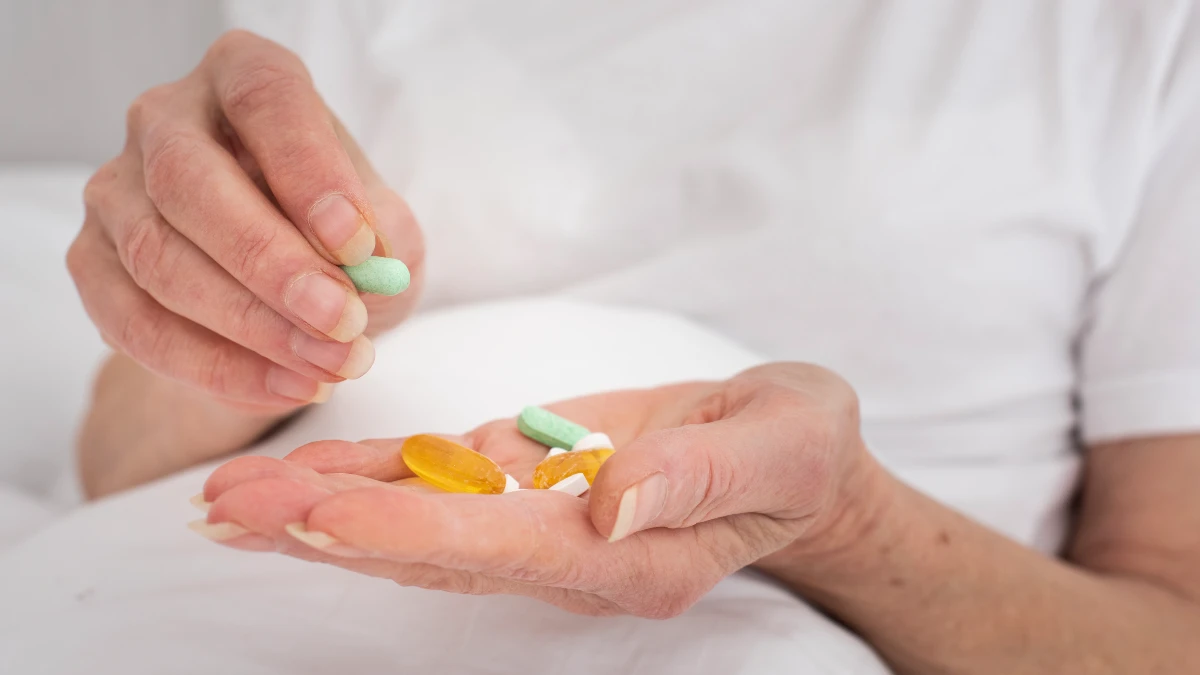
Your supplements might also be a hidden trigger. Many people take high doses of Vitamin C to boost their immune system. But your body can only use so much. The extra Vitamin C often turns into, you guessed it, oxalate. Taking 1,000mg or more of Vitamin C in a pill can increase the oxalate in your urine by 40%.
It is always better to get your vitamins from a piece of fruit rather than a bottle. Finally, watch out for healthy salt. Even expensive sea salt forces your kidneys to dump more calcium into your urine. This extra calcium is the raw material for stones. Even a clean salad from a restaurant can have a day’s worth of sodium in the dressing.
Your 2026 Action Plan: 3 Steps to Stay Stone-Free
You don’t need to live in fear of your next meal. Follow these three steps to keep your kidneys clear as you age.
The 2.5 Liter Goal
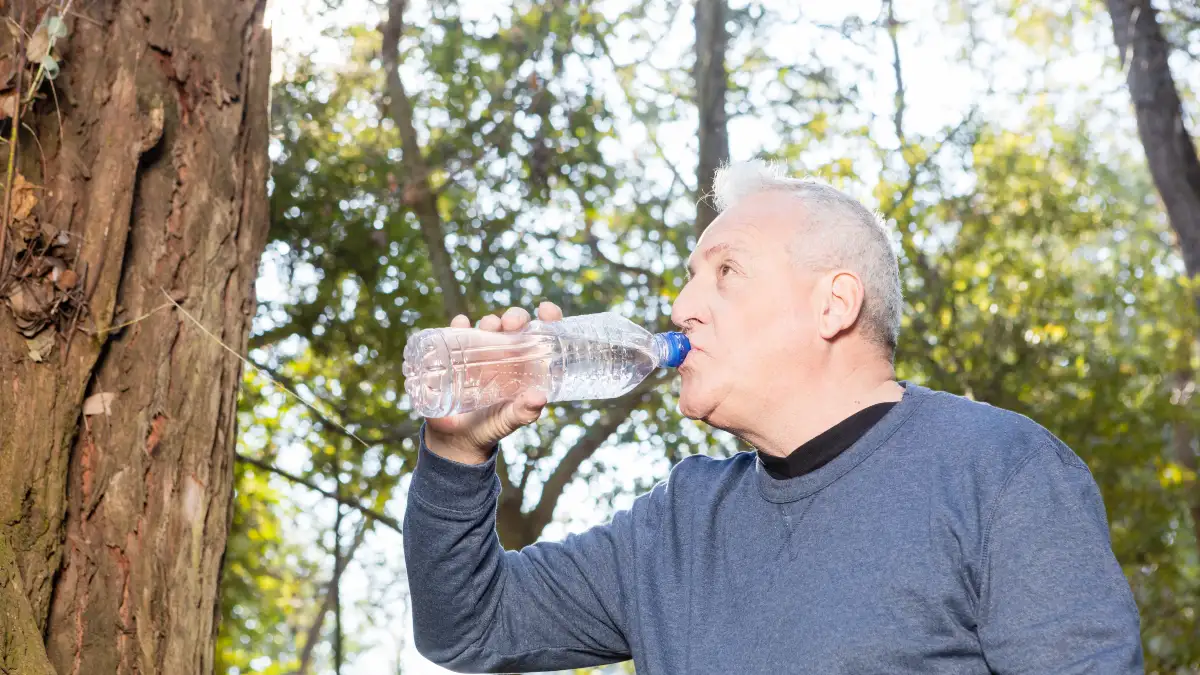
This is the most important rule. You need to drink enough water so that your urine is almost clear. If you aren’t peeing 2.5 liters a day, stones have a chance to grow.
The Citrate Hack
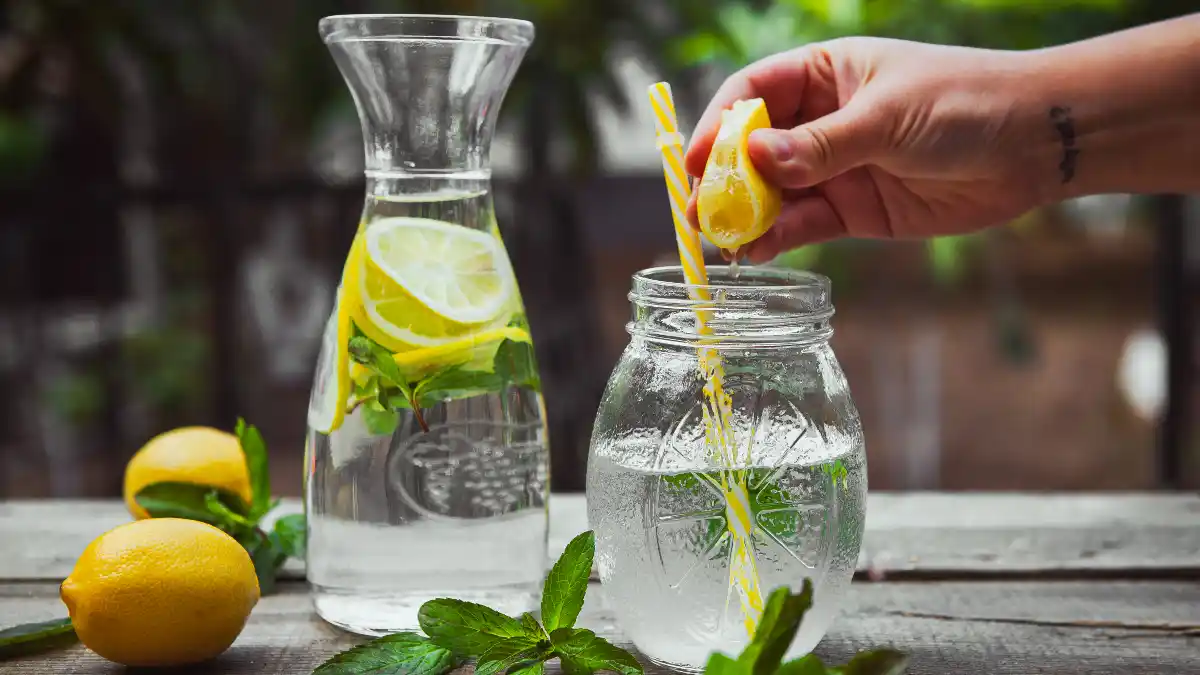
Squeeze fresh lemon or lime into your water. These fruits are high in citrate. Think of citrate as a natural non-stick coating for your kidneys. It stops crystals from sticking together to form a stone.
Swap Your Proteins
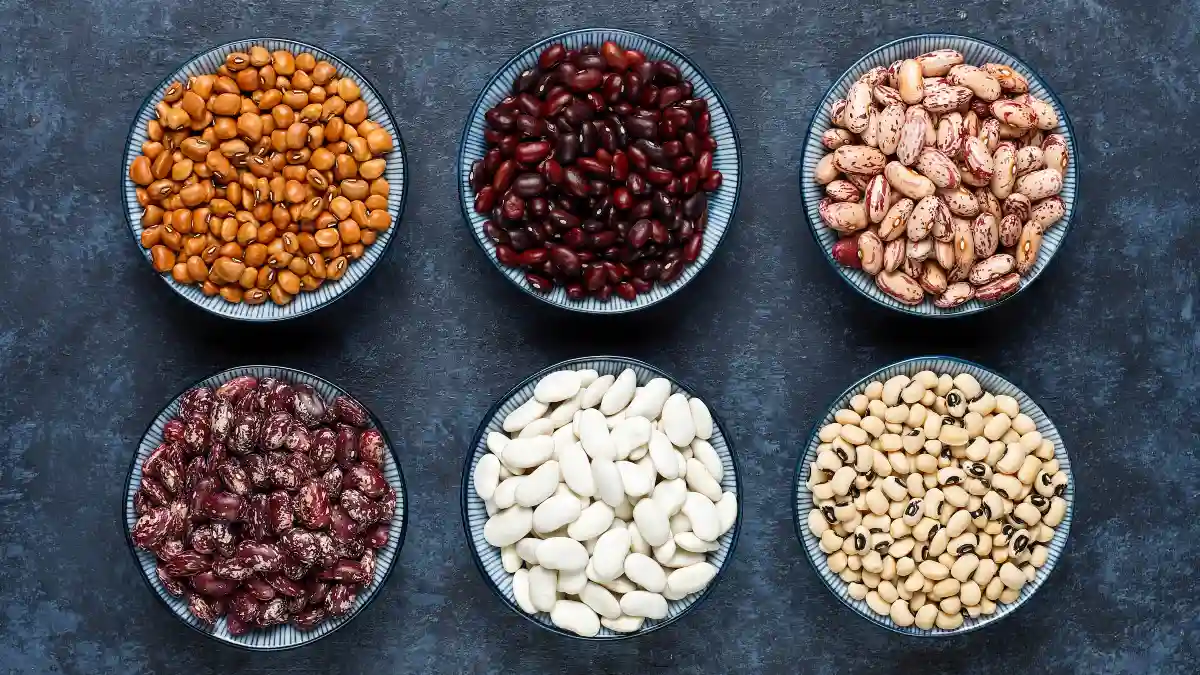
Try to get more protein from plants like lentils or beans once or twice a week. These don’t raise acid levels the way a steak does.
Staying active also helps. Even a daily walk helps your body process minerals better. The goal isn’t to be perfect. It is to give your kidneys the liquid and the partners like calcium and citrate they need to do their job.
The Role of Oxalates in Healthy Superfoods
Many foods traditionally celebrated for their nutritional density, such as spinach, beets, and almonds, are also incredibly high in oxalates. Under normal circumstances, the kidneys process these compounds without issue; however, as metabolic efficiency shifts after 50, these oxalates can bind with calcium in the urinary tract.
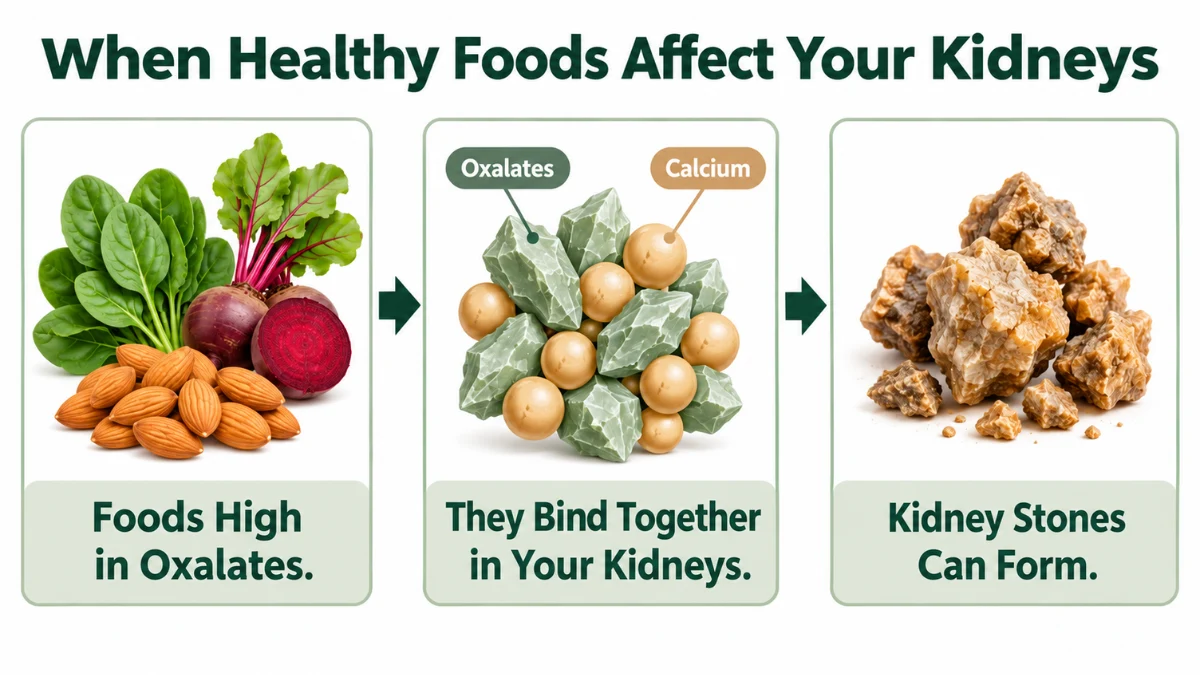
This creates sharp, crystalline structures known as calcium oxalate stones. For those prioritizing a plant-forward diet, understanding the balance between nutrient density and mineral accumulation is a vital step in maintaining long-term renal health.
Hydration and Mineral Balance Strategies
Preventing stone formation while maintaining a high-quality diet often comes down to mineral pairing and hydration. Consuming calcium-rich foods alongside high-oxalate vegetables can help by binding oxalates in the stomach before they reach the kidneys.
Additionally, increasing intake of citrate-rich fruits, such as lemons and limes, can inhibit crystal growth.
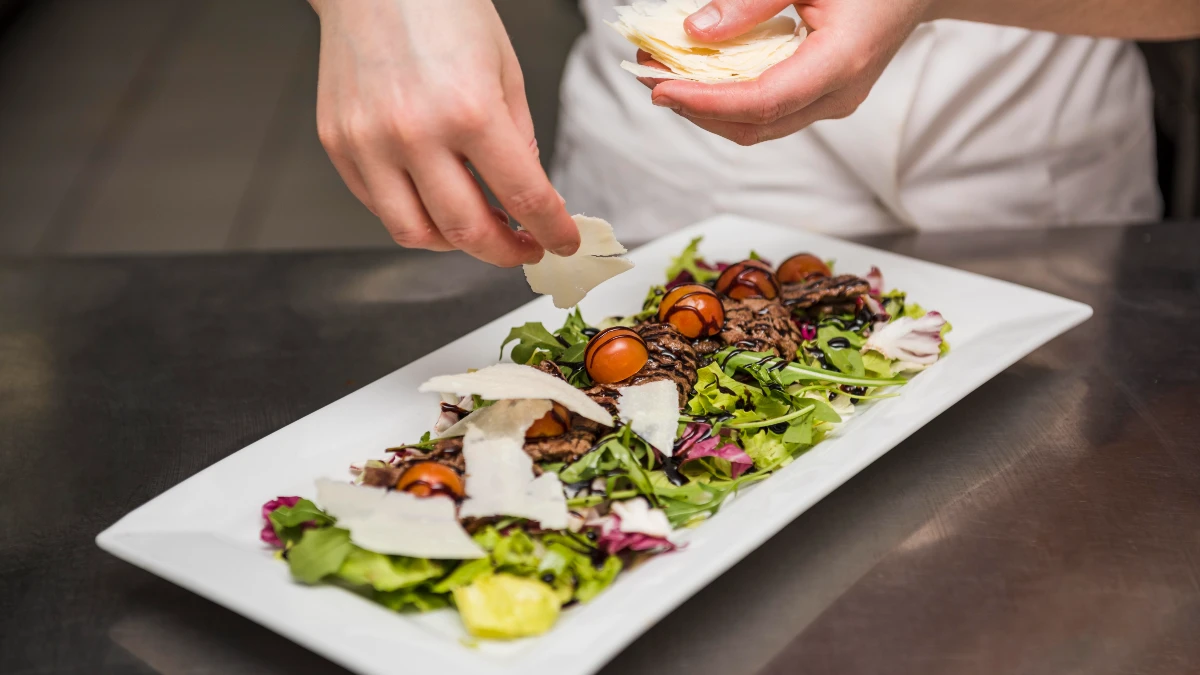
Shifting the focus from simply eating clean to eating for mineral balance allows for a robust wellness routine that protects the kidneys without sacrificing essential nutrition.
Eat Smarter, Stay Stone-Free After 50
Managing your kidney stone risk after 50 is all about balance. You don’t have to give up your favorite healthy foods. You just need to stop eating them in isolation. Remember to pair your greens with calcium, keep your water bottle full, and watch your supplement intake.
Kidney stones are incredibly painful, but they are also largely preventable with the right habits. If you have had a stone before, your next step should be a 24-hour urine test. Ask your doctor for one. It will tell you exactly what kind of stones your body makes so you can create a plan that fits your specific needs. Stay hydrated and stay proactive.