
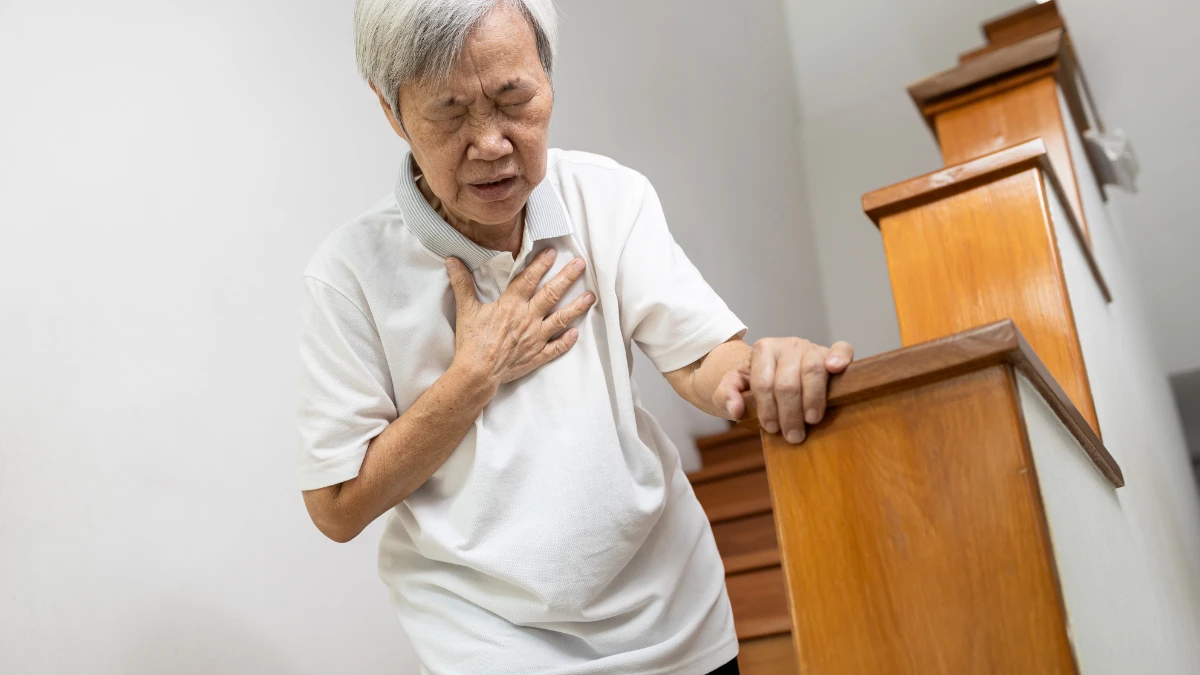
You climb one flight of stairs. Your legs feel heavy. You grab the railing. Then you stand at the top, waiting to breathe again. You think: I’m just out of shape. It’s my age. It’s nothing. But here’s what most people don’t know: cardiologists use stair climbing as an actual medical test.
The way you breathe on stairs can reveal serious heart trouble before you ever feel chest pain. This article will show you how to read that signal. And when to act on it.
Why Stairs Hit Your Heart So Hard?
Stairs are not like walking on flat ground. Every step forces you to push your entire body upward against gravity. It’s like doing a lunge with your full body weight over and over again.
Dr. Karl Erickson, a performance specialist at Mayo Clinic Sports Medicine, explains: You’re lifting your body the same way you would in a squat or lunge. That’s hard work even for a healthy heart.
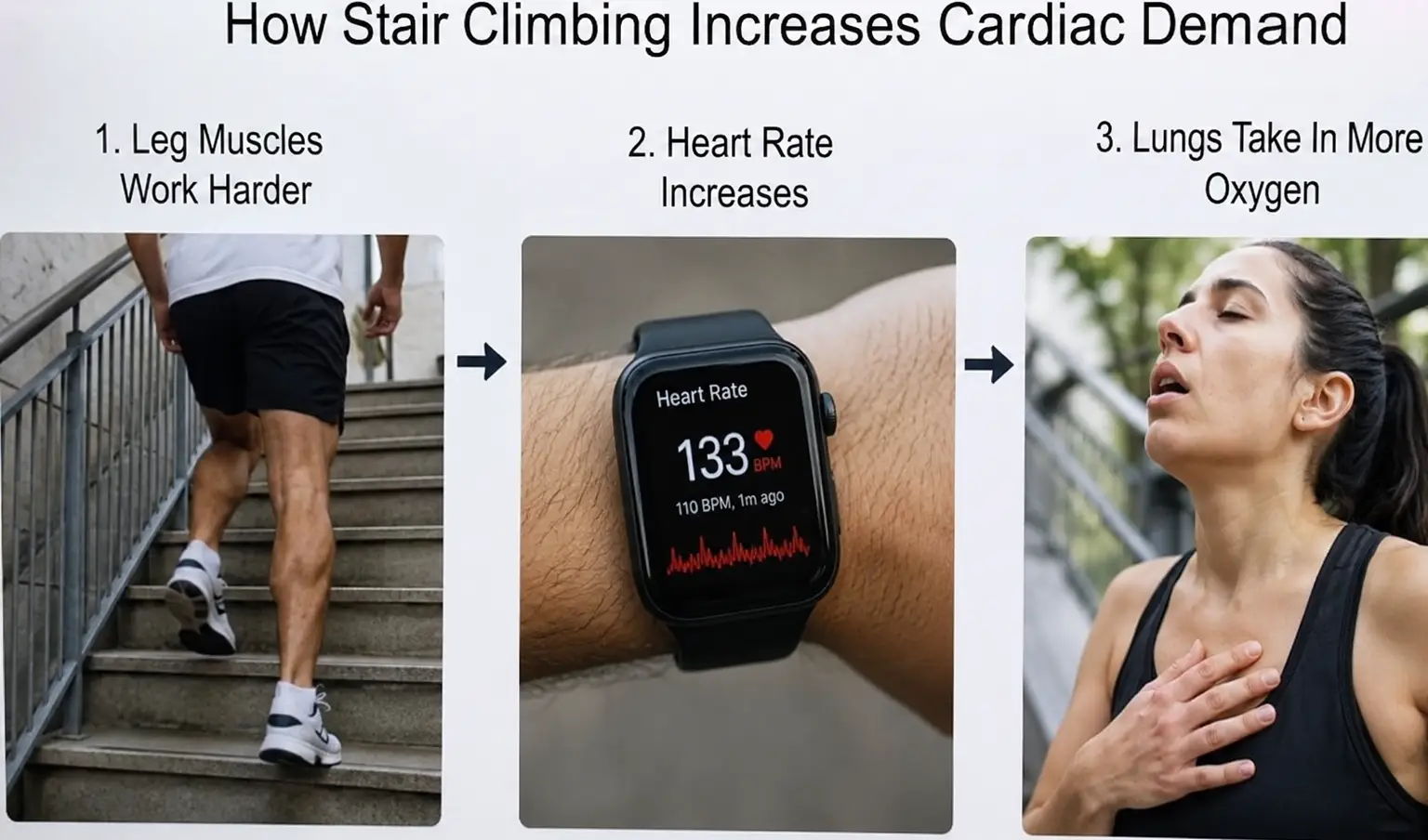
When you climb stairs, your heart has to pump harder and faster. Your lungs work double-time. Your muscles demand more oxygen, and they need it fast. Dr. John Ryan, a cardiologist at the University of Utah Health, calls this exertional intolerance.
Your heart suddenly gets pushed to do more than it was doing a moment before. Some breathlessness here is completely normal. But there’s a line. And that line is what matters.
Normal Breathlessness vs. a Heart Warning — Know the Difference
Here’s the truth: a little breathlessness on stairs is fine. It’s not fine when it starts changing.
Dr. Erickson says recovery time is the real signal. It’s normal to breathe faster for a minute or two after climbing stairs. But if your breath stays heavy past three minutes, that’s when something may be wrong.
Ask yourself two questions right now:
- Is stair breathlessness new for me?
- Is it getting worse over time?
If you answered yes to either one, don’t brush it off. Doctors take a change in exercise ability very seriously. According to cardiologists quoted in HuffPost (January 2026), the danger isn’t panicking; it’s dismissing a real signal as just aging.
Also watch for these alongside breathlessness:
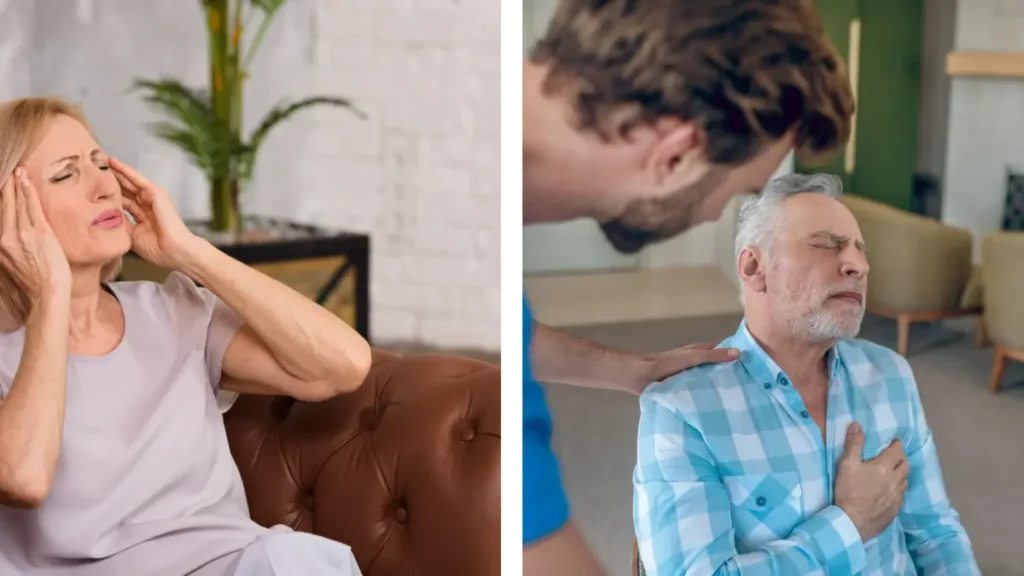
- Chest pain or tightness
- Headache or vision changes
- Dizziness or nausea
These together are urgent. Call your doctor or 911 if severe.
The 4-Flight Stairs Test: A Free Cardiac Self-Check
This is a real test used in cardiology. It’s not a social media trend. In 2020, Dr. Jesús Peteiro, a cardiologist at University Hospital A Coruna in Spain, presented research at the European Society of Cardiology.
His finding was clear: how fast you climb four flights of stairs tells doctors a lot about your heart.
Here’s how the test works:
- Find four flights of stairs (about 60 steps total)
- Rest quietly for 10–15 minutes before you start
- Walk briskly up all four flights — don’t run, don’t stop
- Check your time when you reach the top
What your time means:
- Under 60 seconds → Good cardiac fitness
- 60–90 seconds → Borderline — monitor and improve
- Over 90 seconds → See your doctor soon
Among people who took more than 1.5 minutes, 58% showed abnormal heart function on clinical testing afterward. That number drops to 32% for those who finished in under a minute. This test screens. It does not diagnose. But it gives you real information for free.
Heart Conditions That Cause This Symptom
Stair breathlessness isn’t always about fitness. Several heart conditions can cause it even in people who exercise regularly.
Heart Failure
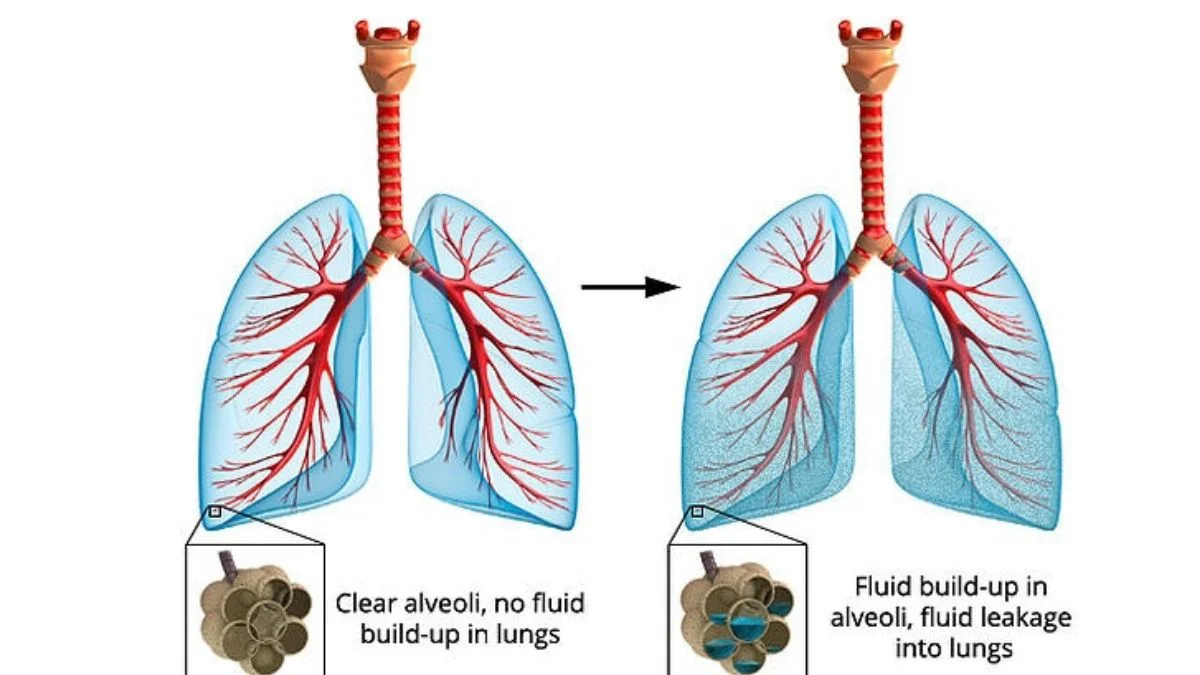
Happens when the heart can’t pump blood effectively. Fluid builds up in the lungs. Breathing becomes hard during any physical effort. You may not feel it at rest, but stairs expose it fast.
Coronary Artery Disease (CAD)
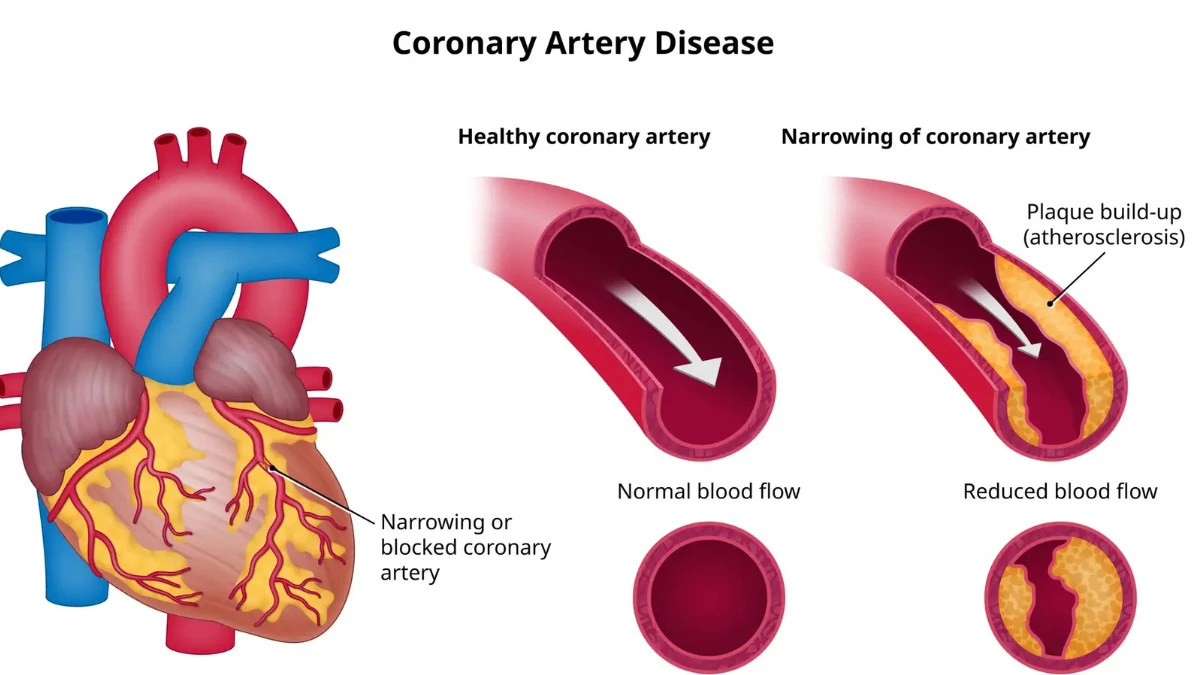
It is caused by plaque narrowing the arteries. During exertion, the heart doesn’t get enough oxygen. The result? Breathlessness often without any chest pain at all.
Heart Valve Disease
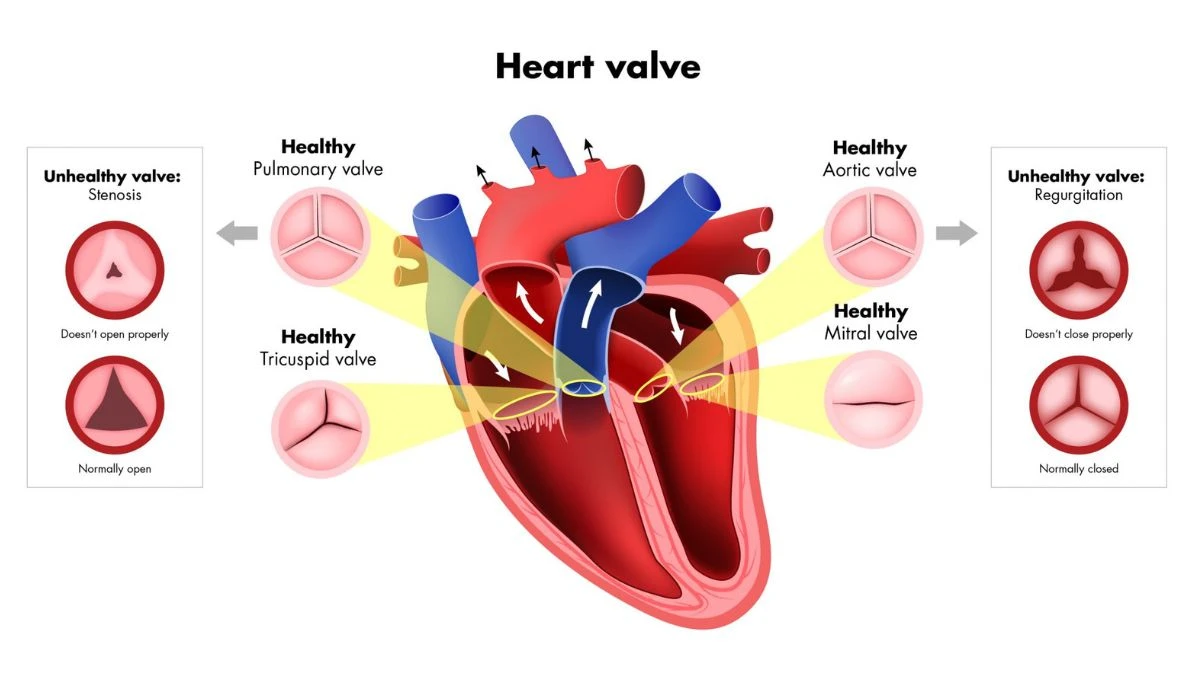
Happens when valves don’t open or close properly. The heart has to work harder to move blood. This causes breathlessness, fatigue, and sometimes lightheadedness.
Arrhythmias
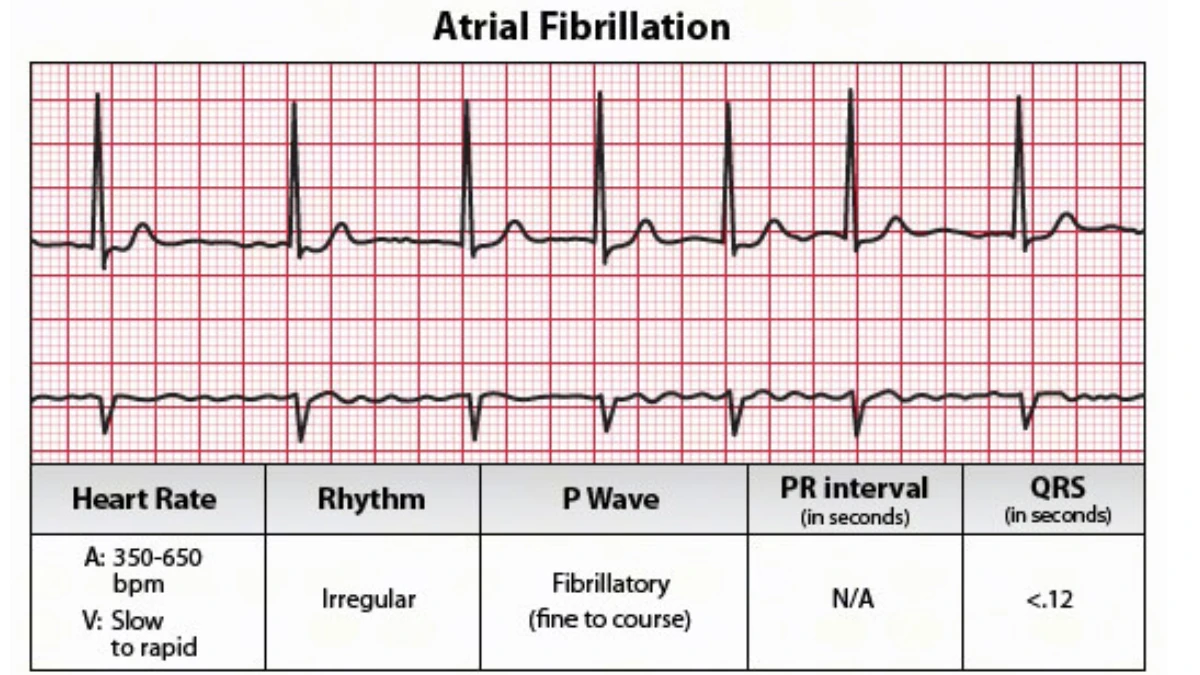
Atrial fibrillation makes the heart beat irregularly. Blood doesn’t pump as efficiently. The body gets less oxygen during activity, and breathing feels labored.
Here’s a fact worth remembering: up to 20% of heart attacks present with breathlessness as the main symptom, not chest pain. Don’t wait for chest pain to take this seriously.
What Doctors Look for When You Report This Symptom?
When you tell your doctor about stair breathlessness, they’re not going to dismiss it. They’re going to run a check. Surgeons and cardiologists already use a version of this.
Before surgery, many doctors ask patients: Can you carry groceries up three or four flights of stairs? It’s a fast, proven way to judge cardiac health before putting someone under anesthesia.
Here’s what a doctor may order:
- ECG — checks heart rhythm
- Echocardiogram — images how well the heart pumps
- Stress test — watches the heart under physical demand
- Blood tests — checks for heart failure markers and anemia
- Chest X-ray — looks for fluid in the lungs
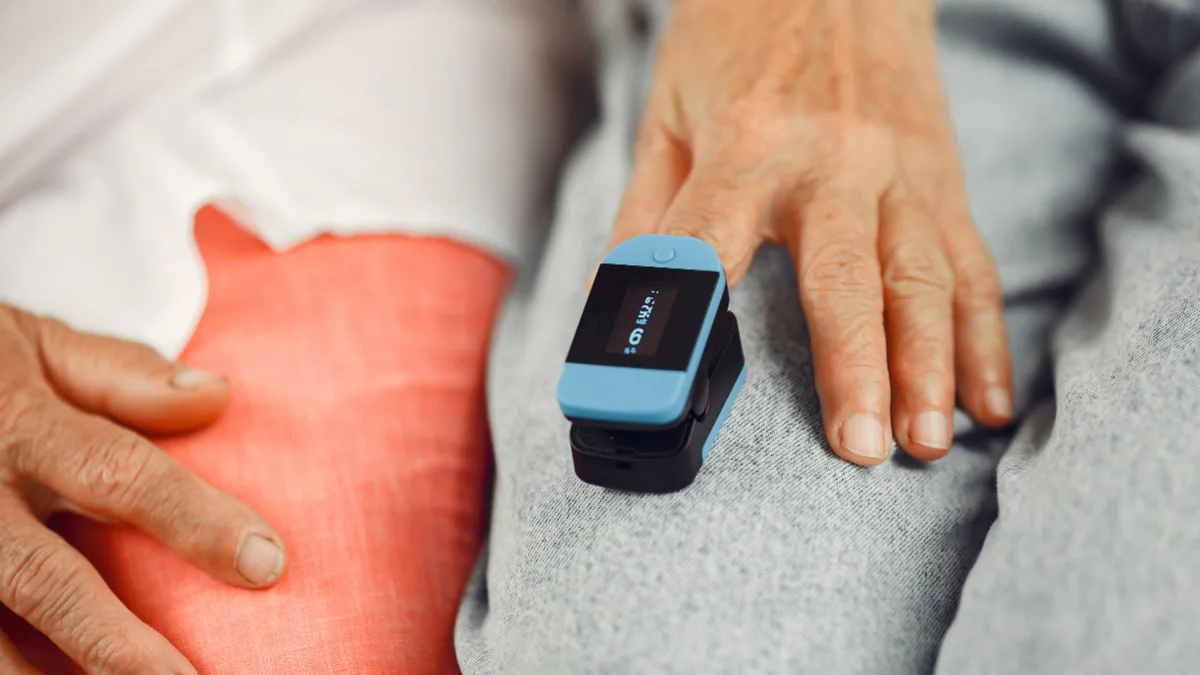
You can also check one thing at home right now. A pulse oximeter clips onto your finger and reads your blood oxygen level. Healthy adults should be above 92%. At or below 90%, see a doctor right away. These devices cost $15,25 at most pharmacies.
One tip: Tell your doctor specifically that your breathlessness has changed in the last few months. That change-over-time framing gets taken far more seriously than I get winded on stairs.
Conclusion
Getting winded on stairs isn’t always serious. But if it’s new, worsening, or comes with other symptoms, your heart may be asking for help. Take the 4-flight test. Track your recovery. And if something feels different than it used to, see a doctor this week. Your heart has worked hard for 50+ years. Check in on it.
⚠️MEDICAL DISCLAIMER
This article is for informational purposes only. It does not replace medical advice, diagnosis, or treatment. The information covers heart health signals, normal vs. abnormal breathlessness, recovery time, cardiac self-checking via the 4-flight stairs test, heart conditions including Heart Failure, Coronary Artery Disease, Heart Valve Disease, and Arrhythmias, medical diagnostic tests, and blood oxygen monitoring.
Individual results vary based on age, health status, and fitness level. Before changing your exercise routine, diet, or supplement use, talk to your doctor or a qualified health professional first. If you experience chest pain, dizziness, severe joint pain, or any sudden symptom during or after exercise, stop immediately and seek medical care.