

That exhaustion you’ve normalized? It isn’t part of aging. It has a cause.
For adults over 50 who sleep eight hours and still wake up drained, the answer usually isn’t more rest. It’s a deficiency so common it affects the majority of people in your age group, yet it rarely gets flagged unless you specifically ask for the test.
Vitamin D doesn’t just protect your bones. It fuels the cellular machinery that turns food into energy. When your levels fall, your body can’t produce power efficiently, no matter how much you sleep.
By the end of this article, you’ll know which blood test reveals your true levels and what number to actually aim for.
| # | Section | What You’ll Find |
|---|---|---|
| 1 | Your cells’ hidden engine | Most people blame poor sleep. The real drain starts somewhere far smaller. |
| 2 | The 50-year body shift | The body change most people over 50 never connect to their fatigue. |
| 3 | Signs hiding in plain sight | These symptoms have a name. It’s rarely the first one doctors look for. |
| 4 | The 2026 energy reset | There’s a specific number your blood test should hit. Most people never hear it. |
| 5 | The food gap nobody mentions | The answer isn’t as simple as eating more of one thing. |
| 6 | The timeline that surprises | Most people expect results in days. The actual window changes everything. |
| 7 | When more becomes dangerous | There’s a ceiling most people don’t know exists until something goes wrong. |
Why Vitamin D Powers Your Cellular Batteries?
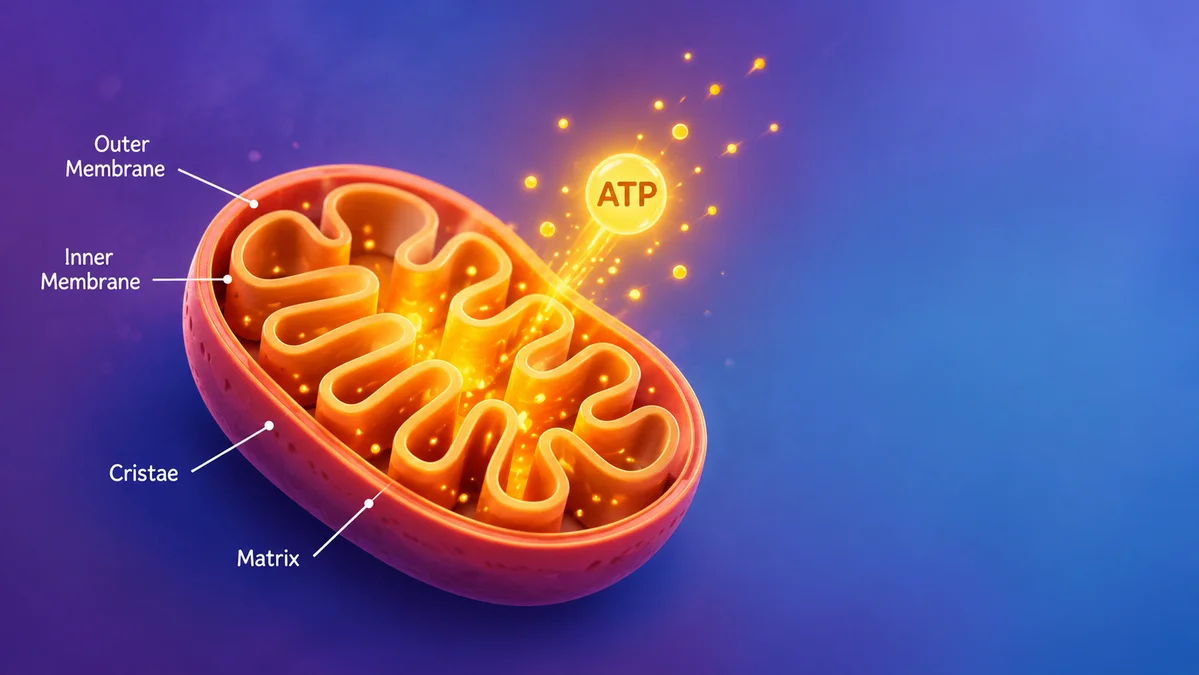
Think of your cells as tiny machines. These machines have batteries called mitochondria. These batteries turn food and oxygen into power. Vitamin D helps these batteries work well.
Vitamin D and Mitochondrial Oxidative Phosphorylation show that your muscles need this vitamin to create energy. Without enough Vitamin D, your batteries can’t charge.
This leads to low cellular energy. You feel a heavy weight in your arms and legs. It is not just about being sleepy.
It is about your body failing to make the power it needs. Checking your 25OH D levels is the first step to seeing if your batteries are running low. When your levels are right, your body can build muscle protein and keep you moving. This isn’t a miracle.
3 Reasons Your Body Stops Making Vitamin D After 50
Your skin loses its spark: To make Vitamin D from sunlight, your skin needs a precursor called 7 dehydrocholesterol. As you age, your skin contains much less of this substance. By the time you reach age 70, your skin is about 50% less efficient at converting sunlight into Vitamin D compared to a younger person.
Your gut gets picky: Even if you eat foods rich in Vitamin D, your digestive system becomes less effective at absorbing nutrients. Changes in your gut lining and a decrease in stomach acid mean that the vitamins in your food or supplements often pass through your system without getting into your bloodstream.
Your organs’ slow down activation: Vitamin D from the sun or food isn’t active right away. It must go through your liver and then your kidneys to be turned into a form your body can actually use. After age 50, these organs often become less efficient, meaning the Vitamin D you do have stays in an inactive state and can’t help your energy levels.
4 Red Flag Symptoms That Aren’t Just Old Age
Fatigue is the main sign, but it isn’t the only one. Watch for these red flags:
1. Gnawing Bone Pain: Do you have a dull ache in your lower back or hips? This often happens when your body can’t balance calcium.

2. Weakened Immunity: Do you catch every cold that goes around? Vitamin D helps your immune system fight germs.
3. Muscle Weakness: If climbing stairs feels harder than it used to, your muscles might be starving for nutrients.
4. Mood Shifts: You might feel blue even when life is good. Low Vitamin D is linked to low mood, similar to what people feel in the dark winter months.
If you have these signs, don’t ignore them. Your body is trying to tell you something.
How to Restore Your Energy with the 2026 Protocol?

You want your energy back. Here is how to do it safely in 2026.
- Test, Don’t Guess. Ask your doctor for a 25 hydroxy vitamin D blood test. This is the only way to know your exact numbers. Don’t just start taking pills. You need to know your starting point.
- Choose D3 Over D2. There are two types of Vitamin D. Research shows that D3 is much better at raising your blood levels. Look for Vitamin D3 on the label.
- Add the Helper Nutrients. Vitamin D does not work alone. You need Vitamin K2 and Magnesium. Vitamin K2 tells the calcium where to go into your bones, not your heart. Magnesium helps your body turn the vitamin into a form it can use.
- Aim for Optimal Blood Levels. Many doctors say 30 ng mL is enough. But for high energy, many experts now suggest aiming for 50 to 80 ng mL.
Vitamin D supplements for seniors are safe when you follow a plan. Talk to your GP to find the right dose for you.
The Best Foods to Help Your Energy
You can’t get all your Vitamin D from the sun. Food can help fill the gap. Fatty fish is the best choice. Try eating more salmon, sardines, and mackerel. One serving of salmon can provide most of the Vitamin D you need for the day. Egg yolks and mushrooms are also good options.

Some foods have Vitamin D added to them, like milk, orange juice, and cereal. These are called fortified foods. While food helps, it is often hard to get enough through eating alone. This is why many people use a combination of healthy meals and a daily supplement.
How Long Until You Feel More Energy?
You won’t feel like a new person overnight. It takes time for your blood levels to rise. Most people start to feel a change in 4 to 12 weeks. First, you might notice your mood getting better. Then, your muscle aches may start to fade. Consistency is the secret. You have to take your supplement every day.

If you skip days, your levels will stay low. It is a good idea to get a second blood test after three months. This shows if your dose is working or if you need to change it. Be patient with your body. It took time to get tired, and it will take a little time to get your power back.
Can You Take Too Much Vitamin D?
Vitamin D is great, but you can have too much of a good thing. Taking very high doses for a long time can cause problems. It can lead to too much calcium in your blood. This might make you feel sick to your stomach or cause kidney issues. This is why the Test, Don’t Guess rule is so important.

Most adults can safely take 1,000 to 4,000 IU a day. But you should not take more than 10,000 IU unless your doctor tells you to. Always keep your doctor in the loop. They will make sure your levels stay in the Goldilocks zone, not too low and not too high.
Conclusion
Feeling tired all the time isn’t a price you have to pay for turning 50. Often, it is just a nutritional gap that needs closing. When you fix your Vitamin D levels, you give your cells the fuel they need. You can wake up feeling refreshed again. Schedule a 25 hydroxy vitamin D blood test this week. Reclaim your morning energy and start living your life to the fullest.
⚠️ DISCLAIMER
This article is for informational purposes only and does not constitute medical advice or a recommendation to use any supplement. The content addresses Vitamin D deficiency, supplementation, and energy restoration after 50 and is intended for general educational purposes only. Supplements can interact with medications and may not be appropriate for everyone, always consult a licensed healthcare provider before starting, changing, or stopping any supplement regimen.