
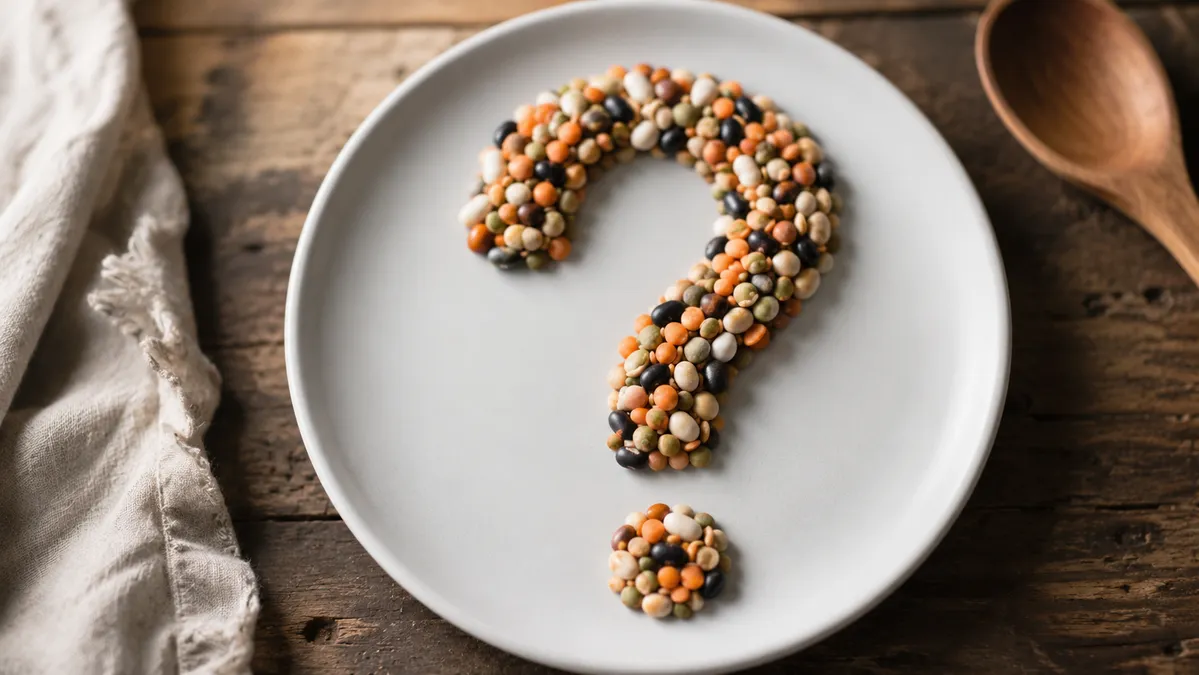
While billionaires spend millions on “age-reversing” tech, the most powerful tool for living to 100 costs less than a dollar. Most people overlook it. In fact, 6 out of 10 Americans do not eat the #1 longevity food daily. This neglect is dangerous. It speeds up the “Big 4” heart attack and stroke triggers: high blood pressure, cholesterol, sugar, and inflammation.
You might think you need a fancy supplement to fix your health. You don’t. You just need to look at what the world’s longest-living people eat every day.
In this guide, you will learn why legumes are the ultimate “hack” for 2026. I will show you how they protect your cardiovascular health. It is time to stop ignoring the simplest way to prevent heart disease. Your heart is the most important engine you own. Give it the fuel it was designed to use.
| # | Section | What You’ll Find |
|---|---|---|
| 1 | Blue Zones Longevity Secret | What do centenarians eat daily that most people never touch? |
| 2 | The Hidden Blood Cleaner | There’s a starch that never digests — so where does it actually go? |
| 3 | Two Minerals, One Effect | Which two minerals tell your arteries to relax, and are you getting enough? |
| 4 | The Cholesterol Flush Trick | What happens to the cholesterol your body never flushes out? |
| 5 | The Second Meal Effect | Can what you eat at lunch quietly change your blood sugar at dinner? |
| 6 | America’s Fiber Shortfall | What percentage of Americans actually hit their fiber target — and what does the gap do to your arteries? |
| 7 | Beans Without the Bloat | Is there a way to eat beans without the bloating everyone dreads? |
Why Do People in Blue Zones Live to 100?
Scientists have studied “Blue Zones” for years. These are places like Okinawa and Sardinia where people often live past 100. The one thing they all have in common is a diet full of beans and lentils. They use these as their main plant-based protein. These people don’t use expensive biohacking tools. They just eat legumes every single day.
The data is very clear. Research shows that for every 20 grams of beans you eat daily, your risk of death drops by 8%. That is a massive gain for a tiny change. If you eat a full cup, you are adding years to your life.
And here is why that matters: you don’t have to change your whole life to see results. Just adding this one longevity food can change your biology from the inside out. It is the cheapest insurance policy you can buy.
How Legumes Clean Your Blood with “Resistant Starch”
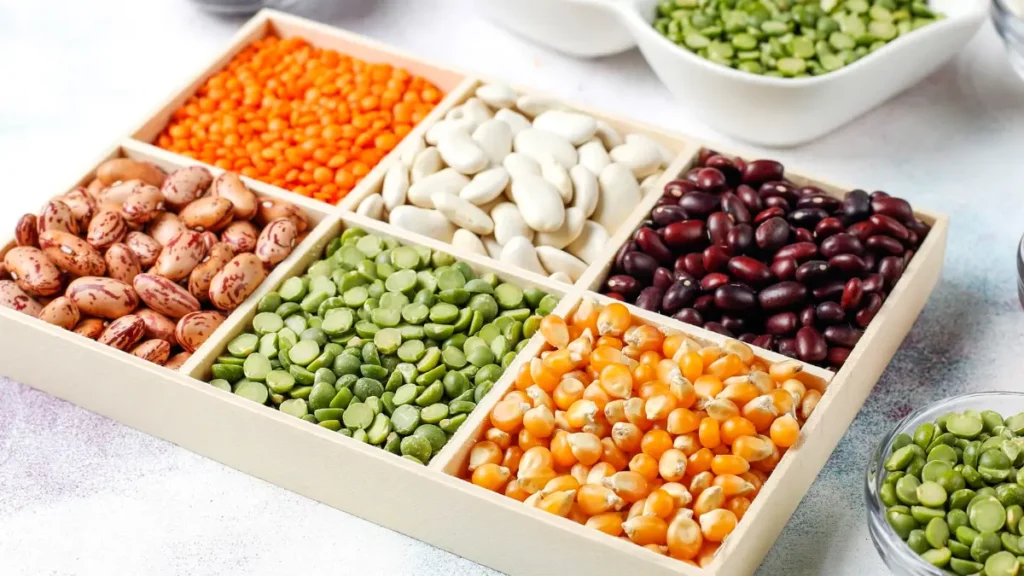
Legumes are special because of something called resistant starch. Most starches turn into sugar quickly. Resistant starch is different. It does not break down in your small intestine. Instead, it travels to your large intestine to feed your good gut bacteria. It acts like a broom for your blood.
This starch helps “clean” out waste and keeps your energy steady. When your gut bacteria are happy, they create short-chain fatty acids. These acids lower inflammation in your whole body.
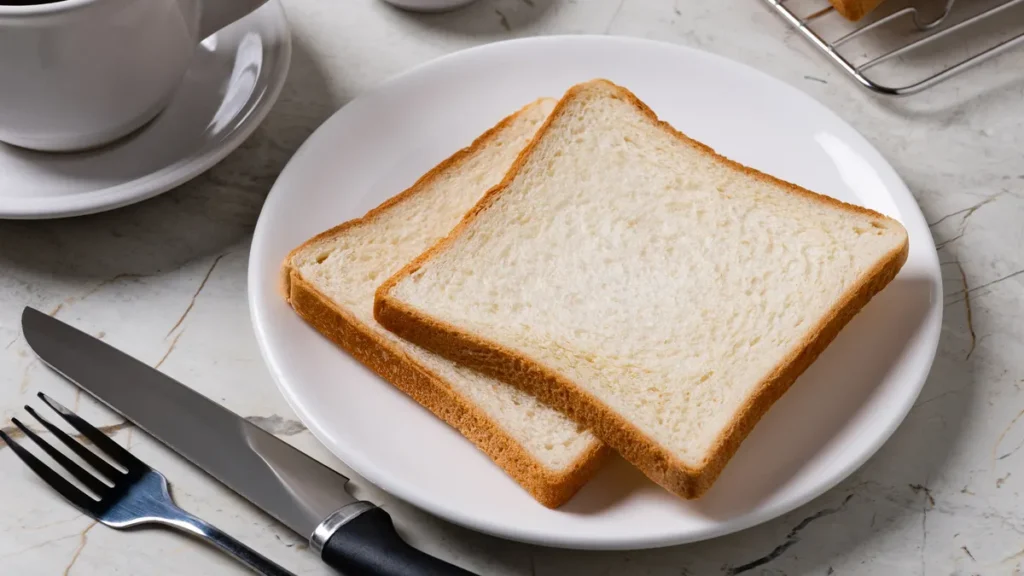
Most Americans eat “fast” carbs like white bread that spike sugar. Switching to “slow” carbs like lentils protects your cardiovascular health. It keeps your system running smooth and clean.
Lower Your Blood Pressure with Two Key Minerals
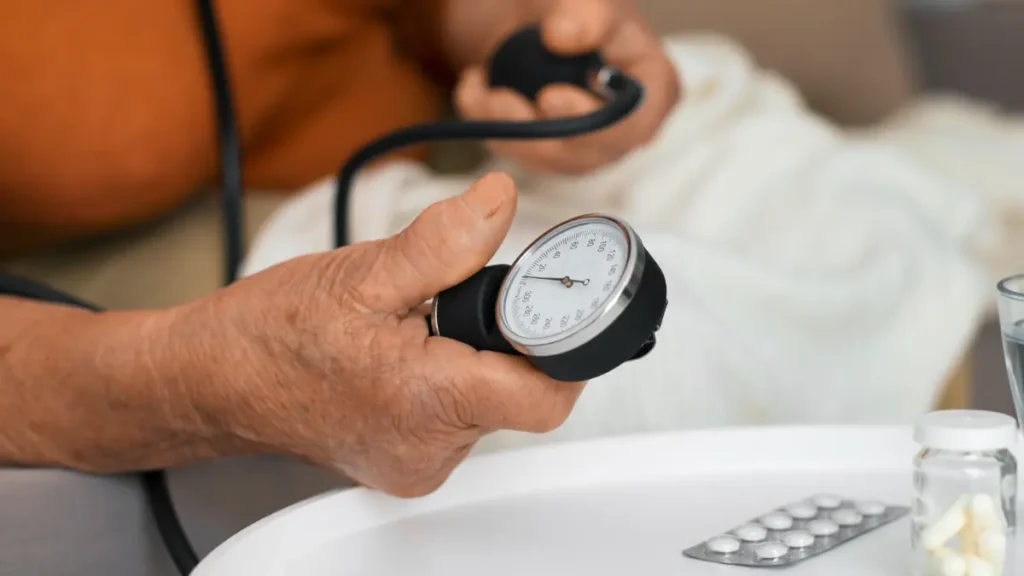
High blood pressure is a silent killer. It stretches your arteries until they become weak and stiff. Beans are a secret weapon against this. They are packed with potassium and magnesium. These minerals tell your blood vessels to relax and open up.
When your vessels relax, your heart does not have to pump as hard. This lowers the pressure on your artery walls instantly.
Most people eat way too much salt and not enough potassium. This balance is what keeps your heart safe. Adding a scoop of black beans to your salad can help you hit these mineral goals. It is a quick win for your heart.
The Simple Trick to Flush Cholesterol Out of Your Body
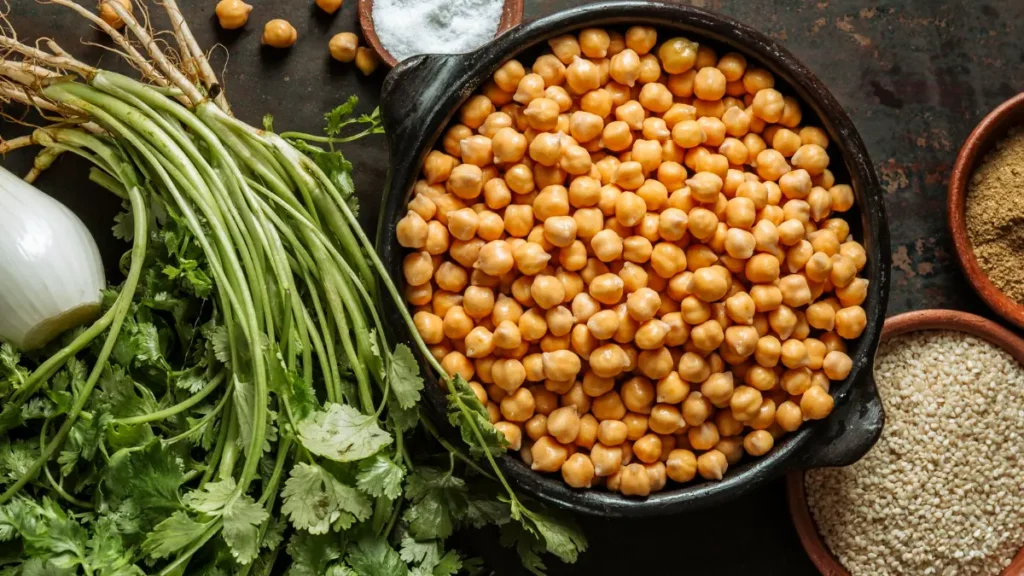
Cholesterol levels are more than just a number. They are a sign of how much “gunk” is in your blood. Legumes contain a lot of soluble fiber. Think of this fiber like a sticky sponge. As it moves through your gut, it binds to bad LDL cholesterol.
Once the fiber grabs the cholesterol, it flushes it out of your body as waste. Without this fiber, your body just recycles that old cholesterol. This leads to plaque buildup in your heart.
By eating more lentils or chickpeas, you stop this buildup before it starts. This simple shift is a great way to prevent heart disease naturally. You are literally scrubbing your internal pipes with every bite.
Stop Blood Sugar Spikes That Damage Your Veins
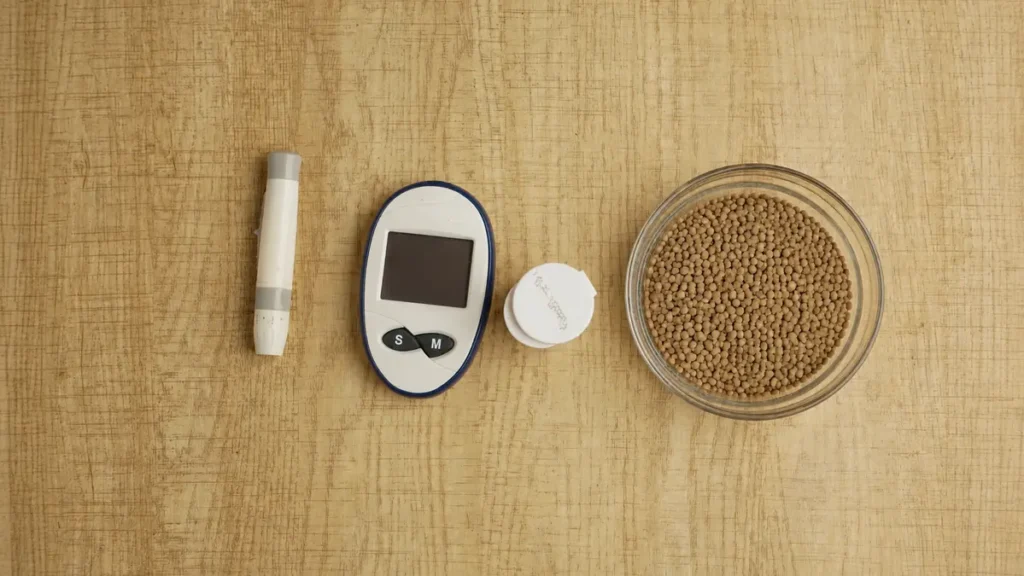
High blood sugar acts like sandpaper on the inside of your veins. It scratches the lining and makes it easy for fat to get stuck. Legumes have a very low glycemic index. This means they digest slowly. You won’t get the big insulin spikes that happen after eating pasta or rice.
This is called the “Second Meal Effect.” If you eat lentils for lunch, your blood sugar stays more stable even after you eat dinner. Your body stays in a “safety zone” for longer.
Keeping your sugar low keeps your artery walls smooth and strong. This is a vital part of managing heart attack and stroke triggers. It protects your brain and your heart at the same time.
Why the American “Fiber Famine” is Dangerous
We are currently living through a “fiber famine.” Only 5% of Americans get enough fiber in their diet. This is a huge problem. 6 out of 10 people eat zero legumes on any given day. This fiber deficiency causes your artery walls to thicken over time.
Thick arteries make it harder for blood to flow. This leads to a higher risk of stroke. When you don’t eat fiber, your “good” gut bacteria starve. They can’t create the chemicals that protect you from chronic disease.
This neglect is a slow-motion disaster for most people. But you can fix it. You don’t need a fancy diet. You just need to fill the gap that 6 out of 10 people ignore.
A 3-Step Plan to Eat Beans Without Gas
Many people avoid beans because they worry about gas. I’m being honest: if you eat a big bowl of beans today, you might feel bloated. Your gut isn’t used to it yet. But you can train your gut microbiome to handle it. You just need to go slow.
- Start Small: For the first week, eat just 2 tablespoons a day. Use lentils or canned chickpeas. They are easier to digest.
- The Rinse Rule: If you use canned beans, rinse them under cold water for 60 seconds. This removes the sugars that cause gas.
- The Slow Build: Increase your serving by one tablespoon each week. By week three, you can eat a half-cup with no issues.
By the end of the month, your body will have the right enzymes to break down the fiber. You will feel lighter and have more energy. This is a simple guide to digestive health that actually works.
Conclusion
Legumes are not just a side dish. They are the foundation of a long life. They help you control heart attack and stroke triggers better than almost any other food. You are now in charge of your numbers. You don’t have to be at the mercy of your genes.
Start the “Half-Cup Challenge” tomorrow. It is cheap, easy, and backed by years of science. Track your blood pressure for 30 days and see the change for yourself. Your heart is the most important engine you own. Give it the fuel it was designed to use.
⚠️DISCLAIMER:
This article is for informational purposes only and does not constitute dietary or medical advice. The content addresses legume consumption for heart health and longevity and is meant for general educational purposes only. Nutritional needs differ based on age, health status, and individual circumstances, consult a registered dietitian or your healthcare provider before making significant changes to your diet.