
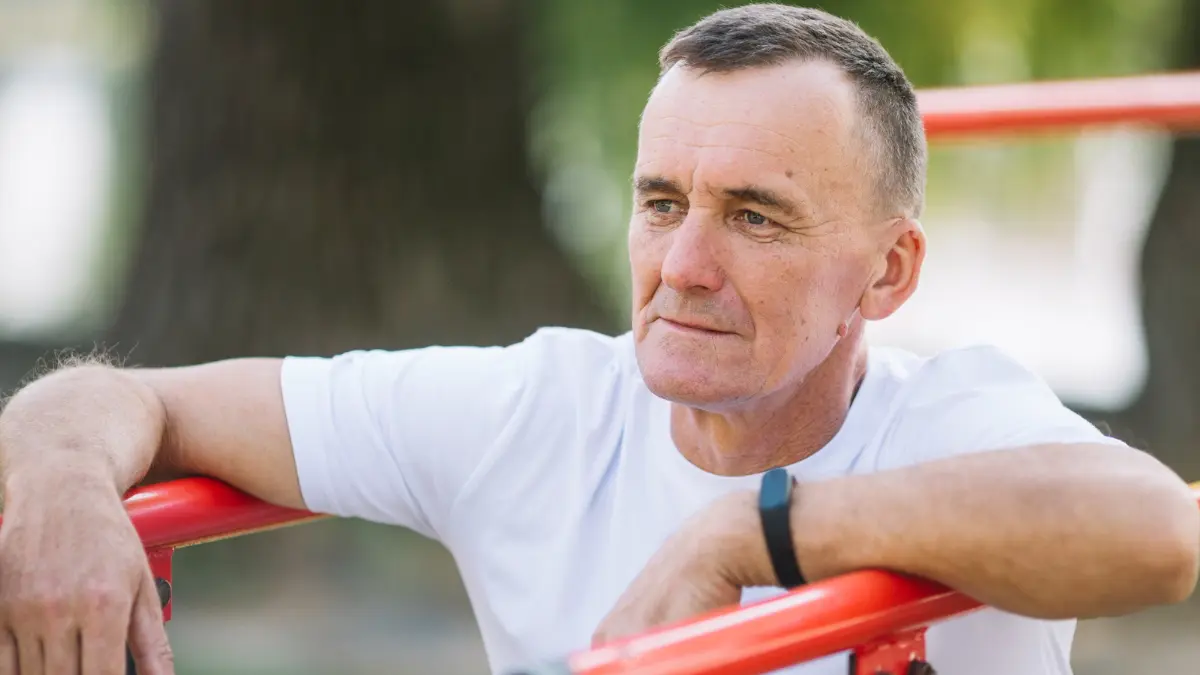
You probably feel like your metabolism hit a brick wall the day you turned 50. You might eat the exact same food you did at 30, but the weight will not budge. Most people blame a “metabolism crash” for this change. They think their internal engine has simply quit. But the newest science says your engine is actually still fine.
Your metabolic health is not destined to fail just because you blew out 50 candles. Recent studies show that your “resting rate” stays stable from your 20s all the way until you hit 60. And here’s why that matters. If your engine isn’t broken, you can still influence your calorie burn. In this guide, you will learn the real reason for that “30% slower” feeling. We will look at how metabolism after 50 really works. You will also learn how to restart the fire using a simple 2026 protocol.
Is Your Metabolism Really “Slower”? (The Big Myth)

I have some good news and some bad news. Let’s start with the good news. A massive study by Dr. Herman Pontzer looked at over 6,000 people. He found that our resting metabolic rate does not drop in middle age. Your cells are just as hungry for energy at 50 as they were at 25. Your body’s ability to burn fuel stays on a plateau for decades.
Now for the bad news. Even though your engine is the same, you are likely burning fewer calories. But it isn’t because of your age. It is because of what is happening to your body composition. True cellular decline only starts after age 60. Even then, it only slows down by about 0.7% per year.
So, if the engine isn’t broken, why does it feel like a 30% drop? It’s because we are losing the “machinery” that burns the fuel. Think of it like a car. The engine is fine, but you are slowly losing the wheels. Your metabolic health over 50 depends more on your habits than your birth year. If you keep your muscle, you keep your burn.
Why It Feels Like a 30% Drop (The Sarcopenia Effect)

The real culprit is something called sarcopenia. This is the natural loss of muscle mass that happens as we get older. Muscle is “metabolically active” tissue. This means muscle burns calories even when you are just sitting on the couch. Fat does not do this.
Since age 30, most people lose 3% to 8% of their muscle every ten years. By the time you hit 50, you might have lost a huge chunk of your calorie-burning power. This leads to the “Skinny Fat” trap. Your weight might stay the same, but you have more fat and less muscle.
This is why muscle mass and weight loss go hand in hand. If you have less muscle, your body needs less food. If you keep eating the same amount, you gain weight. The fix is sarcopenia reversal. You have to convince your body to keep its muscle so it keeps burning fuel around the clock.
Why Does Fat Move to the Belly? (The Hormone Connection)
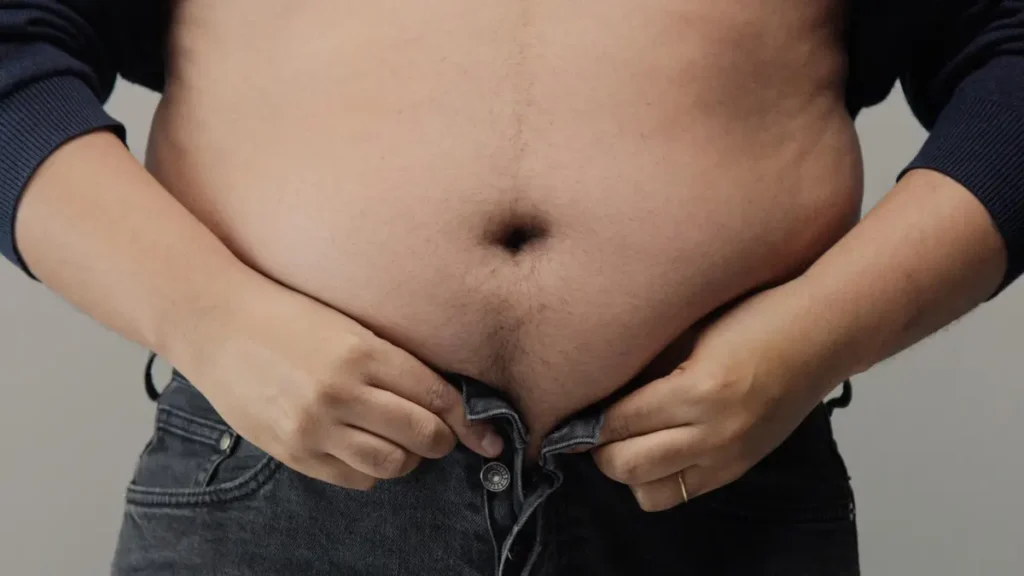
Hormones change how your body handles energy. For women, estrogen drops. For men, testosterone dips. These shifts change your hormonal balance. They tell your body to stop storing fat in your hips and start storing it around your organs. This is called visceral fat.
Stress also plays a huge role. When you are stressed, your body makes a hormone called cortisol. High cortisol tells your body to hold onto belly fat for “protection.” It also makes you more likely to develop insulin resistance. This means your body struggles to turn sugar into energy. Instead of burning that sugar, your body stores it as fat.
3 Ways to Restart Your Metabolic Engine

You can fight back against the slowdown. You just need the right instructions.
- Lift Heavy Things: Do not just do cardio. Walking is great for your heart, but it won’t build muscle. Strength training for metabolism is the best way to fix a slow burn. Try to lift weights twice a week.
- The 1.2g Protein Rule: You need more protein intake than you did when you were younger. Aim for 1.2 grams of protein for every kilogram of body weight. This gives your body the bricks it needs to rebuild muscle.
- Use “Movement Snacks”: Your daily movement matters more than one hour at the gym. Stand up every hour. Take the stairs. These small bursts of activity keep your metabolism humming all day long.
How to Fix Your Burn While You Sleep

Sleep is your secret weapon for weight loss. When you don’t sleep, your body makes more of a hormone called ghrelin. This is the “hunger hormone.” It makes you crave sugar and big meals.
If you get less than seven hours of sleep, your body also struggles to repair muscle. Recovery over 50 takes longer. Without good rest, your strength training won’t work as well. Quality sleep and weight loss are linked because rest keeps your hormones in check. It allows your body to burn fat and keep muscle while you dream.
How to Use Water to Speed Up Your Burn

Your body is mostly water. Every time you burn a calorie, your body uses water to make that process happen. If you are even a little bit dry, your metabolism slows down to save energy. It is like trying to run a car without enough oil. The engine has to work much harder to do the same job.
And here’s why that matters. As we get older, our “thirst signal” gets weaker. This is a real physical change in your brain. You might be dehydrated, but your brain does not tell you to drink. By the time you actually feel parched, your metabolic health is already dragging.
Drinking enough water is the easiest way to support your calorie burn. Studies show that drinking 16 ounces of water can boost your metabolism by up to 30% for about an hour. It doesn’t cost anything and it works immediately.
Try this simple water routine:
- The Morning Flush: Drink a large glass of water as soon as you wake up. This wakes up your internal organs.
- The Pre-Meal Boost: Drink a glass of water 30 minutes before you eat. This helps with digestion and keeps you from overeating.
- Add a Pinch of Salt: If you find yourself running to the bathroom too much, add a tiny pinch of sea salt to your water. This helps your cells actually soak up the liquid instead of letting it run right through you.
Staying hydrated keeps your “engine” cool and running fast. It is a simple habit that makes every other part of your plan work better.
You probably feel like your metabolism hit a brick wall the day you turned 50. You might eat the exact same food you did at 30, but the weight will not budge. Most people blame a “metabolism crash” for this change. They think their internal engine has simply quit. But the newest science says your engine is actually still fine.
Your metabolic health is not destined to fail just because you blew out 50 candles. Recent studies show that your “resting rate” stays stable from your 20s all the way until you hit 60. And here’s why that matters. If your engine isn’t broken, you can still influence your calorie burn. In this guide, you will learn the real reason for that “30% slower” feeling. We will look at how metabolism after 50 really works. You will also learn how to restart the fire using a simple 2026 protocol.
Is Your Metabolism Really “Slower”? (The Big Myth)
I have some good news and some bad news. Let’s start with the good news. A massive study by Dr. Herman Pontzer looked at over 6,000 people. He found that our resting metabolic rate does not drop in middle age. Your cells are just as hungry for energy at 50 as they were at 25. Your body’s ability to burn fuel stays on a plateau for decades.
Now for the bad news. Even though your engine is the same, you are likely burning fewer calories. But it isn’t because of your age. It is because of what is happening to your body composition. True cellular decline only starts after age 60. Even then, it only slows down by about 0.7% per year.
So, if the engine isn’t broken, why does it feel like a 30% drop? It’s because we are losing the “machinery” that burns the fuel. Think of it like a car. The engine is fine, but you are slowly losing the wheels. Your metabolic health over 50 depends more on your habits than your birth year. If you keep your muscle, you keep your burn.
Why It Feels Like a 30% Drop (The Sarcopenia Effect)

The real culprit is something called sarcopenia. This is the natural loss of muscle mass that happens as we get older. Muscle is “metabolically active” tissue. This means muscle burns calories even when you are just sitting on the couch. Fat does not do this.
Since age 30, most people lose 3% to 8% of their muscle every ten years. By the time you hit 50, you might have lost a huge chunk of your calorie-burning power. This leads to the “Skinny Fat” trap. Your weight might stay the same, but you have more fat and less muscle.
This is why muscle mass and weight loss go hand in hand. If you have less muscle, your body needs less food. If you keep eating the same amount, you gain weight. The fix is sarcopenia reversal. You have to convince your body to keep its muscle so it keeps burning fuel around the clock.
Conclusion
Your body is not a broken machine. It is a smart system that responds to how you treat it. For years, people have blamed age for their weight gain. But now you know the truth. Your cells are still ready to work. They just need the right building blocks and the right movement to get started.
Managing metabolism after 50 is about more than just a number on the scale. It is about how you feel when you wake up in the morning. It is about having the energy to play with your grandkids or go on a long hike. Small steps add up fast. You do not have to change everything overnight. Just start with one more glass of water or one extra serving of protein today.
Consistency is your best friend. If you show up for your body, your body will show up for you. You can reclaim your strength and your fire. Age is just a number, but your habits are your future. Don’t let the myths hold you back anymore. You have the facts, and now you have a plan.