

Body gave you a visible check engine light for your heart right on your face. You look in the mirror every morning to brush your teeth or shave. You notice your skin getting older. But you might miss a small, diagonal line on your earlobe. For most people over 50, this looks like a normal wrinkle. It is often ignored as part of getting older.
However, that tiny line has a name: Frank’s Sign. It is a major red flag for preventative health. Many heart problems stay silent for years. You might feel fine until a big event happens. This article explains the science behind the earlobe crease and heart health. You will learn why this crease connects to atherosclerosis and clogged arteries.
We also provide a modern 2026 plan to help you stay ahead of hidden heart risks. This is not about scaring you. It is about giving you the tools to check your own health and talk to your doctor with confidence.
How Frank’s Sign Works: The Science?
Frank’s Sign is a clear, diagonal line on your earlobe. It runs at a 45 degree angle from the small bump in front of your ear, the tragus, to the back edge of the lobe. It comes down to your blood vessels. Scientists use the end artery theory to explain it. Both your heart and your earlobes get blood from small arteries that have no backup.
Think of them like dead end streets. If the blood flow slows down or gets blocked, the tissue starts to fail. In the ear, this causes the skin to collapse, which creates the diagonal earlobe crease. In the heart, it means the muscle isn’t getting what it needs. Doctors look at how accurate this sign is. In clinical studies, it has a sensitivity of about 60%.
This means it correctly identifies people with coronary artery disease 60% of the time. It also has a specificity of 70%. That means if you don’t have the crease, there is a 70% chance your heart vessels are clear. It is a powerful tool because it is visible to the naked eye. Your microvascular health shows up on your skin before it shows up on a standard heart test.
👂 Visual Heart Health Audit
Distinguishing Frank’s Sign from common wrinkles
📊 Diagnostic Reliability
Identifies coronary artery disease
Rules out disease when absent
🔍 Visual Markers
- Angle 45° Diagonal
- Depth Deep & Permanent
- Sleep Lines Vertical & Fades
🖐️ The 2‑Second “Stretch Test”
Pull earlobe taut — Sleep lines disappear instantly. True Frank’s Sign remains deep and visible.
Why Your Heart and Ears Age Together?
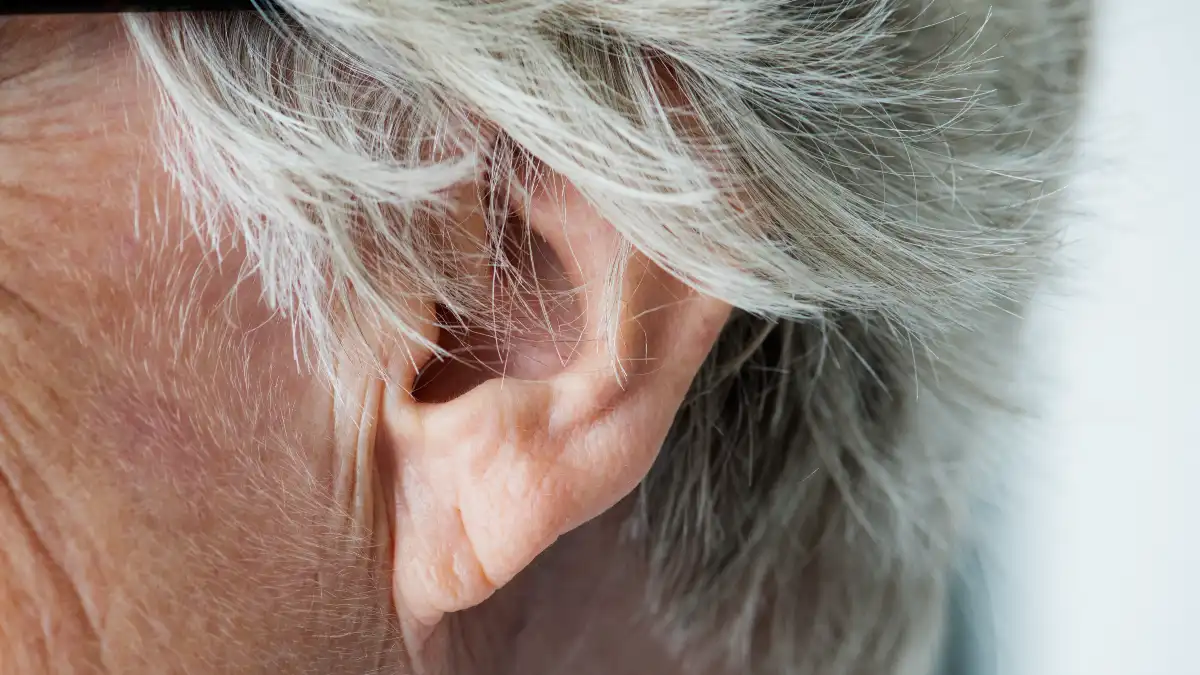
As you get older, your body loses elastin. Elastin is what makes your skin and your blood vessels stretchy. When you lose elastin, your skin sags. Inside your body, your arteries can also become stiff. This is a big part of atherosclerosis. If your earlobe loses its shape and develops a crease, it is a sign that the elastin in your blood vessels might be failing too.
The location of the crease matters. If you have a crease on just one ear, it is a warning. But if you have a bilateral earlobe crease on both sides, the risk is much higher. That having it on both sides is linked to more severe heart disease. It means the wear and tear on your vascular system is widespread. This sign is most helpful for people between 50 and 60.
For people over 70, wrinkles are very common and might not mean as much. But for a 52 year old, a deep ear crease is not just aging. It is one of the most visible cardiovascular risk factors. In 2026, we have better ways to track this. Modern AI skin scanning apps can now find these creases during a quick photo check.
Is It Frank’s Sign or Just a Sleep Wrinkle?
You might wake up, look in the mirror, and see lines on your ear. Do not worry yet. Most lines on your ears are just pillow creases. These happen when you sleep on one side for too long. Sleep wrinkles are usually vertical or messy. They often fade a few hours after you wake up.
A true Frank’s Sign is different. It is a deep, single line that cuts across the lobe at an angle. It stays there all day. It does not go away with skin cream or a good night’s sleep. If you see many thin, criss cross lines, that is likely just sun damage or dry skin. Knowing the difference keeps you calm.
You can also try a simple skin test to be sure. Gently pull on your earlobe to stretch the skin with your fingers. A sleep wrinkle will usually flatten out and disappear when you stretch it. But a true Frank’s Sign is deep and stays visible even when the skin is tight. It is like a small scar that has formed inside the tissue.
What to Ask Your Doctor During Your Next Visit?

It can feel weird to tell a doctor about a wrinkle on your ear. You might worry they will ignore you. But in 2026, good doctors know about the link between skin and heart health. Be direct. Use clear words. Start by saying, I noticed a diagonal crease on my earlobe.
I know it can be a sign of heart risk. Ask them for a specific test, like a Coronary Artery Calcium CAC scan. This test is better than a simple blood pressure check. You can also ask, How is my heart age compared to my real age? This helps the doctor focus on your long term health. Taking charge helps you get the right care.
If your doctor says it is just a wrinkle, do not stop there. Ask for a high sensitivity C reactive protein hsCRP test. This blood test checks for inflammation in your body. It is a key part of preventative health and gives you a score for your heart risk. You can also ask to review your family history together.
Why Your Skin Quality Reveals Your Heart’s Age?
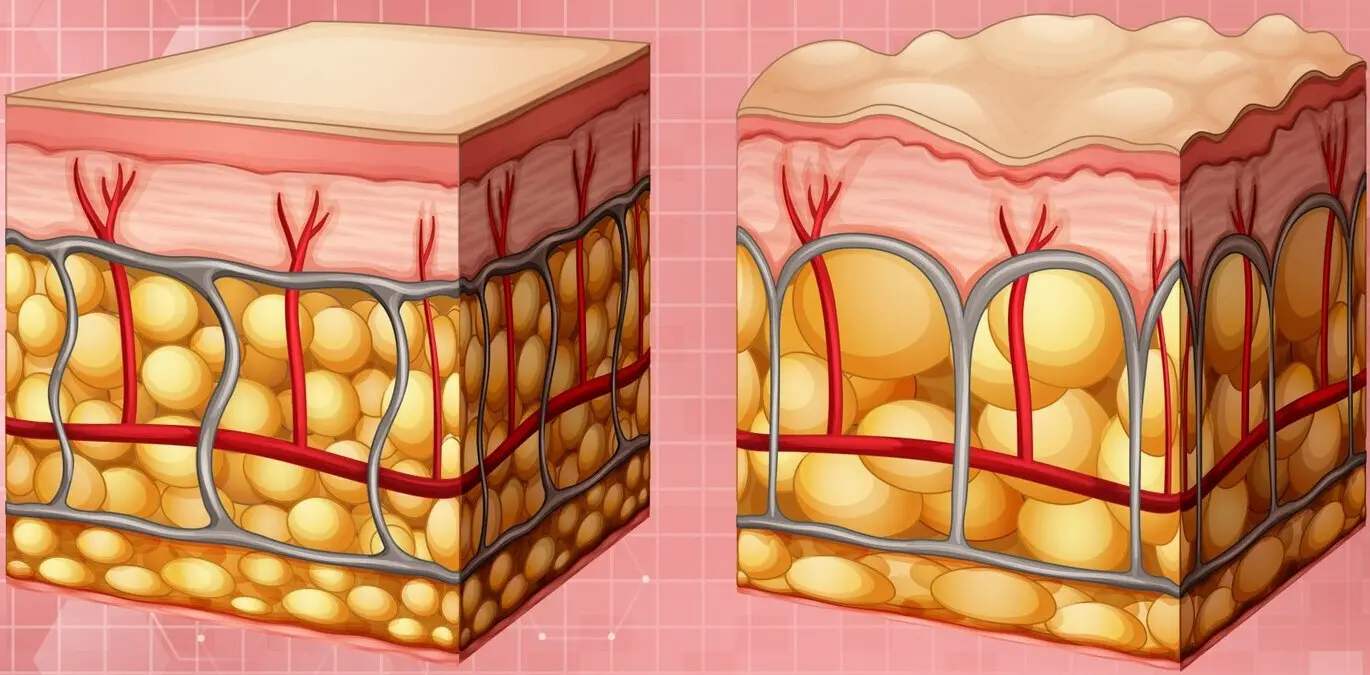
Your skin is your largest organ. It uses the same building blocks as your heart. These are called collagen and elastin. These materials keep your skin stretchy and your blood vessels flexible. If you notice your skin getting very thin or bruising easily, it is a signal. It means the elastin in your body might be breaking down.
An earlobe crease is one of the first visible signs of this change. It shows that the tiny vessels in your ear are losing their support. In 2026, doctors use skin health as a window into your cardiovascular disease risk. When you take care of your skin from the inside out, you are often helping your heart, too. Eating foods high in Vitamin C and Zinc helps keep these tissues strong.
Think of your skin as a mirror for your microcirculation. The tiny blood vessels just beneath your skin surface are very similar to the ones that feed your heart muscle. When these small vessels become stiff or blocked, your skin might lose its glow, take longer to heal, or develop deep lines like Frank’s Sign.
The Best Foods for Stretchy Arteries

If you have an earlobe crease, you want to help your blood vessels get their bounce back. Nitric oxide is the key. Your body uses this molecule to relax your arteries and keep blood flowing smoothly. You can boost it by eating more beets, arugula, and spinach. Small habits make a big difference for preventative health.
Try eating a small square of dark chocolate with at least 70% cocoa. It has flavonoids that help your blood vessels stay wide and clear. Avoid processed sugars that cause inflammation and damage your vessel walls. These simple food choices help repair the microvascular system that Frank’s Sign warned you about.
Don’t forget the power of healthy fats to keep your artery walls slick and smooth. Omega 3 fatty acids, found in wild caught salmon, walnuts, and flaxseeds, act like a lubricant for your vascular system. They lower inflammation and prevent the plaque buildup that Frank’s Sign often points to.
Conclusion
An earlobe crease isn’t a guarantee that you have heart disease. Think of it as a biological nudge. It is your body asking you to pay more attention. If you are over 50, you can’t afford to ignore these visual cues. Science shows that earlobe creases and heart health go hand in hand.
Take a moment today to look in the mirror. If you see that diagonal line, it is time to act. You can stay ahead of the curve by getting the right tests and moving your body more. Your heart will thank you for noticing the warning signs early. Ultimately, your health is in your hands.
Finding a sign like this is actually a lucky break because it gives you time to change your future. You don’t need to wait for chest pain or a scary diagnosis to start living a heart healthy life. Use this knowledge to motivate your daily choices, from the food on your plate to the miles you walk.