You don’t need a new diet. You need one change, and science says it can add years to your life. After 50, your body starts working against you in quiet ways. Your metabolism slows down. Your muscles get weaker. Your risk of heart disease, type 2 diabetes, and cancer goes up. Most people respond by cutting things out: fewer carbs, less fat, no sugar.
But the research points in a different direction. It’s what’s missing from your plate. You’ll see what the science says about it. You’ll get the specific foods to add with exact amounts. And you’ll walk away with a simple plan you can start this week.
Why Your Body After 50 Desperately Needs This Change?
You’ve probably noticed it already. The same meals that used to feel fine now leave you sluggish. Your cholesterol numbers crept up at your last checkup. You’re gaining weight without eating more. Your digestion isn’t what it used to be. This isn’t in your head. It’s biology.

After 50, your body produces more inflammatory chemicals. Your gut bacteria shift in ways that hurt your health. Your metabolism burns fewer calories at rest. And all of this happens faster when your diet is missing one key thing: fiber.
The average American adult eats only about 15 grams of fiber per day. That’s roughly half of what they need.
Women over 50 should get 21 grams daily. Men over 50 need 30 grams. Most people aren’t even close. A comprehensive review of 64 large studies found that people with the highest fiber intake had a 23% lower risk of dying from any cause compared to those with the lowest intake. That’s not a small number.
The Science Is Clear — Fiber Saves Lives After 50
Adults who eat 35 grams of fiber per day have a 35% lower risk of dying early compared to those eating a typical 19 grams per day. That’s according to research published in PLOS Medicine, based on data from thousands of people tracked over years. That’s not a slight improvement. That’s a dramatic one.
But why does fiber work so well? Here’s what’s happening inside your body: Your heart gets protected. Fiber binds to cholesterol in your gut and pulls it out of your body before it can enter your bloodstream.
Less cholesterol circulating means less buildup in your arteries. Your blood sugar stays steady. Fiber slows the absorption of sugar into your bloodstream. That means no sharp spikes after meals, which matters a lot for preventing type 2 diabetes after 50.
Your gut bacteria fight for you. When you eat fermentable fiber, the kind found in oats, beans, and onions, your gut bacteria turn it into short chain fatty acids. One of those, called butyrate, reduces inflammation throughout your entire body.
Chronic inflammation is one of the biggest drivers of disease and aging. You may actually slow aging itself.
A July 2017 publication in Nature Communications found that a high fiber diet mimicked the antiaging effects of caloric restriction in mammals, improving metabolism, brain function, and aging markers without reducing food intake. In other words, eating more fiber may do what eating less is supposed to do.
Swap the Protein, Not Just the Bread — The Plant Protein Longevity Link
If you’re over 50, you’ve probably heard that protein matters for keeping your muscles. And that’s true. But here’s what most people don’t realize: where that protein comes from determines whether it adds years to your life or takes them away. Nature Communications looked at food supply and death rates across 101 countries over six decades.
The finding was clear: for adults, countries with higher plant protein availability had longer life expectancies. Countries relying more on animal protein, especially processed red meat, had shorter ones. You don’t have to give up meat entirely. Partial substitution is enough to make a real difference.
A McGill University study found that replacing just half of your red and processed meat with plant proteins was linked to about nine extra months of life expectancy.
A Harvard and Tehran University analysis of more than 715,000 people found that shifting just 3% of your daily calories from animal to plant protein corresponded with a 10% decrease in death from any cause.
The Four Foods to Add to Your Plate Starting This Week
This is the practical part. No vague advice. Exact foods. Exact amounts. Here’s what the research says to eat.
1. Legumes (Beans, Lentils, Chickpeas)
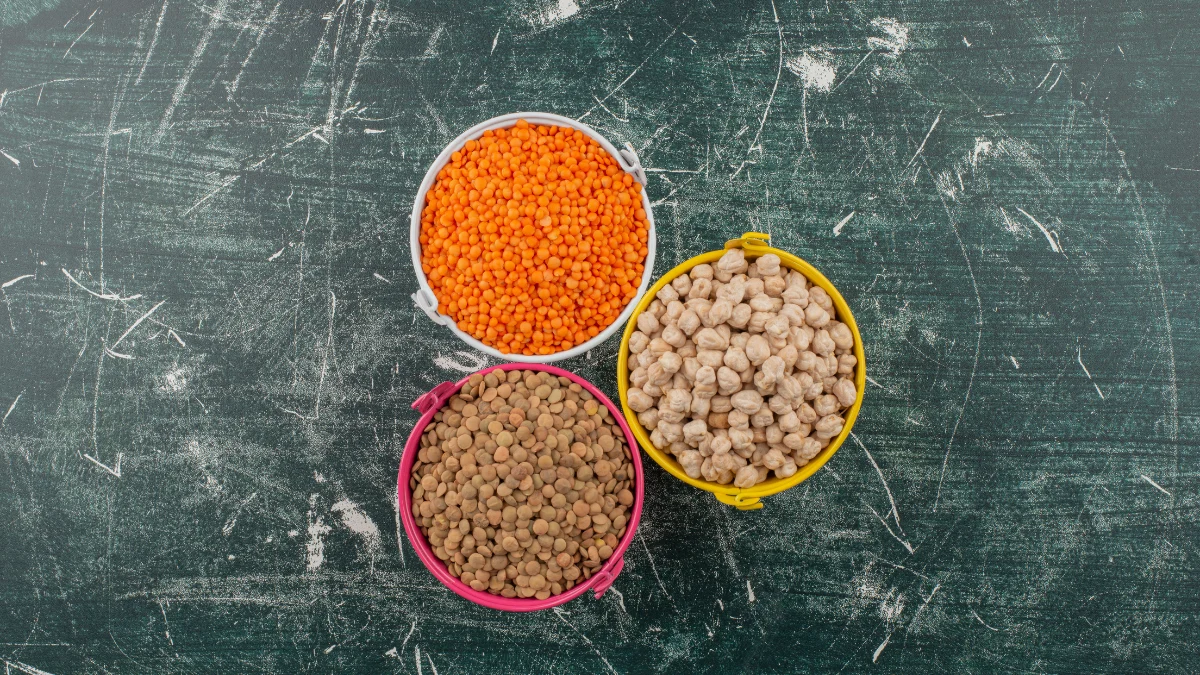
Legumes might be the most underrated food for people over 50. One half cup serving of lentils gives you about 8 grams of fiber and 9 grams of protein at the same time. That’s two problems solved in one food.
Aim for 3,4 servings per week as a main protein source. The easiest way to start: replace half the meat in your soups, stews, or stir fries with beans or lentils.
You probably won’t taste the difference. Your body definitely will. Canned beans are fine. The fiber content is identical to that of dried. Just rinse them first to reduce the sodium.
2. Whole Grains (Oats, Brown Rice, Quinoa, Whole Wheat)
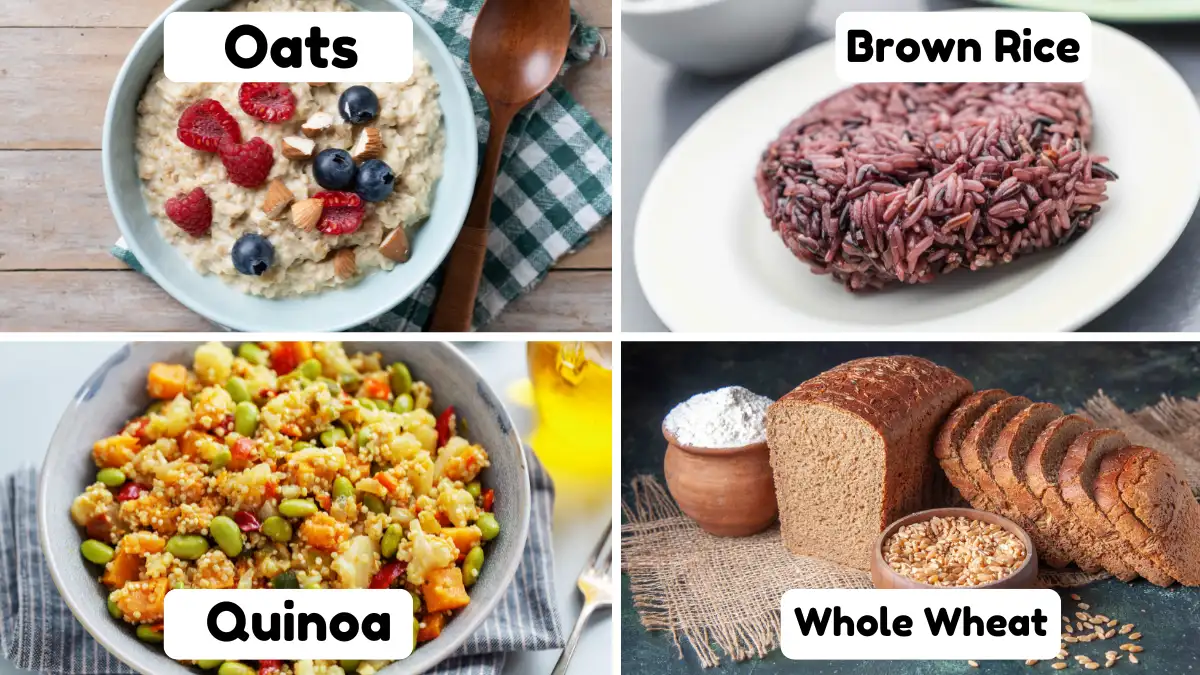
Every time you eat a refined grain, such as white bread, white rice, or regular pasta, you’re eating a food that’s been stripped of most of its fiber. Brown rice has nearly three times the fiber of white rice per cup. Whole wheat bread has three times the fiber of white bread. These are not small differences.
The simplest upgrade: start with breakfast. Overnight oats with chia seeds made the night before take five minutes, giving you 8,10 grams of fiber before lunch. That’s more than half of some people’s daily intake in a single meal.
3. Leafy Greens (Spinach, Kale, Arugula, Chard)
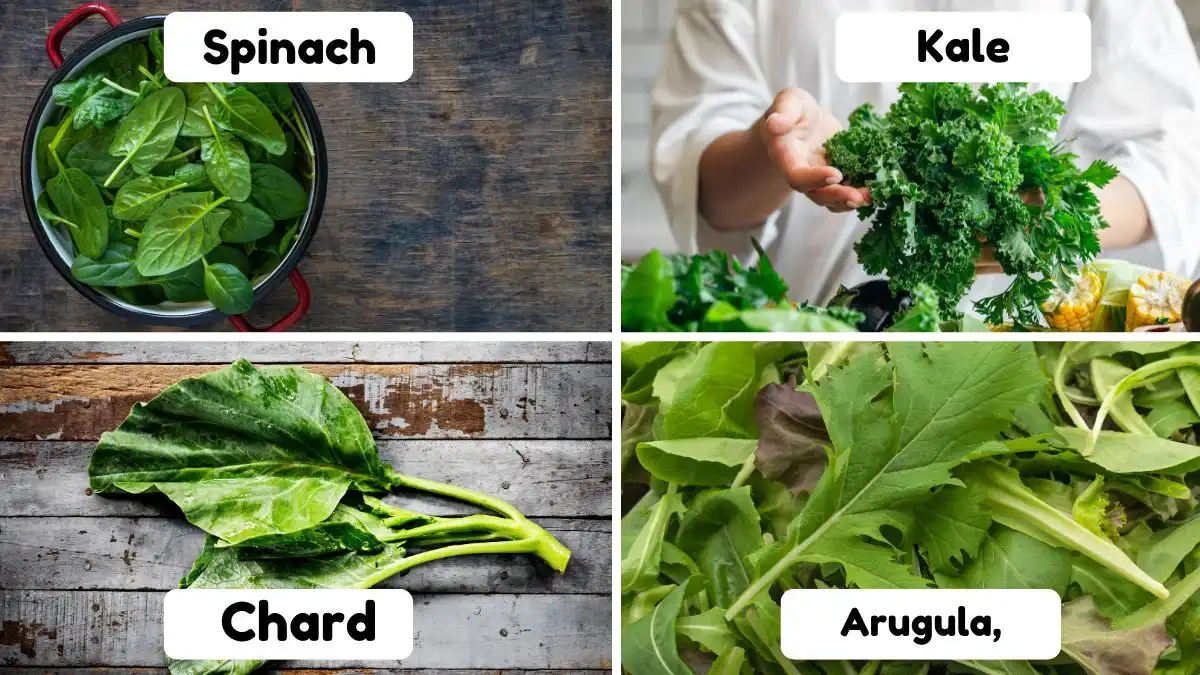
Over 50 don’t know: leafy greens don’t just protect your heart. They protect your muscles, too. A 12 year study tracked nearly 3,800 adults and measured their muscle strength and walking speed at the end.
People who ate a high nitrate diet mostly from leafy vegetables had 11% stronger lower limb strength and walked up to 4% faster than those who ate the least.
And this held regardless of how much exercise they did. Nitrates found abundantly in spinach, kale, arugula, and chard convert to nitric oxide in your body. Nitric oxide opens up your blood vessels, improves circulation, and helps oxygen get to your muscles more efficiently.
One cup of spinach or arugula delivers about 75 milligrams of nitrates. The research target is around 90 milligrams per day. That’s one generous salad.
After 50, stronger legs mean fewer falls. Fewer falls mean longer independence. This one cup of greens a day matters more than most people realize.
4. Nuts (Almonds, Walnuts, Pistachios, Cashews)
One small handful. About 28 grams. Every day. An umbrella review of many studies found that eating 28 grams of nuts per day was linked to a 21% lower risk of cardiovascular disease, an 11% reduction in cancer deaths, and a 22% lower risk of dying from any cause, compared to people who didn’t eat nuts.
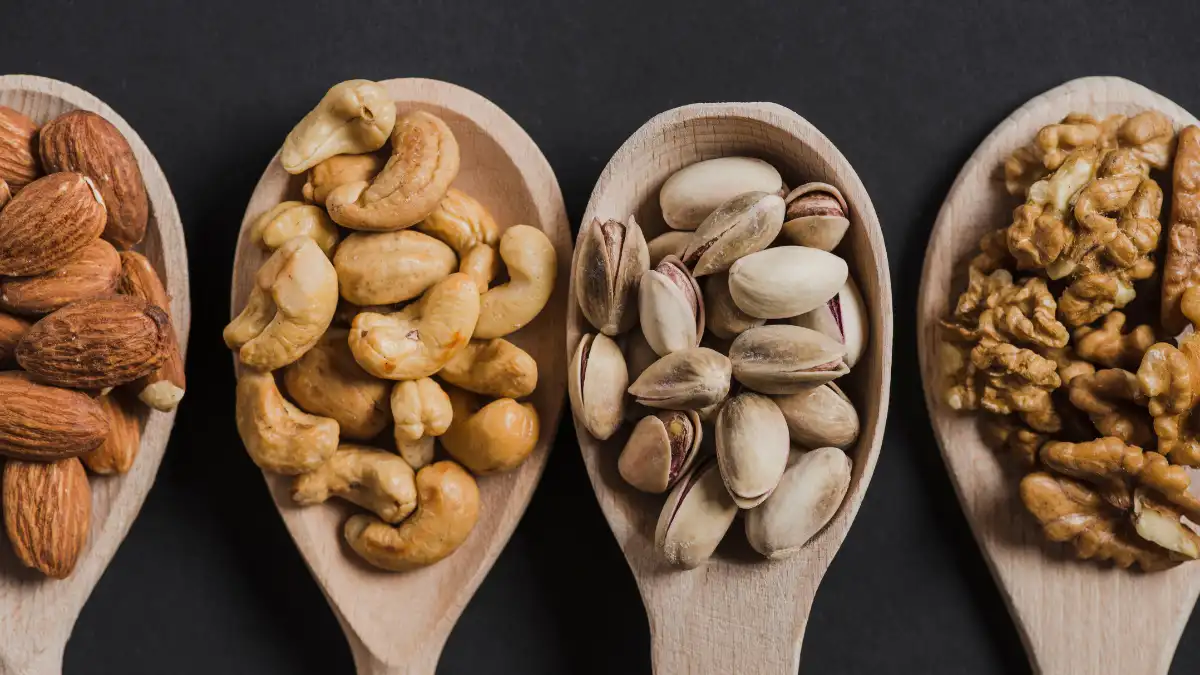
10,000 older adults and found that those who ate nuts every day or several times a day lived longer without dementia or major physical disability. The benefit was especially strong for people whose overall diet wasn’t that great.
In other words: even if everything else on your plate isn’t perfect, adding nuts still helps. Use them as a snack. Replace the chips, crackers, or cookies you’d normally reach for. The calories are similar. The outcomes are not.
How to Make This Change Without Overhauling Your Life?
You have habits built over decades. Your family likes certain meals. You’re busy. Maybe you’re on a fixed budget. None of this makes change impossible, but it does mean you need a strategy that fits real life.
Start with one meal, not three. Pick breakfast or lunch as your first focus. Get that meal right consistently for two weeks. Then adjust dinner.
Don’t try to change everything at once. Use the crowd out strategy. Don’t think about what to cut. Think about what to add. Add a handful of spinach to your eggs. Add half a can of beans to your soup. Add a handful of nuts to your afternoon break.
When fiber rich foods fill up more of your plate and stomach, the less helpful foods naturally shrink without you having to fight yourself over it.
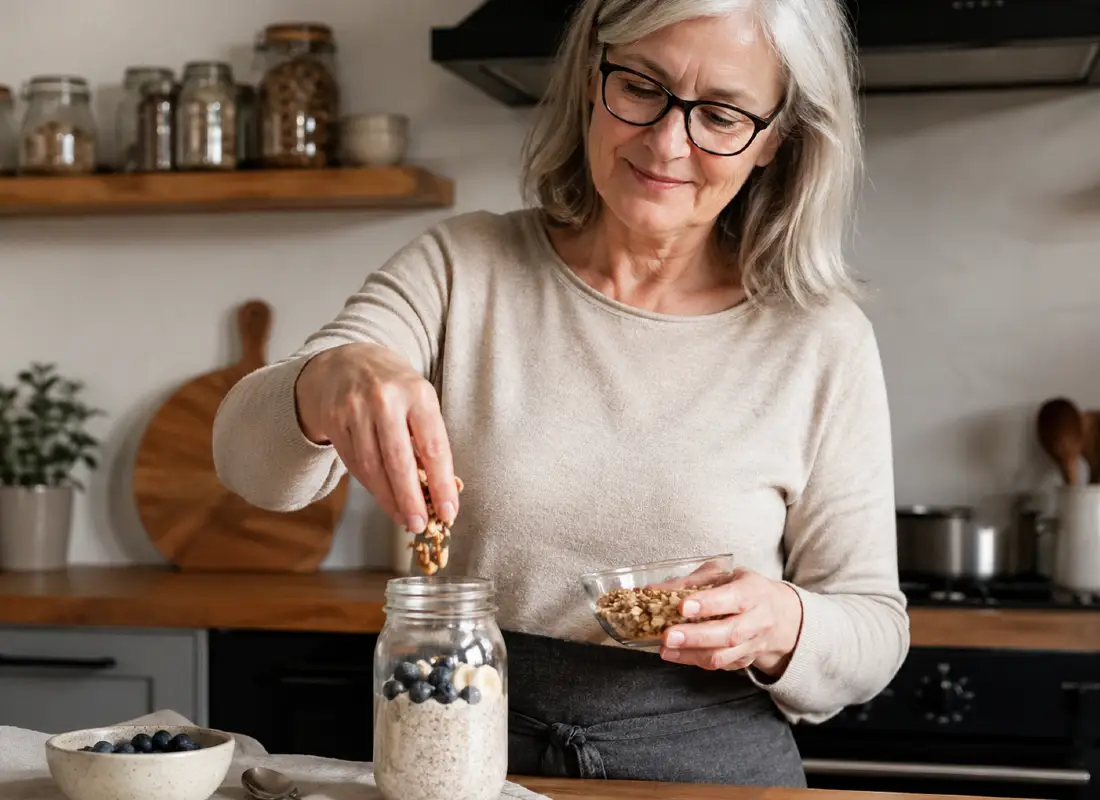
Increase slowly. Adding too much fiber too quickly can cause bloating and gas. Increase by about 5,7 extra grams per week. Always drink more water when you add fiber it needs water to move through your system properly.
What Experts Say — and What the World’s Longest-Lived People Confirm?
The world’s longest lived people didn’t discover a secret supplement. They just ate mostly plants for most of their lives.
The Blue Zones, Okinawa in Japan, Ikaria in Greece, Sardinia in Italy, Loma Linda in California, and Nicoya in Costa Rica, are five places where people routinely live past 90 and 100. All five share the same dietary pattern: high legume intake, plenty of vegetables and whole grains, and very little processed or red meat.

Research links these plant forward diets directly to the exceptional longevity these populations experience. Dr. Andrew Reynolds of the University of Otago, who studies fiber and mortality, puts it plainly: compared to eating the average 19 grams of fiber per day, eating 35 grams per day is associated with a 35% lower risk of dying early.
Conclusion
After 50, the single most powerful change you can make on your plate is not a restriction, it’s an addition. Add more fiber. Add more plant protein. Add leafy greens, legumes, whole grains, and a daily handful of nuts. These are not trendy superfoods or expensive supplements. They are basic, inexpensive, and proven foods your body needs more of as you age.
The path is simple. Start this week. Pick one meal. Make it plant-forward. Do it again tomorrow. That is how a longer, healthier life is built one plate at a time. Making these changes to your healthy eating over 50 routine, specifically building a fiber rich diet after 50, is the most evidence backed, actionable step you can take today toward the goal of living longer.
⚠️MEDICAL DISCLAIMER
This article is for informational purposes only. It does not replace medical advice, diagnosis, or treatment. The information covers fiber intake, cholesterol management, blood sugar regulation, gut health, chronic inflammation, plant-based protein vs. animal protein, legumes, whole grains, leafy greens, muscle strength, and nut consumption.
Individual results vary based on age, health status, and fitness level. Before changing your exercise routine, diet, or supplement use, talk to your doctor or a qualified health professional first. If you experience chest pain, dizziness, severe joint pain, or any sudden symptom during or after exercise, stop immediately and seek medical care.