

You just left the doctor’s office with a perfect 118/78 mmHg reading. The doctor said you are doing great. But inside your chest, your vessels might be decades older than you think. This is the danger of hidden heart health issues. Traditional arm cuffs only measure the pressure in your limbs.
They often miss the silent hardening of your aorta, which is the body’s main highway for blood. This hardening is called arterial stiffness. When your vessels lose their elasticity, your healthy blood pressure becomes a mask for vascular aging. Stiff arteries force your heart to work much harder to move blood.
This increases your cardiovascular risk even if your numbers look normal. You will see why pulse wave velocity is the new gold standard for heart health. Most importantly, you will find out how to keep your arteries flexible and young.
Why Perfect Blood Pressure Can Be a Lie?
Your doctor wraps a cuff around your arm to measure brachial pressure. This is a good start, but it doesn’t tell the whole story. It doesn’t tell you the pressure inside your chest, right near your heart. This is your central blood pressure. Think of your arteries like a series of pipes. In a healthy body, these pipes are stretchy. They soak up the force of each heartbeat like a sponge.
When arteries get stiff, they lose that stretch. They become more like a hard metal pipe than a rubber hose. This leads to something called the Reflected Wave. When your heart pumps, a wave of blood travels through you. In soft arteries, this wave moves slowly. In stiff arteries, the wave hits a wall and bounces back to the heart too fast.
It hits your heart while it is still trying to pump. This creates a massive amount of stress on your heart muscle. You can check for signs of this at home by looking at your pulse pressure. This is the gap between your top systolic and bottom diastolic numbers. If your reading is 120/70, your pulse pressure is 50.
If that gap gets wider than 60, it is a red flag. It means your vessels aren’t absorbing the shock of your heartbeat. A study in The Lancet showed that central pressure is 25% better at predicting organ damage than the arm cuff. This is why a single 120/80 reading can be a trap.
The Aortic “Speed Limit”
Visualizing how stiffness changes blood wave mechanics.
Wave returns late, during heart rest. No extra stress.
Wave returns early, hitting heart while it pumps.
Pulse Wave Velocity: Is Your Blood Moving Too Fast?
Pulse Wave Velocity PWV is the speed limit for your heart. It measures how fast the pressure wave from your heartbeat travels through your body. You might think fast is good. In this case, fast is dangerous. Imagine a rubber garden hose. If you flick one end, the ripple moves slowly because the rubber absorbs the energy.
Now imagine a metal pipe. If you hit it, the vibration reaches the other end instantly. Your arteries should be like a garden hose. Stiff, aging arteries act like a metal pipe. If the wave moves too fast, it means you have high aortic stiffness. In 2026, doctors use PWV to find your true vascular health.
If your speed is high, your arteries are behaving like someone decades older than you. This speed test is a better look at your body than a standard physical. It can find problems years before a heart attack happens. Knowing this number gives you the power to change your habits before the damage is permanent.
3 Silent Drivers of Vascular Aging
Getting older is one reason for stiff arteries. But your daily choices can speed it up or slow it down. Here are three things that cause hidden stiffness.
1. Metabolic Friction
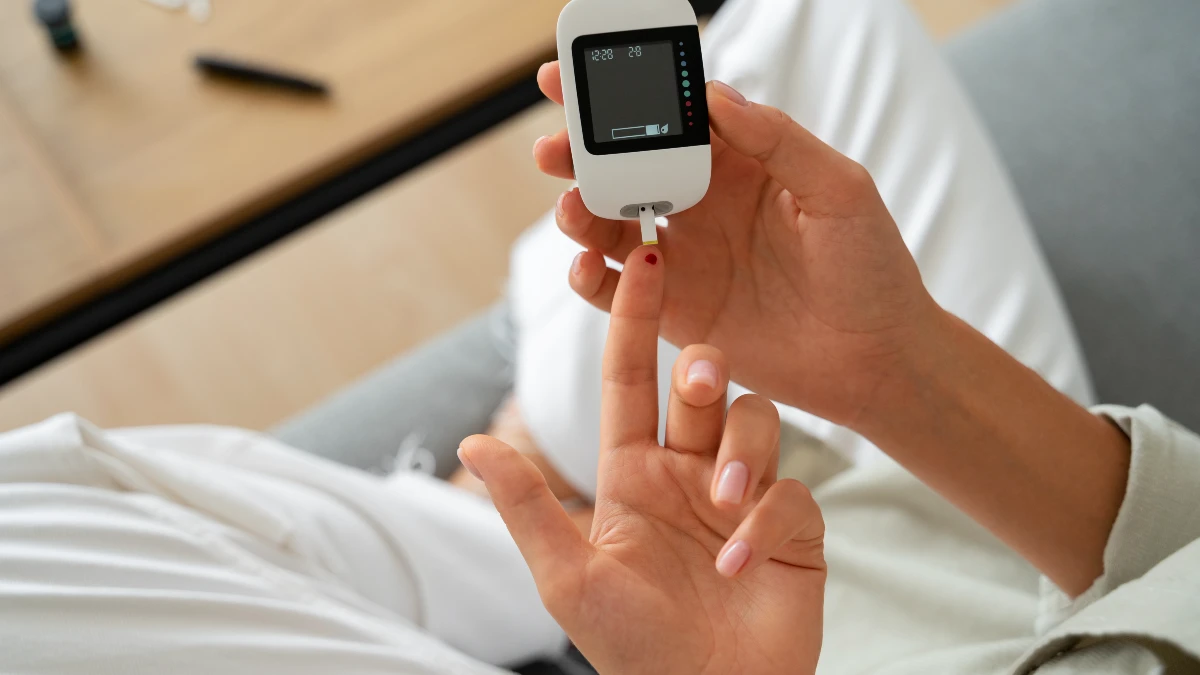
You don’t need to have diabetes to have a problem. Even high normal blood sugar levels create friction in your blood. This damages a microscopic, slimy coating inside your vessels called the glycocalyx. When this coating wears away, your arteries can’t relax. This is a common part of metabolic syndrome.
2. Chronic Inflammation
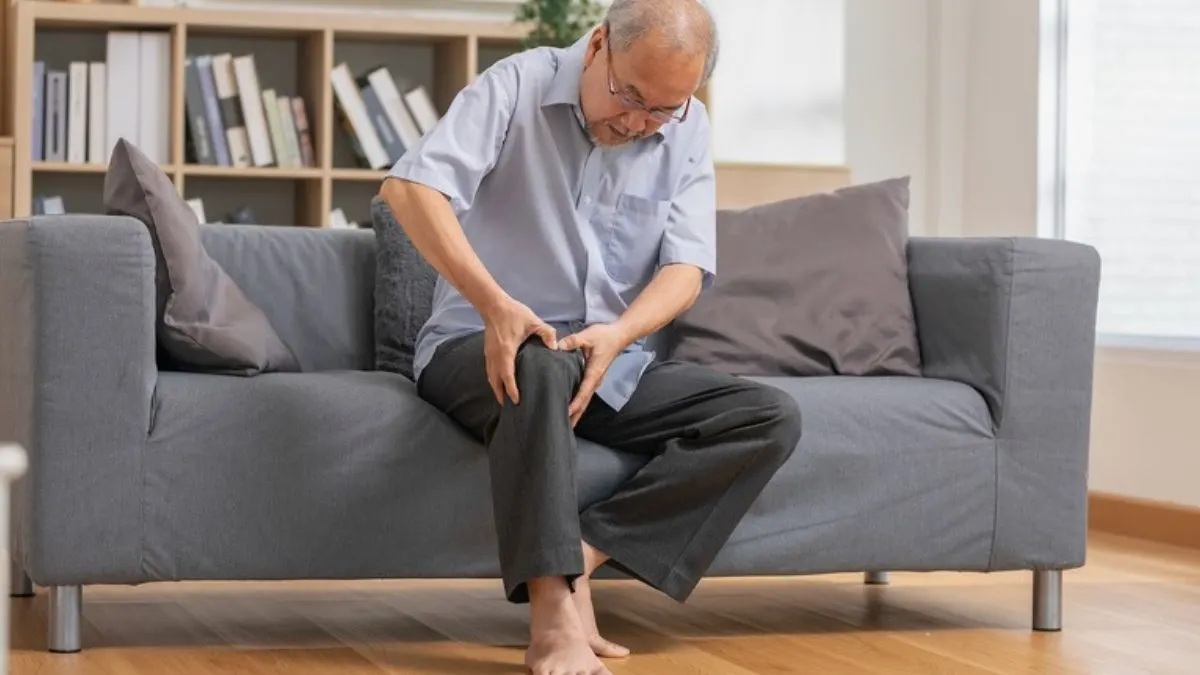
If you deal with joint pain or autoimmune issues, your arteries feel it too. Inflammation attacks elastin. This is the protein that keeps your vessels bouncy. When elastin breaks down, your body replaces it with collagen. Collagen is tough and stiff. It makes your artery walls feel like leather instead of rubber.
3. The Sodium-Potassium Ratio

Most people only worry about low salt. But the real secret is potassium. Potassium tells the smooth muscle cells in your arteries to relax. If you eat too much salt and not enough greens, your arteries stay clenched. This makes them feel stiffer than they really are.
How to Soften Your Arteries and Reverse Aging?
You can’t change your birth date. But you can change your arterial stiffness. Here is how to improve your vascular compliance in 2026.
The Exercise Mix
To keep arteries soft, you need a specific mix of movement.

- Zone 2 Cardio: This is a steady pace, like a brisk walk or light jog. You should be able to talk, but feel your heart working. This gently stretches the vessels.
- Heavy Lifting: Lifting weights helps your body handle blood sugar better. This reduces the friction that damages your artery lining.
- Aerobic Exercise: Aim for at least 150 minutes a week to see real changes in how your heart feels.
Eat for Elasticity

A heart healthy diet in 2026 focuses on Vitamin K2, the MK 7 version. Think of Vitamin K2 as a traffic cop for calcium. It takes calcium out of your artery walls and puts it into your bones. This prevents your arteries from becoming crunchy or calcified.
Use 2026 Technology

You don’t need a hospital lab to check your vessels anymore. Modern smart scales and rings now track your PWV while you sleep or stand. These tools help you see how stress and food affect your vascular age in real time.
If you see your speed going up, you know you need more rest or better food. In some cases, doctors may use ACE inhibitors to help the artery walls relax, but lifestyle is always the first step.
Why Morning Sunlight Is Good for Your Arteries?

Your arteries have a secret weapon called nitric oxide. This is a gas that tells your blood vessels to open wide and relax. When you go outside in the morning sun, your skin releases more of this gas into your system. This helps your blood flow better and lowers your pulse wave velocity.
Even a 5 minute walk in the sun can reset your vascular tone for the day. It helps your body find its natural rhythm. This simple habit keeps your arteries from staying clenched under stress. It is a free and easy way to keep your heart healthy in 2026.
How Does Drinking Water Keep Your Vessels Smooth?

When you are dehydrated, your blood gets thick and sticky. Think of it like trying to pump honey through a straw instead of water. Thick blood creates more friction against your artery walls. This friction causes small tears in the vessel lining. Your body repairs these tears with scar tissue, which makes the artery stiff.
Drinking enough water keeps your blood moving easily. It keeps the pressure low and the walls soft. This is one of the easiest ways to protect your vascular health every day.
Why Your Sleep Is Making Your Arteries Stiff?

You might think sleep is just for your brain. But it is also a car wash for your blood vessels. When you don’t get enough deep sleep, your body stays in fight or flight mode all night. This keeps your stress hormones like cortisol very high. These hormones act like a physical weight on your arteries, keeping them squeezed tight instead of letting them rest.
If you snore or have sleep apnea, the problem is even worse. Every time you stop breathing, your oxygen levels drop. This sends a shock through your system that scars the lining of your aorta. In 2026, we know that one night of bad sleep can temporarily make your arteries as stiff as those of someone with high blood pressure.
Conclusion
A normal blood pressure reading is a great start. But it is not the finish line. Your heart health is about more than just two numbers on a screen. True longevity comes from keeping your vessels flexible and bouncy. Monitoring your vascular aging is the best way to stay ahead of silent heart issues.
If you have a home blood pressure monitor, check the gap between your numbers today. If that gap is wide, don’t ignore it. Ask your doctor for a pulse wave velocity test at your next visit. It is the best way to see what is really happening inside your body.