

You’ve been told for years that a green smoothie is the gold standard of a healthy morning. But if you are over 50, that blender might be a kidney stone factory in disguise. It is called the Health Halo effect. We assume that more greens always mean more health. We ignore that concentration matters.
This article explains the science of oxalates. You will see why age 50 changes the rules for your kidneys. You will also learn how to keep the smoothie without the stones. If you have been drinking an oxalate rich green smoothie every day, this is for you. Kidney stones after 50 are painful, but they are also preventable. It starts with what you put in your glass.
Why Your Blender is Too Good at Its Job?
Oxalates are natural compounds found in many plants. Normally, they are not a big deal. But your blender makes them very easy to eat in huge amounts. Think about it. Eating two big bowls of raw spinach is hard work. Drinking that same amount of spinach takes about thirty seconds.
This is the Concentration Effect. When you blend leafy greens, you get a massive dose of oxalates all at once. In your body, these oxalates look for calcium to bond with. If they find it in your kidneys, they form calcium oxalate crystals. These tiny crystals grow into painful stones.
A single spinach heavy smoothie can have up to 1,000mg of oxalates. That is a huge problem. Most people at risk for stones are told to stay under 100mg a day. By drinking that healthy meal, you are giving your renal health ten times more than it can handle. High oxalate foods are fine in small amounts, but your blender makes them too concentrated for comfort.
Why 50 Changes the Rules for Your Kidneys?

Your body is not the same as it was at twenty. As you age, your kidneys naturally slow down. Doctors track this with something called the Glomerular Filtration Rate, or GFR. This rate usually drops as we get older. It means your aging kidneys process waste more slowly than they used to.
There are also metabolic shifts to consider. For women, post menopausal changes can change how the body handles minerals. Your gut microbiome also changes. You might lose the specific bacteria that help break down oxalates before they reach your bloodstream.
Then there is the Silent Stone factor. Kidney stones do not always hurt right away. They can form slowly over many years. That daily smoothie habit at 50 might be the final straw for your metabolic health. What was a superfood in your 30s can become a health risk now. Keeping your kidneys safe means respecting these natural changes.
The Hidden Danger in Dairy-Free Smoothies
Many people choose plant based milks like almond milk for their smoothies. This seems healthy, but it creates a Calcium Trap. Oxalates need to find calcium in your stomach or intestines. If they bind there, they leave your body through waste. If there is no calcium in your gut, the oxalates travel to your kidneys instead.
This is why low oxalate diet tips always suggest eating calcium with your greens. Calcium binding is your best defense. Vitamin C is another hidden risk. Many of us add extra Vitamin C to our smoothies to stay healthy. But if you take more than 1,000mg, your body might turn that extra vitamin into oxalate.
This just adds more fuel to the fire. Instead of almond milk, try using Greek yogurt or fortified soy milk. These options provide the calcium you need to protect your kidneys. Managing Vitamin C risks is just as important as picking the right greens.
Beets, Berries, and Nuts: The Other Hidden Risks
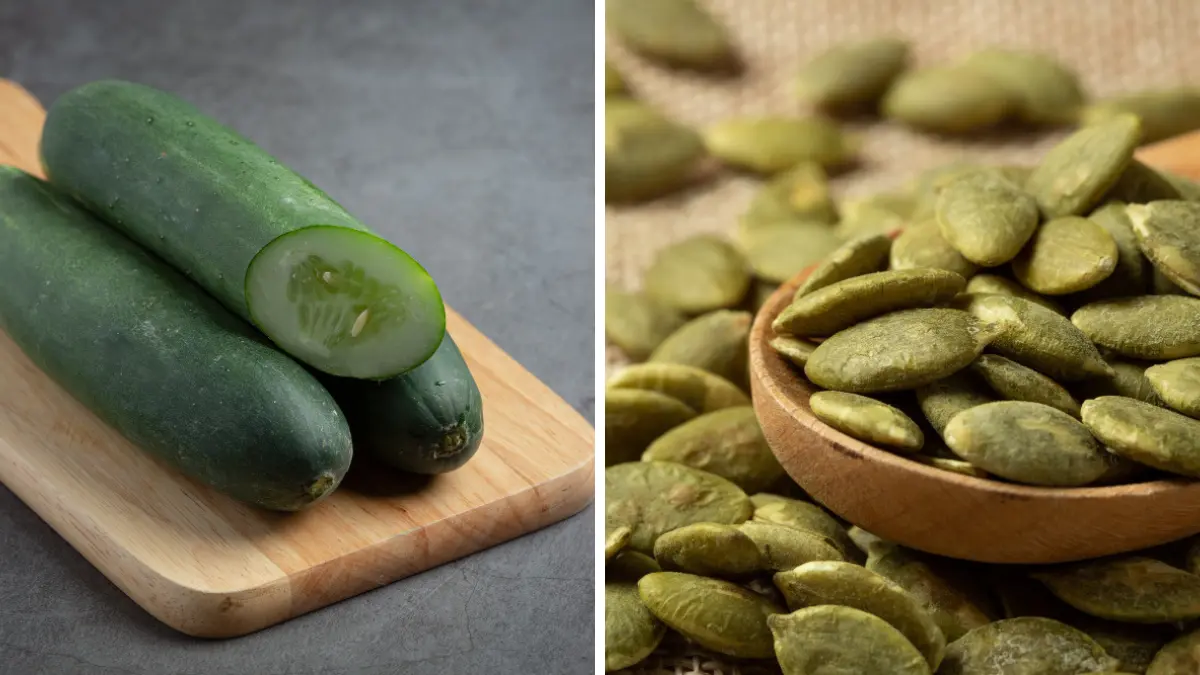
It is not just the spinach you have to watch. Many people add superfoods like beets, raspberries, and almonds to their blender. These are also very high in oxalates. If you use almond butter or almond milk as your base, you are adding even more to the pile. Think about your smoothie as a budget. If you use high oxalate spinach, you have no room left for beets or nuts.
If you love almond milk, you must pick a very low oxalate green like romaine or cucumber. Using too many healthy things at once is how you get into trouble. Try swapping almonds for sunflower seeds or pumpkin seeds. These have much less oxalate but still give you a great crunch. Hidden oxalate sources can add up quickly, so choose one star ingredient and keep the rest low-key.
Why Does My Back Hurt? How to Spot a Stone

Sometimes it is hard to tell if you have a kidney stone or if you just pulled a muscle. For people over 50, back pain is common. But kidney stone pain is different. It usually starts in your side or your back, right below your ribs. This is called flank pain. The pain often comes in waves. It might be dull for an hour and then become very sharp.
You might also notice that your urine looks pink or cloudy. If you feel a constant need to go to the bathroom but nothing happens, that is a big warning sign. Do not ignore these signals. Your body is trying to tell you that those calcium oxalate crystals are causing a blockage. If the pain comes with a fever, you need to see a doctor right away.
The Big Water Rule: Why One Smoothie Needs Two Glasses?

The best way to stop a stone is to keep things moving. Think of your kidneys like a plumbing system. If the water is low, the pipes get clogged with minerals. When you drink a thick, concentrated smoothie, your body needs extra fluid to wash those minerals through. A good rule is to drink one full glass of water for every smoothie you finish.
This helps with urine dilution. When your urine is clear like water, it is hard for crystals to stick together. If your urine is dark yellow, you are at a much higher risk. Try to drink a glass of water right before bed, too. This prevents oxalates from sitting in your kidneys all night while you sleep. Hydration for kidney stones is the simplest tool you have to stay safe.
Simple Tests to See if You Are at Risk

You do not have to guess if your smoothies are hurting you. You can ask your doctor for a few simple tests. The most common one is a 24 hour urine collection. You collect your urine for one full day, and a lab checks the levels of calcium, oxalate, and uric acid. This test tells you exactly what is happening in your aging kidneys.
Your doctor might also check your blood for elevated calcium or Vitamin C levels. These tests are easy and give you a clear map of your health. If the tests show you are a stone former, you can adjust your diet before a stone even starts to grow. Kidney health tests are a smart move once you hit 50. It takes the guesswork out of your morning routine and keeps you in control.
Conclusion
Health is not about giving up the things you love. It is about being smart with your ingredients. You do not have to throw away your blender. You just need to change what you put inside it. By making these small swaps, you can enjoy your breakfast while protecting your kidneys.
If you have ever felt pain in your side or back, talk to a doctor. It is a good idea to see a specialist if you have a history of kidney issues. You can also download our Low Oxalate Green List to help you shop smarter. Preventing kidney stones after 50 is possible with the right plan. Your morning routine should make you feel better, not put your health at risk.