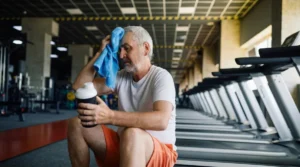

You’ve carried these same grocery bags for years. But lately, you get to the front door and your heart is pounding. You’re gasping for air and have to sit down before putting the milk away. While it is easy to assume you are just “getting old,” that perspective is incomplete.
Research indicates that roughly 50% to 70% of the physical decline we attribute to aging is actually caused by inactivity, not the passage of time. This means you have an incredible amount of agency. You are looking at a system that has been deconditioned, but it remains remarkably responsive to the right signals. By understanding the science and changing your approach to fuel and movement, you can reclaim your wind and stop the “performance ceiling” from closing in.
The Biological Reality: Why You’re Winded Now
Between ages 50 and 75, your VO2 max (the maximum oxygen your body can use) doesn’t just “shrink” it gradually declines with age. This happens because your body becomes less efficient at three specific points: the pump, the pipes, and the engine.
1. The “Stiff” Heart (The Pump)
Your heart is a muscle. As we age, the left ventricle, the chamber that pumps blood to your body, becomes less flexible. This “diastolic stiffening” means the heart works harder to fill and push blood. Studies show that completely stopping exercise can sharply reduce your heart’s pumping efficiency in just a few weeks. That’s why your heart rate can spike during simple chores, it’s overcompensating for a less flexible pump.

2. The Muscle Drain (The Engine)
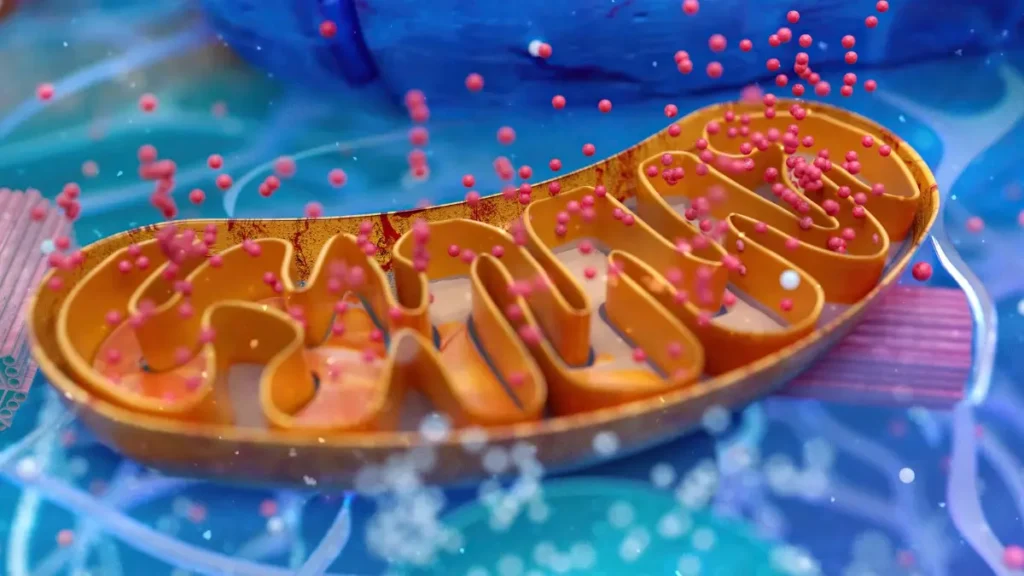
Muscle loss, or sarcopenia, is the second half of the problem. This process speeds up as we age, especially after 60. Think of your muscles as the “engine” that uses the fuel your heart pumps. If the engine shrinks or becomes less efficient, the pump has to work harder just to get you up the stairs. Losing muscle also means losing mitochondria, the tiny power plants inside your cells that turn oxygen into energy.
Zone 2: The “Secret Sauce” for Cellular Energy
To fix your stamina, you have to fix your mitochondria. The most effective way to do this is through Zone 2 Training.
What is Zone 2?
Zone 2 is “steady-state” aerobic exercise. It is the intensity level where your body is primarily using fat and oxygen for fuel rather than stored sugars (glucose). When you exercise at this specific intensity, you stimulate “mitochondrial biogenesis”, literally growing new power plants in your cells.
How to Find Your Pace
You don’t need a lab to find your Zone 2. Use the Talk Test: You should be moving fast enough that your heart rate is elevated and you are breathing harder, but you can still hold a full conversation without gasping. If you can only speak in two-word bursts, you’ve pushed into Zone 3 or 4 and are no longer building that aerobic base.

The Heart Rate Formula
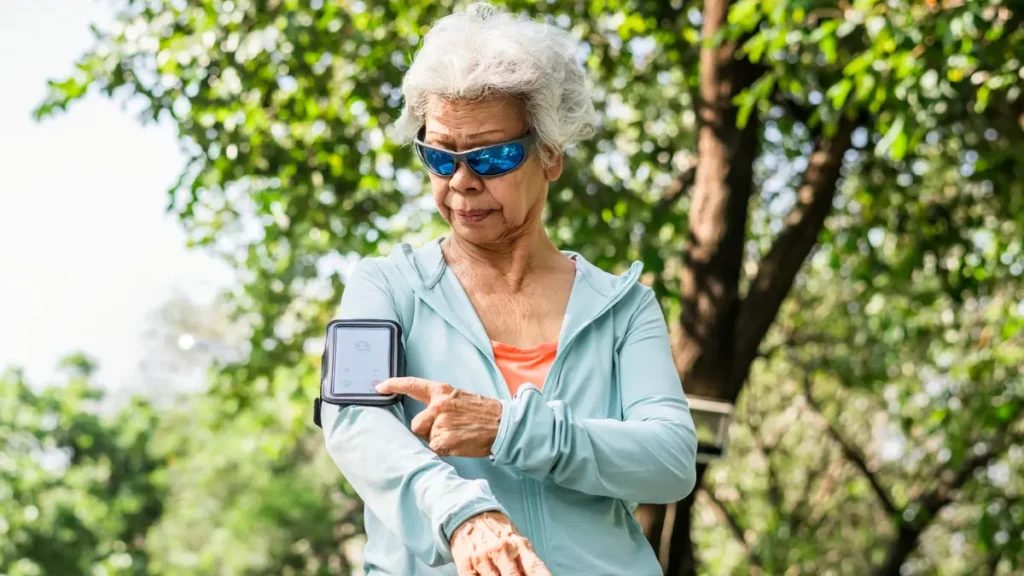
For a more data-driven approach, use the MAF Method (180-age). If you are 55, your target heart rate for Zone 2 would be roughly 125 beats per minute (bpm). Staying at or slightly below this number ensures your body stays in the aerobic “fat-burning” zone, which strengthens the heart walls without causing the “over-stress” that leads to burnout.
The Protein Protocol: Fighting Anabolic Resistance
You cannot exercise your way out of breathlessness if you are “malnourished” for your age. After 50, your body experiences Anabolic Resistance. This means your muscles become “deaf” to the signals that tell them to grow or stay strong. You need more protein than a 20-year-old to get the same result.
The Math and the Meal
To stop the 3% annual muscle drain, you need 1.2 to 1.5 grams of protein per kilogram of body weight. For a 180-lb person, that is roughly 100–120 grams per day.
Here is what that looks like in a real day:
- Breakfast: 3 eggs and a side of Greek yogurt (approx. 30g)
- Lunch: 6oz chicken breast over a large salad (approx. 45g)
- Dinner: 6oz salmon or lean beef with vegetables (approx. 40g)

The Role of Creatine
In 2026, Creatine Monohydrate is widely recognized as a “longevity supplement” for those over 50. Taking 3-5 grams daily helps hydrate muscle cells and provides the quick-burst energy needed for things like lifting heavy groceries. It’s one of the most researched and safest supplements for maintaining muscle mass.
Sleep: The Essential Recovery Phase
Most people believe they build stamina while they are walking or lifting. In reality, exercise is a “stressor” that breaks the body down. You actually build the stamina and repair the heart tissue while you sleep.

Growth Hormone and Cortisol
During deep sleep, your body releases Growth Hormone (GH), which is essential for repairing the muscle fibers you taxed during your day. If you consistently sleep less than 7 hours, your cortisol (stress hormone) levels remain elevated. High cortisol is “catabolic,” meaning it actively breaks down muscle tissue the exact opposite of what you want when trying to reverse sarcopenia.
The 2026 Sleep Target
Aim for 7–9 hours of quality sleep. To achieve this, experts recommend a “sleep hygiene” protocol: cooling your room to 65-68°F and avoiding blue light from screens 60 minutes before bed. Without this recovery window, your body cannot adapt to the new demands you are placing on your cardiovascular system.
5 Common Mistakes to Avoid
To see results by week 8, you must avoid these frequent pitfalls that derail progress for those over 50.
Warning Signs: Is it Aging or Something Else?
It is normal to feel more tired than you did at 30, but you shouldn’t feel “scared.” Here is how to tell the difference:
- Normal: You’re huffing after carrying a heavy box, but your breathing returns to normal within 2–3 minutes of sitting down.
- The Red Flags: If you feel chest tightness, pain radiating down your arm, dizziness, or if you are gasping for air while simply sitting still, stop and call a doctor.
The 8-Week “Breath-Back” Roadmap
Summary: Taking the First Step
Stamina after 50 is not a lost cause; it is a resource that requires a specific set of inputs. Your body is incredibly efficient, if you don’t give it a reason to keep its heart elasticity and muscle mass, it will let them go to save energy.
The path forward isn’t about intensity; it’s about providing the right signals through Zone 2 movement, hitting your 120g protein target, and allowing your body to repair during deep sleep. Next time you grab those grocery bags, you’ll be working with a system that has been intentionally prepared for the load.
Your Action Item:
Go to your kitchen right now. Do 10 slow squats using a chair for balance. Then, drink a large glass of water and plan one protein-heavy meal for tomorrow. You’ve just moved from reading about the problem to actively solving it.
⚠️MEDICAL/FITNESS DISCLAIMER
This article is for informational purposes only. It does not replace medical advice, diagnosis, or treatment. The information covers VO2 max decline, cardiovascular health, diastolic stiffening, sarcopenia (muscle loss), mitochondrial function, Zone 2 training, heart rate targeting (MAF method), protein intake, anabolic resistance, creatine supplementation, sleep and recovery, growth hormone, cortisol and stress, hydration, resistance training, breathing technique, warning signs of cardiac events.
Individual results vary based on age, health status, and fitness level. Before changing your exercise routine, diet, or supplement use, talk to your doctor or a qualified health professional first. If you experience chest pain, dizziness, severe joint pain, or any sudden symptom during or after exercise, stop immediately and seek medical care.