

If you’ve traded your favorite outfits for layers of wool and find yourself needing a nap by 2 PM, you might blame your birth certificate, but your thyroid might be the real culprit. Many people over 50 dismiss The Big Chill and chronic fatigue as a normal part of getting older.
You might think it is just the menopause transition. But there is often a physical reason for that heavy exhaustion. Your thyroid acts as the body’s furnace. It sets the pace for your metabolism and keeps your temperature steady. After age 50, this furnace can start to flicker.
Why your system slows down, and which exact labs you need to request to find answers. We are looking at hypothyroidism after 50 and the specific thyroid fatigue symptoms that doctors often overlook. It is time to stop guessing and start feeling warm again.
Why Doctors Often Miss Your Slow Thyroid?
It is easy to mistake thyroid problems for the standard signs of aging. Many symptoms of hypothyroidism look exactly like menopause. You might have thinning hair, brain fog, or trouble sleeping. But there is a difference. While menopause causes hot flashes, a failing thyroid causes cold flashes.
The American Thyroid Association says that 1 in 8 women will develop a thyroid disorder in their lifetime. This risk goes up significantly once you pass 50. Most doctors only run a basic test. If your results fall in the normal range, they might tell you that you are fine.
This is the Subclinical danger. Your lab numbers might look okay on paper, but your body is screaming for help. This is why the 50+ demographic is the most likely to be misdiagnosed. You know your body best. If you feel off, the standard tests might be failing you.
How Your Internal Thermostat Breaks Down?

Think of your thyroid as the thermostat for your entire body. It produces hormones called T3 and T4. These hormones help your cells create energy, also known as ATP. When your thyroid slows down, your basal metabolic rate drops. This means your body stops generating enough heat to keep you comfortable.
This leads to Cold Intolerance. You might notice your hands and feet are always freezing. This happens because your body is pulling blood away from your skin to protect your internal organs. It is also why you feel a profound heaviness instead of just being sleepy.
Thyroid exhaustion is different from being tired after a long day. It feels like your limbs are made of lead. You can sleep for 9 hours and still feel like you haven’t rested at all. This is because your cells aren’t getting the fuel they need to function.
Can Your Diet Fix a Slow Thyroid?
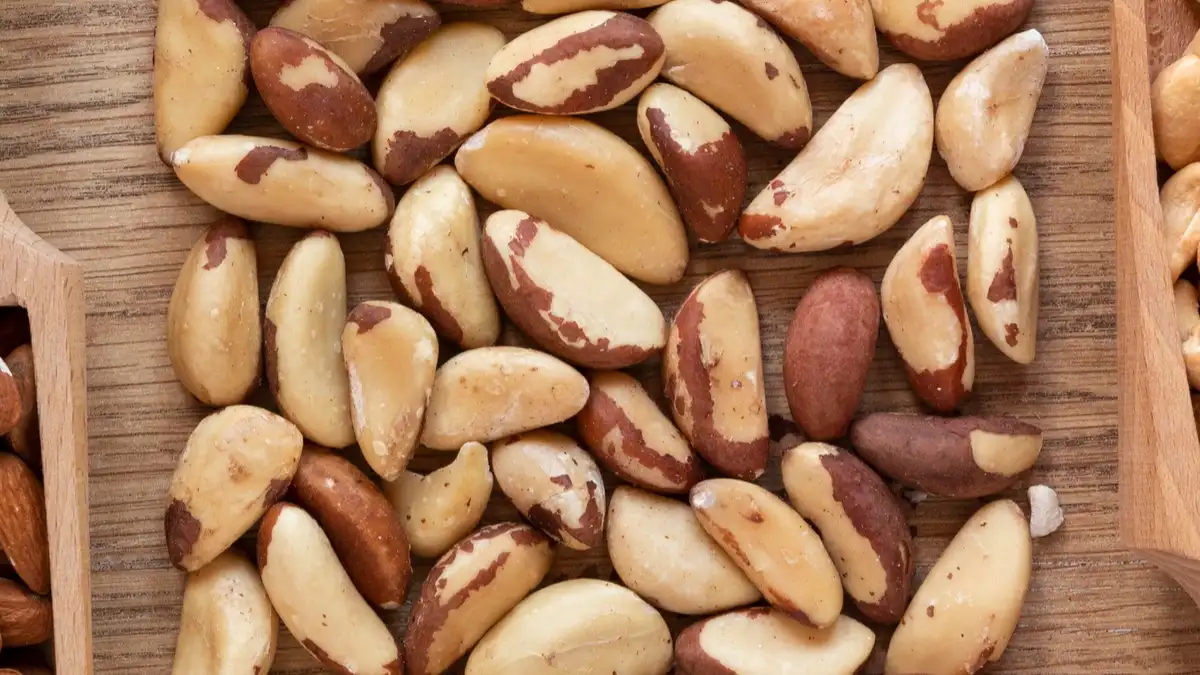
Eating the right things helps your thyroid work better. Your body needs a mineral called Selenium to turn T4 into the active T3 hormone. You can find this in Brazil nuts, eggs, or sunflower seeds. Just two Brazil nuts a day can give you all the Selenium you need. Be careful with too much iodine, though.
While your thyroid needs it, too much can actually cause more trouble for some people. Focus on whole foods and lean proteins to give your furnace the fuel it needs to stay warm. You should also keep an eye on goitrogens. These are natural compounds found in healthy foods like broccoli, kale, and cabbage.
If you eat a lot of them raw, they can interfere with how your thyroid uses iodine. But don’t worry, you don’t have to give up your greens. Simply cooking, steaming, or sauteing these vegetables deactivates most of the goitrogens. This allows you to get all the vitamins and fiber without slowing down your metabolism.
Why Stress Makes You Colder and More Tired?

Stress is a hidden energy killer, especially after age 50. When you are stressed, your body makes a hormone called cortisol. High cortisol can block your thyroid from doing its job correctly. It tells your body to slow down and save energy, which makes you feel even more exhausted.
Taking five minutes a day to breathe deeply or walk outside can help lower these stress levels. It is a simple, free way to help your hormones stay in balance. Stress also changes how your blood moves. When you feel tense, your body sends blood to your big muscles to prepare for a fight.
It pulls that warm blood away from your skin and your fingers. This is why you might feel a chill even when the heater is on. If you stay stressed for a long time, your body gets stuck in this survival mode. It shuts down non essential heat to save fuel. Breaking the cycle of stress helps your blood flow return to normal, so you can finally warm up.
Protect Your Heart from a Sluggish Thyroid
A slow thyroid does more than just make you sleepy. It can also affect your heart health and your cholesterol levels. When your metabolism slows down, your body does not break down fats as quickly. This can lead to higher LDL cholesterol, which is the type you want to keep low. Keeping your thyroid in check helps your heart pump better and keeps your blood flowing smoothly.

It is one of the best things you can do for your long term health as you age. A sluggish thyroid can also change how fast your heart beats. When your hormones are low, your heart may beat too slowly. This can make you feel weak or short of breath even during a light walk.
Your blood vessels can also become stiff, which makes it harder for your heart to push blood through your body. This adds extra strain on your heart every single day. By fixing your thyroid levels, you take that pressure off and help your heart stay strong for years to come.
How to Track Your Health at Home?
You can start tracking your progress at home right now. Keep a simple log of your body temperature first thing in the morning. If your temperature is always below 97.8°F 36.5°C, it might be a sign of a slow metabolism. Write down when you feel the most tired and what you ate that day.
Sharing this log with your doctor gives them a better map of your health than a single blood draw ever could. This puts you in the driver’s seat of your own medical care. You should also pay attention to how your hair and skin change over time. Keep a small notebook to record if your hair seems thinner or if your skin feels unusually dry despite using lotion.
You can even take a photo of your face or eyes once a month to look for subtle changes, like a puffy look around the eyelids. These physical signs are often the first clues that your thyroid is struggling. By documenting these details alongside your temperature log, you build a powerful record that helps your doctor see the full picture of your health.
Can You Exercise Your Way Out of Fatigue?

Moving your body is usually good for you, but you have to be careful when your thyroid is slow. If you try to do a very hard workout, you might feel wiped out for days afterward. This happens because your body cannot recover as fast as it used to. Your cells are already struggling to make energy, so a heavy gym session can empty your tank.
Instead of a long run, try a short walk or some light stretching. Listen to your body. If a workout makes you want to crawl into bed for a nap immediately, it was likely too much. Start slow and build up your strength as your hormone levels get better.
Conclusion
You do not have to live your life cold and tired. Getting older should not mean losing your vitality or living in a constant fog. Identifying the thyroid signal you have been missing is the first step to getting your energy back. Once you fix the underlying hormonal balance, the Big Chill usually fades away.
Your health is in your hands. You do not have to accept being exhausted as your new normal. Talk to your doctor and show them your symptom logs. Getting the right tests is the best way to start. Managing hypothyroidism after 50 can help you feel like yourself again. You can have the energy to enjoy your life without feeling frozen.