
You finished a healthy Mediterranean dinner at 7:00 PM. By 9:00 PM, your knees throb. Your fingers feel stiff and swollen. Most people think this is just getting older. They blame a long day or just arthritis. But that 2 hour window is a big clue. It is often a sign of food sensitivity.
Specifically, it points to a group of plants called nightshades. These plants can trigger nightshade joint pain in many people. This is especially true when looking at inflammation after 50. Your body changes as you age.
The way you process certain vegetables changes, too. Learning how these plants affect your body can help you move without pain again. This isn’t about giving up food forever. It is about finding what works for your joints.
Why Do Your Joints Flare Up 2 Hours After Dinner?
Why does the pain wait two hours? That is the time it takes for food to move through you. It travels from your stomach to your small intestine. This is where your body absorbs alkaloids. These are natural chemicals found in nightshades. Some people have a quick reaction, like an allergy. But others have a delayed reaction. This is a food sensitivity.
As you get older, your gut changes. It might become leaky. This means the gut lining is not as strong as it used to be. Small food particles can slip through and enter your blood. Your immune system sees these particles as a threat. It sends out white blood cells to fight them. This causes joint flare ups. Your digestive efficiency slows down after 50.
This gives these chemicals more time to cause trouble. Solanine sensitivity is a real thing. It is not all in your head. When your gut stays irritated, your joints stay sore. This process usually peaks about two hours after your first bite.
How to Lower the Toxin Levels in Your Meals?
You do not always have to cut every food out forever. Some cooking tricks can help lower the alkaloids in your food. Most of these chemicals are in the skin of the plant. Peeling your potatoes deeply can remove a lot of the solanine. Always choose the ripest tomatoes you can find. Green or unripe tomatoes have much higher levels of these compounds.
Cooking helps a little bit, but it does not remove everything. Think of it as lowering the volume on a loud radio. It makes the food much easier for your body to handle. For many seeds, grains, and legumes, a simple soak can significantly reduce anti nutrients and naturally occurring toxins like lectins and phytic acid.
By soaking these foods in filtered water for several hours or even allowing them to sprout, you effectively neutralize the plant’s natural defense mechanisms. This process mimics the start of the germination cycle, which breaks down complex chemical compounds and makes the remaining nutrients much more bioavailable.
Why You Should Never Eat a Green Potato?
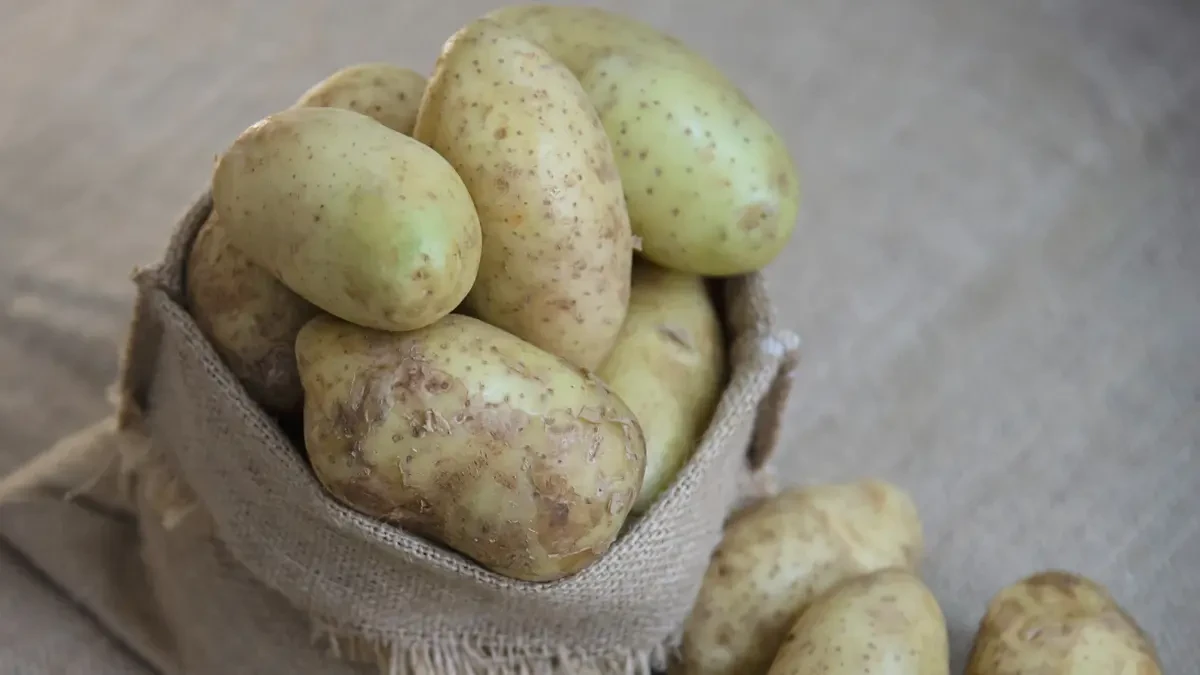
Have you ever seen a green tint on a potato skin? That green color is a serious warning. It shows that the solanine levels are very high and potentially toxic. This happens when potatoes sit in the light for too long. Eating them can cause more than just joint stiffness. It can lead to stomach pain or even worse. Always store your potatoes in a dark, cool cabinet.
If you see sprouts or green skin, throw the whole potato away. It is not worth the risk to your joints or your overall health. The green color itself is actually chlorophyll, which is harmless, but it serves as a visual red flag that the potato has been exposed to light and has begun producing solanine.
This toxin is the plant’s natural defense against pests, and once it starts to accumulate, the concentration is highest just under the skin and around the eyes or sprouts. Unlike some other food borne bacteria, solanine is heat stable, meaning that boiling, baking, or frying the potato will not neutralize the toxin.
How to Strengthen Your Gut Lining Today?
A strong gut is your best defense against food sensitivity. If your gut lining is healthy, fewer toxins get into your blood. You can help your gut by eating more fermented foods. Try adding a little bit of sauerkraut or unsweetened yogurt to your day. These foods are full of good bacteria.
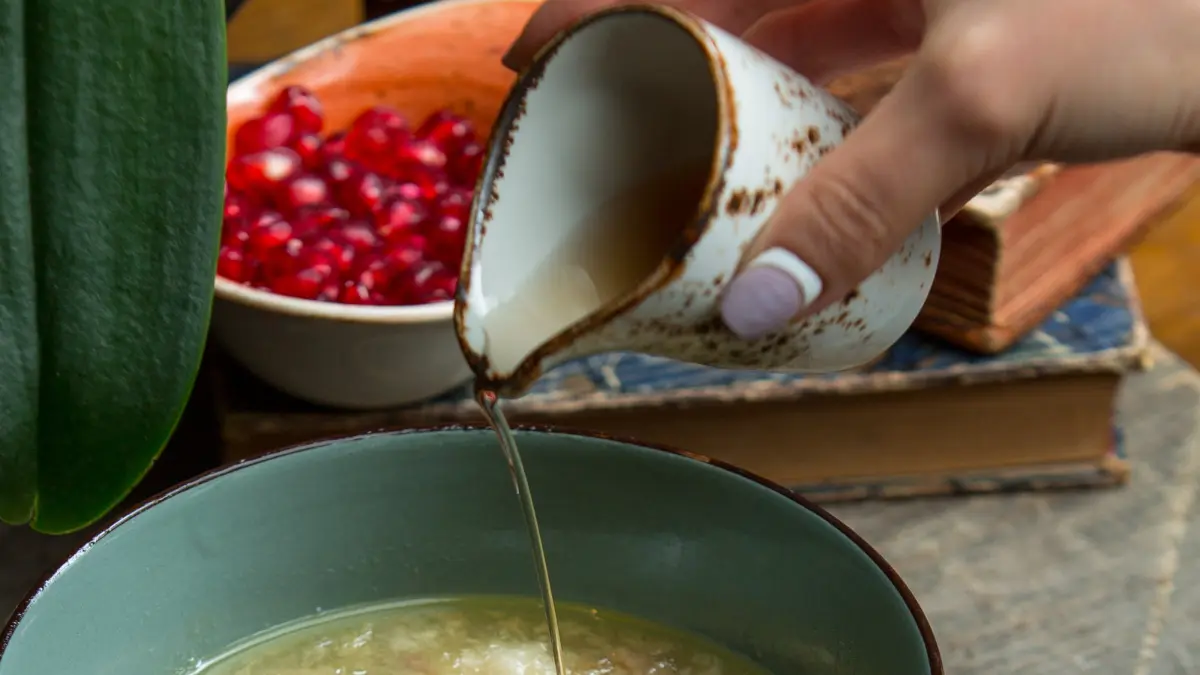
Bone broth is another great tool for your kit. It has collagen that acts like glue for your gut. When you fix the leaks in your gut, you might find that you can handle small amounts of nightshades again later on. While fermented foods introduce beneficial bacteria, prebiotic fibers act as the essential fuel that helps those colonies thrive and multiply.
Incorporating foods like garlic, onions, leeks, and slightly under-ripe bananas provides the specific types of fiber that your gut microbes ferment into short chain fatty acids. These fatty acids, particularly butyrate, are the primary energy source for the cells lining your colon.
By consistently feeding your microbiome the right nutrients, you encourage a thick, protective mucus layer that prevents undigested food particles and toxins from crossing into your bloodstream.
Why Sweet Potatoes Are Your Safest Choice?
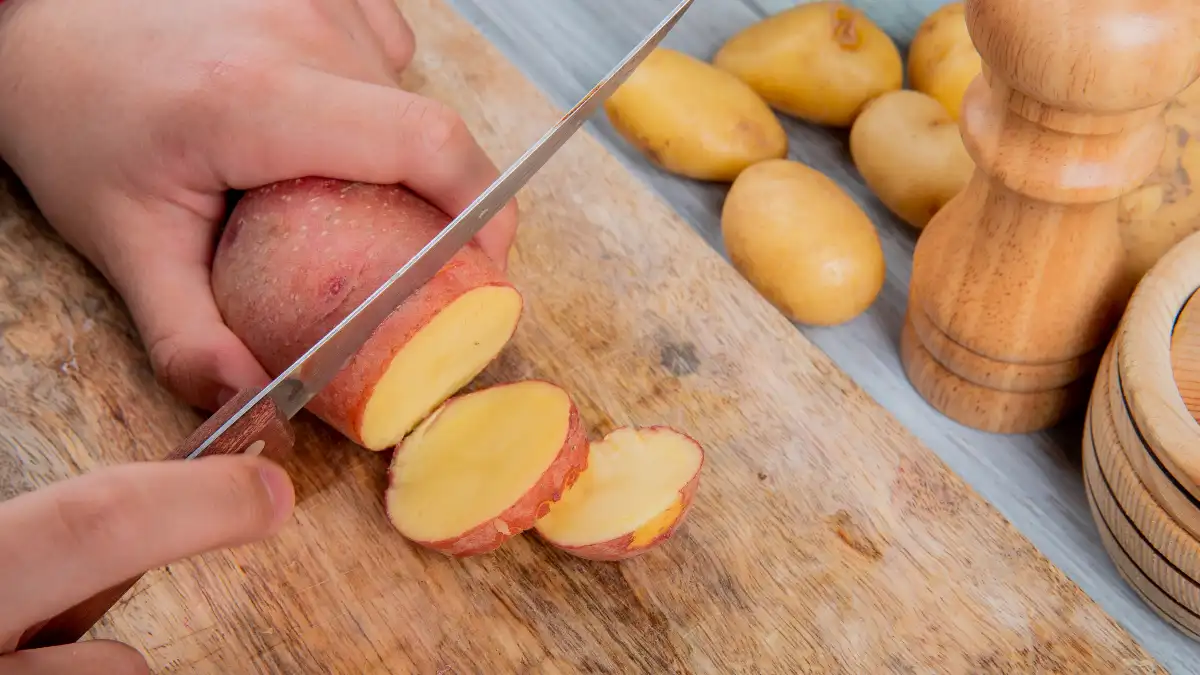
The name sweet potato can be very confusing. But these are not nightshades at all. They belong to a different plant family called the morning glory. This means they have zero solanine. They are packed with Vitamin A and healthy fiber. These nutrients help your body stay strong and fight off swelling.
They give you the same energy as a white potato without the 2 hour pain window. You can roast them, mash them, or even make fries. They are a big win for your taste buds and your knees. Unlike white potatoes, which have a high glycemic index, sweet potatoes provide a much more stable source of energy.
This means you won’t experience the sharp sugar crash that can sometimes trigger inflammatory responses in the body. They are also loaded with potassium, an essential mineral that helps regulate fluid balance and can reduce the muscle cramps or stiffness often linked to nightshade sensitivity.
What If Your Pain Does Not Go Away?

Changing your diet is a great first step. But sometimes the pain is more serious than a food sensitivity. If your joints are red, hot, or very swollen, you should talk to a doctor. This might be a sign of an autoimmune issue that needs specific medicine. A dietitian can also help you plan your new meals. They make sure you are getting all your vitamins while you skip nightshades.
Do not feel like you have to do this all alone. It is okay to ask for professional help when your body needs more support. Keeping a detailed symptom journal is one of the most effective ways to help a medical professional understand your unique situation. By recording what you eat, your activity levels, and the specific timing and intensity of your pain.
This data can distinguish between a simple food intolerance and a more complex systemic condition, such as rheumatoid arthritis or a chronic inflammatory disorder. Having this written history empowers both you and your doctor to make more informed decisions about further testing, like blood work or imaging.
Your Questions Answered
What Vegetables Are Nightshades?
The main ones most people eat daily are tomatoes, white potatoes, bell peppers, chili peppers, eggplant and goji berries. The surprise for most people is white potatoes. They are one of the most consumed nightshades and one of the most overlooked triggers for joint pain. If your diet is heavy in any of these four, that 2 hour pain window after dinner starts making a lot more sense.
Who Should Avoid Nightshade Vegetables?
Anyone over 50 dealing with unexplained joint pain, morning stiffness, or bloating after meals should try an elimination period first before assuming it is just arthritis. People with rheumatoid arthritis, leaky gut, or autoimmune conditions tend to react the strongest. The older your gut gets the less it filters these compounds out before they reach your joints. If you tick more than one of those boxes, nightshades are worth looking at seriously.
How Common Is Nightshade Intolerance?
Far more common than most doctors check for. The problem is that most people spend years blaming general arthritis or aging without ever connecting it to what they ate two hours earlier. That specific pain window after meals is the biggest clue most people miss. It is not a rare condition. It is an underdiagnosed one.
Can Nightshade Sensitivity Be Reversed?
For many people yes, but it takes patience. A strict 3 week elimination gives your gut lining time to heal and your inflammation levels time to drop. After 3 weeks you reintroduce one nightshade at a time and watch how your joints respond over 48 hours. Some people find they can handle cooked tomatoes in small amounts but not raw peppers. Everyone’s threshold is different. The goal is not to quit these foods forever. The goal is to find exactly how much your body can handle without crossing into pain.
Conclusion
Joint pain is not a requirement for getting older. Often, it is a biological response to specific foods. The chemicals in nightshades can be hard on a maturing body. But you have the power to change how you feel.
By watching that 2 hour window, you can spot your triggers. You can manage nightshade joint pain by making simple swaps. Healthy aging is about listening to what your body tells you. It is about choosing a joint friendly diet that keeps you moving.