

You wake up at 3:00 AM to a lightning strike in your calf. Your muscle bunches into a hard, agonizing knot that feels like it might snap a bone. You try to stand, hobbling across the cold floor while waiting for the spasm to let go. This isn’t just a “charley horse” anymore; it is a recurring thief stealing your sleep and your sanity.
The Quick Fix: Taking a standard dose approximately one hour before bed allows the mineral to reach your muscles when they need it most. Most people notice a significant reduction in cramp frequency within three to seven days. Night leg cramps after 50 have a specific solution most people never find because they are buying the wrong form of magnesium
If you have tried drugstore magnesium before and saw zero results, do not blame yourself. You likely bought magnesium oxide, a cheap filler that your body struggles to absorb. It often acts more like a laxative than a muscle relaxant. Switching to the glycinate form changes the underlying chemistry of how your nerves and muscles communicate during the night.
What to Buy and How to Take It Tonight
Look for a bottle clearly labeled as Magnesium Glycinate or Magnesium Bisglycinate. Avoid any product that lists “Magnesium Oxide” as the primary ingredient in the fine print. The glycinate version is chelated [mineral bonded to amino acid for easy absorption], meaning the magnesium is attached to an amino acid to help it slip through your intestinal wall without causing an upset stomach.

The timing of your dose is just as important as the quality of the pill. Taking it shortly before you climb into bed ensures peak levels are circulating in your bloodstream during the early morning hours when cramps typically strike. Consistency matters more than a massive one-time dose, so keep the bottle on your nightstand as a visual reminder.
Always check with your doctor or pharmacist before starting a new supplement, especially if you take blood pressure medication or have kidney concerns. They can help you determine the right amount for your specific health profile and ensure it won’t interfere with your current prescriptions. Once you have the right bottle in hand, the real mystery is why your muscles started “misfiring” in the first place.
Why Leg Cramps Strike After 50: The Neuromuscular Mismatch
Your muscles start firing without permission because of a communication breakdown. After age 50, your nervous system begins to lose its “quiet” signals, leading to hyper-excitable motor neurons. Think of it like a faulty car alarm that triggers because a leaf touched the bumper. Your calf muscle isn’t trying to move; it is receiving a stray electrical signal that tells it to contract with maximum force.
This mismatch often happens during the transition between sleep stages when your body temperature and electrolyte levels fluctuate. As you age, your kidneys become less efficient at holding onto vital minerals, and your gut becomes less efficient at absorbing them from food. Your body starts leaking the minerals it needs most.
This double-edged sword leaves your nerve endings sitting in a fluid that is chemically imbalanced. Your minerals drain while you sleep. Without enough magnesium to act as the “off switch,” the nerve keeps shouting at the muscle to tighten.
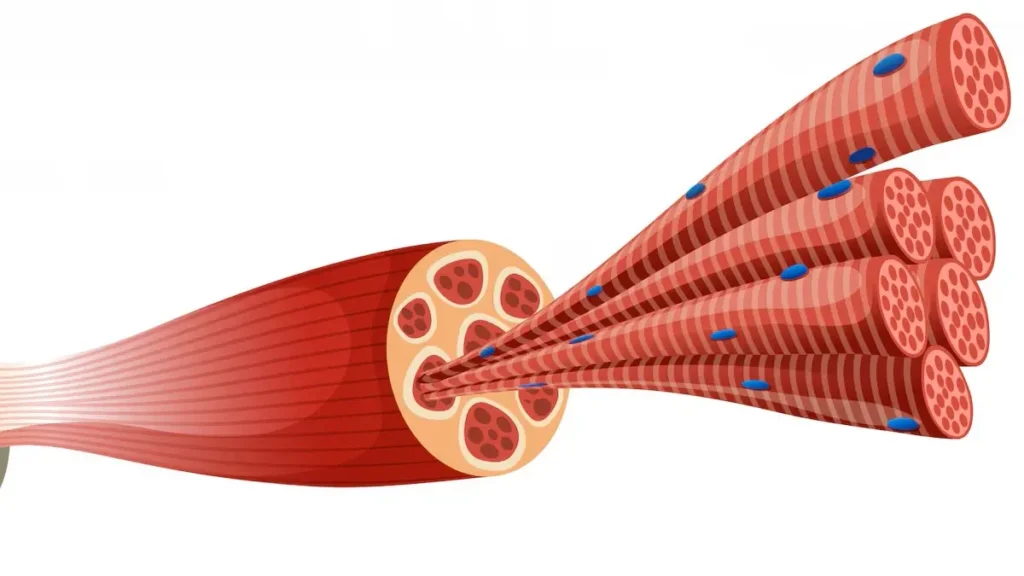
Magnesium acts as a natural calcium blocker within the muscle cell itself. When calcium enters a muscle cell, it triggers a contraction; magnesium pushes it back out to allow for relaxation. If your magnesium levels are low, the calcium stays trapped inside the fiber, keeping the muscle in a state of permanent, painful tension. But simply swallowing any random mineral pill won’t fix this if it never leaves your digestive tract.
Magnesium Glycinate for Sleep: Why Form Matters
Magnesium oxide, the most common variety found on grocery store shelves, has an absorption rate as low as 4%. You are essentially paying for a laxative. The rest stays in your intestines, drawing in water and causing the bathroom urgency many people associate with minerals, while your leg muscles continue to starve for nutrients.
Magnesium glycinate solves this through a process called chelation. In this form, the magnesium is bonded to glycine, an amino acid that the body recognizes and absorbs with ease. This “trojan horse” method allows the mineral to bypass the typical digestive hurdles that block other supplements. Your cells take it up efficiently, delivering the relaxation signals directly to the cramped tissues in your legs.
This high bioavailability [how much actually reaches your muscles] means you get more relief with a smaller physical pill. Because it does not rely on the same pathways as cheaper salts, it remains gentle on your stomach even when taken daily. This efficiency is only half of the story, however, as the glycine itself carries a hidden benefit for your nervous system.
How Glycine Calms the Nerves Behind Nocturnal Leg Cramps
The glycine in this compound is not just a delivery vehicle; it is a functional partner. Glycine acts as an inhibitory neurotransmitter in your brain and spinal cord, which helps chemically “turn down the volume” of your nervous system. When your spinal cord is flooded with glycine, it becomes much harder for stray electrical signals to reach your leg muscles and trigger a spasm.
This amino acid also helps lower your core body temperature slightly, a physiological signal (your brain reads this as: time for deep sleep) that primes your body for deeper rest. While the magnesium works on the physical muscle fibers, the glycine works on the “wiring” that controls them. You are essentially attacking the cramp from two sides: relaxing the tissue and silencing the accidental nerve triggers.
Calming the central nervous system, glycine helps prevent the sudden jerks and twitches that often precede a full-blown cramp. Two problems. One compound. This dual action is why people often report feeling a sense of physical heaviness and relaxation shortly after taking it. However, even the best supplement can struggle if you are making a few common lifestyle mistakes.

Electrolyte Imbalance Mistakes Keeping You Awake
Many people sabotage their progress by taking their magnesium with a heavy meal high in phytates, like whole grains or legumes. These compounds can bind to minerals in the gut, preventing them from reaching your bloodstream. To get the best results, try to take your supplement either on an empty stomach or with a very light snack. This ensures the magnesium doesn’t have to compete with other nutrients for absorption.
Another frequent error is ignoring the role of hydration in mineral transport. Magnesium needs water to move into your cells, so if you are chronically dehydrated, the mineral may simply sit in your system.
Drinking a small glass of water with your dose helps the kidneys balance your electrolyte levels throughout the night. It is a delicate balance, as drinking too much water right before bed might lead to mid-night bathroom trips that also disrupt sleep.

Finally, some people give up too soon because they expect an instant “cure” the first night. While you might feel more relaxed immediately, it often takes several days to replenish your cellular stores (your muscle’s mineral supply) to the point where cramps stop entirely. Think of it as refilling a dry well rather than flipping a light switch. This leads to the question of what else might be missing from your nightly routine to keep the “well” full.
Muscle Spindles and the Synergies That End Cramps
Potassium-rich foods like spinach and avocado at dinner are your first line of defense. When diet alone is not enough, magnesium glycinate is the specific form you need. Magnesium does not work in a vacuum; it requires Vitamin D3 to be absorbed effectively from your diet.

If you are deficient in Vitamin D, which is common for those over 50, your body will struggle to maintain the right magnesium balance regardless of how many supplements you take. Consider spending a few minutes in the sun or talking to your doctor about a D3 test to ensure your internal machinery is primed for success.
Potassium is the other half of the “mineral pump” that controls muscle contraction. While magnesium handles the relaxation phase, potassium helps reset the electrical charge of the muscle cell so it can fire correctly next time. Including potassium-rich foods like cooked spinach, lentils, or avocados in your dinner can provide the raw materials your legs need to stay quiet until morning.
When these elements work together, your legs stop feeling like a ticking time bomb. You move from a state of “hoping” you won’t cramp to a state of “knowing” your muscles have the resources to stay relaxed. But none of this works if one overlooked vitamin is quietly blocking everything you just did.
Your Questions Answered
Why do I get leg cramps at night after 50?
Age-related changes in kidney function and a natural decline in thirst signals often lead to subtle electrolyte imbalances. Additionally, the protective coating on your nerves can thin over time, making them more likely to send accidental signals to your muscles.
Which magnesium is best for leg cramps at night?
Magnesium Glycinate (or Bisglycinate) is superior for night use. It offers the highest absorption rate and contains glycine, which has a natural calming effect on the brain and nervous system.
How much magnesium glycinate should I take for leg cramps?
The right amount varies by individual weight, age, and health status. Your healthcare provider can determine what fits your specific profile. Consult your healthcare provider to find the specific amount that fits your medical history.
Can I take magnesium glycinate every night?
Most healthy adults can safely take it nightly as part of a long-term wellness routine. However, people with pre-existing kidney disease must be cautious, as the kidneys are responsible for clearing excess magnesium from the body.
Conclusion
Night leg cramps are more than a nuisance; they are a physical barrier to the restorative sleep your body needs to age well. Switching from cheap oxide forms to Magnesium Glycinate addresses the root cause of the neuromuscular mismatch. You aren’t just masking a symptom; you are providing your cells with the specific mineral and amino acid they need to remain calm under the covers.
Tonight can be the last night you wake up in pain. When you provide the right “off switch” to your motor neurons, your body finally gets the signal that it is safe to rest. This small shift in your evening ritual creates a ripple effect of energy and mobility that lasts through the rest of your week.
Your Nightly Cramp Protocol:
- Choose a high-quality Magnesium Glycinate supplement.
- Take your dose with a small glass of water 60 minutes before bed.
- Include one potassium-rich food, like a banana or half an avocado, with your final meal of the day.
The protocol works because it addresses two problems at once: the mineral your muscles are missing and the nerve signal that will not quiet down. That combination is available to you starting tonight.
⚠️MEDICAL DISCLAIMER :
This content is for informational and educational purposes only and does not constitute medical advice, diagnosis, or treatment. Before making changes to your diet, exercise routine, or supplement regimen, consult a qualified healthcare provider. If you experience sudden, severe swelling in the leg or skin changes like redness or heat, seek emergency medical care immediately.