9 Names for Sugar on Labels That Can Still Claim ‘No Added Sugar’

Woman in her 50s reading sugar on labels in a grocery store aisle, scanning the ingredient list with visible skepticism.

You pick up a product you trust, read “No Added Sugar” on the front, and put it in your cart without a second thought. You’ve been doing everything right, and you still can’t shake the feeling that something in the ingredient list doesn’t add up. After 50, your metabolism is less forgiving. A hidden sweetener … Read more
Why Kombucha and Yogurt Heal Some Guts After 50 and Quietly Worsen Others

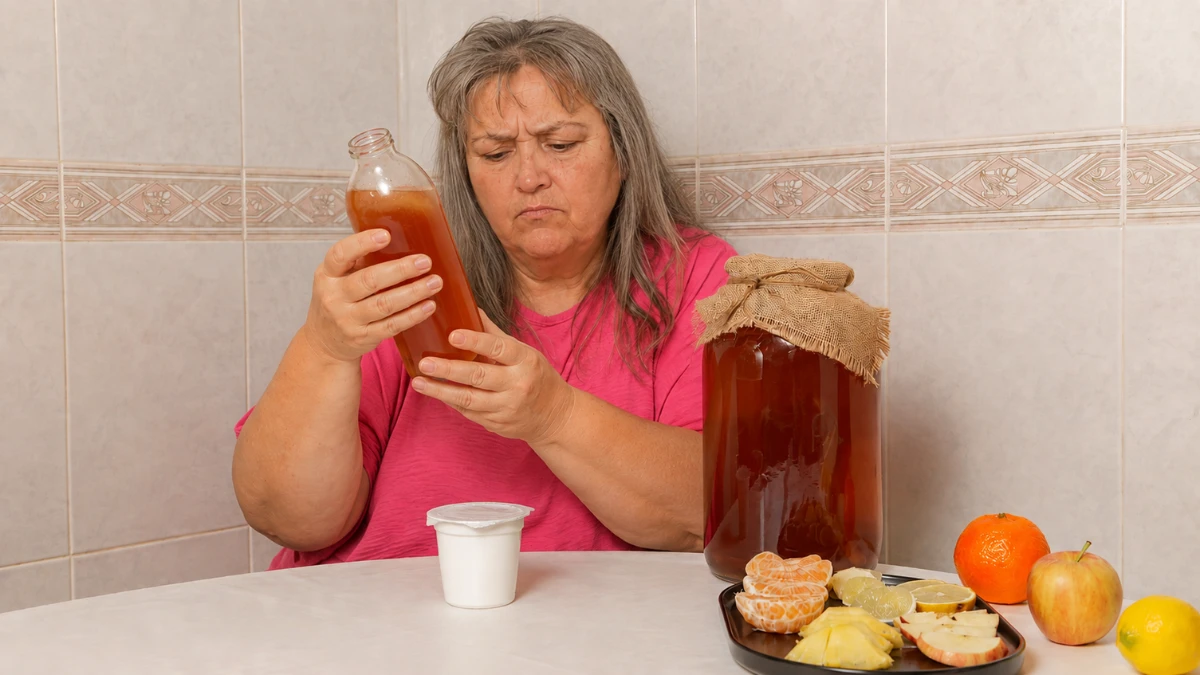
Woman over 50 examining kombucha bottle with yogurt nearby, questioning whether fermented foods after 50 are helping her gut.

You bought the kombucha. You added the yogurt with the live cultures label. Three weeks in, something is off and you can’t explain it. Here’s the thought most people don’t say out loud: maybe your body is broken. It’s not. The food was never designed for your gut’s current state. Adults over 50 who eat … Read more

Feeling Worse After Exercise Past 50 Is Not Failure. It May Be Cortisol Debt

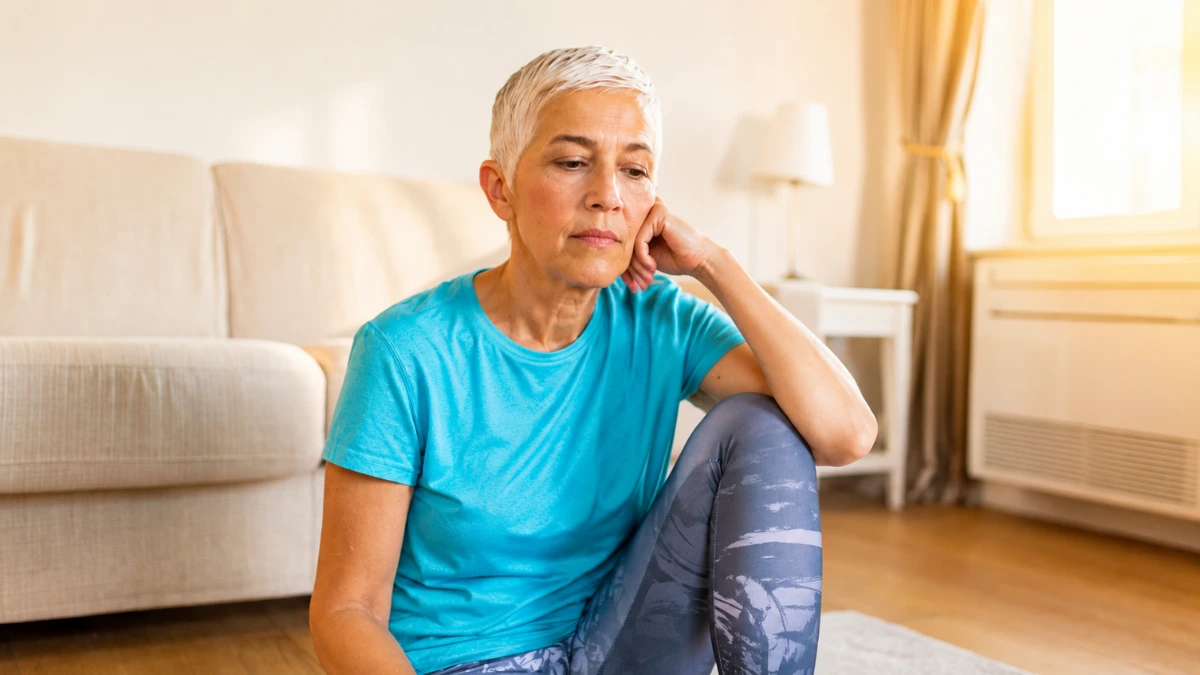
Woman in workout clothes sitting still on living room floor, expression flat and heavy after exercise.

You finished the workout. You did the right thing. And now, two days later, you feel worse than you did before you started: heavy, flat, unmotivated, maybe a little irritable. Part of you wonders if exercise is actually working for you anymore. That feeling is not failure. It is not aging catching up. For adults … Read more

5 Everyday Cooking Methods Your Joints Are Begging You to Stop Using

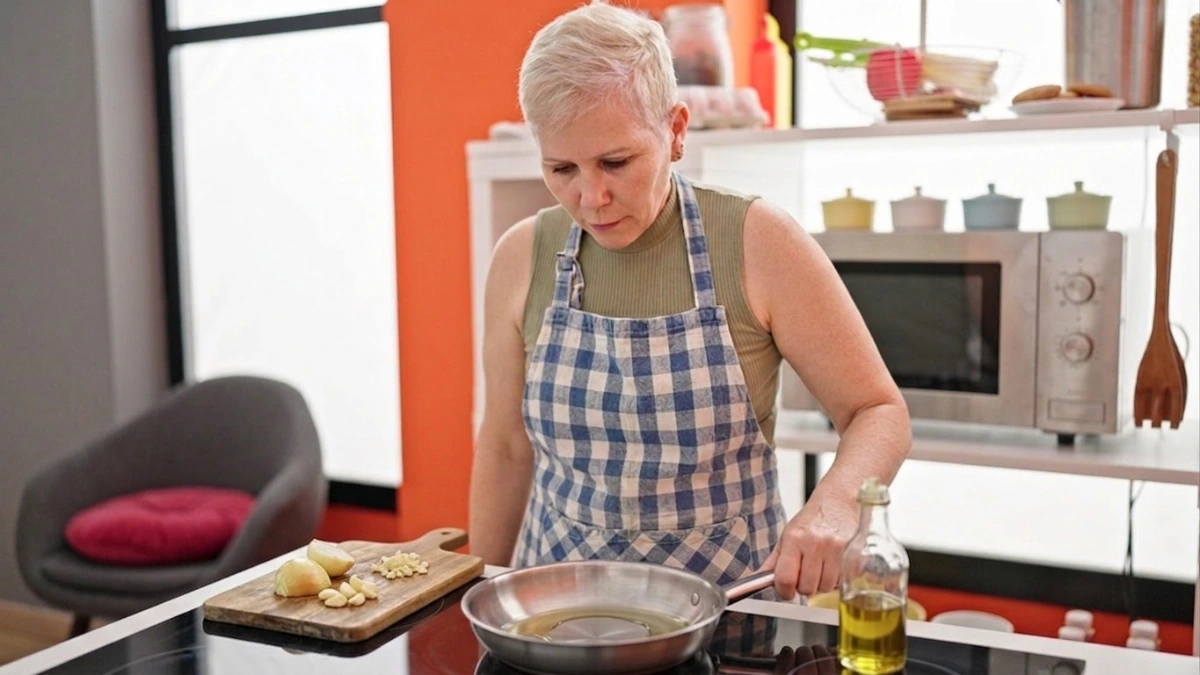
Woman pausing at a stovetop before cooking, recognizing how cooking methods joint inflammation may be connected.

Your knees ache after dinner. Your fingers are stiff when you wake up. You have already cut back on sugar, you drink more water, and you swapped red meat for chicken months ago. The joint pain is still there. Cooking method matters more than most people realize: how food is prepared changes its chemistry before … Read more

Why Your Hands Can Show Your Biological Age Years Before Your Face Does

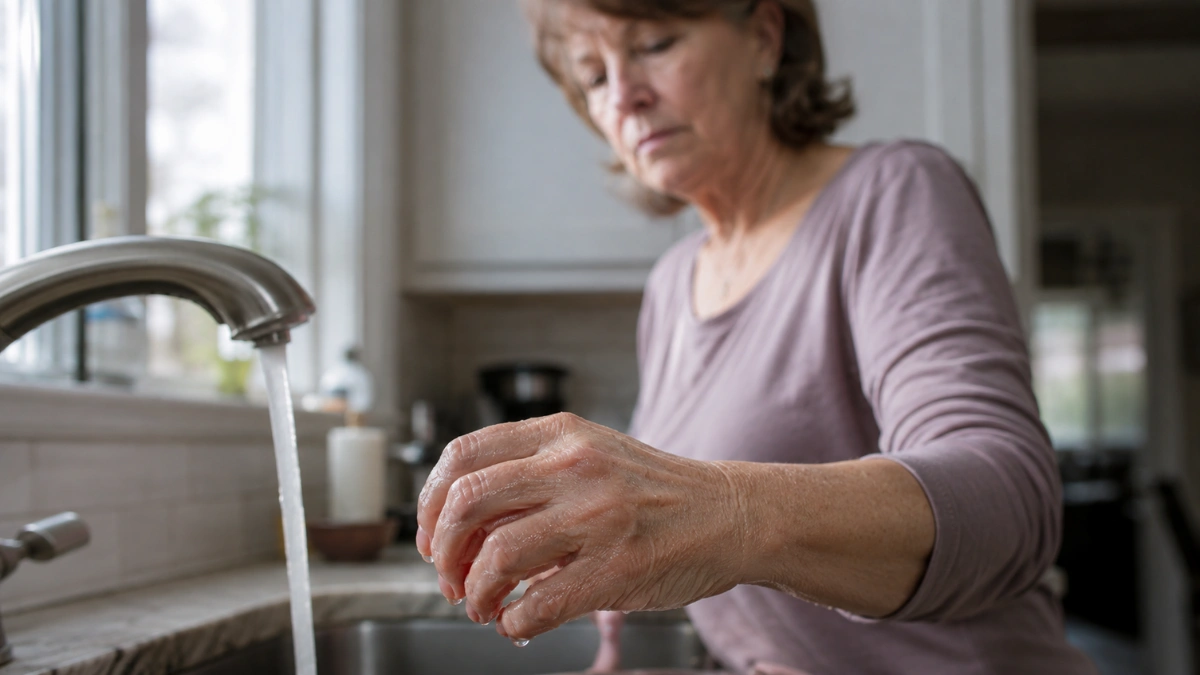
Woman pausing at a kitchen sink to notice skin and vein changes on her hand, a visible sign of biological aging.

You noticed it while washing dishes: the skin on the back of your hand shifting when you moved your fingers, slower to settle than it used to be. Not painful. Not alarming. Just different. That moment is worth paying attention to, because your hands are not aging the way your face is. They are aging … Read more

The real reason exercise can raise your stress starts with how you breathe

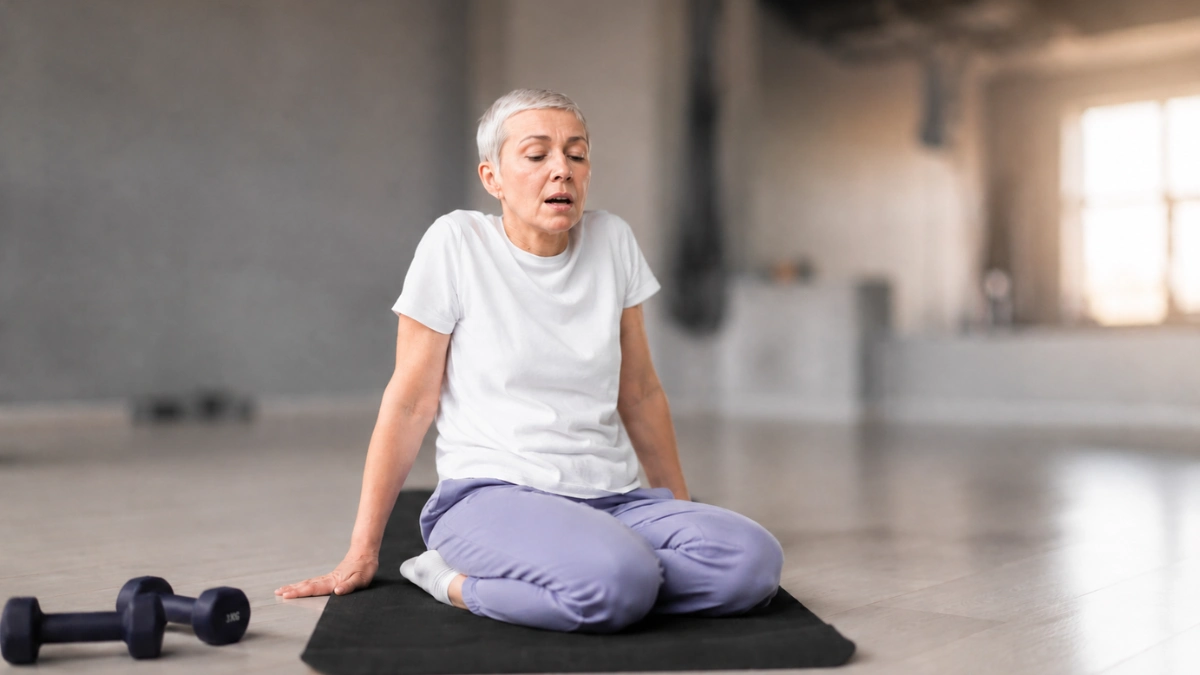
Woman catching her breath on a gym floor after a hard workout, shoulders still tense instead of calm.

You finish a workout and expect to feel better. Instead you feel strung out, heart still racing, thoughts scattered, the familiar restlessness that makes it impossible to sit still. You did everything right. You moved your body. Yet something went wrong. The problem is almost never the exercise itself. Exercise raises cortisol by design. But … Read more

What your brain fog is actually telling you that your blood test completely missed

Mature woman reviewing normal lab results at her kitchen table, still troubled by lingering brain fog.

You got the results. Everything came back normal. And yet, two weeks later, you are still losing words mid-sentence, still reading the same paragraph twice, still feeling that familiar dull weight behind your eyes by early afternoon. That disconnect, between a clean test and a brain that does not feel clean, is exactly what this … Read more

The omega-3 your body stopped converting after 50 and which foods replace it

Mature woman studying a handful of walnuts in her kitchen, questioning whether plant sources meet her body's omega-3 needs.

You eat the walnuts. You sprinkle the flaxseed. You feel good about it. But something nobody tells you about omega-3 after 50 is that the plant form, ALA [alpha-linolenic acid, the short-chain omega-3 found in walnuts, flaxseed, and chia seeds], has to be converted by your body into the forms your brain and heart actually … Read more