

You have been eating right for years. You watch your portions, you choose the healthier option, and you have genuinely tried to follow the advice you were given. Your body still does not seem to be responding. The softer arms, the afternoon fatigue, the weight creeping up despite careful eating. These are not signs that you are failing.
They are signs that you have been working with the wrong numbers. Protein for women over 50 is not the same nutritional need as it was at 30. The daily target most doctors still quote is roughly half of what current research shows you actually need after menopause. This article gives you the real number, explains why your body changed, and shows you exactly what to eat to fix it.
The Protein Number Your Doctor Gives You Is Wrong
The official daily protein recommendation for adults is 0.8 grams per kilogram of body weight. That number has been the standard for decades. It was built to prevent deficiency, not to protect muscle mass in a postmenopausal woman. It was never designed for you.
Stanford Lifestyle Medicine states clearly that women over 50 need 1.2 to 1.6 grams of protein per kilogram of body weight every single day. That is roughly double the federal recommendation. For a 150 pound woman, the old target means eating about 55 grams of protein daily. The updated target means 82 to 109 grams.
Research from the NIH, published in July 2025, confirmed that 50% of women over 71 consume inadequate protein MDPI. The average older adult eats about 4.5 ounces of protein per day, below the 5 to 6.5 ounces recommended American Heart Association.
Most women in this age group eat 40 to 50 grams a day. That gap is not a minor shortfall. It is the gap where muscle quietly disappears, month after month, year after year, without any obvious warning. Most women have been told to eat less as they age. For protein, current research says the exact opposite is true.
What Menopause Does to Your Muscles?
Estrogen does more than regulate your reproductive cycle. It controls how your muscles respond to the protein you eat. When estrogen drops at menopause, your muscles develop what researchers call anabolic resistance. You can eat the same chicken breast you ate at 35 and build far less muscle from it.
Stanford researchers found that older adults need 0.4 grams of protein per kilogram of body weight at every single meal just to trigger muscle protein synthesis. Younger adults only need half that amount per meal. Lifestyle Medicine: The portion that was enough at 35 is no longer sufficient at 55.
During the menopausal transition, lean body mass drops by 0.5% per year while fat mass increases by 1.7% per year. Dovepress The body composition shift begins before most women notice it. Women lose approximately 0.6% of muscle mass per year after menopause, according to Taylor & Francis Online, and that rate speeds up after 50.
Research found that sarcopenia affects 32% of late postmenopausal women, compared to just 7% of premenopausal women PubMed Central. That is more than a fourfold increase in risk. A 2025 study in Frontiers in Nutrition confirmed that women who raised protein intake to 1.2 grams per kilogram saw greater improvements in grip strength and muscle cross sectional area after 12 weeks.
Signs You Are Not Getting Enough Protein
You might already be protein deficient without knowing it. The signals are easy to explain away. You feel tired an hour or two after a full meal. That is not normal digestion. Your cells are running short on the building material they need to recover and rebuild. You catch colds more often because protein is what your immune system runs on.
You are hungry again 90 minutes after dinner. Protein signals fullness to your brain. Without enough at each meal, the hunger cycle does not close properly, no matter how many total calories you eat. Many women respond by eating more carbohydrates, which makes the cycle worse.

Your weight creeps up even though your habits have not changed. When muscle mass drops, resting metabolic rate drops with it. You burn fewer calories sitting still than you did five years ago, and most women blame willpower instead of protein. Track every gram of protein you eat for three days without changing how you eat.
Use a free app like Cronometer or MyFitnessPal and log everything honestly. Most women who try this discover they are hitting 40 to 55 grams on a typical day. That is less than half of what they need. That single discovery changes what comes next.
How to Calculate Your Exact Protein Target?
There is no single number that fits every woman. A sedentary 130 pound woman and an active 175 pound woman have very different daily needs. Here is how to find your personal target in under 60 seconds.
Step 1: Divide your weight in pounds by 2.2. That gives your weight in kilograms. Step 2: Multiply by 1.2 to find your daily minimum. Step 3: Multiply by 1.6 if you walk regularly, exercise, or do any resistance training.
| Weight | Daily minimum | Active daily target |
|---|---|---|
| 130 lbs (59 kg) | 71 grams | 94 grams |
| 155 lbs (70 kg) | 84 grams | 112 grams |
| 175 lbs (80 kg) | 96 grams | 128 grams |
Once you have your total, spread it across three meals. Dr. Douglas Paddon Jones of the University of Texas recommends 25 to 30 grams of high quality protein per meal to maximize muscle protein synthesis in older adults. One high protein dinner does not replace consistent intake at every meal.
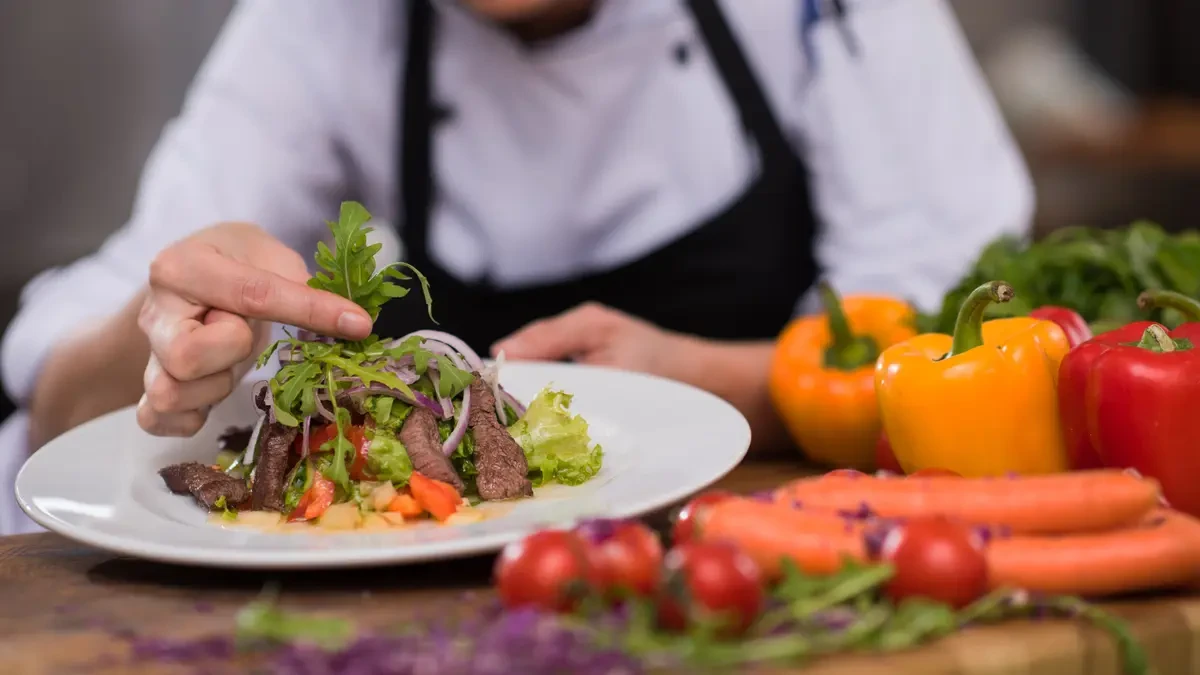
Most women treat protein as a side item. The more effective approach is to choose your protein source first and build the rest of the plate around it. That single habit change restructures every meal without requiring a full diet overhaul. Knowing your target only helps if you know which foods actually get you there.
The Best High-Protein Foods for Women Over 50
You do not need specialty products or expensive supplements. The most effective protein sources are already in most grocery stores. The amino acid leucine matters most here. Leucine is the specific signal that tells aging muscles to start rebuilding.
Older adults appear to have a higher leucine threshold of 2.5 to 3 grams per meal, compared to 1.5 to 2 grams for younger adults. Paleo Pro. The foods below deliver it well.
These foods deliver it well.
Animal sources:
- Chicken breast 3 oz cooked: 26 grams protein
- Canned tuna 3 oz: 22 grams protein
- Greek yogurt 1 cup: 17 to 20 grams of protein
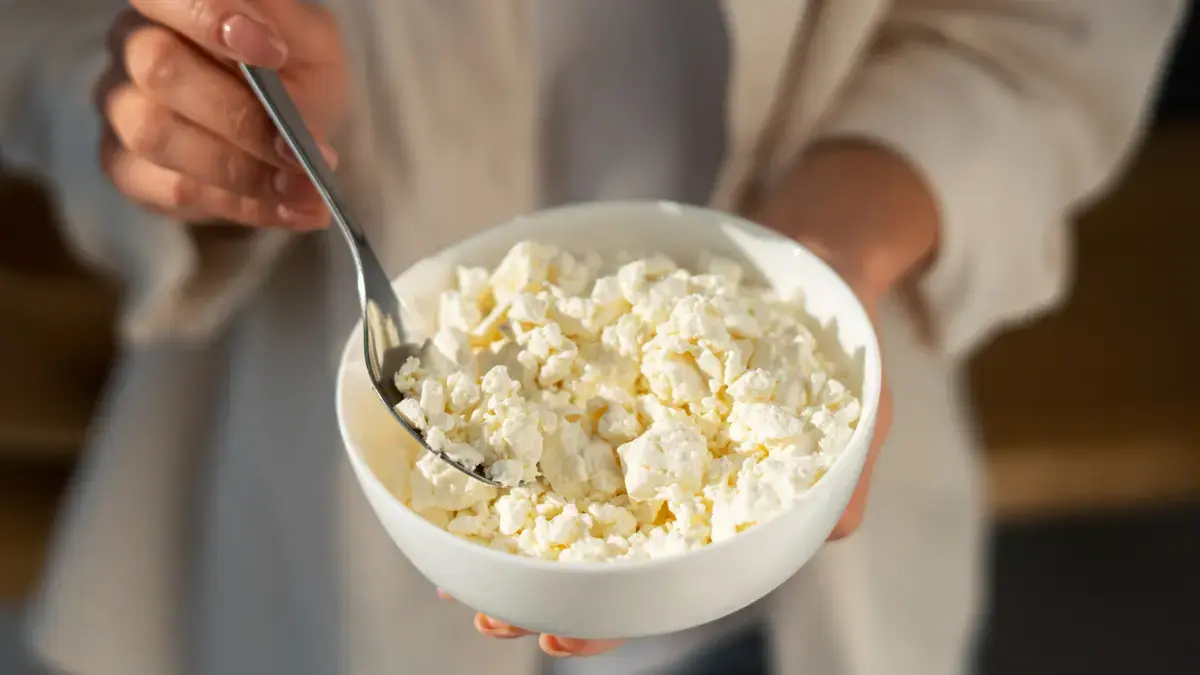
- Cottage cheese half cup: 14 grams of protein
- Two large eggs: 12 grams of protein
Plant sources:
- Edamame 1 cup: 17 grams protein
- Tempeh 3 oz: 15 grams protein
- Lentils, half cup cooked: nine grams of protein
- Firm tofu 3 oz: eight grams of protein
Cottage cheese deserves a specific mention. Half a cup costs about one dollar, requires zero cooking, and delivers 14 grams of complete leucine rich protein. Most women stopped eating it during the low fat diet era of the 1980s.
That advice is 30 years old and not supported by current nutrition science. The most common place women fall short is not in the foods they choose. It is when they eat them.
Why Breakfast Costs You the Most Muscle?
Most women eat their biggest protein meal at dinner. Research on older adults found that protein intake at breakfast averages only 8 to 10 grams, the lowest of any meal in the day PubMed Central. After an overnight fast, your muscles are ready and waiting for protein. That window is open every morning.
Closing it with toast, cereal, or just coffee starts the day in a deficit that is hard to recover from later. Fixing breakfast is the highest return change you can make. Adding 20 to 25 grams of protein to your morning moves most women from the deficiency zone into the lower edge of their target range, without changing a single other meal.
Here is what a 25 to 30 gram breakfast looks like:
- Two scrambled eggs with half a cup of cottage cheese: 26 grams
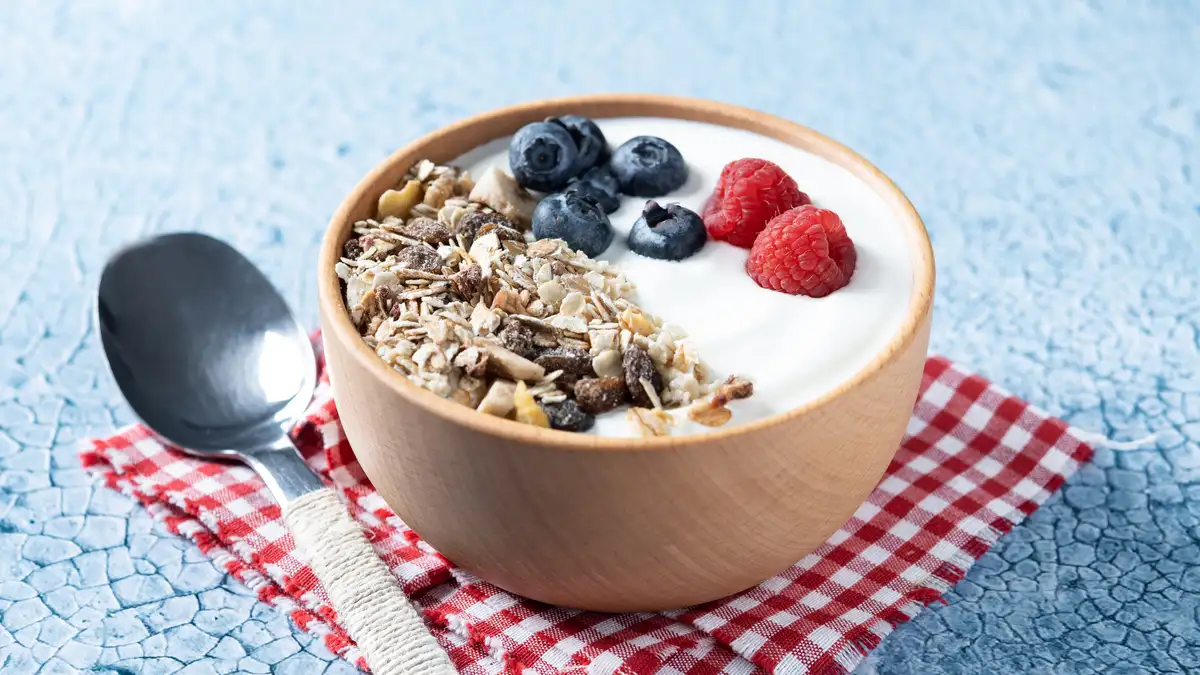
- One cup of Greek yogurt with hemp seeds and berries: 22 grams
- A smoothie with one cup of soy milk and a scoop of whey protein: 28 grams
Most women think dinner is what defines their nutrition. Breakfast is what defines their muscle.
A Simple Starter Plan to Hit Your Target This Week
You do not need to overhaul every meal today. You need three daily anchors, one tracking habit, and one week of follow through. Use this as a reference, adjusted to the personal target you calculated above.
| Meal | Food | Protein |
|---|---|---|
| Breakfast | Two eggs, half cup cottage cheese, half cup Greek yogurt | 30 grams |
| Lunch | 3 oz canned tuna, one cup edamame, green salad | 35 grams |
| Snack | Half cup cottage cheese, sliced cucumber | 14 grams |
| Dinner | 3 oz chicken breast, half cup lentils, roasted vegetables | 35 grams |
| Total | 114 grams |
This plan suits a woman whose target falls between 90 and 115 grams per day. Start by tracking for three days first, without changing anything. Most women discover they are 40 to 50 grams short every single day. Combine your protein goal with resistance training two or three times per week, even for 20 minutes.
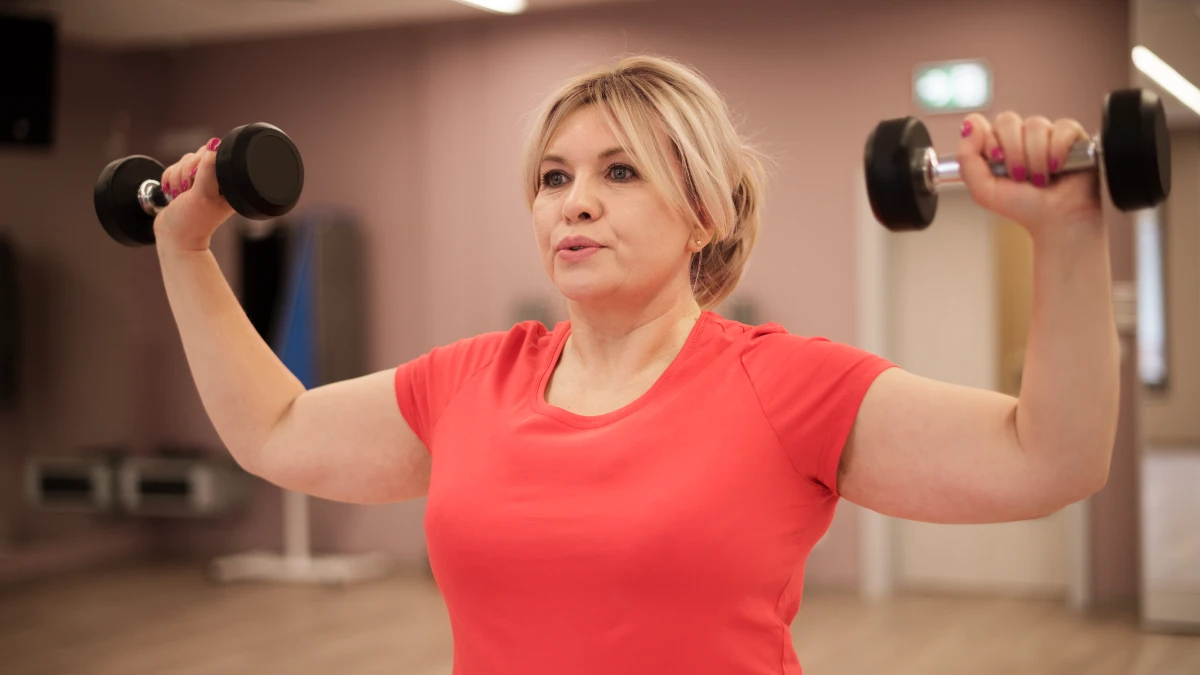
Protein gives your muscles the material to rebuild. Resistance training gives them the reason to do so. Together, they reverse what low protein alone started. Then fix one meal at a time. Start with breakfast. Hold that one change for a full week before adjusting anything else. Habits built in layers stick. Total overhauls rarely do.
Conclusion
Women over 50 need 1.2 to 1.6 grams of protein per kilogram of body weight every day. Menopause changes how muscles respond, and most women are eating half of what they actually need. Calculate your target today. Track your food for three days. Fix breakfast first. That is where this changes.
⚠️MEDICAL DISCLAIMER
This article is for informational purposes only. It does not replace medical advice, diagnosis, or treatment. Before changing your exercise routine, diet, or supplement use, talk to your doctor first. If you experience chest pain, dizziness, severe joint pain, or any sudden symptom during exercise, stop and seek medical care immediately.