

After age 50, your muscles stop listening to the protein you eat unless you speak their language. It feels like they have gone deaf. You might eat a steak and expect to stay strong. But your body does not use those nutrients like it used to. This problem is called anabolic resistance. It means your body now needs a much louder signal to start building and repairing tissue.
Without the right timing, you can eat plenty of protein and still lose strength. This age related muscle loss is known as sarcopenia. It can steal your balance and your independence. But you can fight back. To stay powerful in 2026, you must follow specific timing rules.
You will learn how to trigger muscle protein synthesis by eating the right amounts at the right moments. We will cover the post-workout window, the breakfast shift, and the pre-sleep habit. Knowing the best time to eat protein after 50 is the key to staying mobile for decades.
Rule 1: Use the 60-Minute Repair Window After Exercise
When you lift weights or go for a brisk walk, you create tiny tears in your muscles. This is actually a good thing. It tells your body to build back stronger. But after 50, your muscles are only listening for a short time after you move. You must provide muscle repair nutrients quickly.
Research from the Journal of the International Society of Sports Nutrition shows a clear trend. Older adults need more protein than younger people to see the same results. You should aim for about 0.4g of protein for every kilogram you weigh right after your session. For most people, that is a target of 30 to 40 grams of protein.
If you only eat 20 grams, your building switch might not flip on. This is very important if you do resistance training before breakfast. Training on an empty stomach can actually break down your muscles. If you do not eat within 60 minutes of finishing, you are losing your hard earned progress.
Rule 2: Hit the Leucine Threshold at Every Meal
Most people eat very little protein at breakfast and a huge portion at dinner. This is a mistake. Your body can only use so much protein at one time to build muscle. The rest is either burned for energy or stored as fat. To fix this, you need even protein distribution. You must hit something called the Leucine Threshold at every meal. Leucine is a specific amino acid.
Think of it like a key that starts your muscle building engine. You need 2.5 to 3 grams of leucine per meal to overcome anabolic resistance. If you miss this target at breakfast, your body stays in a breakdown mode all morning. You cannot make up for a low protein breakfast by eating more at night. You must stop the drain early in the day.
| Meal | Traditional Way (Muscle Loss) | Optimal Way (Muscle Gain) |
| Breakfast | 5g (Toast and Coffee) | 30g (Eggs or Greek Yogurt) |
| Lunch | 15g (Small Salad) | 30g (Chicken or Tofu) |
| Dinner | 60g (Large Steak) | 30g (Fish and Beans) |
Rule 3: Use Slow Protein for Overnight Recovery
You spend about eight hours sleeping every night. During this time, you are not eating. For an older body, this long gap is a danger zone for muscle loss. You can stop this by eating a specific type of protein right before bed. This creates an anabolic bridge that lasts through the night. The best choice is casein protein. Whey protein digests very fast. But casein is slow.
It feeds your muscles a steady stream of amino acids while you sleep. Studies show that having 30 to 40 grams of protein before bed can boost overnight recovery by up to 22%. It keeps your muscle protein synthesis levels high while you rest.
You do not need expensive supplements for this. A bowl of cottage cheese or plain Greek yogurt works perfectly. These foods are naturally high in casein. It is a simple habit that protects your strength while you dream.

Why Your Muscle is Your Retirement Account?
Think of your muscles like a retirement account. You need to make regular deposits to stay independent. It is not just about looking good in the mirror. It is about having the power to travel, play with grandkids, and move without pain. By following these three rules, you overcome the hurdles of getting older.

Remember these steps: eat 30 40g right after you exercise, hit your leucine goals at breakfast, and have a casein snack before bed. This is the best time to eat protein after 50 to get the best results. Ready to start?
How to Pick the Best Protein Sources?
Not all proteins are the same. Animal proteins like eggs, whey, chicken, and lean beef are very high in leucine. They flip your muscle building switch very quickly. If you prefer plant based foods, you can still get great results. But you need to be more careful.
Plants like beans, lentils, and soy usually have less leucine per gram. This means you often need to eat a larger portion to hit your 30 gram target. For example, a small chicken breast might give you enough leucine, but you would need a very large bowl of lentils to match it.
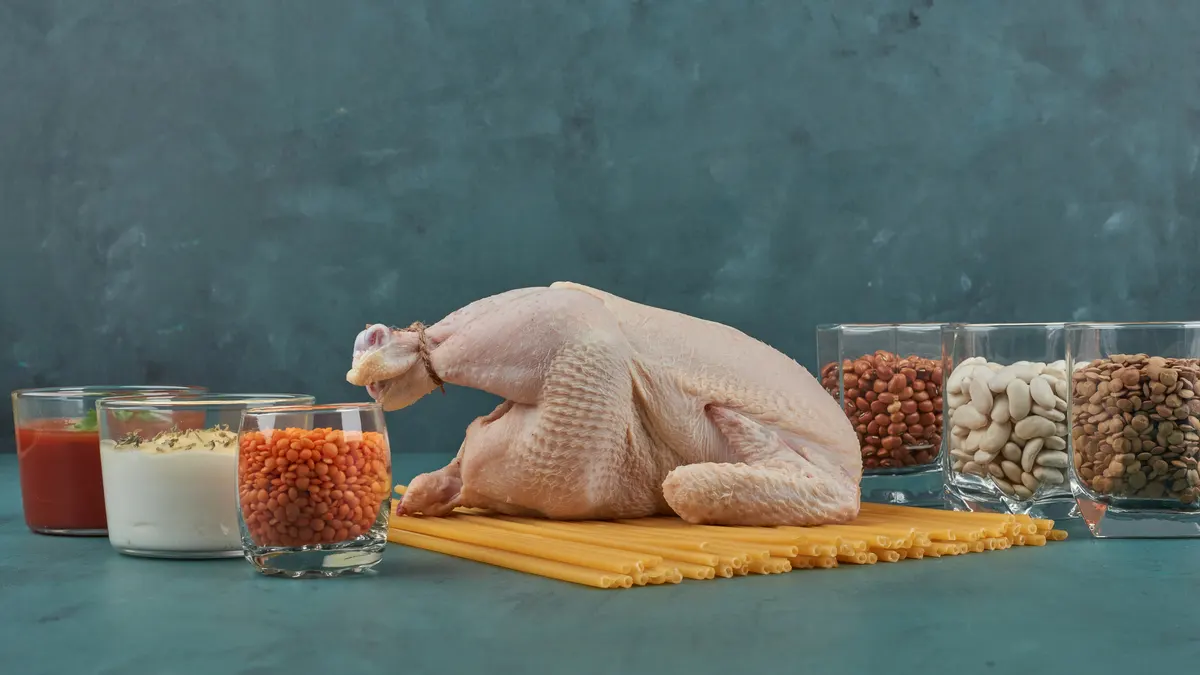
Many people solve this by adding a plant based protein powder to their meals. The goal is to reach that trigger amount of amino acids every time you eat.
How to Tell if Your Protein Timing is Working?
Do not just rely on the bathroom scale. Muscle is much denser than fat. You might stay at the same weight but look much leaner. Instead, look for functional wins in your daily life. Pay attention to your energy levels. If you are less tired in the afternoon, your high protein breakfast is likely working. Check your strength when doing household chores.

If opening a jar or carrying groceries feels easier, you are successfully building muscle. You can also track how your clothes fit. If your waistband feels looser but your sleeves feel tighter, you are losing fat and gaining strength. These are the real signs that your body is overcoming anabolic resistance.
Conclusion
Staying strong after 50 is not about luck. It is about being smart with your fuel. You now have a clear map to follow. By using the post workout window, hitting your leucine targets, and eating casein before bed, you are giving your body exactly what it needs. Do not try to change everything at once. Start with one rule this week.
Maybe you focus only on your breakfast protein. Once that feels easy, add the pre sleep snack. These small steps protect your independence and health. You are not just eating to stay full. You are eating to stay powerful for the rest of your life. Knowing the best time to eat protein after 50 is your new secret weapon.
⚠️MEDICAL DISCLAIMER
This article is for informational purposes only. It does not replace medical advice, diagnosis, or treatment. The information covers anabolic resistance, sarcopenia, muscle protein synthesis, post-workout protein timing, protein distribution, leucine threshold, resistance training, pre-sleep protein, and animal versus plant protein sources. Individual results vary based on age, health status, and fitness level.
Before changing your exercise routine, diet, or supplement use, talk to your doctor or a qualified health professional first. If you experience chest pain, dizziness, severe joint pain, or any sudden symptom during or after exercise, stop immediately and seek medical care.