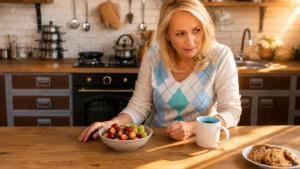
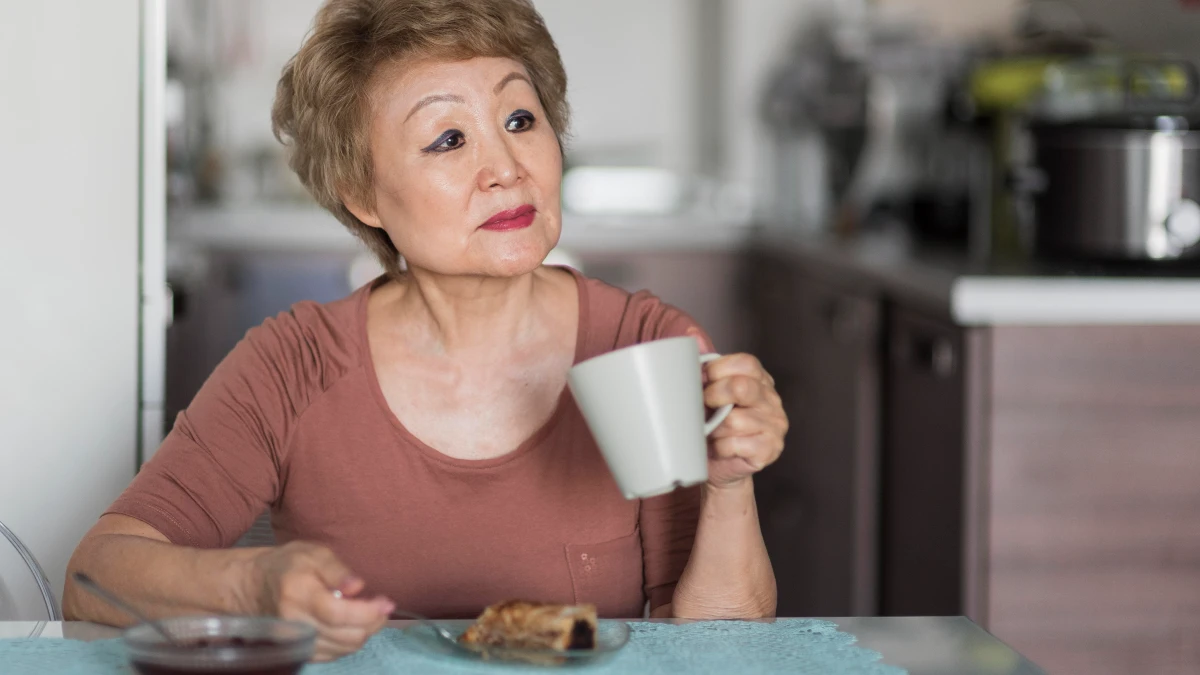
If you’ve been sitting down to dinner alone most nights, you might be doing something far more dangerous than eating takeout, and your doctor probably hasn’t warned you about it. After 50 million people eat alone every day. Some are widowed. Some are retired, and the house suddenly feels very quiet. Some are empty-nesters.
Others are just busy, and it’s easier to eat in front of a screen than to arrange a meal with someone else. Society treats this as a simple lifestyle habit. It isn’t. Research from multiple countries now shows a clear link between eating alone regularly and measurable damage to your heart.
We’re talking about a higher risk of angina chest pain from a blocked heart, metabolic syndrome, high blood pressure, and chronic inflammation. These aren’t vague associations. They’re documented findings published in major medical journals. More importantly, you’ll see what you can do about it. The fixes are not complicated.
What the Research Actually Says About Solo Dining and Heart Disease?
Scientists have now studied this question across multiple countries. What they found should change how you think about dinner. The clearest evidence comes from a study of nearly 600 women aged 65 and older in South Korea.
Researchers used data from the Korean National Health and Nutrition Examination Survey and compared women who ate alone with those who ate with others. The results were striking.
2.58×: Higher risk of angina in older women who eat alone vs. those who eat with others. KNHANES 2016 · Published in Menopause Journal, NAMS.
16%: Increased cardiovascular disease risk linked to poor social relationships. Meta-analysis of 104,511 patients · Scientific Reports, 2024
56%: Higher stroke risk in people with chronic loneliness vs. those with low loneliness. Health and Retirement Study · EClinicalMedicine, 2024
Angina is chest pain caused by reduced blood flow to the heart. It’s a direct symptom of coronary artery disease. In plain terms, women eating alone faced nearly triple the risk of symptomatic heart disease from a mealtime habit, not genetics. Men aren’t immune either.

A separate large Korean study found that men who ate alone at least twice a day were significantly more likely to develop metabolic syndrome. That’s the cluster of three conditions: high blood pressure, high blood sugar, and high cholesterol that directly leads to heart attacks and type 2 diabetes.
Why Eating Alone Damages the Heart: 3 Pathways?
Here’s the part most articles skip. Eating alone doesn’t hurt your heart in just one way. It damages it through three different routes. And they often work together.
1. Nutritional Neglect
Solo diners consistently eat less dietary fiber, potassium, and protein than people who eat with others. The KNHANES study found that women eating alone had lower intakes of energy, carbohydrates, fiber, sodium, and potassium. When you’re eating alone, the motivation to cook a proper meal drops.
It’s easier to grab processed food, skip vegetables, or eat less overall. Over weeks and months, these gaps add up to real cardiovascular risk. Lower fiber means higher cholesterol, and lower potassium means higher blood pressure.
2. Chronic Stress and Inflammation
Loneliness is not just a feeling. It’s a physiological event. When you feel isolated, your body’s stress system switches on. Cortisol rises. Blood pressure goes up. And over time, chronic low-grade inflammation sets in, the same inflammation that damages artery walls and contributes to plaque buildup.
A 2024 study of US adults found that chronic loneliness was tied to a 56% higher risk of stroke. Another review of 104,511 patients found a 16% increase in cardiovascular disease risk from poor social connections. Your body does not separate emotional loneliness from physical danger. It responds to both in the same way.
3. Eating Fast and Mindlessly
People eating alone tend to eat much faster. There’s no conversation to pace the meal, no table rhythm to follow. Research from a Japanese cohort of over 2,600 older adults found that eating quickly raised the risk of metabolic syndrome by 44%.
Fast eating raises BMI, increases blood lipid levels, and promotes overeating because your brain hasn’t received the fullness signal before you’ve already finished.
5 Things You Can Do Right Now to Protect Your Heart
Now for the part that actually matters: what you can do. None of these requires a gym membership, a prescription, or a total lifestyle overhaul. Pick one to start with this week.
1. Schedule a Video Dinner Once a Week

Set up a recurring video call with a family member or friend during a meal. It doesn’t have to be formal. It doesn’t have to be long. Even 20 minutes of conversation while eating activates social reward pathways in the brain that lower cortisol. Put it on the calendar like an appointment because it is one. Start today: Text one person and pick a night this week.
2. Find a Community Meal Program

Most US counties run senior meal programs through the Older Americans Act. These are free or low-cost, and they provide both food and human contact. Search senior meal programs near me or visit the Eldercare Locator at eldercare.acl.gov, a US government resource. AARP’s website also has a local program finder. Spend 5 minutes on eldercare.acl.gov to find local options.
3. Slow Down — Even When You’re Eating Alone
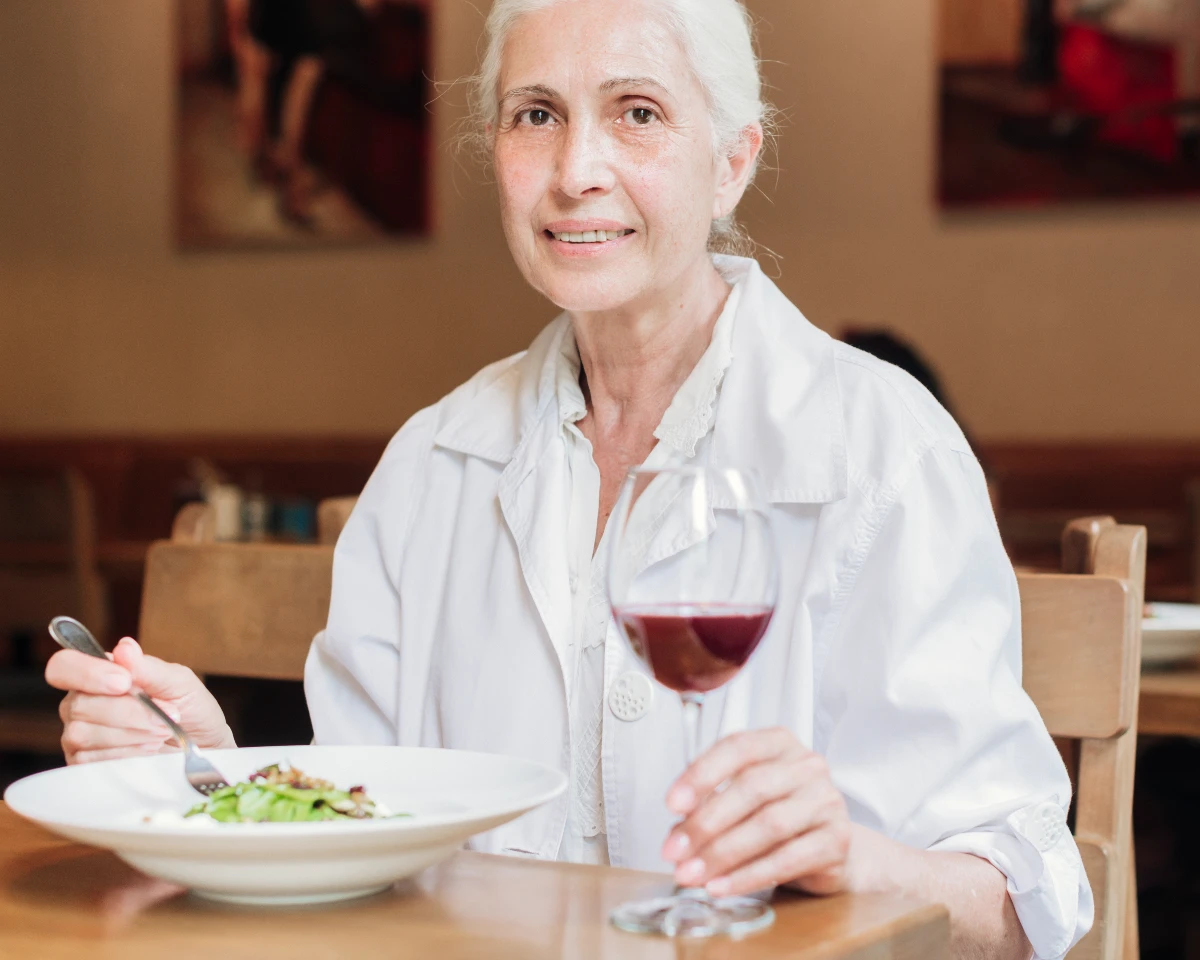
Set a plate. Sit at a table. Put the phone down. Aim to take at least 20 minutes per meal. This directly counteracts the fast-eating metabolic risk documented in the Japanese cohort study. A slower meal gives your body time to register fullness, lowers the blood sugar spike, and helps you eat less processed food without trying. Tonight: Set a timer for 20 minutes and actually use all of it.
4. Cook One New Recipe Per Week
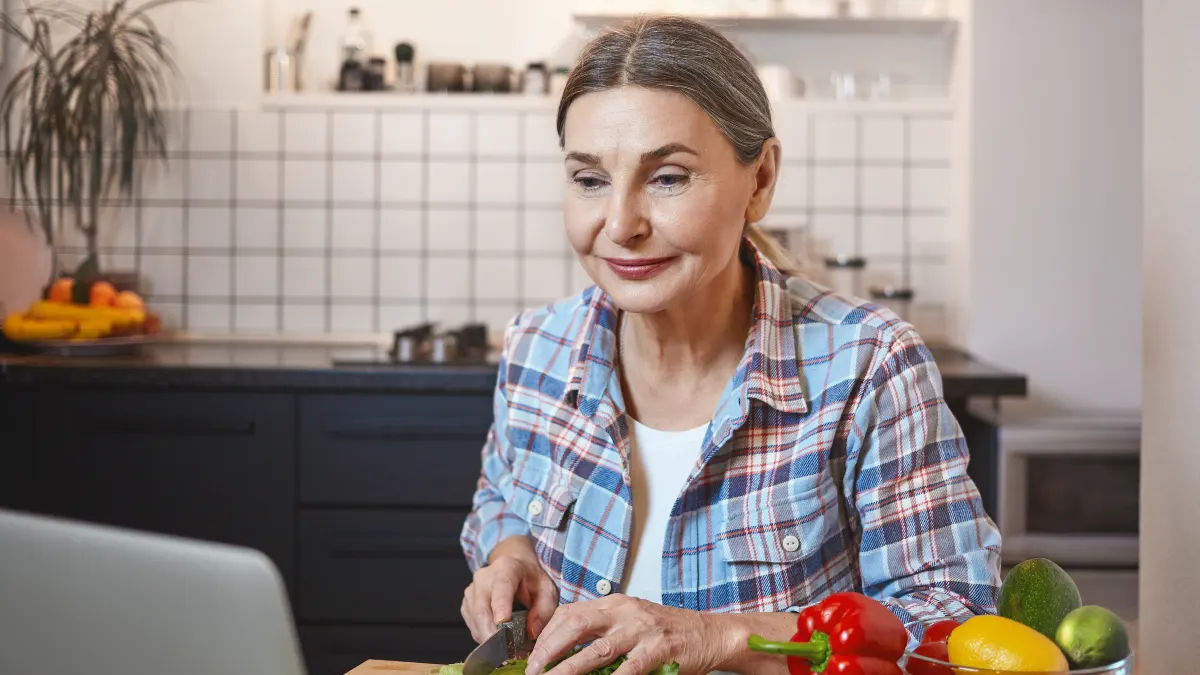
Having a cooking goal gives your solo meal a purpose. It naturally pushes you toward using actual ingredients, vegetables, protein, and whole grains instead of reheating whatever is easiest. You don’t need a cookbook. YouTube has thousands of free, simple cooking videos made specifically for people cooking for one. Your local library likely has free cookbooks you can borrow today.
5. Eat With Someone In Person at Least Once a Week

Even once a week matters. Research doesn’t require you to be social every night. It just shows that the near-total absence of shared meals is the problem. This could be a neighbor, a faith community, a family meal, a restaurant where you’re a regular, or a community table. One real meal with another person goes a long way. Make a list of three people you could share a meal with this month.
What to Eat When You’re Eating Alone: A Heart-Smart Template?
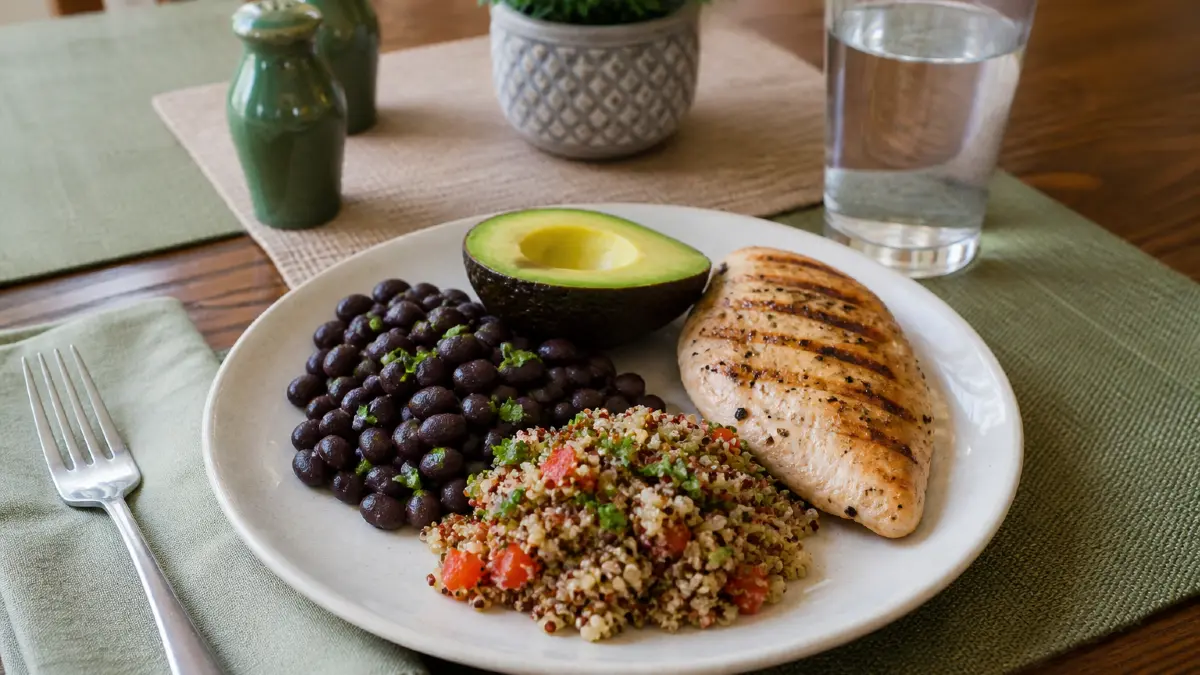
You can’t always change who’s at the table. But you can change what’s on the plate. The three nutrients most depleted in habitual solo diners are dietary fiber, potassium, and lean protein. These three nutrients directly protect the heart: fiber lowers cholesterol, potassium regulates blood pressure, and protein maintains the muscle mass that keeps your metabolism healthy after 50.
| Nutrient | Why Your Heart Needs It | Easy Solo-Friendly Sources |
|---|---|---|
| Dietary Fiber | Lowers LDL (“bad”) cholesterol. Slows digestion. Keeps blood sugar stable. | Canned beans, lentils, oats, frozen peas, whole grain bread |
| Potassium | Regulates blood pressure. Counteracts sodium. Supports heart rhythm. | Banana, baked potato, canned white beans, avocado, low-sodium tomato sauce |
| Lean Protein | Maintains muscle. Supports satiety. Reduces overeating of processed food. | Canned salmon or tuna, Greek yogurt, eggs, lentils, rotisserie chicken |
Conclusion
Eating alone every night isn’t just a lonely habit. It has real, measurable cardiovascular consequences backed by peer-reviewed research from multiple countries. The risk is highest for women over 65, men with poor diet habits, and anyone who has lost their built-in social meal structure through retirement, widowhood, or an empty nest.
The good news: the solution isn’t complicated or expensive. It’s connection, consistency, and small daily habits. A video dinner with your daughter. A slower meal at a real table. A can of salmon on a bag of salad instead of reheated pizza. Telling your doctor something they probably haven’t asked about yet.
⚠️MEDICAL DISCLAIMER
This article is for informational purposes only. It does not replace medical advice, diagnosis, or treatment. The information covers cardiovascular disease risk, angina, coronary artery disease, metabolic syndrome, high blood pressure, high blood sugar, high cholesterol, chronic inflammation, stroke risk, cortisol and chronic stress, fast eating and BMI, dietary fiber intake, potassium intake, lean protein intake, cholesterol management, and blood pressure regulation.
Individual results vary based on age, health status, and fitness level. Before changing your exercise routine, diet, or supplement use, talk to your doctor or a qualified health professional first. If you experience chest pain, dizziness, severe joint pain, or any sudden symptom during or after exercise, stop immediately and seek medical care.