

Your blood test came back, and there it was. One number flagged. Uric acid: high. But you feel fine. No swollen joints. No pain. No gout. So you did what most people do: you moved on. High uric acid without gout is nothing. It’s your body sending a quiet warning that something bigger is happening under the surface.
And after 50, that warning gets louder even when you can’t hear it yet. What that number really means, why it matters for your heart, kidneys, and blood sugar, what’s driving it up, and what you can do about it starting this week. No scary medical jargon. No vague advice. Just clear, useful information you can act on today.
What Is High Uric Acid — And Why Do You Have It Without Gout?
Uric acid is a waste product. Your body makes it when it breaks down purines, natural chemicals found in food and in your own cells.
Most of the time, your kidneys filter it out, and it leaves through your urine. Simple enough. But sometimes the body makes too much of it. Or the kidneys can’t clear it fast enough. When that happens, uric acid builds up in your blood.
Doctors call this hyperuricemia. The cutoff is above 7 mg/dL for men and above 6 mg/dL for women, according to the Cleveland Clinic.
85 to 90 percent of people with high uric acid have zero symptoms, according to NIH’s StatPearls database. No gout. No kidney stones. Nothing. And on average, high uric acid runs silently for 10 to 20 years before it causes clinical disease. That means the damage is building long before you feel it. The absence of pain is not the same as the absence of a problem.
Why High Uric Acid After 50 Is a Real Health Warning?
After 50, your body changes. Estrogen drops in women, and estrogen normally helps the kidneys clear uric acid. Kidney function also slows naturally with age.
Muscle tissue changes. All of these shifts make it harder for your body to flush uric acid out. And when uric acid stays high, the risks stack up fast.
Research using NHANES data, one of the largest U.S. health surveys, found that high uric acid increases the risk of Type 2 diabetes by 1.6 to 2.5 times. That’s not a small number.
A 2025 study published in the International Journal of Translational Medicine confirmed that uric acid promotes insulin resistance through oxidative stress and chronic low-grade inflammation.
The heart is at risk, too. A 2024 study in the Journal of the American Heart Association found that asymptomatic hyperuricemia was linked to higher all-cause mortality in people with cardiovascular or metabolic conditions.
Even uric acid in the normal-high range above 5.2 to 5.5 mg/dL has been associated with heart disease risk.
High Uric Acid Effects
Your kidneys aren’t spared either. A study of 21,475 healthy adults followed for seven years found that a uric acid level of 7.0 to 8.9 mg/dL nearly doubled kidney disease risk. At 9.0 mg/dL or above, that risk tripled. This is why doctors are paying more attention to this number even without gout.
What’s Driving Your Uric Acid Up? The Real Causes
Before you can fix the number, you need to know what’s pushing it up. Most of the time, it’s a mix of diet, habits, and biology.
And after 50, several of these pile on at once. Fructose is the biggest dietary driver. Not the fructose in whole fruit, but the kind in sodas, fruit juices, sports drinks, and anything made with high-fructose corn syrup.
Fructose triggers uric acid production in the liver and blocks the kidneys from clearing it at the same time. Research shows men who drink two or more sugary drinks daily face an 85 percent higher risk of gout attacks compared to those who have just one monthly.
Purine-rich foods matter too. Red meat, organ meats like liver and kidney, and certain seafood, such as anchovies, sardines, scallops, mackerel, and shellfish, break down into large amounts of uric acid. Processed meats like sausages and bacon fall in the same category.
Alcohol is a double problem. Beer contains purines and also forces the kidneys to clear alcohol first, leaving uric acid to build up in the meantime.

Even wine, in excess, can raise levels. Men who drink one beer daily face a 50 percent higher risk of gout, according to available data.
Common medications are often overlooked. Diuretics (the water pills many people take for blood pressure) raise uric acid levels. So does low-dose aspirin. If you take either and your uric acid is elevated, tell your doctor.
What to Eat (and Cut) to Lower Uric Acid Naturally?
Diet is one of the most powerful levers you have. It won’t fix everything on its own, but it can move the number meaningfully.
Especially when you make the right changes first. Cut fructose first. This is the single most impactful dietary change you can make. Stop drinking soda, bottled juice, energy drinks, and sweetened iced tea.

These beverages absorb fructose faster than solid food because they lack fiber to slow it down. Switch to water, plain sparkling water, or unsweetened herbal tea. Read labels; high-fructose corn syrup shows up in surprising places like salad dressings, bread, and condiments.
Reduce but don’t panic about high-purine foods. Limit red meat to two servings per week. Avoid organ meats. Skip the anchovies and sardines if you’re eating them regularly.
One important note: vegetables that are technically high in purines, like asparagus, spinach, and mushrooms, do not raise uric acid the same way meat does. You don’t need to avoid them.
Add these foods actively:
Oatmeal and whole grains
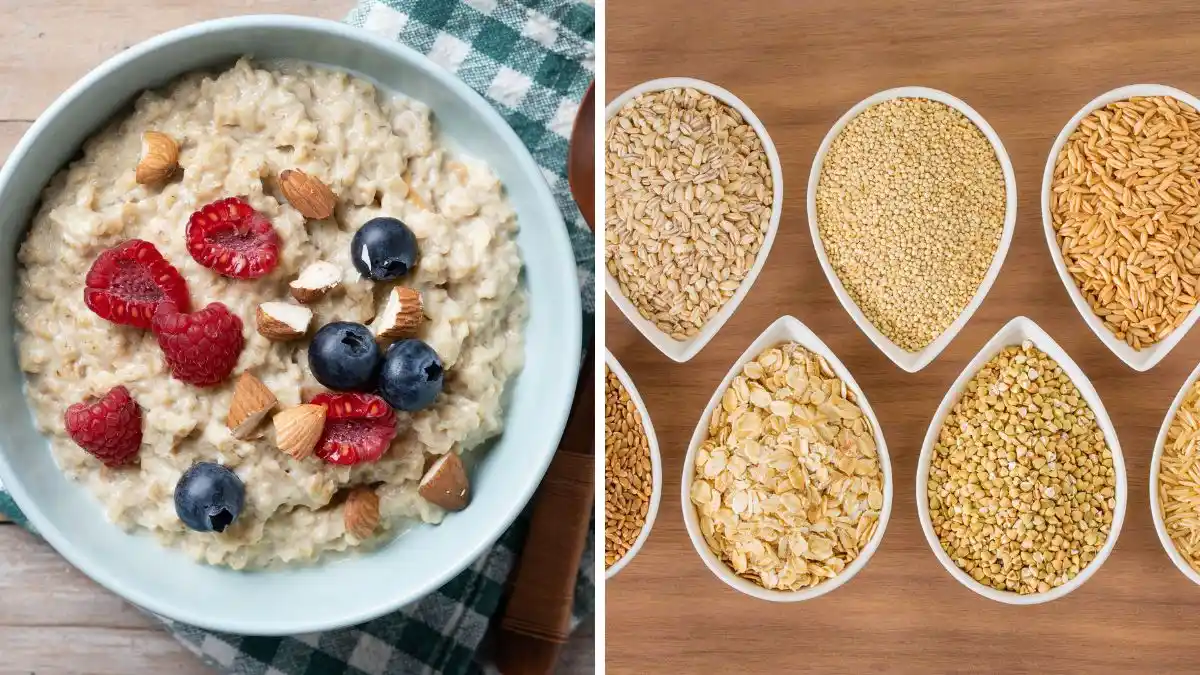
A 2025 study in Arthritis Care & Research found that eating at least one daily serving of oatmeal, whole-grain cereal, or oat bran significantly reduced the risk of gout. Whole grains regulate blood sugar, which in turn helps manage uric acid.
Cherries and Tart cherry juice

Cherries have well-documented anti-inflammatory properties and have been shown to help lower uric acid in the blood. A small daily serving of fresh, frozen, or unsweetened tart cherry juice is worth adding.
Low-fat dairy

Milk and yogurt, the low-fat versions specifically, have been shown in studies to actively lower uric acid levels. A daily cup of low-fat yogurt is one of the easiest additions you can make.
Coffee

This one surprises people. A 2024 UK study found a causal link between regular coffee consumption and reduced uric acid levels. The compound responsible is chlorogenic acid, which blocks xanthine oxidase, the enzyme that converts purines into uric acid. Both regular and decaf appear to help.
Hydration and Lifestyle Changes That Actually Work
Water is your cheapest and fastest tool. When you’re well-hydrated, your kidneys can filter and flush uric acid more efficiently. Aim for 8 to 10 cups of water per day. A simple check: your urine should be pale yellow. Dark yellow means you’re behind on water. Exercise helps, too, but in a specific way.

Regular moderate movement, like a 30-minute daily walk, improves insulin sensitivity. Better insulin response means less uric acid production.
Avoid crash dieting or very sudden, intense exercise programs. Rapid weight loss temporarily spikes uric acid because it breaks down cells quickly. Slow, steady weight loss works better. Sleep is often ignored in this conversation.
Poor sleep worsens insulin resistance, and insulin resistance raises uric acid. Seven to nine hours is the target. If your sleep is broken or short, fixing it is not optional; it’s part of managing this. Alcohol reduction matters.
If you drink regularly, cutting back, especially on beer, will give your kidneys room to do their job. When you do drink, pair every alcoholic drink with a glass of water.
Quick Action This Week
- Drink 8–10 cups of water daily; set a phone reminder if needed
- Walk 30 minutes every day this week
- Aim for 7–9 hours of sleep tonight
- Cut beer entirely; if you drink, choose wine and limit it to two nights a week
When to Get Your Levels Tested — And What to Ask For
A serum uric acid test is a simple blood draw. Ask your doctor to add it to your annual bloodwork after 50. It costs very little and gives you real, actionable data. But don’t test uric acid alone. Ask for the full metabolic picture at the same time: fasting glucose, HbA1c (three-month blood sugar average), triglycerides, and eGFR (kidney filtration rate).

These numbers together tell you what’s actually going on. Know your targets. A large Japanese cohort study found that the lowest cardiometabolic risk occurs below 5 mg/dL in men and between 2 and 4 mg/dL in women. These are more protective targets than the standard clinical cutoffs.
Track trends over time. One reading tells you where you are today. Three readings over 12 months tell you whether your changes are working.
If lifestyle changes haven’t moved your number after three months, talk to your doctor about medication options. Urate-lowering drugs like allopurinol are safe, effective, and well-studied.
Conclusion
High uric acid without gout is a warning you can act on before anything goes wrong. Cut fructose, eat smarter, stay hydrated, move daily, and ask your doctor to test the full metabolic picture. Fifty words. Real plan. Start today. Your body gave you a head start.
Most people only find out something is wrong after the damage is done, after the gout attack, the kidney diagnosis, or the heart event. You found out early, through a number on a blood test. That’s not bad luck. That’s an opportunity.
⚠️MEDICAL DISCLAIMER
This article is for informational purposes only. It does not replace medical advice, diagnosis, or treatment. The information covers high uric acid, hyperuricemia, kidney function, blood sugar, Type 2 diabetes, insulin resistance, heart disease, cardiovascular health, purine-rich foods, fructose intake, alcohol consumption, medication effects (diuretics and aspirin), dietary interventions, hydration, exercise, sleep, and serum uric acid testing. Individual results vary based on age, health status, and fitness level.
Before changing your exercise routine, diet, or supplement use, talk to your doctor or a qualified health professional first. If you experience chest pain, dizziness, severe joint pain, or any sudden symptom during or after exercise, stop immediately and seek medical care.