

Every morning, millions of people over 50 swing their legs off the bed and feel like they aged 20 years overnight. Stiff hips. A locked-up lower back. Feet that protest the first few steps. You’ve probably blamed arthritis, old age, or a bad mattress. But here’s what most people miss.
The real problem is often your fascia, the connective tissue that wraps around every muscle, bone, and organ in your body. This article explains what fascia is, why it stiffens as you age, and what you can do about it starting tomorrow morning. No gym. No equipment. Just three minutes in bed.
What Is Fascia — and Why Does It Affect How You Feel?
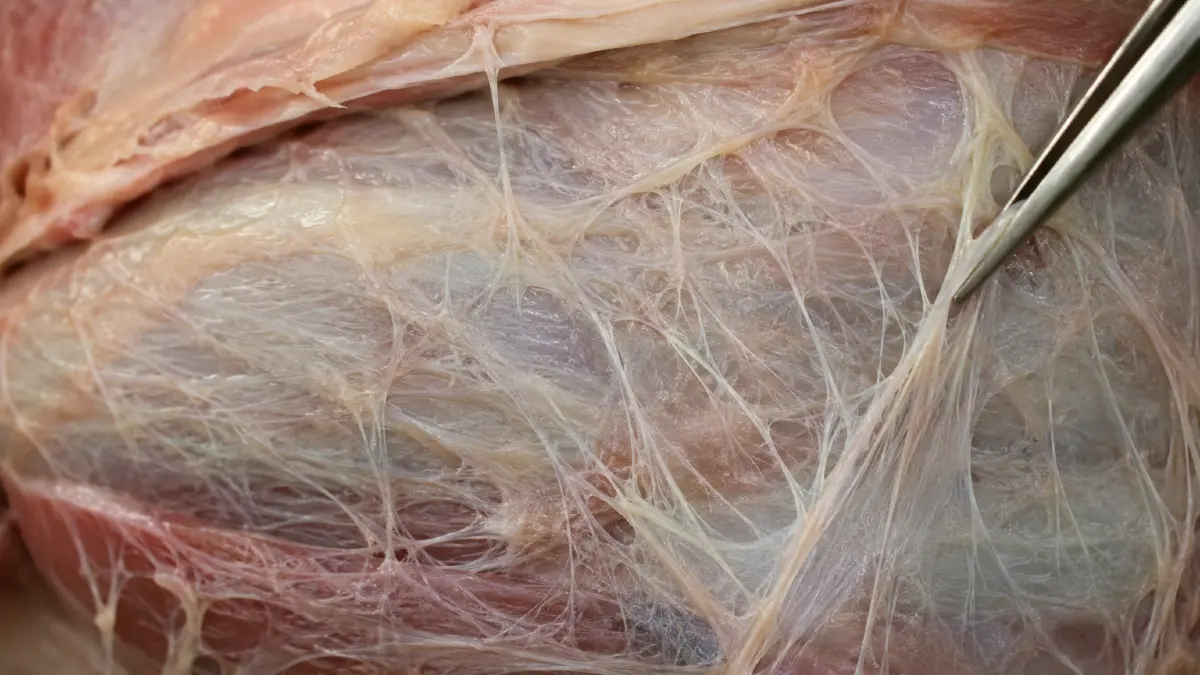
Imagine wearing a full-body wetsuit made of living tissue. It wraps every muscle, cushions every bone, and connects everything from your scalp to your soles. That’s your fascia. When it’s hydrated and flexible, you move freely. When it tightens or thickens, every movement feels like work. It’s not just padding; fascia is loaded with nerve endings.
When it’s under stress, you actually feel it as pain or stiffness. Dr. Carla Stecco, a professor at the University of Padua who has published over 180 fascia studies, defines it as a body-wide multiscale network of connective tissue that allows tensional loading and shearing mobility. In plain English: it keeps everything gliding smoothly.
A 2025 review in Frontiers in Pain Research confirmed that fascia contains real pain receptors and undergoes changes, thickening, fibrosis, and inflammation, which generate genuine pain signals. This is not imaginary discomfort. Most doctors still focus on joints and muscles when patients report stiffness. Fascia is often overlooked. That’s the gap this article fills.
Why Your Body Is Stiffer in the Morning After 50?
That frozen feeling when you first sit up isn’t random. There’s a real biological reason it happens, and it gets worse with age.
1. The “Morning Gel” Effect
Between your fascial layers sits a lubricant called hyaluronic acid (HA). Think of it like the oil in a machine. While you sleep, it thickens like cold honey. After 50, it takes longer to warm back up and start flowing. The result? You feel gelled and stiff until you move around.
2. Fascia Loses Elasticity with Age
The collagen in your fascia changes as you get older. It becomes less stretchy and more likely to stick to itself, a process called densification. Research from Frontiers in Pain Research (2025) confirms that this thickening appears on imaging in people with chronic stiffness and pain.
3. Less Joint Lubrication
After 50, your joints produce less synovial fluid, the liquid that keeps cartilage slippery. This compounds the fascia problem. Two things are drying out at the same time.
4. Muscle Loss Makes It Worse
Muscle mass naturally drops after age 50. Less muscle means your fascia and ligaments take on more load than they should. Over time, that extra strain turns into chronic tightness.
5. Overnight Inactivity

Circulation slows while you sleep. Blood and fluid stop moving through tissue the way they do when you’re active. The longer you lie still, the more your fascia stiffens. When you jump out of bed abruptly, it doesn’t get a chance to warm up.
A published PubMed study found stiffness scores were markedly higher in adults 60 and older, and only in that group did the majority report that it affected daily life. This isn’t just something you imagine. It’s measurable and real.
The encouraging part? All of these causes respond to the same fix: gentle, deliberate morning movement. And you can start it without leaving your bed.
The 3-Minute Morning Fascia Reset (Do This Before You Stand Up)
Most morning stretches ask you to get on the floor or hold a deep lunge. This isn’t that. This routine happens while you’re still lying down, and that timing matters. Your fascia is at its stiffest right after waking, so moving slowly before you put weight on your body gives it a chance to warm up first.
The goal here isn’t exercise. It’s rehydration. Gentle movement redistributes hyaluronic acid and signals your fascial layers to start gliding again. A 2024 randomized study in the European Journal of Applied Physiology (Warneke et al.).
Confirmed that both static and dynamic stretching measurably reduce deep fascia stiffness, with results visible immediately after a session. These moves apply the same principle. Do this sequence slowly. You’re waking up tissue, not racing through a workout.
Move 1 — Full-Body Reach (30 seconds)
Lie flat on your back. Stretch both arms overhead and push your toes away from you at the same time. Make yourself as long as possible. Hold for 5 seconds, then relax. Repeat 3 to 4 times. This lengthens the thoracolumbar fascia, the wide sheet of connective tissue running along your back. It’s often the first thing that feels tight in the morning.
Move 2 — Knee-to-Chest Rocks (60 seconds)
Bring one knee gently toward your chest. Hold it there for 5 seconds, then release. Do the same with the other knee. Then bring both knees up together and rock them slowly side to side, 5 to 6 times. This targets the lower back and hip flexor fascia, where most people over 50 feel the worst stiffness. It also gently decompresses the lumbar spine after hours of lying in one position.
Move 3 — Supine Spinal Twist (60 seconds)
Lie on your back with your knees bent. Slowly drop both knees to the left. Hold for 10 seconds. Return to the center. Drop to the right. Keep your shoulders flat on the bed. This loosens the thoracic and lumbar fascia and begins restoring the rotation that most people lose first as they age.
Move 4 — Ankle Circles and Calf Pump (30 seconds)
In the video, legs hang off the edge of the bed. For this morning routine, you can do both movements lying flat on your back, same exercises, just keep your legs extended on the mattress before your feet touch the floor.
Before your feet touch the floor, circle both ankles 10 times in each direction. Then flex and point your feet 10 times. This wakes up circulation in your lower legs and prepares the plantar fascia on the bottom of your foot.
That’s the tissue behind the painful first step feeling many people over 50 experience every morning. Do this routine 5 to 7 mornings a week. Most people feel a difference within the first week. Give it at least five mornings before you judge the results.
Daily Habits That Keep Your Fascia From Locking Up Again
The morning routine fixes today’s stiffness. These habits stop it from coming back tomorrow.
1. Drink Water First Thing
Fascia is roughly 70% water. Hyaluronic acid needs water to stay slippery. A 2022 study by Dr. Antonio Stecco (NYU) published in Bioengineering showed that HA densification, the thickening that causes stiffness, is directly linked to tissue hydration. Drink a full glass of water before anything else in the morning, and another before bed.
2. Move Every 45–60 Minutes

Prolonged sitting allows fascial layers to stick together. Set a timer. Every hour, stand up and walk for two minutes. Do a few shoulder rolls or hip circles. That small amount of movement is enough to keep tissue gliding.
3. Use Heat in the Morning

A warm shower after your bed routine increases tissue temperature and directly reduces fascial stiffness. Heat lowers the viscosity of the hyaluronic acid gel, the same principle as warming up cold honey. It becomes fluid faster.
4. Check Your Mattress
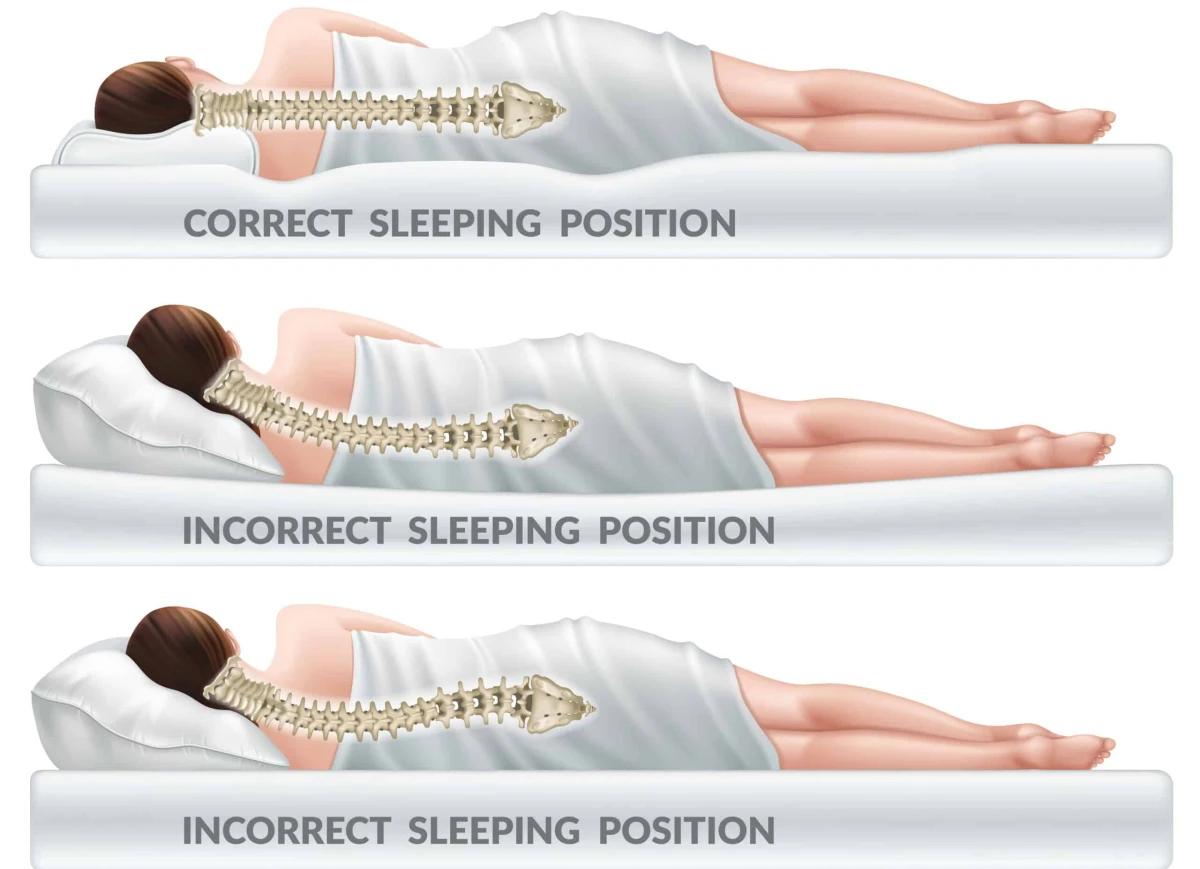
A mattress that’s too soft lets your spine sag all night. One that’s too firm creates pressure points that restrict movement. Both put abnormal tension on your fascia while you sleep. Most physiotherapists recommend medium-firm for people over 50 with back or hip stiffness.
5. Try a Foam Roller in the Evening

A 2024 study in Scientific Reports (Michalak et al.) confirmed that self-myofascial release with foam rollers has measurable effects on connective tissue recovery. Spend 5 to 10 minutes rolling your calves, glutes, and upper back before bed. It primes your fascia for a better morning.
None of these takes more than a few minutes. But done consistently, they change how your body feels, not just one morning, but every morning.
When Morning Stiffness Is a Warning Sign

Everything above applies to typical age-related stiffness, the kind that eases within 20 to 30 minutes of gentle movement. That’s what this article is for. But some symptoms need a doctor. See a GP or physiotherapist if you notice:
- Stiffness that lasts more than 45,60 minutes after waking and doesn’t improve with movement
- Swelling, warmth, or redness in a joint
- Stiffness that appeared suddenly and gets worse each week
- Pain paired with fatigue, fever, or unexplained weight loss
These can be signs of rheumatoid arthritis, ankylosing spondylitis, or other inflammatory conditions that require proper diagnosis. A 2024 study from the Back Complaints in the Older Adults (BACE) research project found that severe, lasting spinal morning stiffness is associated.
Disc degeneration and elevated inflammation markers in the blood, meaning it can have medical causes that self-care won’t fix. If none of those red flags apply to you, the fascia reset routine and daily habits above are exactly what you need.
Conclusion
Morning stiffness after 50 is common. But it’s not just aging; your fascia plays a big role. The 3-minute in-bed routine rehydrates your connective tissue before you stand up. Daily habits keep it flexible. Understanding your fascia is one of the most overlooked steps toward feeling better, and it takes less time than brewing your coffee.
⚠️MEDICAL DISCLAIMER
This article is for informational purposes only. It does not replace medical advice, diagnosis, or treatment. The information covers fascia health, hyaluronic acid and tissue hydration, collagen elasticity, joint lubrication, muscle loss, morning stiffness, stretching routines, thoracolumbar fascia, hip flexor fascia, plantar fascia, hydration, movement frequency, heat therapy, mattress firmness, and foam rolling.
Individual results vary based on age, health status, and fitness level. Before changing your exercise routine, diet, or supplement use, talk to your doctor or a qualified health professional first. If you experience chest pain, dizziness, severe joint pain, or any sudden symptom during or after exercise, stop immediately and seek medical care.