
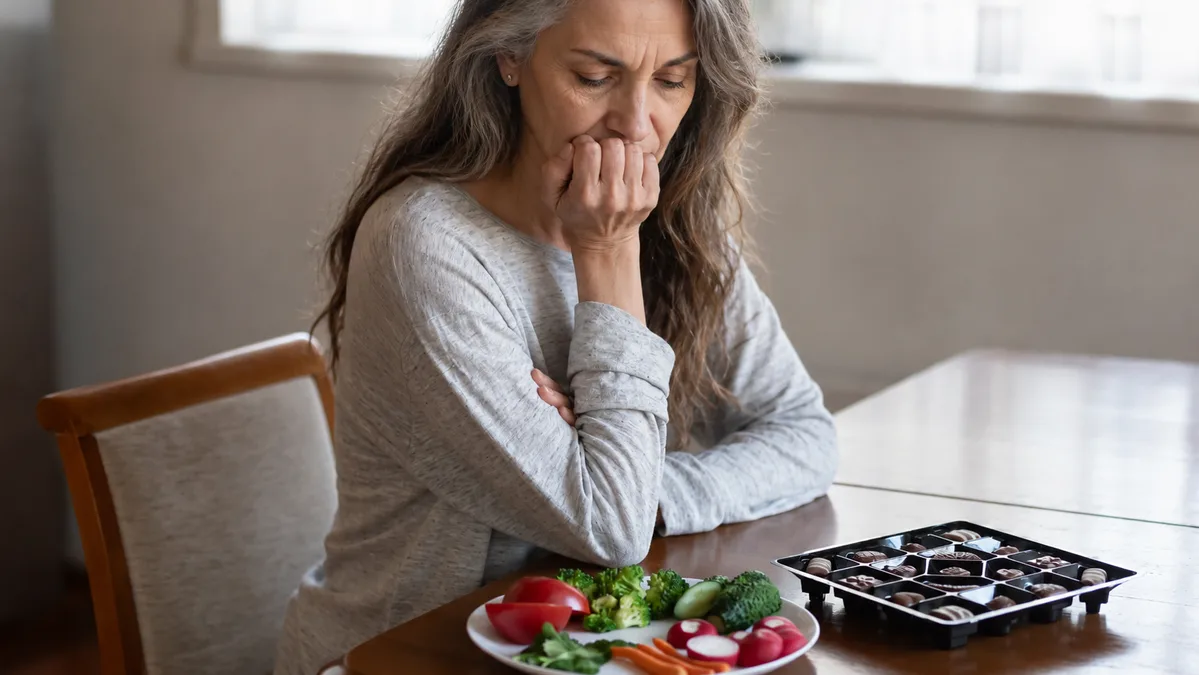
You have been eating more protein, avoiding junk food, and doing what you were told. So why are nutritionists still seeing preventable bone loss in adults who think they are doing everything right?
If you are over 50 and prioritizing protein, there is one specific imbalance that works silently against your bones, and most people have no idea it is happening.
This article explains exactly what it is, why it matters for your age group, and what to do about it starting this week.
| # | What’s Coming | Open Question |
|---|---|---|
| 1 | The mistake hiding in plain sight | Why does “healthy” protein harm bones? |
| 2 | What happens inside your body | How does your body actually steal calcium? |
| 3 | The protein amount that matters | Is there a safe protein limit for bones? |
| 4 | Foods that help vs. foods that hurt | Which everyday foods protect your skeleton? |
| 5 | Your daily bone protection plan | What does a bone-safe day actually look like? |
| 6 | The role of movement and vitamin D | Can exercise and supplements make up the difference? |
The Bone Health Mistake Most People Do Not Know They Are Making
You can eat calcium-rich food every day and still lose bone.¹ That is not a scare tactic; it is what the research consistently shows, and it is the core of the bone health mistake nutritionists most often see in adults over 50.

The mistake is not eating protein. Protein is associated with bone structure and the muscle strength that protects bones from fractures.³ The mistake is consistently consuming high amounts of animal protein without enough plant-based, alkaline foods to offset the acid load that protein metabolism creates.
When your body breaks down animal proteins, it produces acids as a byproduct.⁷ Your kidneys work to clear that acid. Research shows this process is associated with increased urinary calcium loss and elevated bone resorption markers.¹
A study published in the Journal of the American College of Nutrition found that when dietary acid load increases, so do serum parathyroid hormone [the hormone that signals your body to pull calcium from bone] levels, bone resorption markers, and urinary calcium excretion, all measured over a 60-day period.¹
Most people never notice this happening. Your blood calcium stays normal because your body maintains that level for heart and muscle function.¹ The cost is paid silently by your bone stores.
Talk to your doctor before changing your supplement routine or diet if you are pregnant, on medication, or managing a chronic condition.
What Actually Happens Inside Your Body
Your kidneys maintain blood pH within a very narrow range.¹ When you eat a high-protein meal heavy in animal sources such as beef, chicken, or eggs, your body produces sulfate as a byproduct of breaking down sulfur-containing amino acids [building blocks in animal protein, particularly methionine and cysteine, that release acid when digested].⁷

To neutralize that acid, your kidneys increase what researchers call net acid excretion [the total acid your kidneys clear through urine].¹
When dietary alkalizing minerals are insufficient, the body draws calcium and magnesium from bone to serve as buffers, which is reflected in elevated bone resorption markers and urinary calcium loss.¹
The evidence for this mechanism is consistent. Research from the Journal of the American College of Nutrition confirmed a direct association between increases in net acid excretion and increases in both urinary calcium loss and bone resorption markers.¹
Observational data across large populations, including the CDC’s national survey of adults aged 50 and over, shows that 12.6 percent of adults in this age group have osteoporosis, with low bone mass affecting 43.1 percent.² The scale of that number points to something going wrong at the population level, and diet is one modifiable piece of it.
Plant proteins behave differently from animal proteins in this regard.⁸ Research confirms that the high potassium content of plant protein foods such as legumes is associated with decreased urinary calcium, which means less calcium lost per meal.⁸
Swapping even a portion of daily animal protein for legumes, nuts, or seeds is associated with a lower dietary acid load.⁸
The Protein Amount That Actually Matters for Your Bones
Not all protein is harmful. The volume and source both determine what your bones experience.
A 2019 systematic review and meta-analysis published in the Computational and Structural Biotechnology Journal, covering 12 cohort studies and one randomized controlled trial in adults aged 65 and over, found that higher protein intake, above the standard recommendation of 0.8 grams per kilogram of body weight per day, was associated with a significant reduction in hip fracture risk.³
That finding runs against the assumption that more protein automatically damages bones. The relationship is more specific than that.
Adequate protein supports bone health by stimulating growth factors and supporting the muscle mass that cushions falls.³
The problem appears when protein intake is consistently very high, comes predominantly from animal sources, and is not balanced with fruits and vegetables that supply alkalizing minerals.
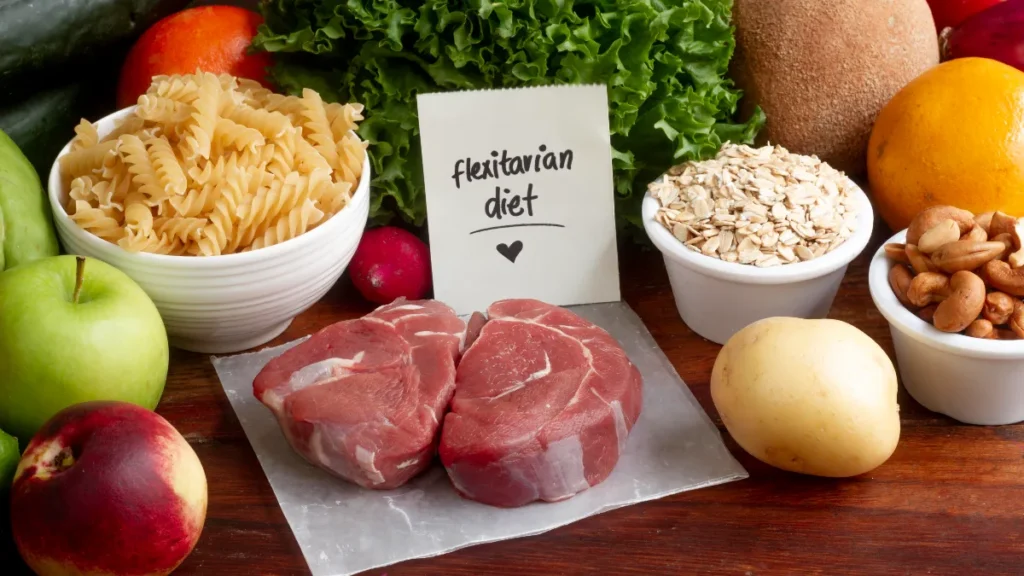
A protein range of 1.0 to 1.2 grams per kilogram of body weight per day is consistent with what the evidence in older adults supports.³ For a 150-pound adult, that works out to roughly 68 to 82 grams of protein per day.
Protein from animal sources is not the enemy. Red meat consumed daily in large portions is associated with the highest acid burden; fish and poultry create a lower load; legumes, lentils, nuts, and seeds are associated with minimal acid load and contribute alkalizing potassium and magnesium to your diet.⁸
Most people eating a high-protein diet to protect their health have no idea the source and balance matter as much as the total amount.
Not enough protein is equally damaging to bones.
Foods That Help vs. Foods That Work Against Your Bones
The acid or alkaline impact of a food during digestion is not always what you would guess from its taste.
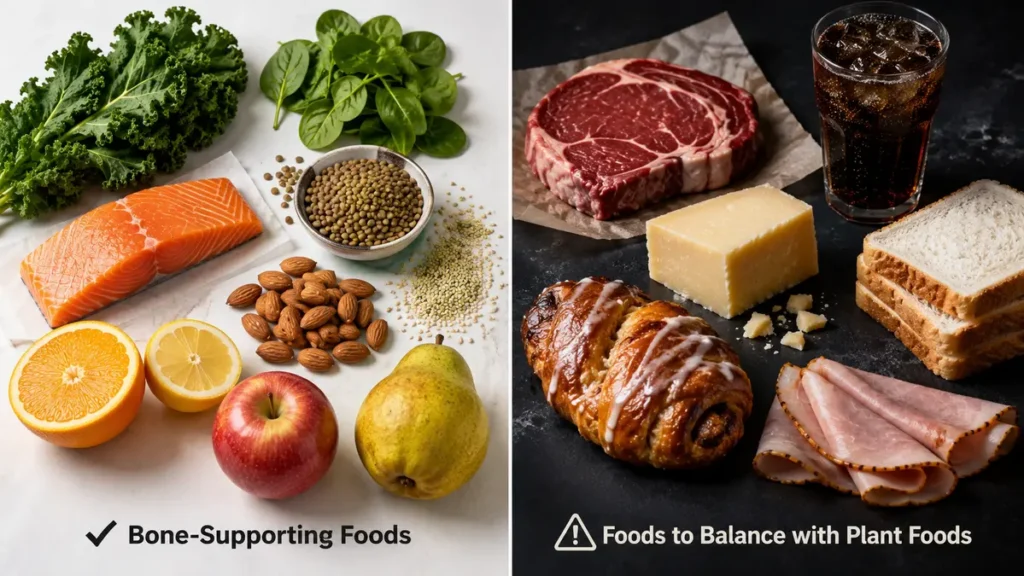
Bone-supporting foods to prioritize:
- Dark leafy greens such as spinach, kale, and collard greens supply calcium, magnesium, and vitamin K, which acts as a cofactor in the carboxylation of osteocalcin [a protein that binds calcium to bone to promote mineralization]⁹
- Citrus fruits, despite tasting acidic, are associated with alkalizing effects during metabolism due to their potassium content⁸
- Legumes and lentils provide protein with minimal acid load and contribute alkalizing minerals⁸
- Fatty fish such as salmon and sardines provide protein with a lower acid burden than red meat and supply omega-3 fatty acids, which are associated with reduced inflammation [the immune response that, when chronic, is linked to accelerated bone breakdown]⁴
- Nuts and seeds, particularly almonds and sesame seeds, contribute calcium and magnesium without a meaningful acid load⁸
Foods to pair carefully, not necessarily avoid:
- Red meat: research associates high animal-to-plant protein ratios with greater bone loss from the femoral neck; limiting to 2 to 3 servings per week and pairing with vegetables helps offset the acid load⁸
- Refined grains and processed foods: these create acid loads without supplying alkalizing minerals; pair with vegetables or swap for whole grain versions where possible⁸
- Dairy: technically acid-forming, but research notes the high calcium content of dairy may compensate for the urinary calcium loss its protein generates; 2 to 3 servings daily, balanced with vegetables, is consistent with what the evidence supports⁸
A meta-analysis of observational studies found that adherence to a Mediterranean-style diet, which naturally emphasizes vegetables, fruits, fish, legumes, and moderate dairy, was associated with a 21 percent reduced risk of hip fracture.⁴
This pattern works not because of any single food but because it achieves the protein-to-alkaline balance your bones need across the whole day.
Your Daily Bone Protection Plan
The goal here is consistent pairing, not perfection. Every protein-containing meal should include at least two servings of alkalizing vegetables or fruit. That one habit covers most of what the research supports.
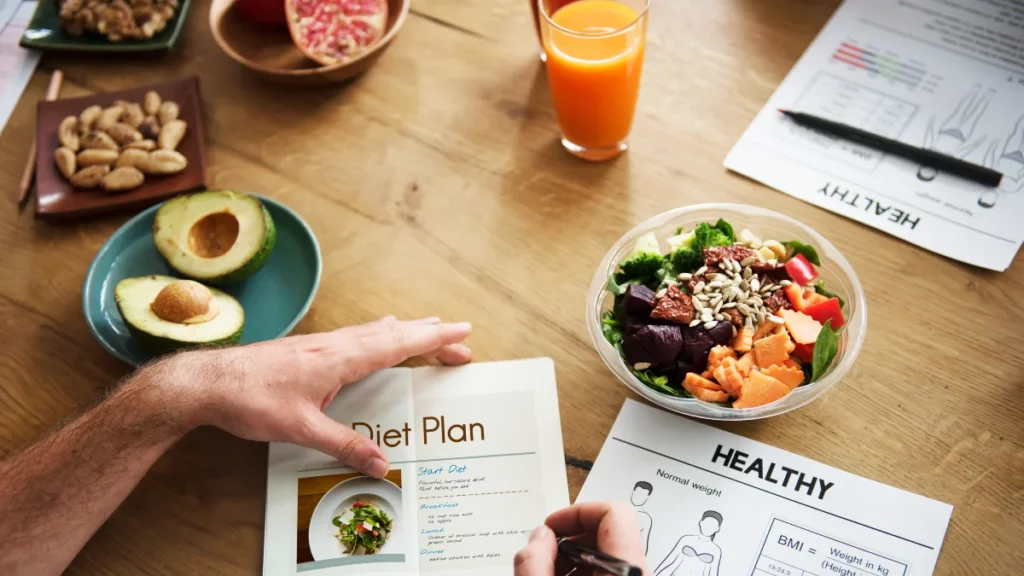
Morning: Pair eggs or Greek yogurt with spinach, berries, or both.
Midday: Build your protein around vegetables rather than the other way around. Lentil soup, a large salad with chickpeas, or a fish fillet over roasted broccoli all achieve the balance naturally.
Afternoon: Almonds, an apple with nut butter, or raw vegetables with hummus are alkalizing snacks that also provide small amounts of calcium and magnesium.
Evening: Serve dinner protein over or alongside two to three vegetables. Steamed kale, roasted Brussels sprouts, or a large cucumber and tomato salad all work.
Calcium timing: If you supplement calcium, take it in divided doses of 500 mg or less, twice per day with meals, rather than one large dose. A divided dose regimen results in substantially greater absorption than once-daily dosing.¹⁰
One practical rule: If vegetables are missing from a meal, add them before you add more protein. That shift alone moves you in the right direction.
Movement and Vitamin D: The Two Factors That Multiply Your Nutrition

Nutrition alone is not enough. Two additional factors determine whether the calcium and minerals you consume actually reach your bones.
Vitamin D controls how much calcium your intestines absorb. Without sufficient vitamin D, intestinal calcium absorption drops significantly regardless of dietary intake.⁵
A meta-analysis of six randomized controlled trials covering over 49,000 participants found that daily supplementation with vitamin D and calcium combined was associated with a 6 percent reduction in any fracture and a 16 percent reduction in hip fracture specifically.⁵
The doses studied were 400 to 800 IU of vitamin D per day alongside 1,000 to 1,200 mg of calcium.
According to Mayo Clinic, the recommended daily amount of vitamin D is 600 IU for adults up to age 70, and 800 IU for those over 70.¹¹ Without sufficient vitamin D, the body compensates by increasing parathyroid hormone, which is associated with elevated bone resorption markers.¹
Weight-bearing exercise sends mechanical signals to bone-building cells. A systematic review found that resistance training, stair climbing, jogging, and other weight-bearing exercises can slow or reverse bone loss in adults with osteoporosis, while walking alone limits further loss but does not consistently increase bone density on its own.⁶
Combined exercise, resistance training plus weight-bearing aerobics, showed the strongest effects on femoral neck and lumbar spine bone density. Thirty minutes, three to four times weekly, is enough to provide meaningful mechanical stimulus when nutrition is also in order.
The combination matters more than either factor alone. Diet establishes the raw materials. Vitamin D controls absorption. Exercise signals the body to use those materials for building rather than storage.
Start With the Protein-to-Vegetable Ratio
The bone health mistake that nutritionists see most often is not a lack of calcium. It is a consistent imbalance between acid-forming animal protein and the alkalizing plant foods that let your body process that protein without raiding your bones.
Start with one change: at your next three meals, add two servings of vegetables to whatever protein you are already eating. Track that for one week. Your bones remodel slowly, but the dietary environment you create today directly influences that process over months and years.
Protein, plant foods, vitamin D, and weight-bearing movement work together. Get the balance right and your bones have what they need to stay strong.
⚠️DISCLAIMER:
This article is for informational purposes only and does not constitute dietary or medical advice. The content addresses supporting bone health through protein and dietary balance and is meant for general educational purposes only. Nutritional needs differ based on age, health status, and individual circumstances, consult a registered dietitian or your healthcare provider before making significant changes to your diet.
References
- Remer T, Manz F. Dietary acid-base balance, bone resorption, and calcium excretion. Journal of the American College of Nutrition. 2006. https://pubmed.ncbi.nlm.nih.gov/16766781/
- CDC National Center for Health Statistics. Osteoporosis or Low Bone Mass in Older Adults: United States, 2017-2018. 2021. https://www.cdc.gov/nchs/products/databriefs/db405.htm
- Groenendijk I, et al. High Versus Low Dietary Protein Intake and Bone Health in Older Adults: a Systematic Review and Meta-Analysis. Comput Struct Biotechnol J. 2019. https://pubmed.ncbi.nlm.nih.gov/31462966/
- Malmir H et al. Adherence to Mediterranean diet in relation to bone mineral density and risk of fracture: a systematic review and meta-analysis of observational studies. European Journal of Nutrition. 2017. https://pubmed.ncbi.nlm.nih.gov/28638994/
- Zhao JG et al. Vitamin D and Calcium for the Prevention of Fracture: A Systematic Review and Meta-analysis. JAMA Network Open. 2019. https://pmc.ncbi.nlm.nih.gov/articles/PMC6991219/
- Benedetti MG et al. The Effectiveness of Physical Exercise on Bone Density in Osteoporotic Patients. BioMed Research International. 2018. https://pmc.ncbi.nlm.nih.gov/articles/PMC6323511/
- Stipanuk MH. Metabolism of Sulfur-Containing Amino Acids: How the Body Copes with Excess Methionine, Cysteine, and Sulfide. Journal of Nutrition. 2020. https://pubmed.ncbi.nlm.nih.gov/33000151/
- Heaney RP, Layman DK. Dietary animal and plant protein and human bone health: a whole foods approach. American Journal of Clinical Nutrition. 2003. https://pubmed.ncbi.nlm.nih.gov/12612170/
- Huang ZB et al. Efficacy of vitamin K2 in the prevention and treatment of postmenopausal osteoporosis: A systematic review and meta-analysis of randomized controlled trials. Frontiers in Public Health. 2022. https://pubmed.ncbi.nlm.nih.gov/36033779/
- Heaney RP et al. Calcium supplements: practical considerations. Osteoporosis International. 1991. https://pubmed.ncbi.nlm.nih.gov/1790394/
- Mayo Clinic. Vitamin D — Drugs & Supplements. https://www.mayoclinic.org/drugs-supplements-vitamin-d/art-20363792