

You feel exhausted. Your eyes are heavy. But the second you hit the pillow, your brain starts a marathon. You think about tomorrow’s emails. You replay a talk from three years ago. This happens because our culture keeps us on all day. Your sympathetic nervous system gets stuck in fight or flight mode.
It thinks you are in danger, so it won’t let you sleep. This is why a racing mind at bedtime is so common. But you can flip a switch. The 4 7 8 breathing protocol is a physical way to shut down that stress. It tells your body it is safe to rest. In 60 seconds, you can move from high alert to deep calm. This isn’t magic. It is biology. Here is how this simple trick works.
Why This Technique Acts Like a Natural Tranquilizer?
Your body has two main settings. One is for stress, and the other is for rest. Most of us stay in stress mode too long. This breathing method targets the vagus nerve. Think of this nerve as a highway that sends calming signals to your brain. When you use vagus nerve stimulation, your heart rate slows. Your muscles loosen up.
This technique comes from ancient yogic breathwork. Dr. Andrew Weil brought it to the mainstream and calls it a natural tranquilizer. The secret is the long exhale. When you breathe out for 8 seconds, you force your body into the parasympathetic nervous system. This is your rest and digest state.
While you hold your breath, you allow oxygen to fill your blood. Then, the long exhale helps your body get rid of extra carbon dioxide. This process signals your brain to lower cortisol. Cortisol is the hormone that keeps you awake and alert.
By lowering it, you trick your brain into feeling sleepy. It works because your body cannot be stressed and relaxed at the same time. You are choosing the relaxed side. This is a physical override of your stress response.
The Biological Override
Moving your body from Alert to Recovery
State: High Cortisol
Mind: Racing / Loop Thinking
Body: Tense Muscles
State: Vagus Nerve Active
Mind: Quiet / Heavy Eyelids
Body: Physical Release
Oxygenate the blood silently through the nose.
Allow oxygen to saturate and CO2 to build slightly.
The Vagus Stimulator. Forces the body to relax.
Pro Tip: The 8-second exhale is the most important part. If you can’t hit 8, just ensure your exhale is exactly twice as long as your inhale.
Who Should Be Careful With This?

This technique is very safe for most people. But you should listen to your body. If you have a history of asthma or other lung issues, talk to your doctor first. If you feel dizzy or short of breath, stop. You can try shorter counts like 2, 3.5, and 4 to start. Just keep the same ratio.
Also, never do this while you are driving or operating heavy machinery. It is meant to make you sleepy, so you need to be in a safe place where you can actually rest. Being honest about how you feel is part of good breathing exercise safety. Most people find that after a few nights, the lightheaded feeling goes away as their body gets used to the extra oxygen.
If you feel your heart racing instead of slowing down, take a break. You can always start by just focusing on the long exhale and skipping the hold until you feel more comfortable. Always put your comfort first to ensure your breathing exercise safety remains the top priority.
Don’t Skip the “Whoosh” Sound
When you exhale for eight seconds, you should make a clear whoosh sound. Some people try to breathe out silently, but the sound actually helps. It creates a bit of resistance in your mouth. This helps you control the speed of the air leaving your lungs. This sound also acts as an auditory trigger for sleep.
Your brain starts to pair that specific whoosh with the feeling of relaxation. It’s like a lullaby you make for yourself. If you are sharing a bed and don’t want to wake your partner, you can make the sound very softly. The goal is the vibration and the slow release of air, not the volume.
Think of the whoosh as a physical release of the day’s tension. As the air passes over your tongue and through your lips, it creates a gentle vibration that can actually soothe your nervous system. This specific way of exhaling helps ensure you are emptying your lungs, which makes the next deep inhale even more effective.
If you find it hard to reach the full eight seconds, focus on making that sound steady and consistent. It’s a simple way to keep your rhythm without overthinking the count, allowing you to calm a racing mind by focusing on the physical sensation of the air moving out.
What Should You Do If You Are Still Awake?
Sometimes, your brain is just too loud. If you do the breathing cycles and still feel wide awake after 20 minutes, do not stay in bed. If you stay there while stressed, you teach your brain that the bed is a place for worrying. This makes the problem worse. Get up and go to a different room. Keep the lights low.
Do something boring like folding socks or reading a physical book. Do not check your phone or look at a screen. Once you feel that first wave of tiredness, go back to bed and try the 4 7 8 breathing protocol one more time. Being honest about your stress level is key. It is better to reset than to lie there and fight your thoughts for hours.

Don’t view getting out of bed as a failure. It’s a smart strategy. When you leave the room, you break the link between your mattress and your anxiety. If you stay in bed for hours while your mind is racing, your brain starts to think the bed is a place for thinking, not sleeping.
Moving to a dim chair and doing a simple task lets your body reset. When your sleep window opens again, you will feel a sign like a yawn or heavy eyelids. That is your cue to head back to the bedroom and use the 4 7 8 breathing protocol to finally drift off.
How Long Does It Take to Build the Habit?

You might not feel like a sleep master on the first night. That is okay. This breathing trick is a skill. You have to train your nervous system to respond to the count. Most people find that it takes about four to six weeks of daily use to see the best results. The more you do it, the faster your body flips into rest mode.
Try practicing this twice a day. Do it once in the afternoon when you feel a little stressed. Then, do it again right before bed. This creates a pattern. Your brain starts to recognize the 4 7 8 rhythm as a signal to let go. Stick with it even on nights when you feel fine. Consistency is what makes this tool powerful in the long run.
Think of this like training a muscle. At first, your lungs might feel a bit tight, or the 8 second exhale might feel too long. But as you keep at it, your body learns the drill. After a few weeks, you won’t even have to focus as hard on the counting. Your nervous system will start to relax the moment you place your tongue on that ridge and take the first breath.
Why This Works Better in a Cold, Dark Room?
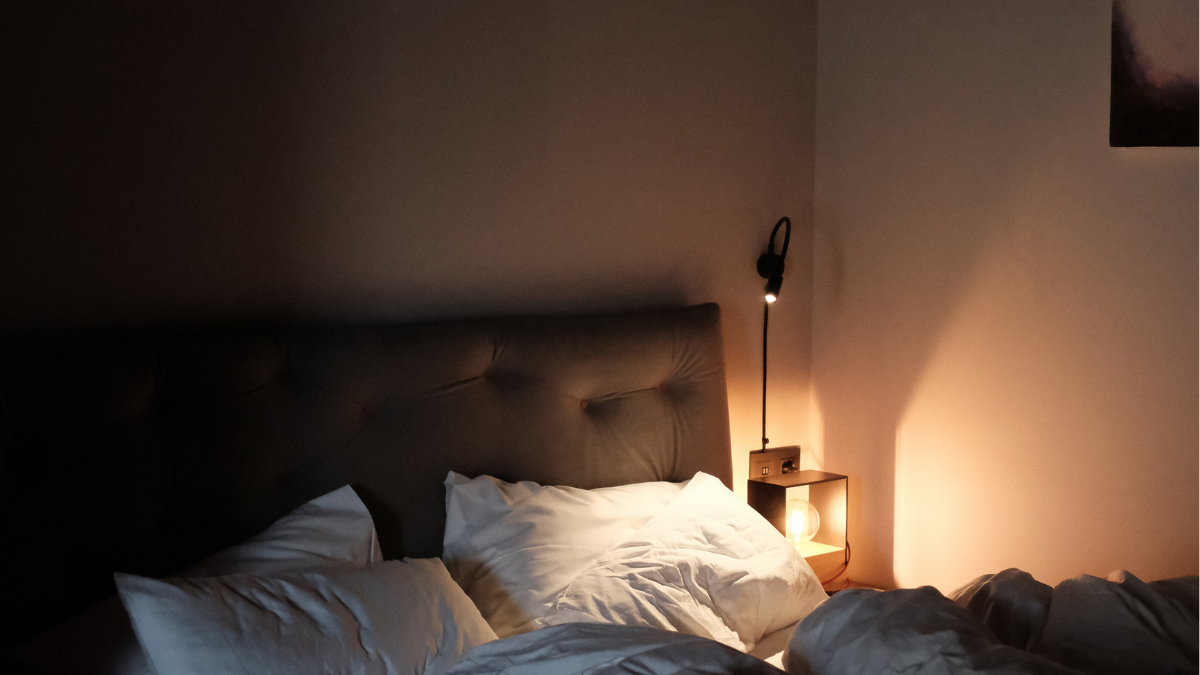
Breathing is a huge part of the puzzle, but your environment matters too. Your body temperature needs to drop for you to fall asleep. If your room is too hot, the breathing might take longer to work. Keep your bedroom around 65 degrees. This helps your body enter the rest and digest state faster. Pairing the 47 8 method with lowering body temperature creates a double win.
The breath calms your mind while the cool air calms your body. Avoid bright lights or phone screens for 30 minutes before you start. This allows your brain to produce melatonin. When you combine these sleep hygiene tips with the protocol, you fall asleep much more deeply. You wake up feeling more refreshed.
How to Know Your Body is Actually Relaxing?

In 2026, most people use smartwatches or rings to track sleep. You can use these tools to see if the breathing is working. Look at your heart rate variability HRV. A higher HRV means your body is recovering well from stress. When you do the 4 7 8 method, you should see your heart rate drop on your device.
This is called biofeedback for sleep. Seeing the data proves that you are in control of your body. It isn’t just a feeling; it is a physical change you can measure. If your watch shows your heart rate slowing down, you know you are ready for bed. This proof helps you trust the process. It gives you confidence that you can beat a racing mind at bedtime every single night.
Conclusion
Sleep isn’t something that just happens to you. It is a physical state you can trigger. When your mind is racing, you don’t have to just lie there. You can use the 4 7 8 breathing protocol to take control. It is a simple tool that works with your biology. Try this every night for the next week.
Do it even if you don’t feel stressed. It builds a habit. Over time, your brain will recognize this pattern as the signal to sleep. Within seven days, you will notice a difference in how fast you drift off. Give yourself 60 seconds tonight. You deserve a quiet mind.
⚠️MEDICAL DISCLAIMER
This content is for informational and educational purposes only and does not constitute medical advice, diagnosis, or treatment. Before making changes to your diet, exercise routine, or supplement regimen, consult a qualified healthcare provider. If you experience sudden confusion, severe headaches, or difficulty speaking, seek emergency medical care immediately.