
A simple 30 second walk could tell you how long you will live. It sounds like a bold claim. But for people over 50, your ability to hold onto heavy objects is a major sign of your health. As we age, our muscles naturally get weaker. This often leads to a higher risk of falls and heart issues. You might notice it is harder to open jars.
Maybe you struggle to carry all your groceries in one trip. This isn’t just about hand strength. It is about your heart, too. The good news is that you can fix this with one move. It is called the Farmer’s Carry. This exercise is like a Swiss Army Knife for your body. It builds grip strength and improves your heart health at the same time.
Why Your Hands Hold the Key to Your Heart?
Doctors used to look mostly at blood pressure to check the heart. Now, they look at your hands. Scientists conducted a massive study called the PURE study. They followed nearly 140,000 people in 17 countries. The results were clear. They found that grip strength is a better predictor of death than systolic blood pressure.
Here is the data that matters. For every 5kg, about 11 pounds of grip strength you lose, your risk of heart related death goes up by 17%. Your hands are like a dashboard for your entire body. When your grip is weak, it often means your muscle mass is low. This puts extra stress on your heart.
Think of your muscles as an engine. A strong engine keeps your blood sugar stable. It keeps your blood flowing well. This is why grip strength and longevity are so closely linked. It is not just about having a firm handshake. It is about having a body that can handle the physical stress of living.
Doctors call these biomarkers. Your grip is one of the most important ones you have. If you want to keep your heart healthy, you need to keep your hands squeezing. And here is why that matters: you can improve this score at any age.
How to Know if Your Weights are Too Light?
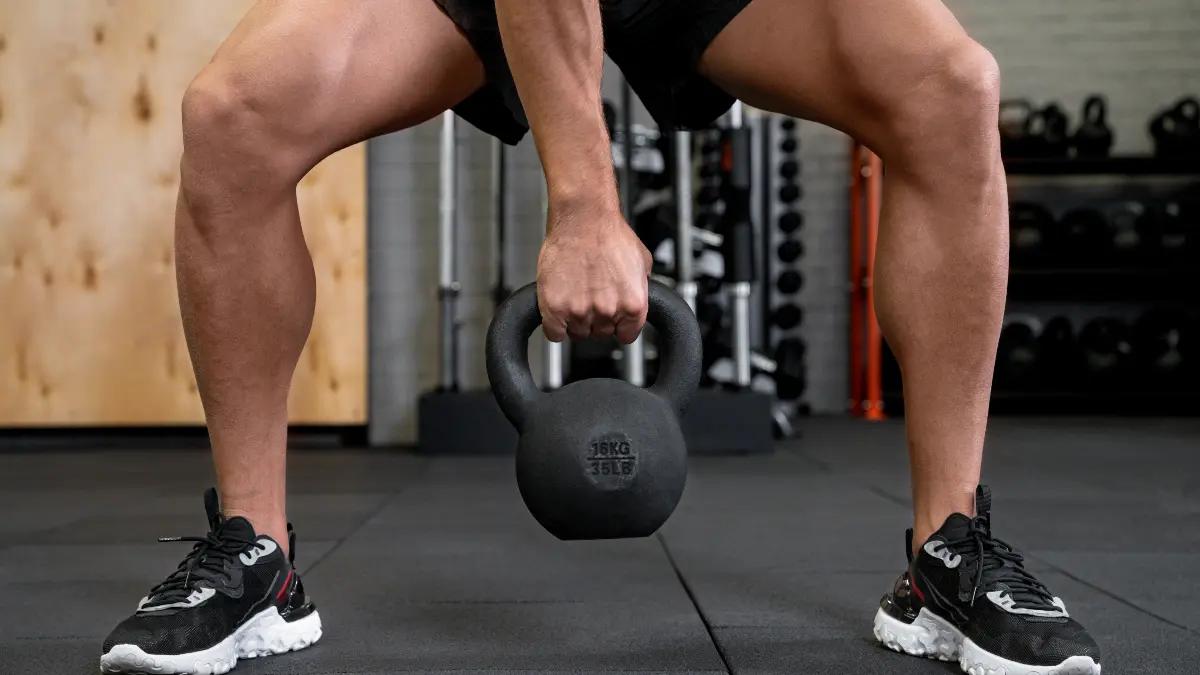
To see real strength gains, you must challenge your body. If you can walk for two minutes without feeling tired, your weights are too light.
You want a weight that feels heavy by the time you hit 40 seconds. Your hands should feel like they want to open up right as you finish. This is how you tell your body to build more muscle.
If it feels as easy as carrying a handbag, you won’t see the heart benefits you want. Try adding five pounds next time and see how it feels. It should be hard, but you should still be able to stand tall.
Another sign your weights are too light is your recovery time. If you finish a set and feel like you could go again immediately without a break, you aren’t working hard enough.
You should feel like you need about 60 seconds to catch your breath and let your hand muscles relax before picking the weights back up. Think of it like a battery recharging. If you don’t feel that drain, you aren’t triggering the heart health benefits that come from intense effort.
How to Breathe to Keep Your Heart Safe?
When you lift something heavy, you might want to hold your breath. Do not do that. Holding your breath can make your blood pressure jump too high very quickly.
Instead, focus on shield breathing. Take short, steady breaths through your nose. Keep your stomach muscles tight as you exhale. This keeps your core stable and your heart rate under control.
If you find yourself gasping for air, the weight is likely too heavy. A steady breathing rhythm helps you walk longer and keeps your heart in the safe zone.
Try to count your steps out loud if you find it hard to keep your breathing steady. If you can talk or count, it means you aren’t holding your breath.
This simple trick forces your lungs to stay open and prevents that dangerous pressure from building up in your chest. It also helps you stay calm under the load of the weights.
Think of your breath as the fuel that keeps your muscles moving. As long as you keep the air flowing, your heart can do its job without working against unnecessary internal pressure.
Why Carrying One Weight is Better for Your Core?
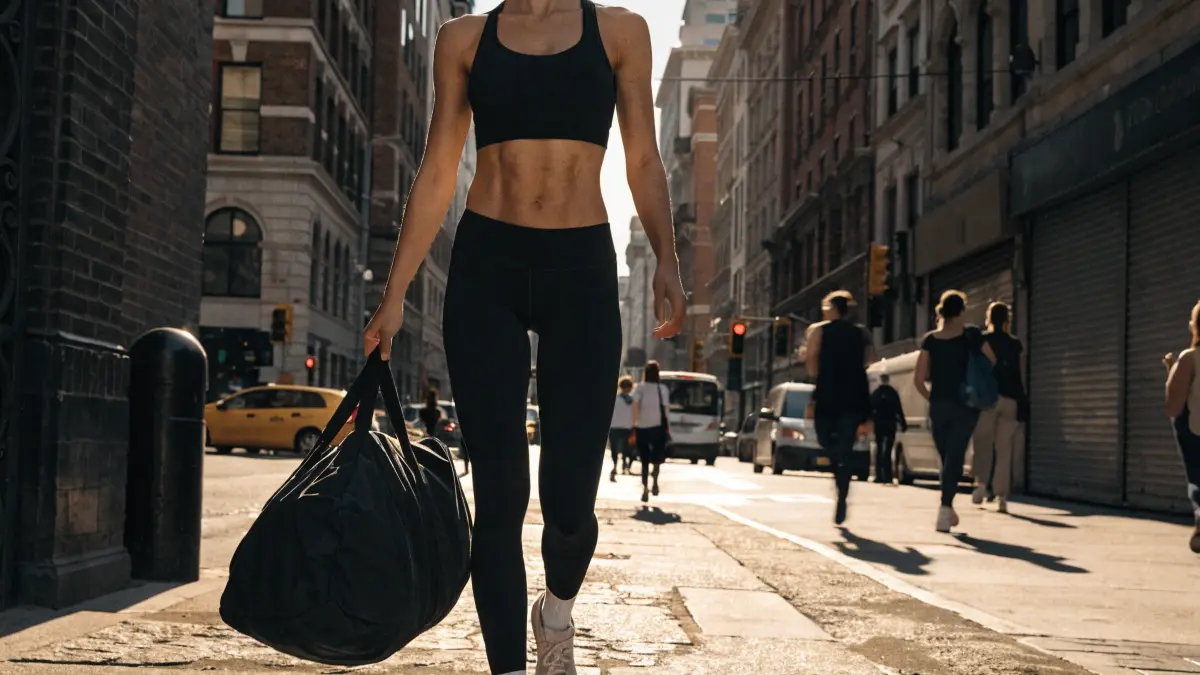
Sometimes, you should only hold a weight in one hand. This is called the Suitcase Carry. Since the weight is only on one side, your body naturally wants to lean over.
Your side muscles and obliques have to work extra hard to keep you standing straight. This is a great way to fix your balance and stop yourself from wobbling.
It helps you stay steady on uneven sidewalks or when stepping off a curb. Just make sure you switch hands after each trip. It balances your body and builds a rock solid middle.
This move also helps you avoid back pain in your daily life. Most people get hurt when they twist or bend while carrying something heavy, like a bag of mulch or a heavy package.
By practicing the Suitcase Carry, you teach your back how to stay still while your legs move. It builds a wall of muscle around your spine. This keeps you safe during real life tasks.
And here’s why that matters: a strong core means you can keep doing the things you love without your back giving out. It is one of the best ways to stay mobile and pain-free as you get older.
When Will You Feel Stronger?
You won’t wake up with giant muscles tomorrow. But you will feel changes quickly. Most people feel more stable and tighter after just two weeks.
You might notice that carrying the vacuum cleaner or a heavy box feels much lighter. After a month, your hands will feel less tired when holding onto things for a long time. Your heart also gets more efficient.

You might not get out of breath as fast when walking up a flight of stairs. Real longevity comes from staying consistent. Stick with it for three months, and your doctor might even see a positive change in your resting heart rate.
Beyond the physical changes, you will notice a boost in your grip confidence.
Tasks that used to make you hesitate, like opening a heavy door or carrying a gallon of milk with one finger, will suddenly feel like second nature. This happens because your nervous system is getting better at talking to your muscles. It learns how to recruit more power with less effort.
This mental shift is a huge part of your longevity journey. When you feel physically capable, you move more throughout the day, which keeps your heart health in peak condition. It is a positive cycle that starts with that first heavy walk.
How to Test Your Progress at Home?
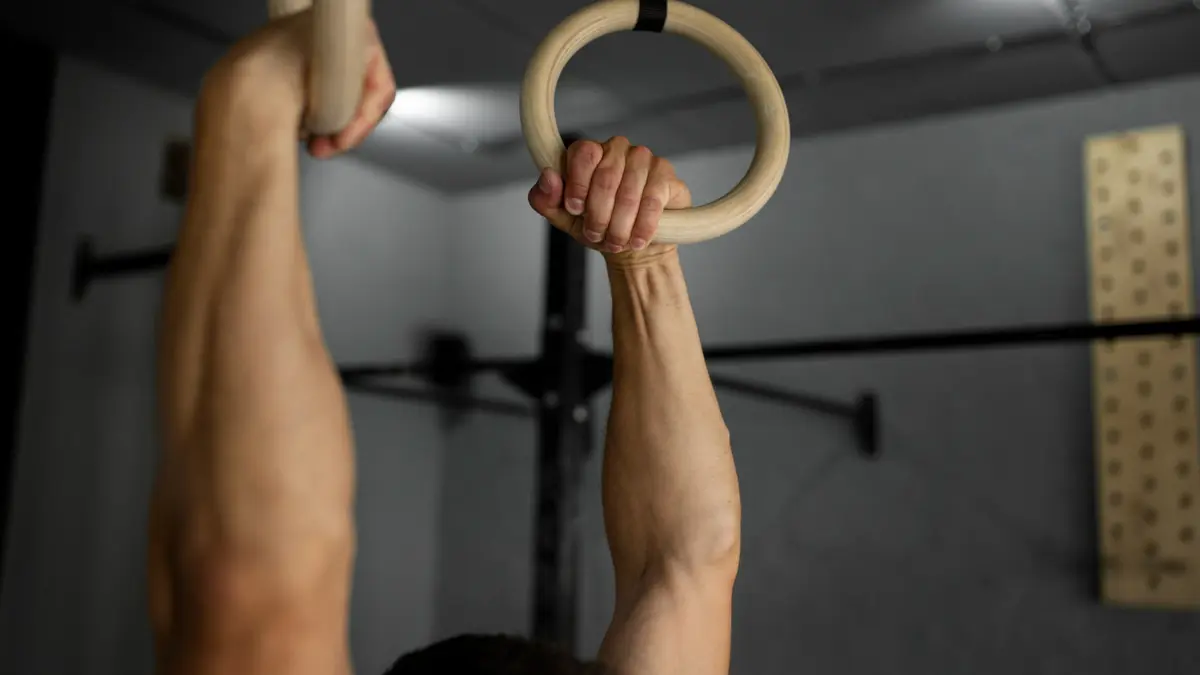
You can track your gains without fancy tools. Try a simple Timed Hang test. Find a sturdy bar or even the top of a solid door frame. Grip it and see how many seconds you can hold on before your hands let go. Write your time down.
Or, use a simple bathroom scale. Squeeze the sides of the scale as hard as you can and look at the numbers.
Try it again in 30 days. Seeing those numbers go up is a great way to stay motivated. It proves that your hard work is paying off and your heart is getting the protection it needs.
Another great way to test yourself is the Grocery Bag Test. Take two bags and fill them with exactly 10 or 15 pounds of items, like cans or books.
See how many times you can walk back and forth across your longest room before your grip starts to fail. Note the number of laps and how you feel afterward.
If you can do 10 laps today but reach 15 laps next month, you are making real progress. This test is perfect because it uses items you already have.
Can You Do This With Arthritis?
Many people over 50 deal with stiff or painful joints. If your fingers hurt, you can still do this move. Instead of thin metal handles, try using thicker ones.
You can wrap a small towel around your weights to make the grip wider. This takes the pressure off your small knuckles and puts it on your bigger forearm muscles.
You can also buy rubber fat grips that slide onto any dumbbell. If your knees hurt, simply walk slower and take shorter steps. You still get all the heart benefits without the joint pain.
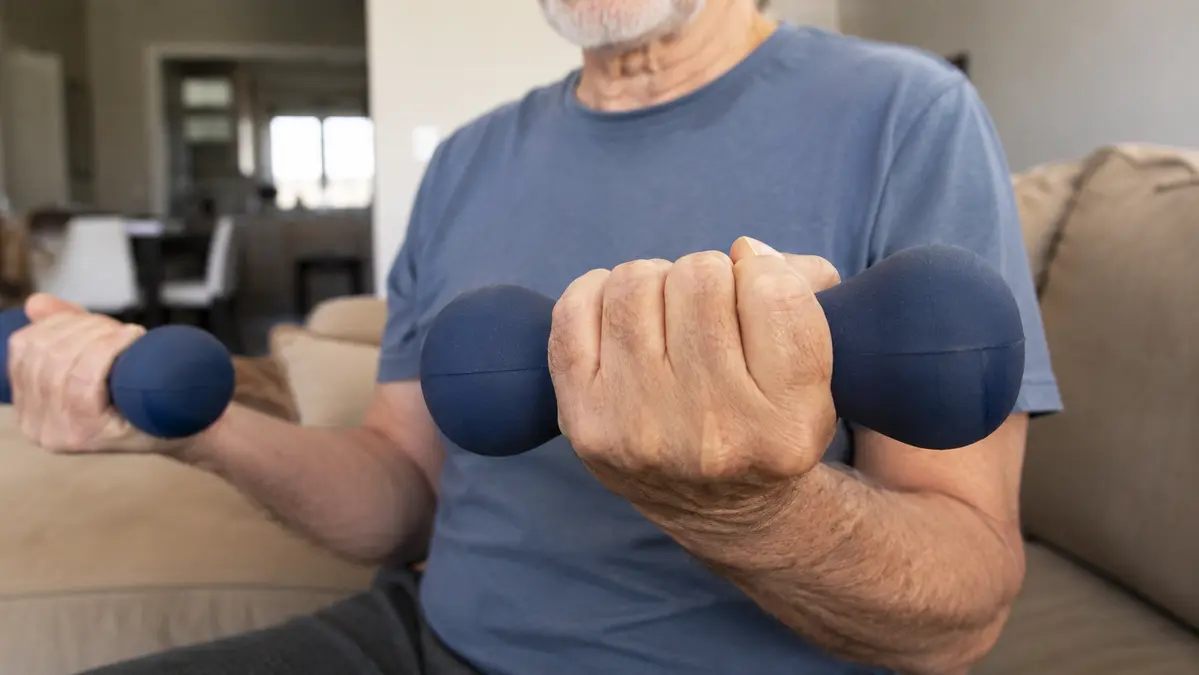
It is okay to start small and listen to what your body tells you. It also helps to start with holds instead of walks if your joints are flaring up. You can simply stand in place and hold the weights for 20 seconds.
This builds strength without the impact of taking steps. If your grip feels particularly stiff in the morning, try doing your Farmer’s Carry in the afternoon when your joints are warmer and more mobile.
Movement actually helps lubricate your joints by pumping fluid into them. By staying active, you are fighting back against the stiffness that often comes with aging.
Conclusion
Being strong is the best insurance policy you can have as you age. It protects your heart, your bones, and your freedom. The Farmer’s Carry is the easiest way to get there. It solves the two biggest problems we face after 50: losing muscle and declining heart health.
You do not need to be an athlete to start. You just need to be willing to pick up something heavy and walk. Start today. Find two heavy items in your house and walk across the room. Your future self will thank you. Every step you take with those weights is a step toward a longer, more active life. Start your Farmer’s Carry after 50 routine today and take control of your longevity path.
⚠️MEDICAL DISCLAIMER
This article is for informational purposes only. It does not replace medical advice, diagnosis, or treatment. The information covers grip strength, heart health, muscle loss, fall risk, blood pressure, the Farmer’s Carry exercise, exercise intensity, breathing technique during exercise, core stability, back pain prevention, joint health, arthritis modifications, resting heart rate, recovery time, progress testing. Individual results vary based on age, health status, and fitness level.
Before changing your exercise routine, diet, or supplement use, talk to your doctor or a qualified health professional first. If you experience chest pain, dizziness, severe joint pain, or any sudden symptom during or after exercise, stop immediately and seek medical care.