
You probably check your blood pressure. You may track your steps. But the one number that predicts how long you’ll live, how hard you can squeeze, is one most older adults have never measured. That number is your grip strength. A study of 140,000 adults across 17 countries found something surprising.
Grip strength predicted death better than blood pressure. Not a little better. Significantly better. Most people have never tested it. Most doctors never bring it up. And grip strength quietly drops 1,2% every year after age 50. By the time you notice struggling to open a jar, needing help off the floor, you’ve already lost a lot of ground.
What Is Grip Strength, and Why Are Doctors Starting to Care?
Grip strength is the maximum force your hand produces when squeezing. Doctors measure it with a small device called a dynamometer. The test takes 30 seconds. But it’s not just about your hand. It reflects your whole body. Think of it as a window into your health. A weak grip can signal weak muscles overall, poor nutrition, nerve problems, and faster aging.
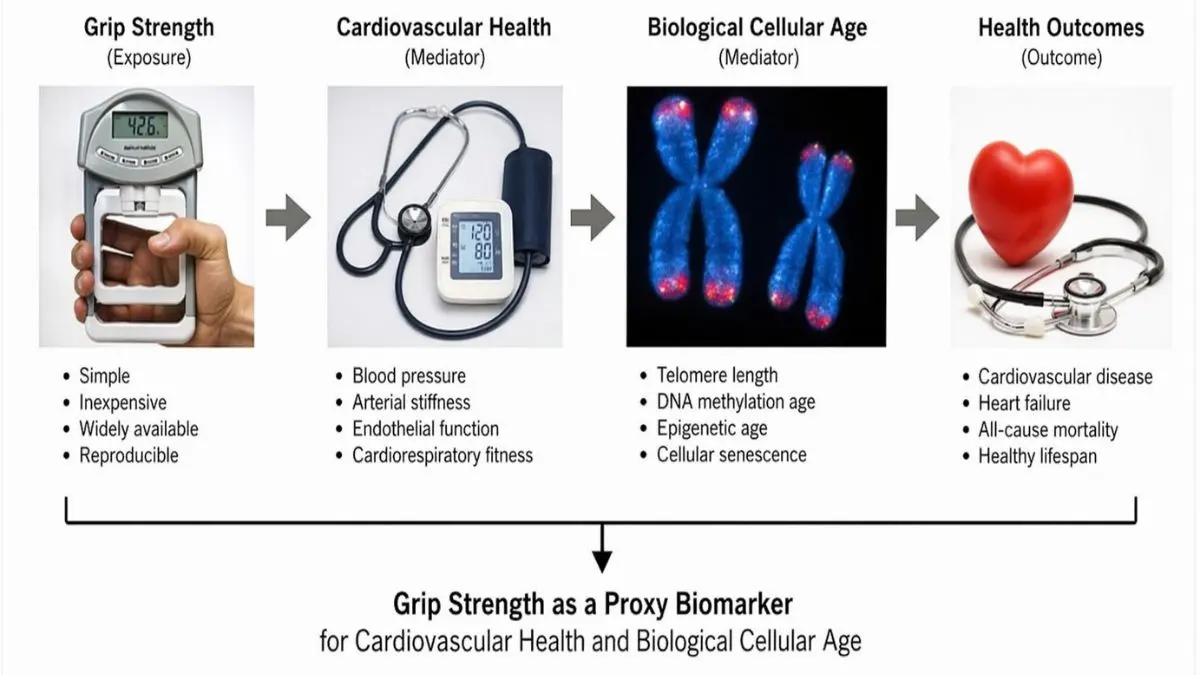
Researchers call it a proxy biomarker: a single measurement that tells the story of many systems at once. The Journal of Health, Population and Nutrition formally proposed grip strength as a new vital sign, citing its low cost, no radiation exposure, no blood draw, and strong predictive power across all populations.
Right now, doctors check five vital signs: blood pressure, heart rate, breathing rate, temperature, and pain. Some researchers argue that grip strength should be the sixth. Why hasn’t it caught on? Medicine has focused on the heart for decades. Muscle strength was treated as a fitness issue, not a medical one.
What Your Grip Strength Tells You About How Long You’ll Live?
The finding: every 5 kg drop in grip strength raises your risk of dying from any cause by 16%. That’s not a rounding error. That’s one in six. Your heart is specifically at risk. The same 5 kg drop raises cardiovascular death risk by 17,21%. In the PURE Lancet study, grip strength was a stronger predictor of heart disease death than systolic blood pressure, the number your doctor checks every single visit.
Your stroke risk goes up 9% per 5 kg decline. Your cells age faster. 2025 research in Frontiers in Medicine showed people with weaker grips had faster DNA methylation age acceleration. Their cells were biologically older than their birth year suggested.
And people with low grip strength face a 67% higher risk of dying early than those with strong grips. Sixty seven percent. This is why grip strength matters. Not as a fitness stat. As a survival signal.
Why Most Older Adults Never See This Coming?
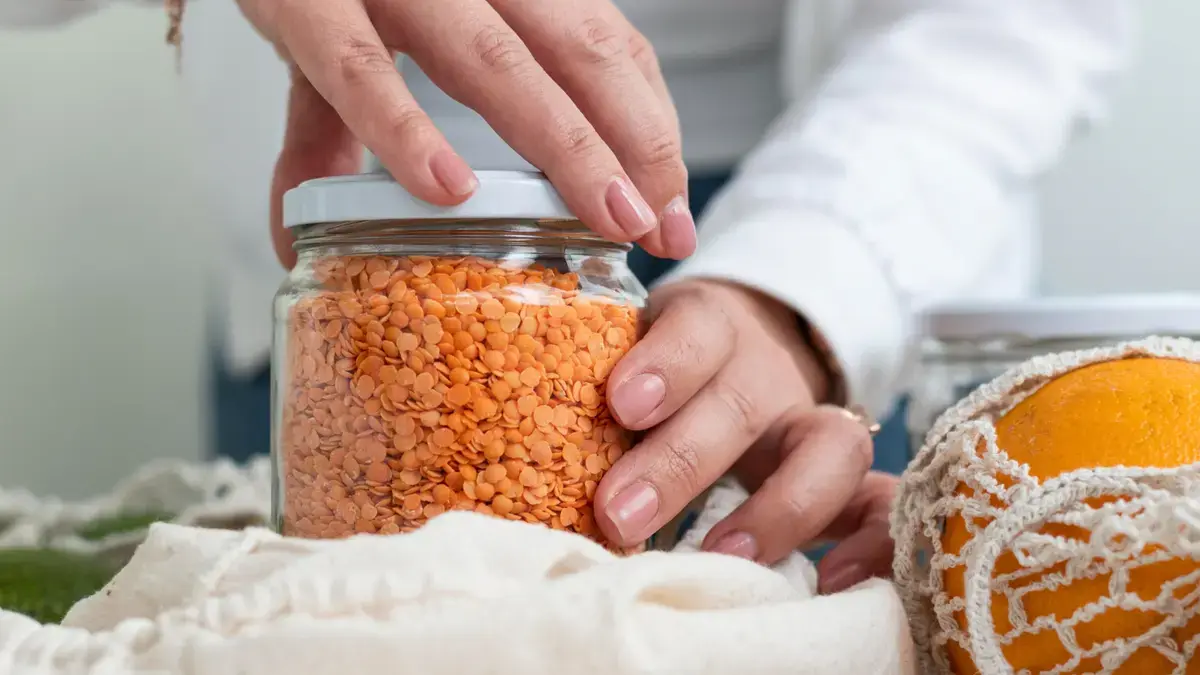
Grip strength loss doesn’t hurt. It has no early symptoms. You lose 1,2% per year and feel nothing. You try to open a jar, and it won’t budge. You carry groceries, and your hands ache. You go to stand from a low chair and need your arms to push yourself up. These feel like normal aging. They’re not. Their muscle and grip signals showed up years after the real decline started.
The bigger problem is this: muscle strength never comes up in a routine physical. So it never gets measured. And what doesn’t get measured doesn’t get managed. After age 30, adults lose 3,5% of muscle mass per decade. After 60, that rate speeds up. By age 70, you can lose roughly 40% of your muscle without any intervention.
Most people don’t know because it’s painless and slow. Sarcopenia, the medical name for age related muscle loss, rarely gets flagged until it causes a fall, a fracture, or a loss of independence. By then, recovery is much harder. There’s no standard test in a routine physical. No universal benchmark. Most people have no idea where they stand until something goes wrong.
How to Test Your Grip Strength (And What the Numbers Mean)?
You don’t need a clinic. Here’s how to do it at home.
The standard test:
- Sit with your elbow bent at 90 degrees
- Keep your wrist neutral, not bent up or down
- Squeeze as hard as you can for 3 seconds
- Rest, then repeat three times per hand
- Record your best score from each hand
A hand dynamometer costs $30–60 on Amazon. The Smedley model is a solid, affordable option. Your local physical therapy clinic can also test you for free.
| Group | At-risk threshold |
|---|---|
| Men | Below 26 kg (57 lbs) |
| Women | Below 16 kg (35 lbs) |
These aren’t pass/fail lines. Every unit of improvement lowers your risk. There’s no upper ceiling. One more thing: your grip relative to your body weight matters more than the raw number.
A 90 kg man with a 26 kg grip is relatively weaker than a 65 kg man with the same score. Test every 2,4 weeks with the same protocol. The trend tells you far more than a single reading.
How to Build Your Grip Strength at Any Age?
Grip strength is trainable. Even in your 80s. A pilot study enrolled adults with an average age of 82.7 years. After 12 weeks of twice weekly training, grip strength improved statistically and meaningfully. Age is not a reason to skip this. Physiology reviewed 42 clinical trials to find the optimal training dose for older adults. The research-backed formula:
- 3 sessions per week
- Moderate intensity ~49% of your max effort
- 6 sets, 16 reps per exercise
- Stick with it for at least 12,19 weeks
You don’t need to memorize all that. Train consistently, at moderate effort, several times a week. The rest follows.
Here are the exercises that actually work — ranked by impact:
1. Farmer’s Carries
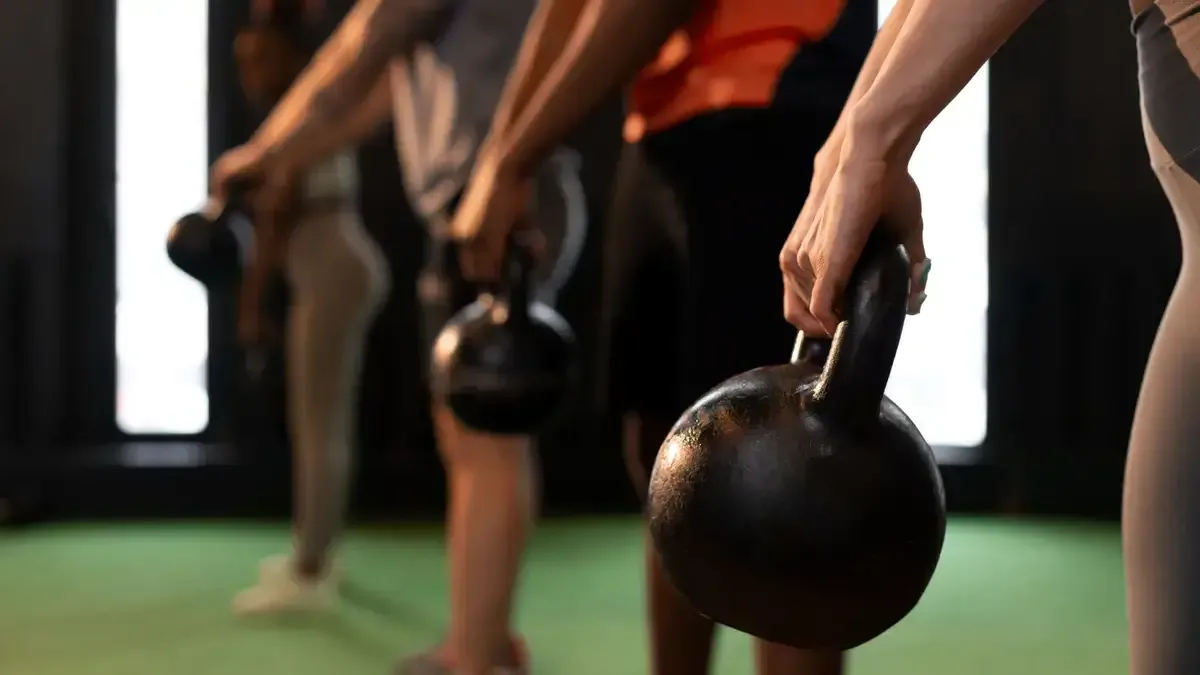
Pick up the heaviest dumbbells or kettlebells you can safely hold. Walk 20,30 meters. Repeat 3,4 times. This is the single best grip exercise because it also trains your core, shoulders, and legs. It directly mirrors real life tasks: carrying groceries, luggage, and bags. Start lighter than you think you need to.
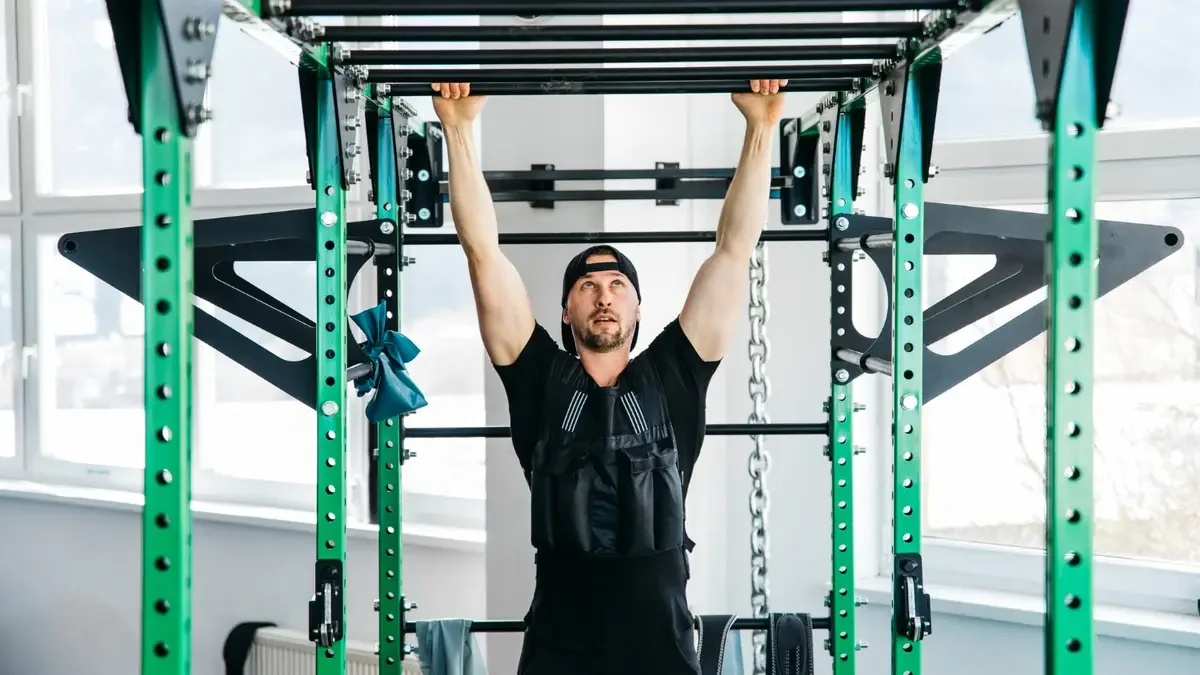
2. Dead Hangs
Hang from a doorway pull up bar about $25 with an overhand grip for 20,60 seconds. Do 3,4 sets. This builds grip endurance, holding on longer, not just squeezing harder. It also decompresses your spine. If full bodyweight is too hard, keep your feet partially on the ground and build up.
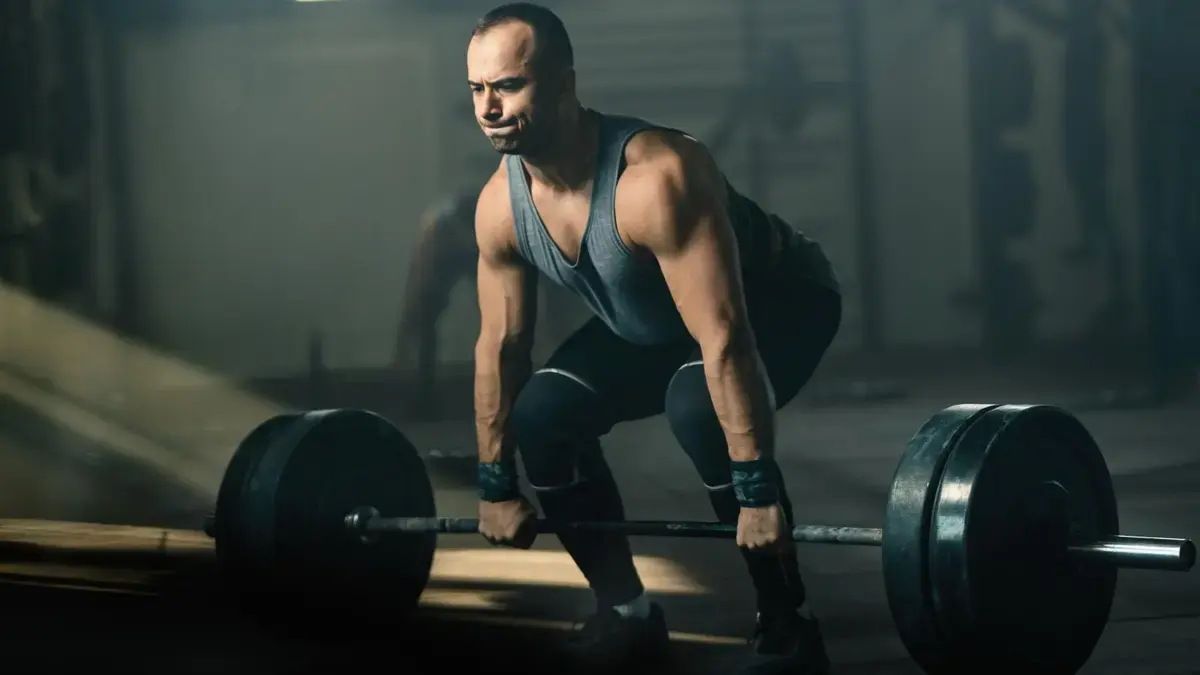
3. Compound Pulling Movements
Rows, deadlifts, and lat pulldowns all demand grip under load. These build total body strength and grip at the same time. If you can only do one thing, do compound pulling movements three times a week.
4. Plate Pinches
Pinch two weight plates smooth side out, between your fingers and thumb. Hold for 20,30 seconds per hand, 3,4 sets. This targets the pinch grip, often the first thing to fail in fine motor tasks.
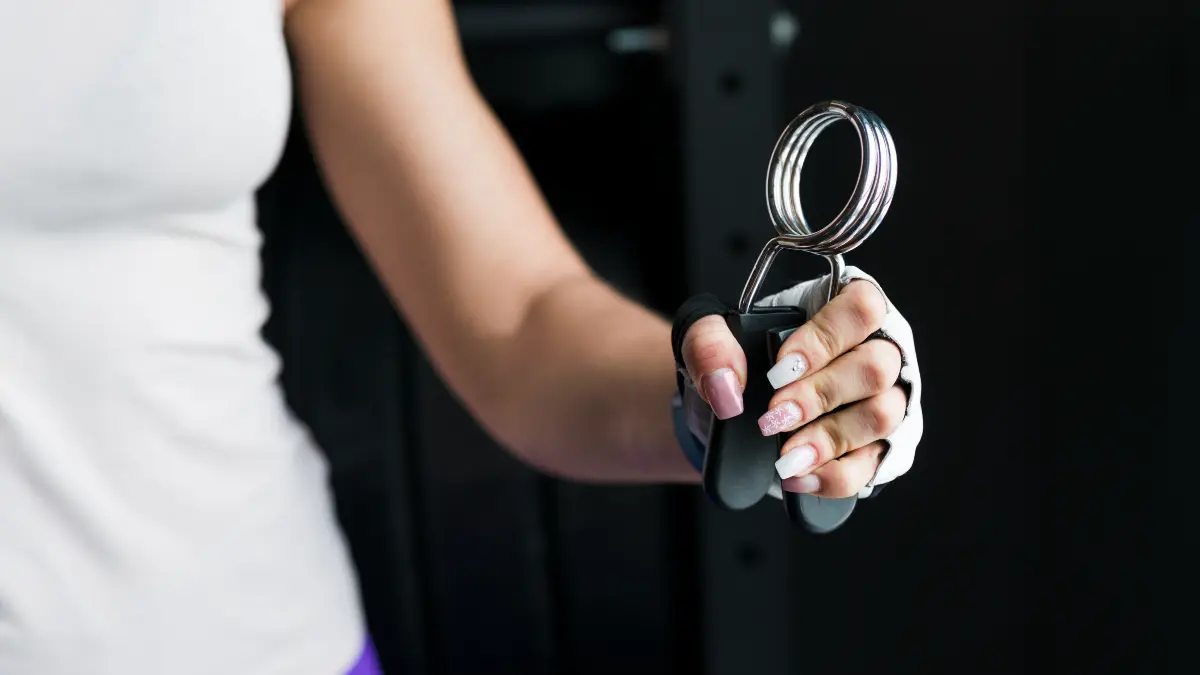
5. Hand Grippers or Therapy Putty
Good entry points if you’re a beginner or in recovery. Squeeze for 3,5 seconds, release slowly. The slow release matters; it works both flexors and extensors. These won’t replace heavier training, but they build a base.
Why Grip Strength Beats Blood Pressure, BMI, and Most Other Metrics?
Blood pressure is the number your doctor focuses on. Yet in 140,000 adults across 17 countries, grip strength was a stronger predictor of cardiovascular death. BMI can’t tell muscle from fat. A common pattern in older adults is sarcopenic obesity, a person who looks thin or normal weight but has almost no muscle. BMI misses it completely. Grip strength catches it.
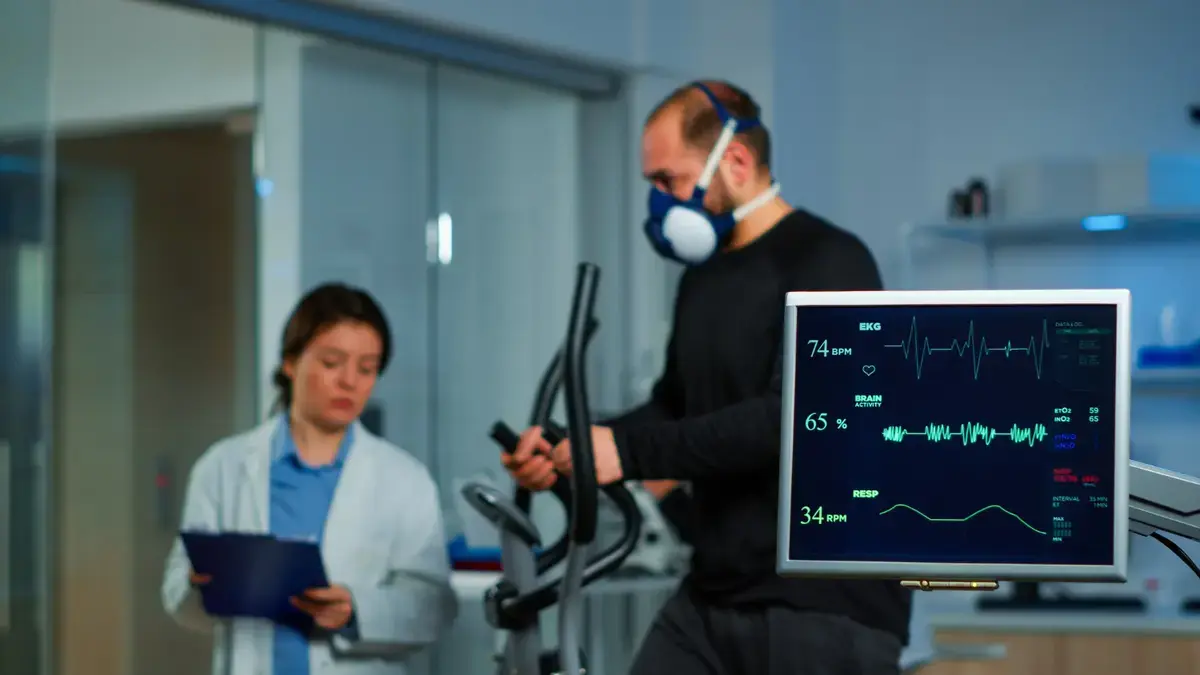
VO2 max is another powerful longevity marker. But testing it requires a lab and a specialist. A grip test needs a $30 tool and two minutes. One grip strength number integrates your neuromuscular function, nutritional status, bone density, and inflammation. No blood draw. No imaging. No specialist.
Conclusion
Grip strength and longevity are connected in ways the research makes impossible to ignore. It’s the simplest, most affordable, and most predictive biomarker that most older adults aren’t tracking. This isn’t about a firm handshake. It’s about maintaining the muscle quality that keeps you independent, mobile, and alive longer.
Test your grip. Compare it to the thresholds above. Start farmer’s carries and one compound pulling movement three times a week. Improving grip strength in older adults doesn’t require a gym or a trainer. It requires consistency and the right information.
⚠️MEDICAL DISCLAIMER
This article is for informational purposes only. It does not replace medical advice, diagnosis, or treatment. The information covers grip strength, mortality risk, cardiovascular death risk, stroke risk, DNA methylation, muscle mass loss, sarcopenia, hand dynamometer testing, body weight ratios, farmer’s carries, dead hangs, compound pulling movements, plate pinches, hand grippers.
Individual results vary based on age, health status, and fitness level. Before changing your exercise routine, diet, or supplement use, talk to your doctor or a qualified health professional first. If you experience chest pain, dizziness, severe joint pain, or any sudden symptom during or after exercise, stop immediately and seek medical care.