

It’s 2 a.m. A sharp, twisting pain shoots through your calf. You can’t stretch it fast enough. You gasp, grab your leg, and wait for it to pass. You might already take magnesium. Lots of people do. But here’s what most people don’t know: the form of magnesium matters more than the dose.
The cheapest, most common type of Magnesium Oxide is so poorly absorbed that it often does almost nothing for muscle cramps. What’s actually going on inside your muscles at night? It explains which type of magnesium the research supports. And it gives you a clear, honest plan to try with realistic expectations about what it can and can’t fix.
Why Do Leg Cramps Wake You Up at Night?
A nighttime leg cramp is a sudden, involuntary contraction of a muscle, most often the calf, but sometimes the foot or thigh. It comes on fast. It lasts anywhere from a few seconds to a few minutes. And it usually leaves the muscle sore the next day. Doctors call them nocturnal leg cramps NLC. They are extremely common.
60% of adults report having experienced nighttime leg cramps. Source: American Academy of Family Physicians AAFP. If you’re over 50, the number is even higher. Research published in PLOS One found that 37,50% of adults over 50 deal with them regularly. And about 6% of people with cramps experience them every single night.
The exact cause is still debated. But doctors have identified several clear contributors:
- Electrolyte imbalances — low magnesium, potassium, or sodium
- Muscle fatigue — overworked or underused muscles cramp more easily
- Dehydration — thicker blood means less oxygen reaching muscle tissue
- Prolonged sitting — staying in one position too long stresses the muscles
- Certain medications — statins, diuretics, and some asthma drugs are linked to cramps
The Magnesium Gap Nobody’s Talking About
Most people assume they’re getting enough magnesium. Most people are wrong. 57% of Americans don’t get enough magnesium from food to meet the daily recommended amount. Source: NHANES data via Wikipedia, NCBI PMC6163803. Why such a large gap? Modern diets are full of refined and processed foods, and those foods are stripped of magnesium.

White bread, white rice, packaged snacks, almost zero magnesium. Add in soft drinks, which are high in phosphoric acid and can block magnesium absorption, and the problem gets worse. Blood tests often miss magnesium deficiency entirely. Only about 1% of your body’s magnesium lives in your blood. The rest is stored in bones and muscle tissue.
So when a doctor checks your standard blood panel, your serum magnesium can look fine even when your muscles are starving for it. The deficiency is quiet at first. Your kidneys try to hold onto magnesium as long as they can. But over months and years of low intake, the reserves run out. And that’s when your muscles start cramping at 2 a.m.
Why Your Magnesium Supplement Might Be Doing Almost Nothing?
Flip your bottle over. Read the label. Does it say Magnesium Oxide? That’s likely your problem. And it’s the most common form sold in pharmacies and grocery stores, because it’s cheap. Magnesium Oxide has a lot of magnesium listed on the label, sometimes 400,500 mg. But the body absorbs very little of it. Studies put its absorption rate as low as 4%.
Most of it passes right through and out of your body. A major clinical trial published in JAMA Internal Medicine found that Magnesium Oxide supplementation was not significantly better than a placebo for reducing nighttime leg cramps in the general population. That’s not surprising, given how poorly it absorbs.
Not all magnesium is like this. Here’s how the three main forms compare:
| Form | Absorption | GI Tolerance | Best For |
|---|---|---|---|
| Magnesium Oxide | Very Low (~4%) | Often laxative | Constipation only |
| Magnesium Citrate | Moderate–High | Generally fine | General use, budget option |
| Magnesium Glycinate | High (near complete) | Excellent | Muscle cramps, sleep, anxiety |
Magnesium Alone Isn’t the Whole Story — 3 Things That Work With It
Your muscles don’t run on magnesium alone. They need a team of minerals to contract and relax properly. If any one of them is off, cramps can happen even if your magnesium is fine.
1. Potassium

Potassium keeps fluid balanced inside your muscle cells. Low potassium means muscles can’t fully relax. Here’s the connection: low magnesium actually causes low potassium. Magnesium helps keep potassium inside cells.
When magnesium drops, potassium leaks out, and cramps follow. Fix your magnesium, and you often fix potassium at the same time. Good potassium sources: bananas, avocado, sweet potato, white beans, spinach.
2. Hydration
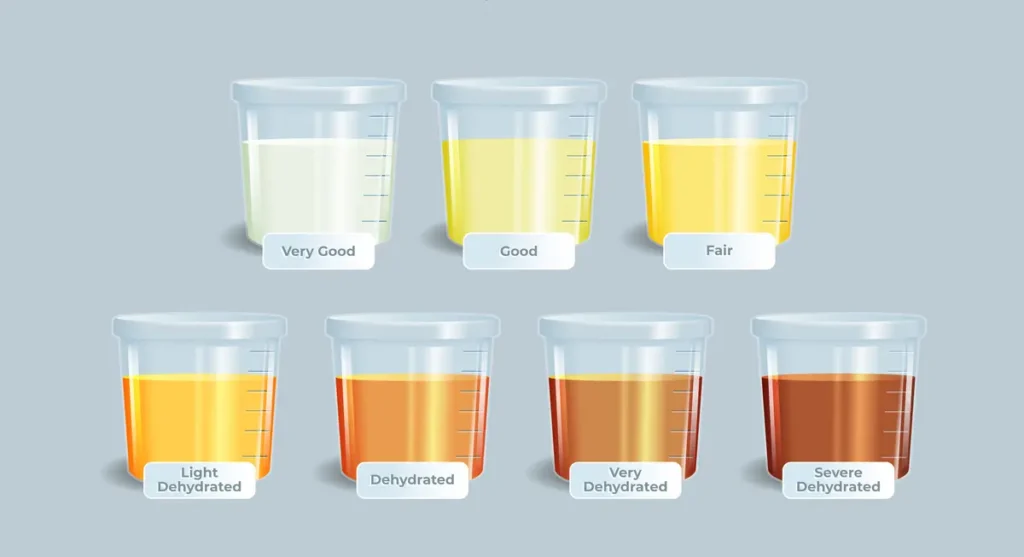
When you’re dehydrated, blood gets thicker. Less oxygen reaches your muscles. Your calf doesn’t know it’s 2 a.m., it just knows it’s not getting what it needs, so it cramps. A simple goal: aim for pale yellow urine throughout the day. If it’s dark yellow, drink more water. If it’s clear, you’re probably fine.
3. Timing Conflicts
Calcium and magnesium compete to be absorbed through the same channel in your gut. If you take a calcium supplement at the same time as magnesium, your body may absorb less magnesium. Take them at least two hours apart.
How to Take Magnesium for Nighttime Cramps — The Right Way

The form is step one. How you take it is step two. Here’s what the current evidence supports. Choose the Right Form: Magnesium Glycinate is the first choice. Magnesium Citrate is acceptable. Skip Oxide entirely for this purpose. Take It at the Right Time.
Take magnesium 30,60 minutes before bed. This is when your muscles need to relax into sleep. Glycinate also contains glycine, which has been shown to support sleep quality on its own.
Get the Dose Right
The NIH recommends these daily totals (from food plus supplements combined):
| Who | Daily Magnesium (RDA) |
|---|---|
| Men 19–30 | 400 mg/day |
| Men 31+ | 420 mg/day |
| Women 19–30 | 310 mg/day |
| Women 31+ | 320 mg/day |
| Pregnant women | 350–360 mg/day — ask your doctor |
Conclusion
Nighttime leg cramps are common. You don’t have to just live with them. But you do need the right approach. If you take Magnesium Oxide, stop. Switch to Magnesium Glycinate. Take 200.400 mg of elemental magnesium 30,60 minutes before bed. Drink more water. Eat more potassium-rich foods. Give it four weeks before you decide if it’s working.
That’s it. No special protocol. No expensive stack of supplements. Just the right form of a mineral your body already needs delivered in a way it can actually use. And if cramps keep happening after that, see a doctor. Some cramps have nothing to do with magnesium, and a real diagnosis beats a supplement every time.
⚠️MEDICAL DISCLAIMER
This article is for informational purposes only. It does not replace medical advice, diagnosis, or treatment. The information covers nocturnal leg cramps, magnesium oxide, magnesium glycinate, magnesium citrate, muscle fatigue, dehydration, electrolyte imbalances, potassium intake, hydration, calcium and magnesium timing, and magnesium dosage.
Individual results vary based on age, health status, and fitness level. Before changing your exercise routine, diet, or supplement use, talk to your doctor or a qualified health professional first. If you experience chest pain, dizziness, severe joint pain, or any sudden symptom during or after exercise, stop immediately and seek medical care.