

You walked into the kitchen and forgot why. You read the same paragraph three times. You put your keys in the freezer. You’re not losing your mind. But your gut might be losing its balance, and that balance matters more than most doctors tell you. Brain fog after 50 is real. It’s frustrating. And it has a name: that thick, slow, cloudy feeling where thinking feels like wading through mud.
Most people blame stress, poor sleep, or just getting older. A growing body of peer-reviewed studies, including work from Stanford, Nature, and the National Institutes of Health, published in 2024 and 2025, point to the gut-brain axis as one of the most overlooked drivers of cognitive fog in people over 50.
Breaks down five gut-related reasons you may be experiencing brain fog, plus six steps you can take right now to start clearing it. No supplements to sell you. No miracle claims. Just the science, explained plainly.
What Is Brain Fog After 50 — And Why Is It So Common?
Brain fog is not a medical diagnosis. Your doctor won’t write it on a chart. But you know it when you feel it. It’s the mental fatigue that hits at 2 pm even after a full night’s sleep. It’s forgetting a word you’ve used a thousand times. It’s reading an email twice and still not retaining what it said.
These symptoms cluster together: poor focus, slow thinking, short-term memory gaps, and mental exhaustion that doesn’t improve with rest. After 50, several things happen at once that make this more likely. Your hormones shift. Estrogen and testosterone, which both support brain function decline. Your metabolism slows.

Inflammation in the body tends to creep upward with age, a process researchers call inflammaging. Your sleep architecture changes, too, meaning you get less of the deep, restorative sleep your brain needs to clear waste products overnight. Add chronic stress on top of that, and you have a recipe for cognitive sluggishness.
But here’s what most people don’t know: over 50 million people globally live with dementia, according to a 2024 Nature Molecular Psychiatry study, but millions more are walking around with subclinical cognitive fog that never gets a diagnosis. It’s not dementia. It’s not Alzheimer’s. It’s something in between that’s real, measurable, and often correctable.
How the Gut and Brain Talk to Each Other?
Picture two offices. One is your brain. One is your gut. They’re constantly on the phone with each other, sending messages back and forth all day. This communication system has a name: the gut-brain axis. It’s a two-way network of nerves, hormones, and chemical signals that connects your digestive system to your central nervous system.
The main phone line is the vagus nerve. It runs from your brainstem all the way down to your gut and carries signals in both directions. When your gut is inflamed or unbalanced, it sends distress signals up that nerve to your brain. Your brain responds by activating its own immune system, which causes inflammation inside your skull.
Your gut also has its own nervous system. It contains roughly 500 million neurons. That’s why it’s sometimes called the second brain. This enteric nervous system doesn’t think thoughts, but it processes information and sends chemical signals that affect how your brain functions.
The gut-brain connection doesn’t stay clean and clear. It gets noisy. The bacteria in your gut shift. Inflammation increases. The signals your gut sends to your brain become less helpful and more harmful.
5 Ways Your Gut Directly Causes Brain Fog
This is the section most people need most. Let’s go through each mechanism clearly.
1. Your gut bacteria are out of balance (dysbiosis)
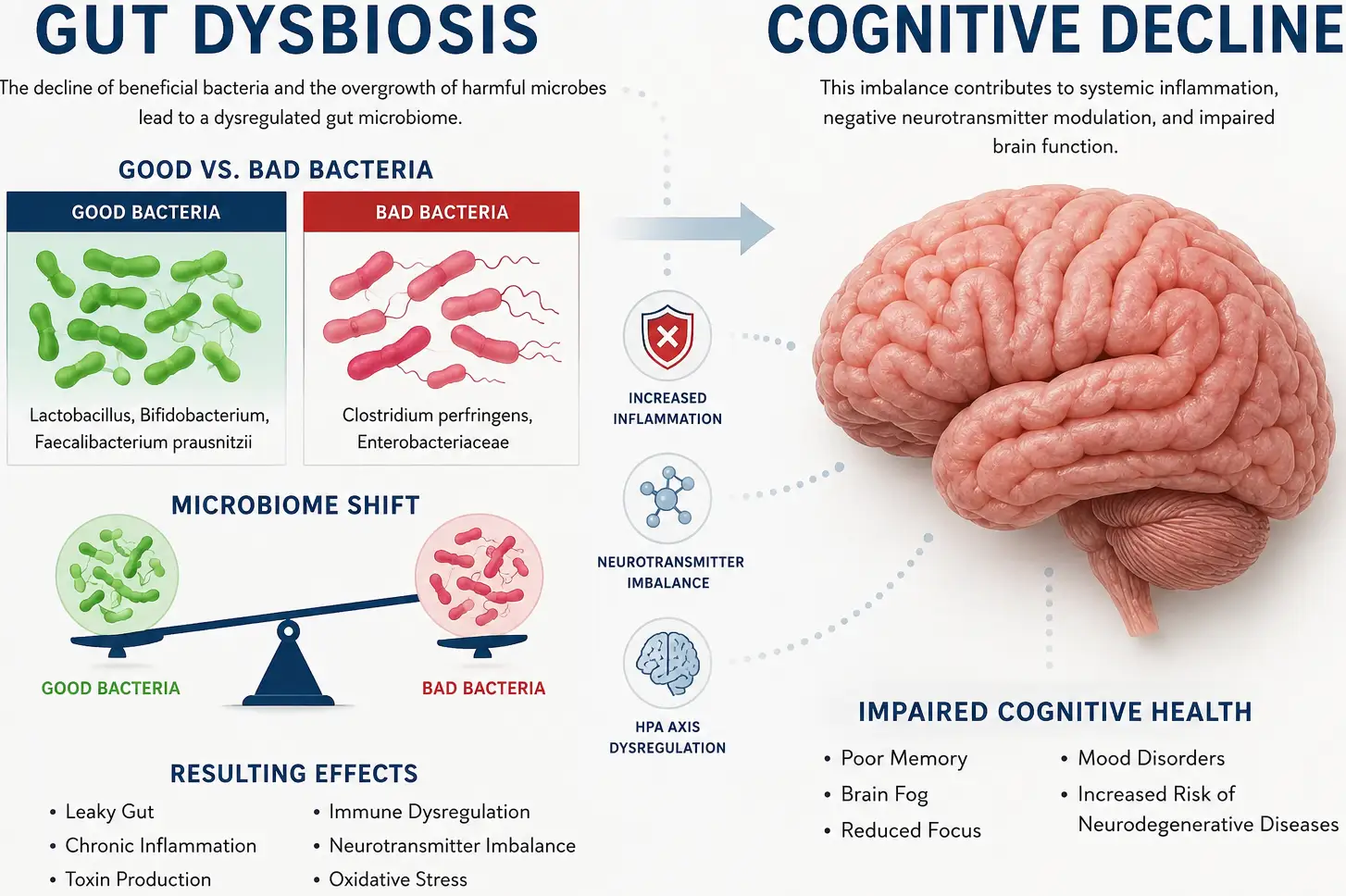
You have trillions of bacteria living in your gut. Most of them are helpful. They help digest food, regulate inflammation, and produce chemicals your brain depends on. But after 50, the balance shifts. Beneficial bacteria like Bifidobacterium and Lactobacillus start to decline. Pro-inflammatory microbes move in to fill the space. This imbalance is called dysbiosis.
A 2025 review published in the Nutrients journal found that this shift directly impairs memory and cognitive function. When harmful bacteria dominate, they produce toxic byproducts. Those byproducts enter your bloodstream. And they affect your brain.
This isn’t theoretical. A 2024 bibliometric analysis of 458 studies confirmed that gut dysbiosis consistently correlates with cognitive impairment across multiple populations.
2. Your gut lining is letting toxins through (leaky gut)
Your gut lining is supposed to be a tight barrier. It lets nutrients through and keeps everything else out. When that barrier gets damaged by stress, processed food, alcohol, or age, it becomes permeable. Gaps open between the cells. Harmful substances that should stay in your gut pass through into your bloodstream.
One of those substances is called LPS lipopolysaccharide. It comes from the outer shell of harmful bacteria. When LPS enters your blood, your immune system panics and launches an inflammatory response. That inflammation doesn’t stay in your gut. It travels to your brain.
A 2025 NIH review confirmed that LPS exposure consistently disrupts memory and cognitive function through neuroinflammation and synaptic dysfunction. In plain terms, gut toxins literally switch off parts of how your brain processes and stores information.
3. Your gut isn’t making enough feel-good chemicals
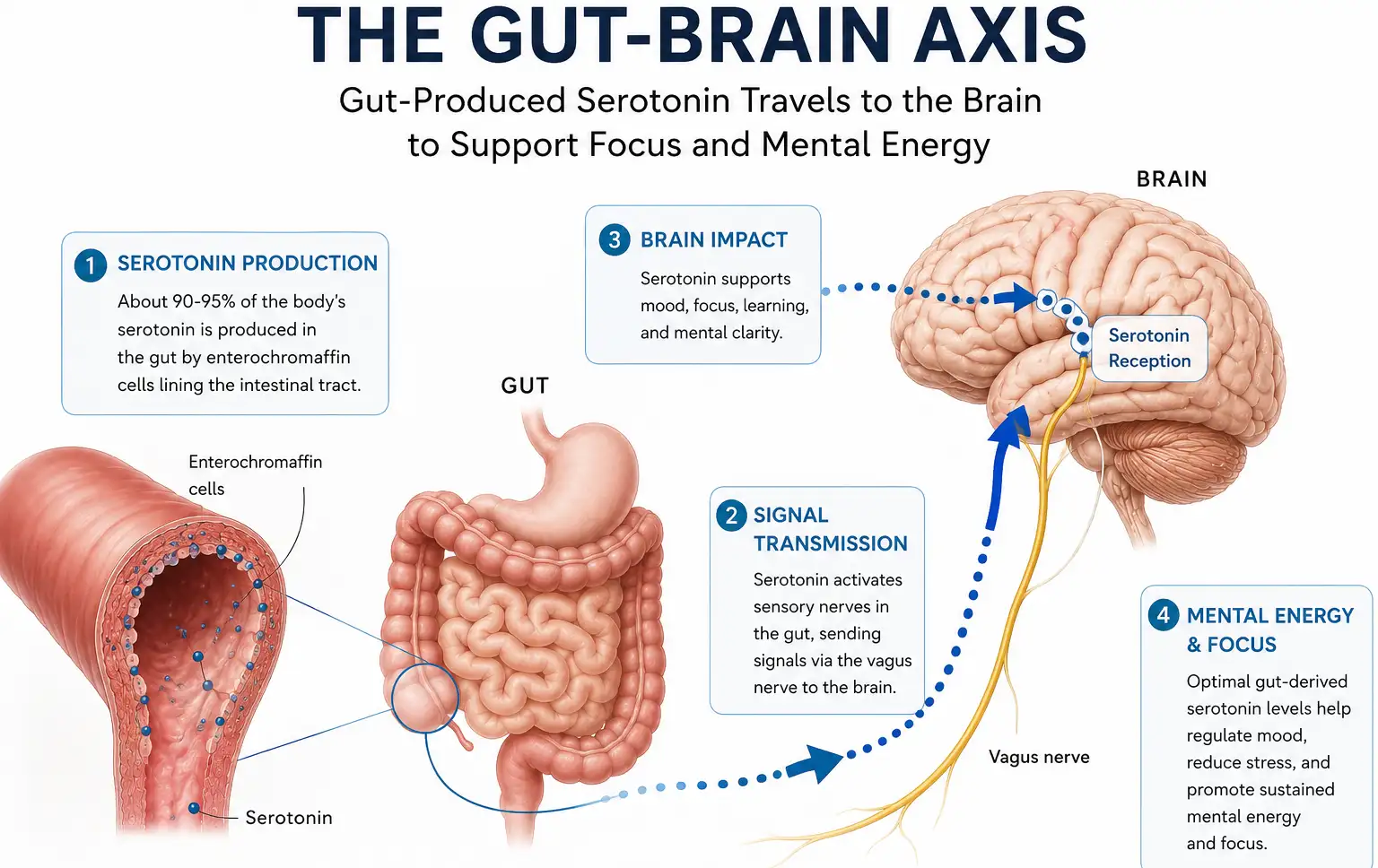
90 to 95% of your body’s serotonin is made in your gut, not your brain. Serotonin helps regulate your mood, your focus, and your memory. About 50% of your dopamine, the chemical tied to motivation and mental energy, also originates in the gut. When your gut microbiome is disrupted, production of these neurotransmitters drops. You feel flat. You can’t concentrate.
You reach for coffee and still feel foggy. Stanford researchers found in 2023 that gut-produced serotonin sends signals to the brain via the vagus nerve. When gut serotonin drops, those brain signals weaken. That contributes directly to the kind of fog where you’re awake but not really switched on.
4. You’re not absorbing the vitamins your brain needs
Your gut doesn’t just pass food through. It extracts the nutrients your organs, including your brain, depend on. After 50, gut function often slows. Stomach acid production can decrease. The gut lining itself may become less efficient. This means you can eat a perfectly healthy diet and still end up deficient in key nutrients.
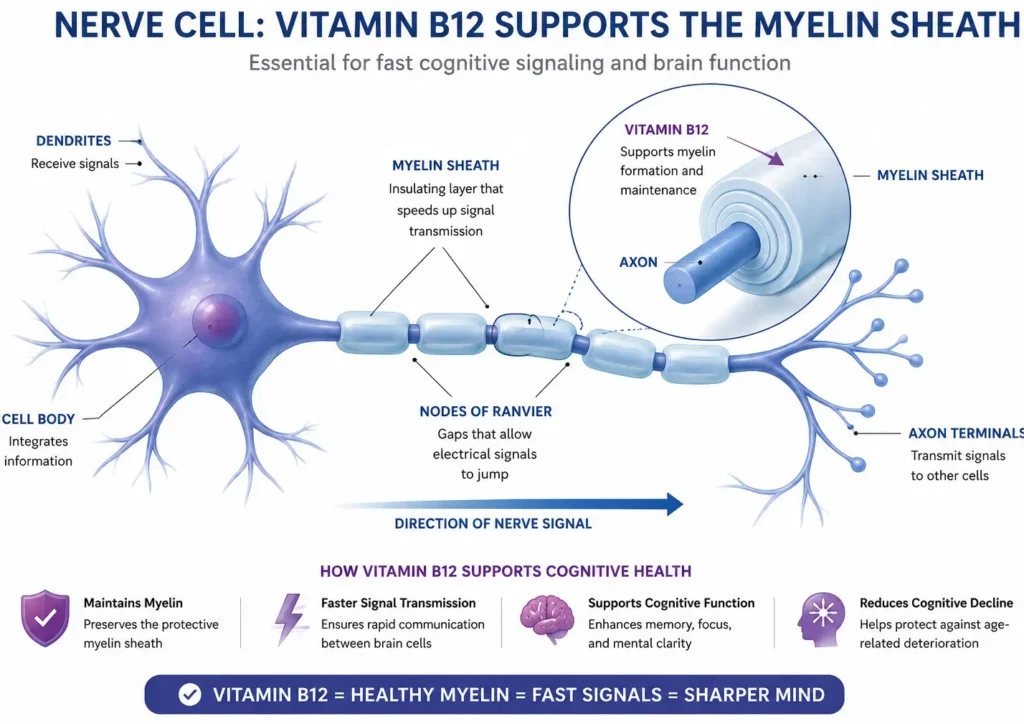
Vitamin B12 is the biggest culprit. A study by Imperial College London CHARIOTPRO, 2024, found that 17.2% of cognitively healthy adults aged 60 to 85 were B12-deficient. Low B12 was directly linked to poorer memory and attention scores. B12 is essential for keeping your nerve cells healthy and for producing the myelin sheath that wraps around nerve fibers.
When B12 is low, nerve signals slow down. And your thinking slows down with them. The tricky part: you can eat B12-rich foods and still not absorb enough if your gut isn’t working properly.
5. Digestive problems are driving systemic inflammation

Chronic constipation. Bloating that never fully goes away. These aren’t just uncomfortable. They feed inflammation throughout your body. When the gut is regularly stressed by these conditions, it triggers a sustained immune response. That immune response raises inflammatory markers in your bloodstream. Those markers can cross the blood-brain barrier.
Researchers recognize a specific pattern now called IBS brain fog, a cognitive dulling that tracks closely with gut symptoms. It’s not in your head. It’s in your gut first.
The Aging Microbiome: What Exactly Changes After 50?
The gut microbiome is not static. It changes throughout your life. In your 20s and 30s, it’s relatively stable and diverse. Diversity is the keyword. A healthy gut has hundreds of different species of bacteria, each playing a different role. After 40, that diversity starts to drop.
A systematic review published in the International Journal of Molecular Sciences found that microbiome changes associated with healthy aging typically begin in mid-life, around 40 to 50 years old. These changes come with a measurable shift in blood chemistry, meaning they’re not just microscopic; they show up in your bloodwork.
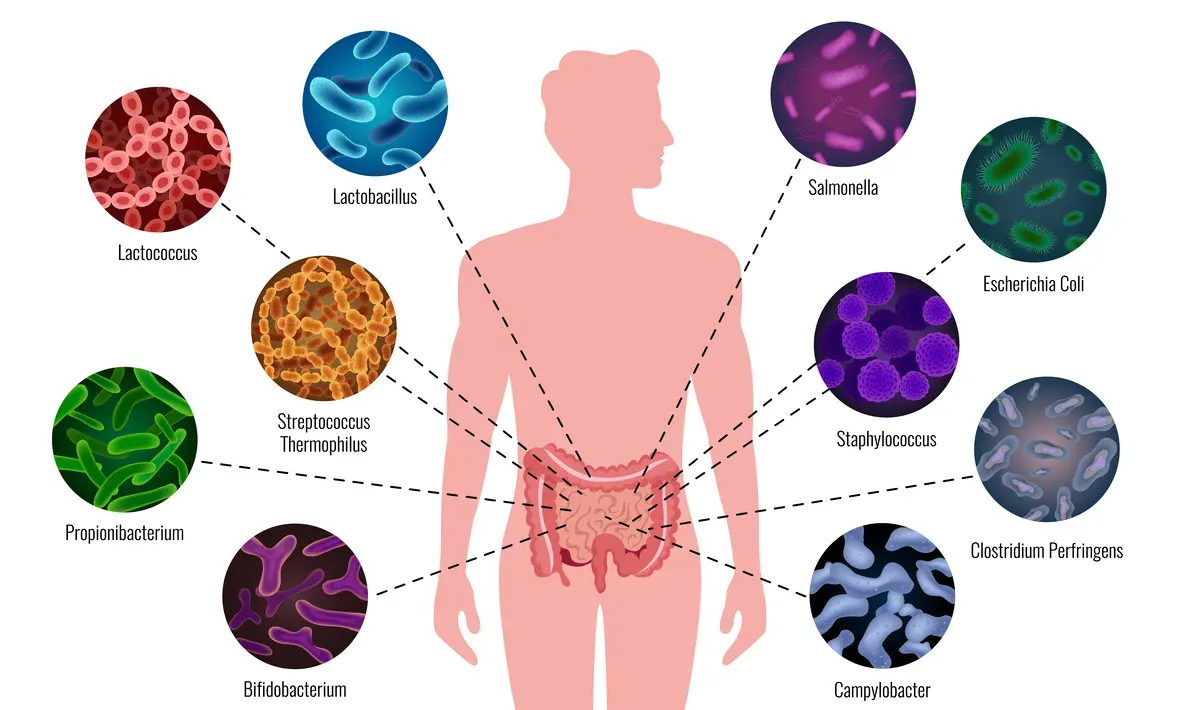
By your 50s and 60s, the shift is more pronounced:
- Bifidobacterium populations protective, anti-inflammatory decline
- Pro-inflammatory bacterial species increase
- Short-chain fatty acid SCFA production drops, and SCFAs are the compounds that protect your blood-brain barrier and fuel brain health
For women, menopause adds another layer. Estrogen supports Lactobacillus species in the gut. When estrogen levels drop after menopause, those species decline as well, weakening the gut barrier and increasing inflammation. A 2025 ScienceDirect review confirmed this link directly to cognitive decline risk.
And the damage compounds. Poor diet accelerates microbiome decline. Antibiotics, which many people take more frequently after 50, wipe out large populations of beneficial bacteria. Chronic stress, reduced exercise, and disrupted sleep all worsen the problem.
When to See a Doctor About Brain Fog and Gut Health
Some brain fog is a signal your body can send you to change direction. Some brain fog is a signal to see a professional right away.
See your doctor if:
- Brain fog has lasted more than 3 months and isn’t improving
- You’re experiencing significant memory loss, not just occasional forgetfulness
- You have unexplained weight loss, extreme fatigue, or new neurological symptoms alongside the fog
- Your brain fog is getting progressively worse
When you go, consider asking specifically for:
- Serum B12, MMA, and homocysteine: a complete B12 status panel
- CBC complete blood count: checks for anemia and inflammation markers
- Thyroid panel TSH, free T3, free T4: thyroid issues mimic gut-related brain fog
- Zonulin test: a marker for intestinal permeability available through functional medicine practitioners; not always offered by general GPs
- Stool microbiome tests: companies like Viome offer consumer-level options, but clinical-grade tests through a practitioner are more reliable

Not every GP will order all of these proactively. That’s normal. You may need to ask directly. If your doctor dismisses persistent cognitive symptoms without investigation, a second opinion is reasonable.
Conclusion
Brain fog after 50 is common. It is not inevitable. The gut-brain axis is real, well-researched, and highly responsive to the choices you make every day. Gut dysbiosis, leaky gut, reduced neurotransmitter production, B12 malabsorption, and IBS-related inflammation are five specific, correctable mechanisms that drive cognitive fog, and all five can be addressed through diet, lifestyle, and targeted supplementation.
You don’t have to fix everything at once. Start with one thing this week. Add one fermented food to your daily meals. Or book a B12 test with your doctor. Or go for a 30-minute walk every morning for the next two weeks. Small, consistent changes to gut health, brain fog after 50 can shift your mental clarity faster than most people expect because the gut is one of the most changeable systems in your body.
⚠️MEDICAL DISCLAIMER
This article is for informational purposes only. It does not replace medical advice, diagnosis, or treatment. The information covers [brain fog, cognitive function, hormonal shifts (estrogen and testosterone), metabolism, inflammation (inflammaging), sleep architecture, gut-brain axis, vagus nerve, gut bacteria (dysbiosis), leaky gut (intestinal permeability), lipopolysaccharides (LPS), neurotransmitter production (serotonin and dopamine), nutrient absorption, Vitamin B12 deficiency, digestive issues (constipation and bloating), and microbiome diversity]. Individual results vary based on age, health status, and fitness level.
Before changing your exercise routine, diet, or supplement use, talk to your doctor or a qualified health professional first. If you experience chest pain, dizziness, severe joint pain, or any sudden symptom during or after exercise, stop immediately and seek medical care.