You used to shake off a cold in 3 days. Now it’s week two, and you’re still dragging yourself to work. You’re not imagining it. You’re not being weak. Something real has changed, and it’s happening inside your cells. Most people blame it on getting older and leave it at that. But there’s a specific biological reason your body takes so long to recover.
And once you understand it, you can actually do something about it. Why your immune system slows down after 50, what zombie cells are doing inside your body right now, and five science-backed steps you can start this week.
This isn’t doom and gloom. It’s biology, and biology responds when you treat it right.
What Actually Changes Inside Your Body After 50?
Your immune system doesn’t break down overnight. It slows down gradually, in ways that are hard to notice until one bad cold turns into three weeks of misery.
Your immune cell supply drops. Your body makes two major types of immune cells: T-cells and B-cells. T-cells attack infected cells directly. B-cells make antibodies to tag and destroy pathogens.
Both are critical for fighting illness and recovering fast. After 50, your body produces fewer of both. Why? It starts with a small gland called the thymus.
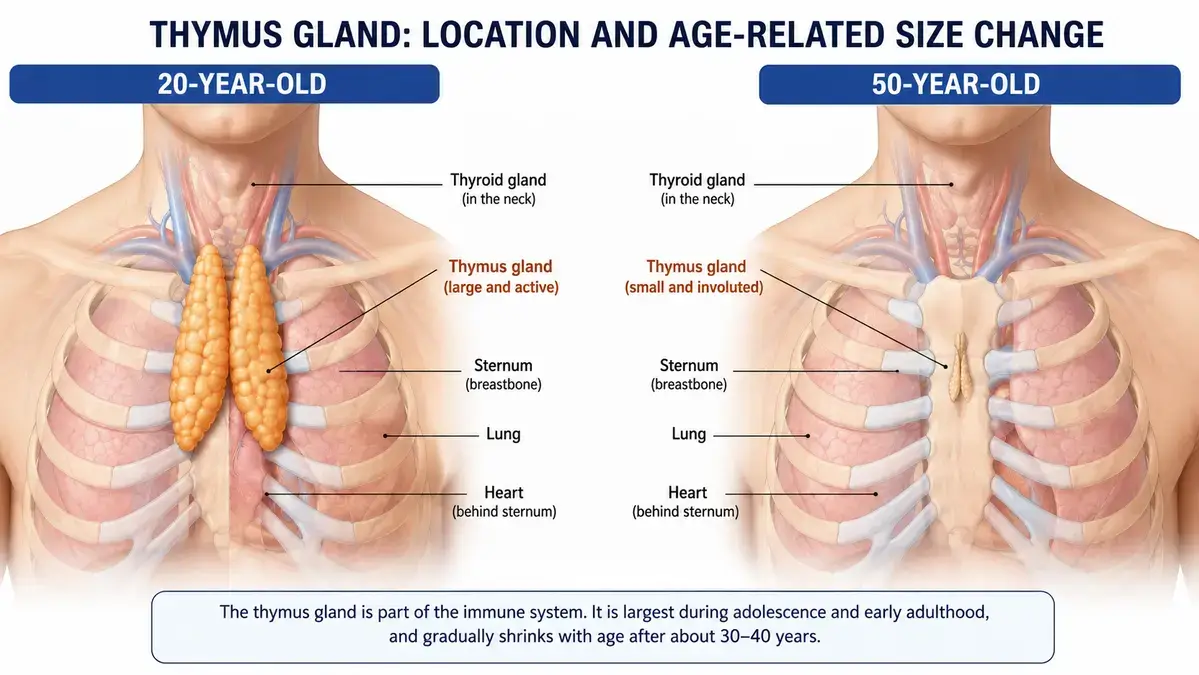
The thymus sits in your chest and trains T-cells. By the time you hit 50, the thymus has shrunk to a fraction of what it was in your 20s. Fewer T-cells graduate. Your immune army gets smaller every year.
Your bone marrow, where B-cells are made, also slows down its output with age.
Your cleanup crew gets slower. After your immune system fights off a virus, macrophages, your body’s cleanup cells, sweep up the mess: dead cells, viral debris, waste products. Think of them as the sanitation workers after a big storm.
After 50, macrophages get slower at this job. The debris lingers. Your immune system stays on alert longer than it should, burning resources that could go toward actually healing you.
The numbers back this up. By age 65, up to 80% of U.S. adults have at least one chronic condition, according to data reported by National Geographic. That’s not a coincidence.
Years of an overworked, declining immune system leave the body vulnerable. This immune slowdown has a name: immunosenescence. It literally means immune aging.
And while you can’t stop it completely, you can slow it down, which matters more than most people realize. The decline in immune cells is only part of the story, though.
Zombie Cells: The Hidden Signal Slowing You Down
Some of your cells stop working, but they don’t die. Scientists call these senescent cells. A better name? Zombie cells.
Every cell in your body has a lifespan. When a cell gets old, damaged, or stressed, it’s supposed to shut down and self-destruct in a clean, controlled way. That process is called apoptosis, and it keeps your tissues healthy and functional.
But some cells don’t follow that plan. Instead of dying, they freeze. They stop dividing. They stop doing their job. They just sit there.
And they’re not quiet about it. Senescent cells leak a cocktail of inflammatory chemicals into the tissue around them. This is called the senescence-associated secretory phenotype, or SASP. Think of it as a distress signal that never turns off.
These chemicals don’t just cause local damage. They signal neighboring healthy cells to slow down, age faster, and in some cases, become senescent themselves. It’s a slow chain reaction.
The result: your tissues repair more slowly. Your immune response becomes less precise. Recovery from illness drags on.
Your body does have a system for clearing senescent cells. Your immune system is supposed to find them and remove them. But as you age, that clearing process becomes less efficient. Zombie cells accumulate faster than they can be removed.
Research published in Oxford Academic’s Age and Ageing journal confirms that senescent cells are present in aging human tissue and are now recognized as a genuine driver of age-related disease, not just a side effect of getting older, but an active cause of decline.
Inflammaging: Your Immune System Stuck in Neutral
Inflammation is not the enemy. When you cut your finger, inflammation is what rushes blood and immune cells to the wound to start the repair process. It’s fast, targeted, and temporary. That’s healthy inflammation doing its job.
Inflammaging is something different entirely. Inflammaging is a chronic, low-grade inflammation that builds up with age.
It runs in the background all the time, like a car engine idling too high. It’s not fighting any specific infection. It’s just on. Always on.
The term inflammaging was coined in 2000 and is now widely studied. According to Harvard Health, citing a major study in Nature Medicine, inflammaging is estimated to affect 35% of American adults.
It contributes to more than half of all deaths worldwide by driving age-related diseases like heart disease, cancer, and diabetes.
Think of your immune system as a fire department. Healthy inflammation means your firefighters respond fast, put out the fire, and go back to the station. Inflammaging means your firefighters are always out driving around, half-exhausted, responding to a hundred tiny false alarms.
When a real fire or an actual infection starts, they’re already worn out. The response is slower. Recovery takes longer.
There’s also a fuel problem. Chronic inflammation burns through immune resources, nutrients, energy, and immune cells around the clock. When you get sick, your body has fewer reserves to draw from.
Three More Reasons Your Recovery Drags
Zombie cells and inflammaging get most of the attention. But three other biological changes are also slowing you down after 50.
1. Your cellular power plants get weaker
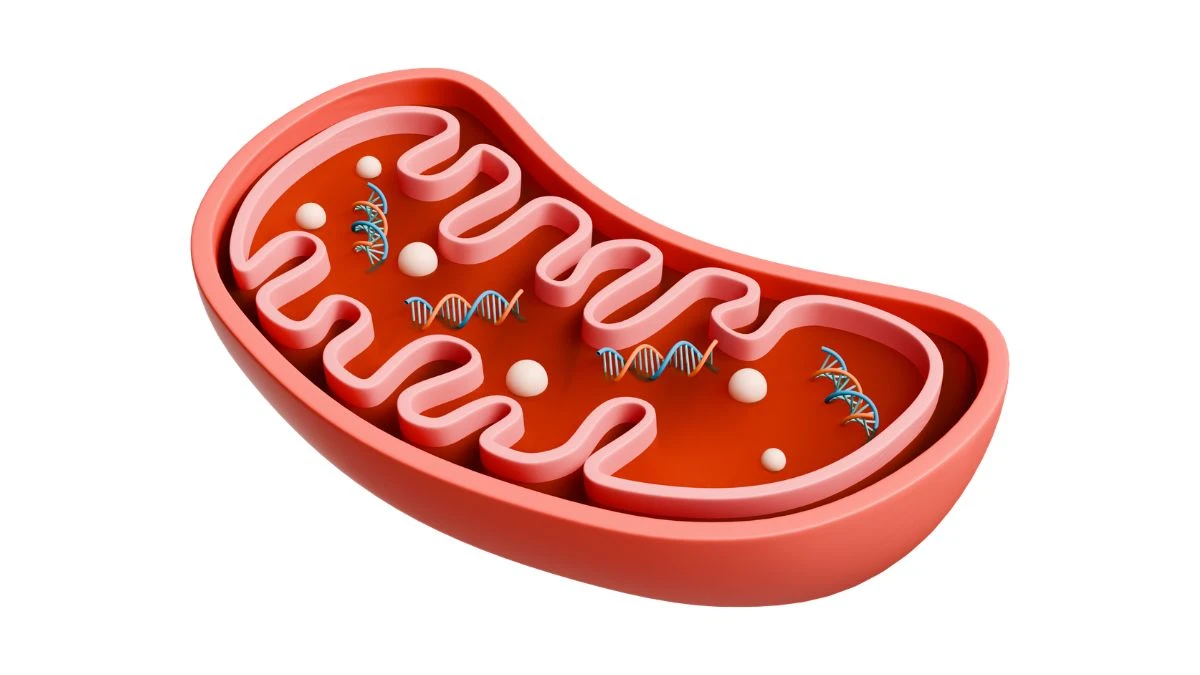
Every cell in your body runs on energy produced by mitochondria. Mitochondria take nutrients and oxygen and convert them into ATP, the fuel your cells actually use for everything, including tissue repair and immune response.
After 50, mitochondria become less efficient. They produce less ATP and more cellular waste. Repairing damaged tissue after an illness requires a lot of energy. When your power plants are running at 70% capacity, the repair timeline stretches out.
2. Your body’s repair crew shrinks
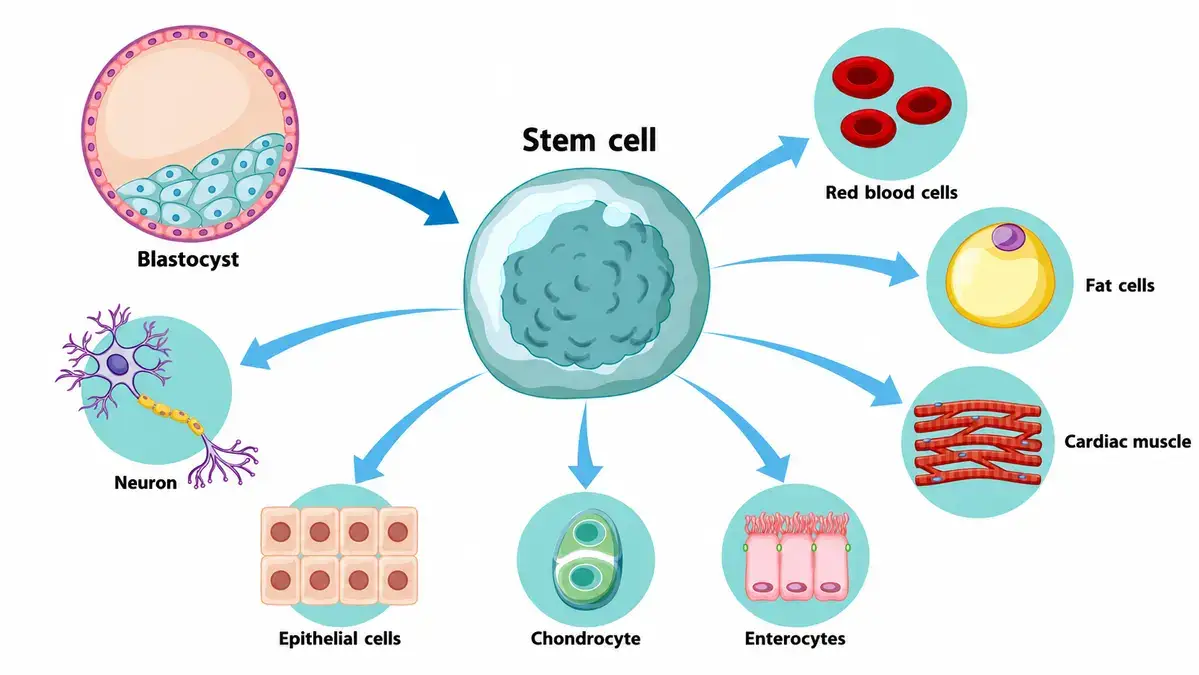
Stem cells are your body’s emergency repair team. They can transform into the specific type of cell that’s needed to fix damaged tissue, whether that’s muscle cells, immune cells, or gut lining. With age, your stem cell supply declines.
The ones that remain become less responsive and less efficient. This is called stem cell exhaustion, and it’s one reason tissue repair after illness takes longer as you age. You simply have fewer dedicated repair cells to do the job.
3. Your muscles resist rebuilding
When you’re sick, you’re often less active. Your muscles begin to break down faster than usual. After recovery, rebuilding them is harder after 50 because of a process called anabolic resistance.
Younger adults rebuild muscle protein efficiently after a period of inactivity. Older adults need more stimulus, more protein, more movement to achieve the same result.
This is why post-illness fatigue and weakness can linger for weeks in people over 50, even after the infection itself is gone.
Together, these three factors weakened mitochondria, depleted stem cells, and anabolic resistance, stacking on top of zombie cells and inflammaging. That’s the full picture of why recovery is slower. And now, here’s what you can do about it.
What You Can Actually Do: 5 Evidence-Backed Steps
The biology is real. But it is not a life sentence. Each of these steps has direct scientific support. None of them requires a prescription. You can start this week.
1. Protect your deep sleep — that’s when your cells actually repair
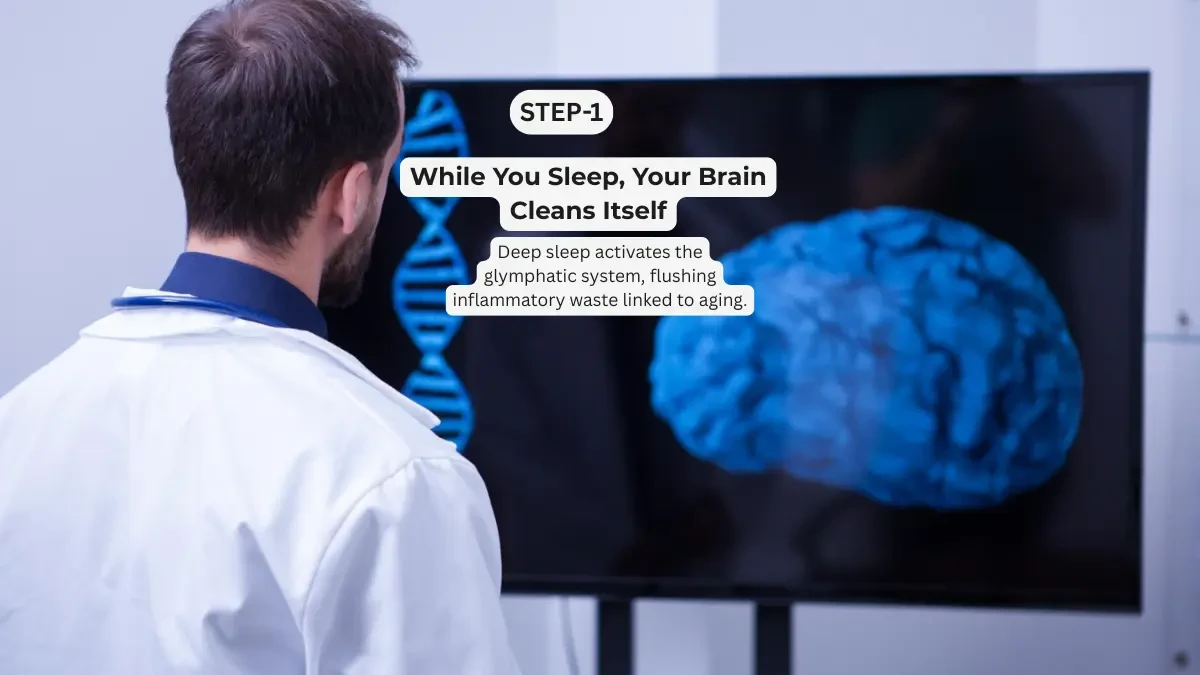
Sleep is not passive rest. During deep, slow-wave sleep, your body releases growth hormone, clears inflammatory waste from the brain, and runs cellular repair processes that simply don’t happen while you’re awake.
After 50, deep sleep becomes harder to get. But it becomes more important, not less.
Poor sleep raises inflammatory markers like IL-6 and CRP, the same ones tied to inflammaging. Practical steps: go to bed at a consistent time, keep your room cool and dark, cut alcohol, which fragments deep sleep even if it helps you fall asleep, and avoid screens for 30 minutes before bed.
When you’re sick, sleep should come before almost everything else.
2. Check your vitamin D level — and fix it if it’s low

Vitamin D is not just a bone health nutrient. It plays a direct role in immune function, inflammation control, and mitochondrial repair.
A 2025 randomized trial, the VITAL study, published in the American Journal of Clinical Nutrition, followed about 1,000 adults aged 50 and older for four years.
Those who took 2,000 IU of vitamin D3 daily showed cellular aging markers suggesting they were aging more slowly than those who did not supplement. Harvard Health reported on this in September 2025, calling it potentially the closest thing we have to an anti-aging pill.
Ask your doctor for a 25-hydroxyvitamin D blood test. Many adults over 50 are deficient without knowing it. Don’t supplement blindly; get your number first, then work with your doctor on the right dose.
3. Eat to cool your immune system down
You can’t eat your way out of aging. But you can eat in a way that actively reduces inflammaging, and that directly shortens recovery time. The Mediterranean diet has the strongest evidence here. It emphasizes colorful vegetables and fruits rich in antioxidants.
That neutralize inflammatory compounds, fatty fish like salmon and sardines high in omega-3s, which reduce inflammatory cytokines, olive oil, which contains oleocanthal, which has anti-inflammatory properties similar to ibuprofen at low doses, and whole grains, legumes, and nuts.
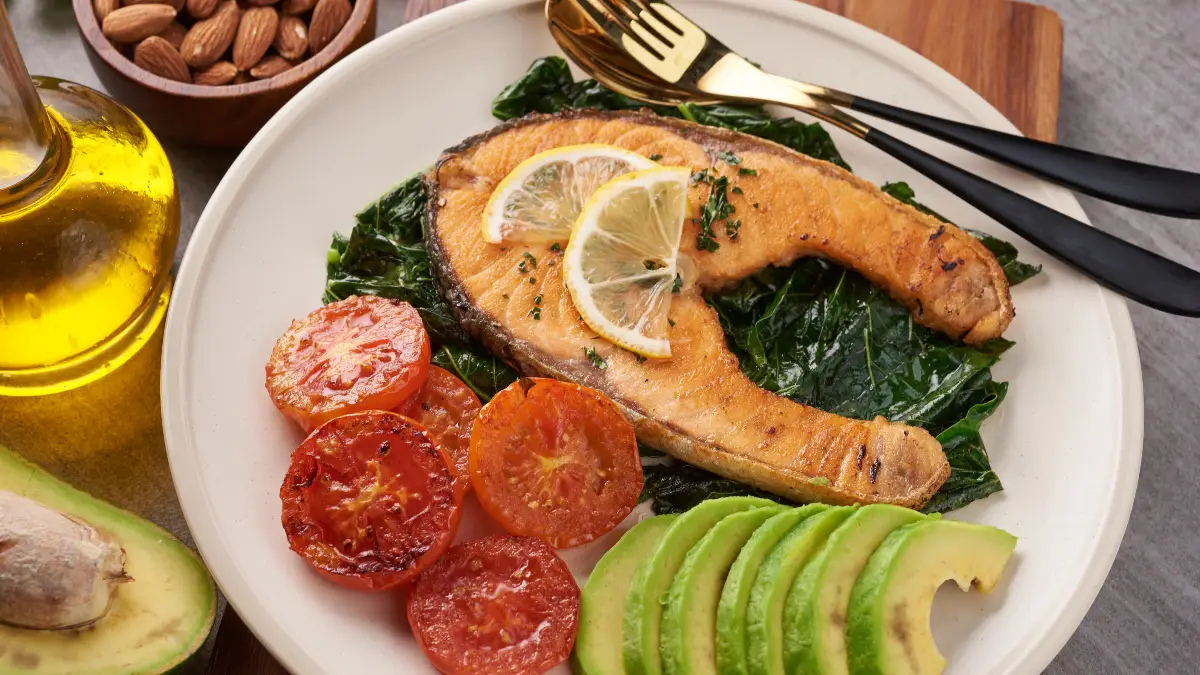
Cut back on ultra-processed foods, added sugars, and refined carbohydrates. These directly raise CRP and IL-6, your inflammatory fire-starters. This isn’t about perfection. It’s about shifting the balance.
4. Move gently — even when you feel rough

This one surprises people. Bed rest is right for the acute phase of illness. But staying completely still for days or weeks slows recovery by starving your lymphatic system.
Here’s why that matters: your lymphatic system drains the cellular debris from your tissues after an illness. But unlike your circulatory system, your lymphatic system has no pump.
It relies on muscle movement to circulate lymph fluid. Short, gentle walks, even 10 to 15 minutes, help circulate both immune cells and lymph fluid. This speeds up the debris-clearing process that slows down so much after 50.
Start moving as soon as you’re able to do so comfortably. Active recovery doesn’t mean pushing through; it means gentle, consistent movement.
5. Manage stress — cortisol is an immune suppressant
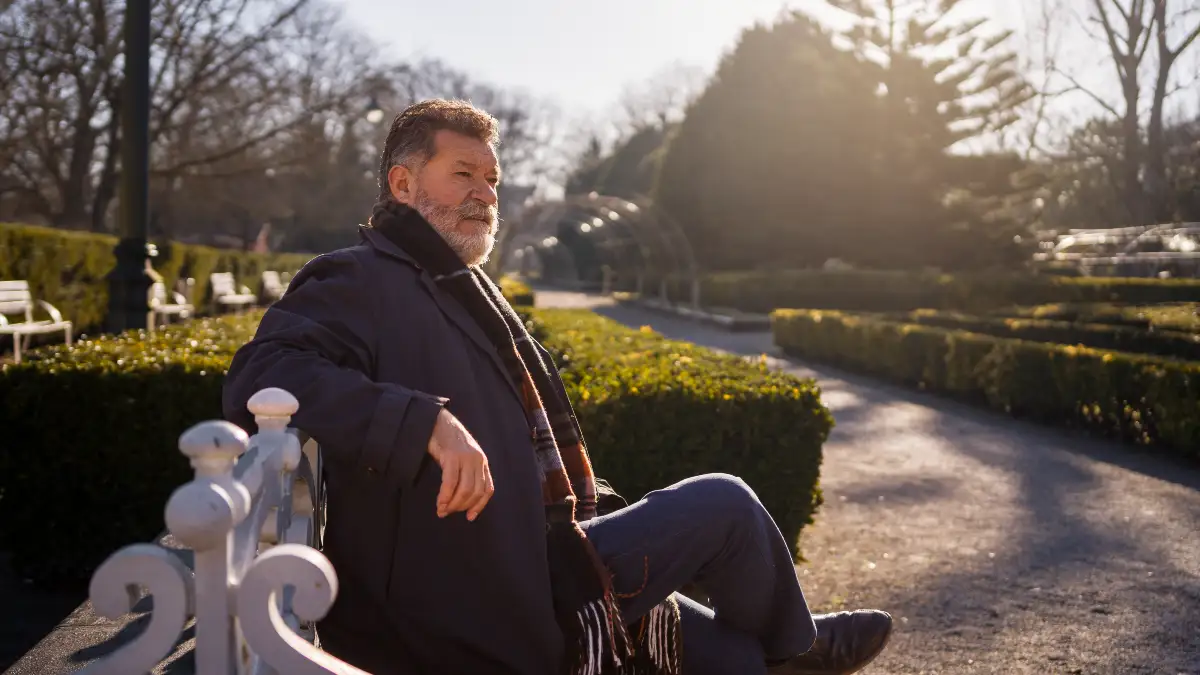
Chronic stress keeps cortisol elevated. Cortisol suppresses immune function directly; it reduces the production of immune cells and damps down the inflammatory response your body needs to fight illness.
This creates a frustrating loop: you get sick, you stress about being sick and falling behind, your stress hormone stays high, and your immune system can’t work at full capacity.
Practical stress management doesn’t have to mean meditation, though that works. It can mean: setting a boundary around work during illness, asking for help, spending 20 minutes outside, or simply permitting yourself to rest without guilt.
Research from Cornell University was published in 2025 in the journal Brain. Behavior and Immunity found that strong social connections slow the biological aging process by reducing chronic, low-grade inflammation. Connection and stress relief aren’t soft advice; they’re biology.
Conclusion
Slower illness recovery after 50 is not weakness. It’s not laziness. It’s biology specifically, zombie cells leaking inflammatory signals, your immune system stuck in a low-grade state of alarm, and a decline in the cellular machinery your body needs to repair itself. But biology responds to how you treat it.
You don’t need to do all five steps at once. Start with one. This week, ask your doctor to check your vitamin D level. Or add a 10-minute walk on the days you feel well enough to move. Understanding why illness recovery slows after 50 is the first step to changing it. The second step is starting today, with one thing.
⚠️MEDICAL DISCLAIMER
This article is for informational purposes only. It does not replace medical advice, diagnosis, or treatment. The information covers immune system aging (immunosenescence), T-cells and B-cells, thymus and bone marrow function, macrophage efficiency, chronic conditions, senescent (zombie) cells, apoptosis, SASP (inflammatory signals), inflammaging, heart disease, cancer, diabetes, mitochondrial efficiency (ATP production), stem cell exhaustion, anabolic resistance and muscle rebuilding, deep sleep and growth hormone, vitamin D supplementation.
Mediterranean diet, omega-3s, ultra-processed foods, lymphatic system circulation, and cortisol/stress management. Individual results vary based on age, health status, and fitness level. Before changing your exercise routine, diet, or supplement use, talk to your doctor or a qualified health professional first. If you experience chest pain, dizziness, severe joint pain, or any sudden symptom during or after exercise, stop immediately and seek medical care.