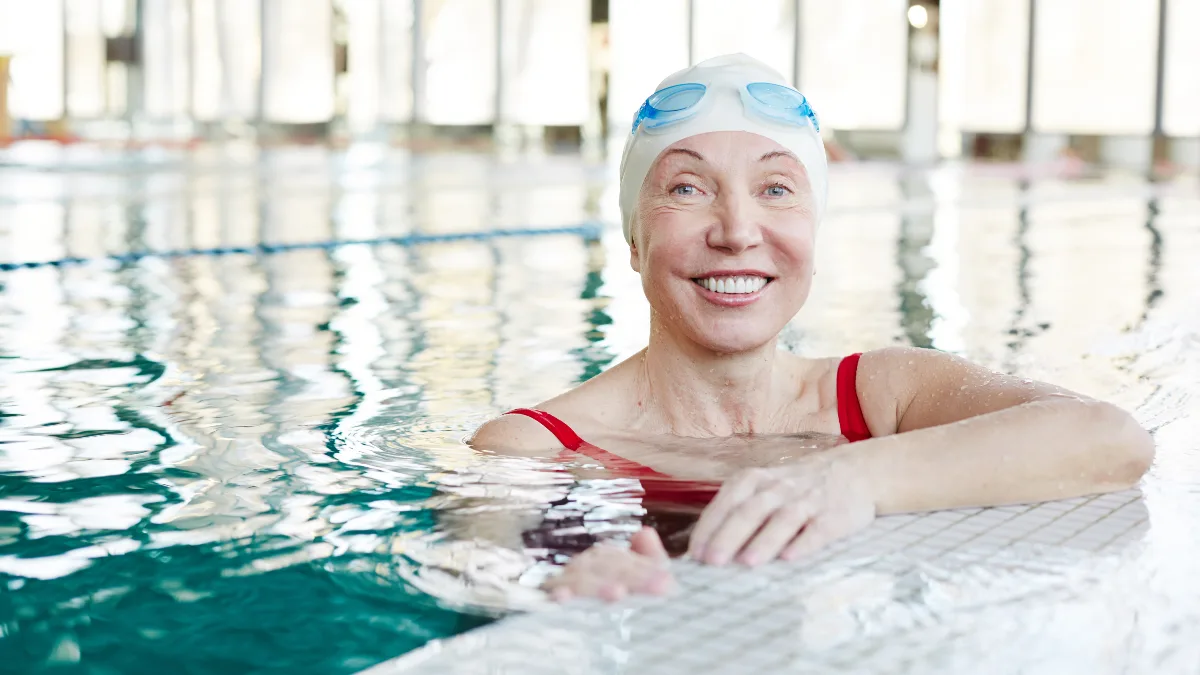
Every step down the stairs feels like a warning. Your knees ache when you stand up from the couch. You used to walk every morning, but now even that feels risky. You’re not falling apart. But you are dealing with something that affects millions of people over 50. And the frustrating part? Most advice tells you to stay active without telling you how to do that when moving hurts.
Stopping exercise often makes knee pain worse, not better. Your joints need movement to stay healthy. But high-impact exercise, running, jumping, even walking on hard pavement, can make things worse. That’s where swimming comes in.
Why water is so good for painful knees, which exercises actually help, which one to avoid breaststroke, and we’ll explain why, and how to get started even if you haven’t swum in years. Everything here is backed by real research from 2024 and 2025. No guesswork. No hype.
Why Knee Pain Gets Worse After 50 — And Why Rest Isn’t the Answer?
If your knees hurt, you’re not alone. This is not a personal failure. It’s one of the most common health problems in the world. About 607 million people globally were living with osteoarthritis in 2021, according to the Global Burden of Disease Study. That number is rising fast. From 1990 to 2021, osteoarthritis cases among middle-aged adults increased by 123.7%.
The knee is the most affected joint. Around 37% of adults over 60 show signs of knee osteoarthritis on X-rays, even if they don’t all feel symptoms yet. And according to the WHO, 73% of people with osteoarthritis are over 55. So why does it get worse after 50?
A few reasons. Cartilage, the cushioning in your knee, thins with age. Muscles that support the knee weaken. Weight shifts and puts more pressure on the joint. Small injuries from decades of use add up. Here’s the part that surprises most people: rest makes it worse.
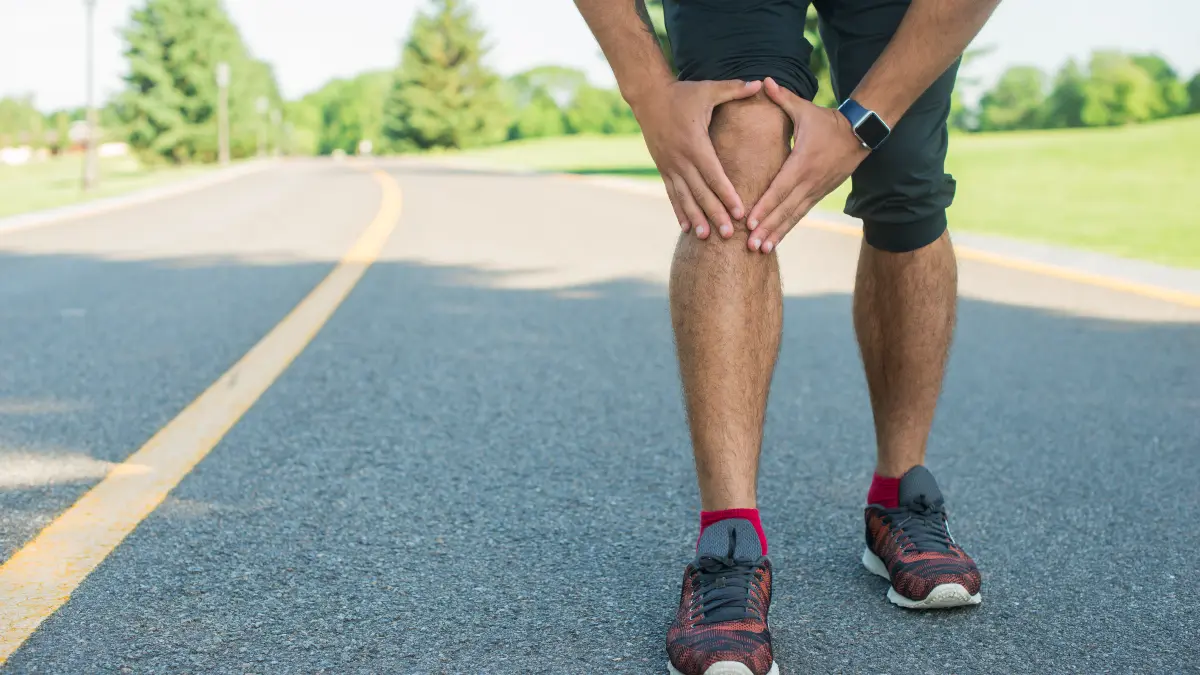
When you stop moving, the muscles around your knee get weaker. Weak muscles mean less support for the joint. Less support means more pain. It becomes a cycle that’s hard to break. The right answer is movement, but it has to be the right kind. High-impact exercise like running puts enormous pressure on the knee joint. That’s where most people get stuck.
How Water Protects Your Knees While You Move?
This is the part most people don’t know. Water doesn’t just make exercise easier. It actually changes the physics of how your body works.
Here’s what happens the moment you step into a pool.
1. Your body weight nearly disappears.
In chest-deep water, your joints carry about 40% of your normal body weight. In neck-deep water, that drops to just 10%. That means up to 90% of the pressure that normally pushes down on your knees is gone.
Think about what that means. If you weigh 180 pounds, your knees feel like they’re carrying 18 pounds. You can walk, kick, and move without the usual pain and grinding.
2. Water pressure reduces swelling.
Water pushes against your body from all sides. This gentle pressure acts like a compression bandage on your joints. It helps reduce swelling and gets blood moving through the area. Better circulation means faster recovery and less stiffness.
3. Water resistance builds muscle without strain.
When you move through water, you push against resistance in every direction. This strengthens your quadriceps, hamstrings, and hip muscles. These are the muscles that hold your knee in place. Stronger muscles mean a more stable joint, which means less pain over time.
4. Warm water relaxes your muscles.
Many therapy pools are heated to around 32–34°C (89–93°F). Warm water loosens tight muscles and reduces stiffness. If you’ve ever had a warm bath to ease your aching joints, this is the same effect, except now you’re also exercising.
5. Swimming lowers inflammation in the joint
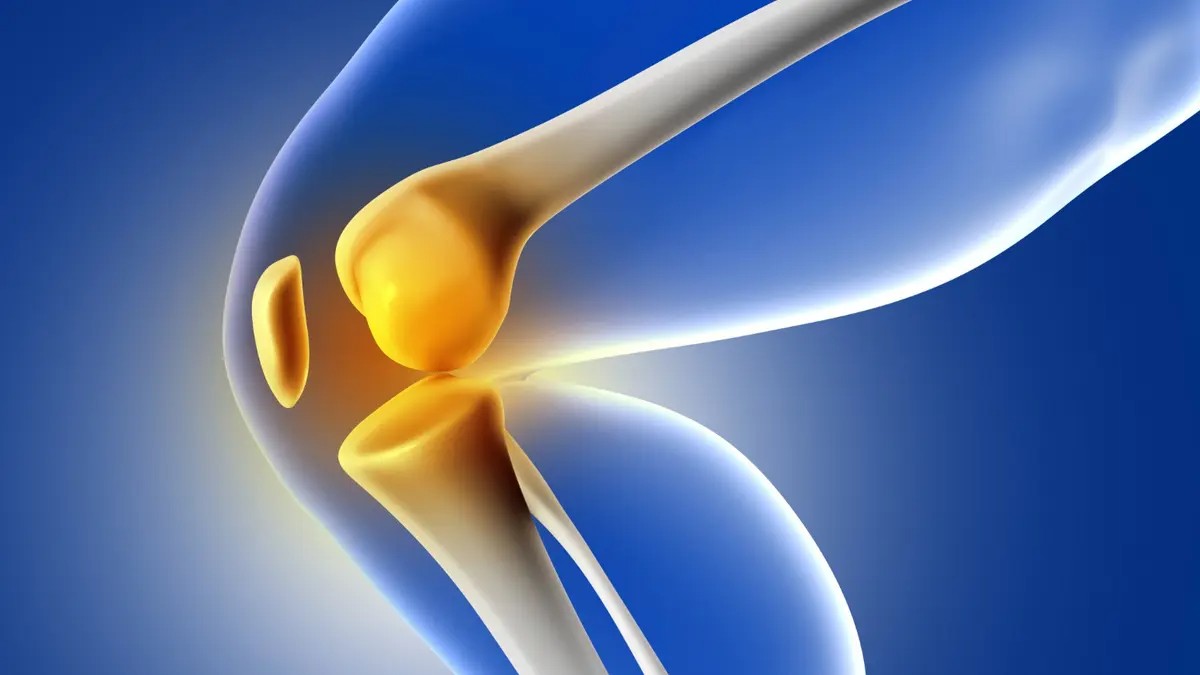
A 2024 study by Zhu et al., cited in a 2025 PMC systematic review, looked at the effect of swimming on aged joints with knee osteoarthritis. The results showed that swimming reduced inflammatory cells in the blood, improved cartilage health, and preserved the structure of the joint.
This matters because inflammation is a key driver of OA pain. Exercise that reduces inflammation rather than causing it is rare. Swimming does this.
What the Studies Actually Show (Real Numbers, Real Research)?
You may have heard that swimming is good for your knees for years. But let’s look at what the evidence actually says because the science here is stronger than most people realize. The biggest study in 2025: A landmark analysis published in The BMJ reviewed 217 randomized controlled trials conducted between 1990 and 2024, covering 15,684 participants.
Researchers compared aerobic exercise, strength training, flexibility training, and more. Low-impact aerobic exercise, including swimming, walking, and cycling, came out on top for pain relief and improved function, Harvard Health, November 2025. A head-to-head trial: The 2024 Slouma trial directly compared aquatic therapy to land-based exercise in knee OA patients.
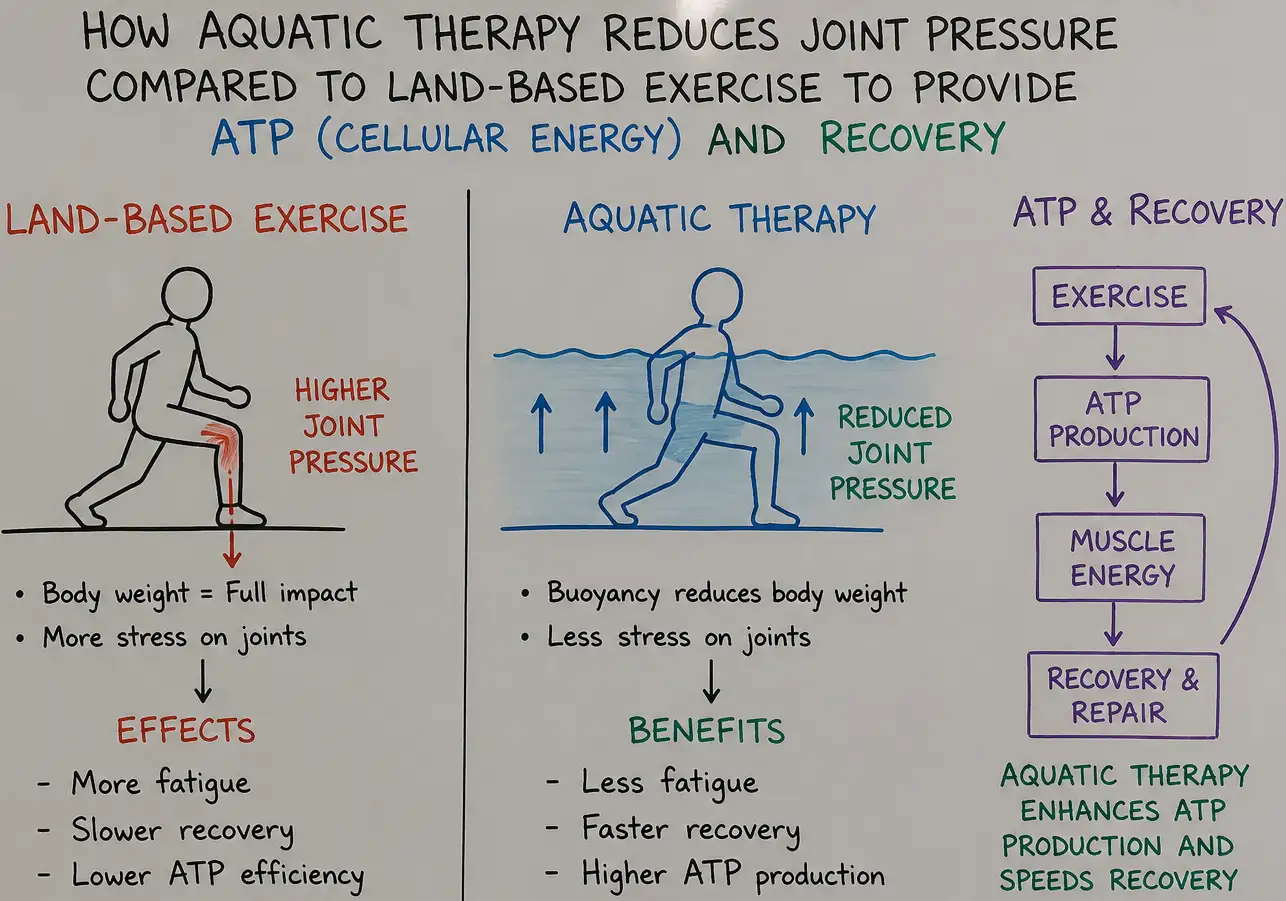
Aquatic therapy won by a wide margin. 50% pain reduction versus 17%. This wasn’t a small pilot study. It was a proper randomized controlled trial. Long-term population data: The Osteoarthritis Initiative, a major U.S. study, looked at 2,637 participants with an average age of 64. People with a history of swimming had a 36.4% rate of frequent knee pain.
Non-swimmers had a 39.9% rate. For symptomatic osteoarthritis, it was 21.9% in swimmers versus 27% in non-swimmers, a meaningful gap.
The Best Water Exercises for Bad Knees (And the One Stroke to Avoid)
Not everything in the pool helps your knees equally. The stroke you choose and how you move make a big difference. Strokes That Work: Freestyle Front Crawl: This is your best starting stroke. The flutter kick is straight and controlled. It doesn’t twist the knee joint. If you can only do one stroke, make it this one.
Backstroke: The kick pattern is similar to freestyle, straight, simple, and low-torque. It’s a good option if you find breathing in freestyle difficult. Your face stays above water the whole time. The Stroke to Avoid: Breaststroke Breaststroke uses a whip kick. Your legs sweep wide, bend deep, and snap together. For healthy knees, this is fine.
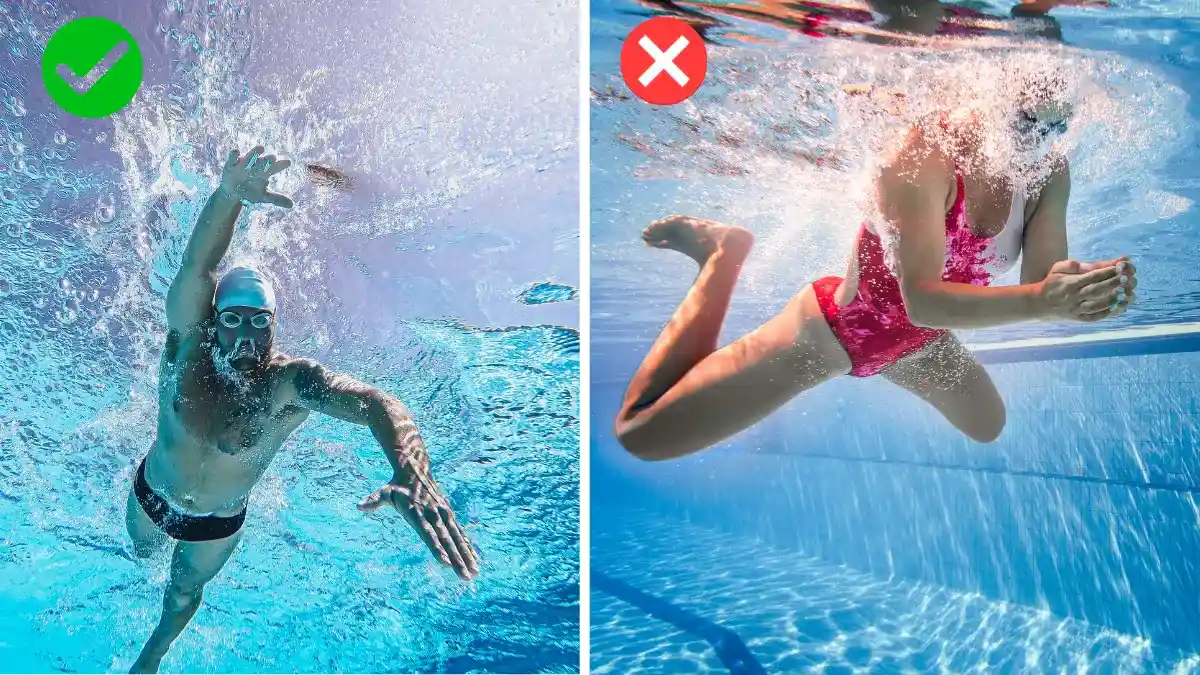
For arthritic or painful knees, this creates rotational stress that can cause a flare-up. If someone at the pool tells you to just do breaststroke, it’s the easiest; they mean well. But for knee pain specifically, avoid it at least until you’ve spoken to a physiotherapist.
Water Exercises (No Swimming Skills Required)
You don’t have to swim laps to get the benefit. These exercises work in the shallow end and are used in aquatic therapy programs worldwide.
| Hold the pool wall, raise leg forward or sideways | What to Do | Why It Helps |
|---|---|---|
| Water Walking | Walk back and forth in chest-deep water for 10–15 mins | Builds cardiovascular fitness with 60% less joint load |
| Kickboard Laps | Hold kickboard, use legs to move across the pool | Strengthens quads and hamstrings without arm strain |
| Standing Leg Raises | Hold pool wall, raise leg forward or sideways | Builds hip and quad strength that stabilizes the knee |
| Water Squats | Partial squats in waist-deep water | Buoyancy offloads weight, making this safe for most |
| Side Steps | Step sideways across the pool in chest-deep water | Strengthens inner/outer thigh muscles that support the knee |
This beginner-friendly pool routine demonstrates several of the water exercises discussed above and is designed specifically for people with arthritic knees.
Start with water walking. Do it for 20 minutes. That alone, done 2–3 times a week, delivers measurable results. Add the other exercises as you build strength and confidence.
How to Start Safely (A 6-Week Plan for Beginners)?
This is where most guides stop giving you real help. Let’s fix that. Before You Get in the Pool: Talk to your doctor first. This is especially important if you’ve had knee surgery in the past 12 months, if you have an open wound, or if you take blood thinners. Most people with knee OA can start pool exercise safely, but get clearance first if you’re unsure.
Find a heated pool. Look for community centers, YMCAs, or physiotherapy clinics with aquatic therapy programs. A pool heated to 32–34°C, 89–93°F, will feel noticeably better on stiff joints than a cold lap pool. You don’t need to know how to swim. The shallow end is enough. Everything in the exercise table above can be done standing up.
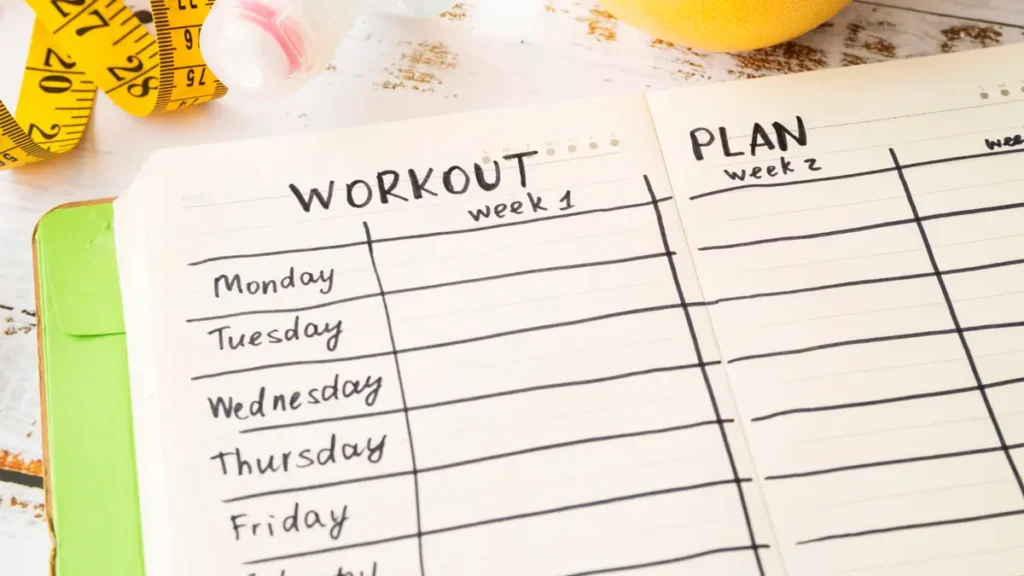
Your 6-Week Starter Plan
| Week | Sessions | Duration | Focus |
|---|---|---|---|
| 1–2 | 2x/week | 20 min | Water walking + standing leg raises |
| 3–4 | 2–3x/week | 25 min | Add kickboard laps |
| 5–6 | 3x/week | 30 min | Add freestyle or backstroke laps |
Conclusion
Knee pain after 50 is common. But it’s manageable. And you don’t have to stop moving to deal with it. Swimming and aquatic exercise are two of the most evidence-backed, low-impact options available for joint pain relief. The research from 2024 and 2025 is detailed: water reduces pain, improves function, and does it better than most land-based alternatives.
Start simple. Water walking, two sessions a week, 20 minutes each. That’s a real starting point, not a vague suggestion. Avoid breaststroke. Stick to freestyle, backstroke, and standing water exercises. Add some land-based activity once or twice a week to protect your bones.
If you haven’t been in a pool in years, this week is a good time to change that. Call your local community center or YMCA. Ask about their lap swim schedule or aqua therapy class. Start with just 20 minutes in the shallow end. Your knees need movement, not rest. Swimming for knee pain relief gives them exactly the kind of movement they can handle and the kind that actually helps.
⚠️MEDICAL DISCLAIMER
This article is for informational purposes only. It does not replace medical advice, diagnosis, or treatment. The information covers knee osteoarthritis, aquatic therapy, water exercises, swimming strokes (freestyle, backstroke, breaststroke), water resistance and buoyancy, inflammation reduction, cartilage health, muscle strengthening (quadriceps and hamstrings), and a 6-week starter exercise plan.
Individual results vary based on age, health status, and fitness level. Before changing your exercise routine, diet, or supplement use, talk to your doctor or a qualified health professional first. If you experience chest pain, dizziness, severe joint pain, or any sudden symptom during or after exercise, stop immediately and seek medical care.