

You just turned 55. Your doctor runs the tests and says everything looks normal for your age. But something has shifted. You feel it. The energy isn’t there like it was. There’s weight around your middle that wasn’t there five years ago. Your brain feels slower. Your body takes longer to bounce back. And somewhere along the way, you started telling yourself: This is just genetics.
This is just aging. There’s nothing I can do. Only 20 to 30 percent of how fast you age is written in your DNA. The other 70 to 80 percent? That’s lifestyle. And the biggest lever in that lifestyle category is what you eat.
50 accelerates the way it does, and how your grocery list has more control over your biological age than your parents ever did. By the end, you’ll have a clear list of what to add to your cart, what to cut, and a simple week-one plan to start Monday.
Why Your Body Ages Faster After 50 (And It’s Not What You Think)?
Aging doesn’t happen at the same speed every year. Scientists used to think it was a slow, steady slope. Research published in Scientific American changed that picture. Molecular damage to proteins, especially in your blood vessels and organs, doesn’t build up gradually. It spikes. There’s a sharp acceleration right around age 50.
That’s why your 50s feel different from your 40s. It’s not just in your head. But here’s the part most people miss: that acceleration isn’t locked in. According to research from the Mayo Clinic and data collected from Blue Zones populations around the world, only 20 to 30 percent of your biological aging pace is determined by genes.
The remaining 70 to 80 percent comes down to what you eat, how you move, how you sleep, and how you manage stress. Your genes write a rough draft. Your lifestyle edits it every single day. Three things are driving accelerated aging in most adults over 50.
First: inflammaging. This is chronic, low-grade inflammation that hums along quietly in your body, driven largely by diet. It’s not like an injury you can feel. It’s more like a slow leak, and it damages your joints, arteries, brain tissue, and gut lining over time.
Second: the metabolic shift. After 50, your body needs roughly 200 fewer calories per day than it did before. Most people don’t adjust. The extra calories become fat. The fat drives more inflammation. The cycle speeds up.
Third: the genetics excuse. This one is a mindset problem. When people believe aging is inevitable, they stop making choices that could slow it down.
Think about two siblings. Same parents, same childhood home, same genetic starting point. At 55, one eats a Mediterranean-style diet of fish, vegetables, legumes, and olive oil. The other lives on fast food and convenience meals. Same DNA. Measurably different biological ages. That’s not a theory.
That’s epigenetics, the science of how your choices change how your genes actually behave. Aging after 50 is real. But it’s not a sentence.
What Inflammaging Is Doing to You Right Now?
Think of your immune system as a smoke alarm. A good smoke alarm goes off when there’s danger, does its job, and resets. Inflammaging is what happens when that alarm gets stuck in the on position, not blaring, just beeping quietly, all day, every day, for years. That low-level signal is called chronic inflammation. And your diet is one of the main things keeping it switched on.
Ultra-processed foods, refined sugars, and fried foods are the biggest dietary triggers. When you eat them regularly, your immune system responds as if your body is under constant attack. Research published in PMC-indexed journals links high intake of ultra-processed foods directly to elevated biological aging markers, meaning your body’s cells are measurably older than your birth year suggests.
A 2025 study published in Nature Medicine found that people eating plant-rich diets showed younger methylation markers compared to people eating Western-style diets, regardless of how old they actually were. Methylation markers are one of the most accurate ways scientists currently measure biological age.
The damage from inflammaging isn’t abstract. It shows up in your joints as stiffness. In your arteries, as higher blood pressure. In your brain as slower thinking. In your gut, as poor digestion.
One of the fastest ways to interrupt that loop is fiber. A high-fiber diet of vegetables, legumes, whole grains, and fruit directly lowers inflammatory markers like CRP and IL-6. A low-fiber diet does the opposite. Research from Medical News Today confirms that an unhealthy diet speeds biological aging even in young adults.
At 50, those effects are compounded over decades of choices. The fastest lever you can pull to quiet that fire is sitting in your cart at the supermarket.
The Anti-Aging Grocery List — What to Put in Your Cart
Let’s make this simple. You don’t need to follow a complicated protocol. You don’t need to count macros or weigh your food. You need to know what to pick up and what to put back. Here’s what the research says, organized so you can actually use it.
ADD These to Your Cart
Fatty Fish — Salmon, Sardines, Mackerel
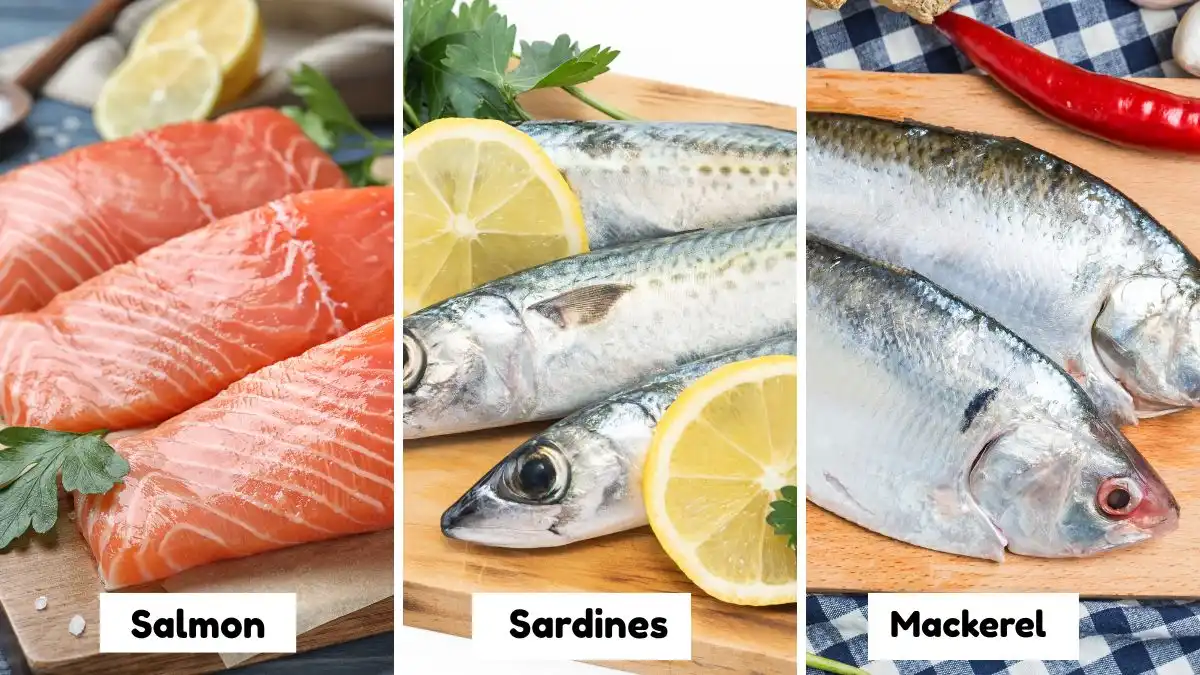
Omega-3 fatty acids reduce oxidative stress, which is the cellular damage that drives aging at the molecular level. Aim for 2 to 3 servings per week. Canned sardines count. Frozen salmon counts. This doesn’t need to be expensive.
Dark Leafy Greens — Spinach, Kale, Arugula
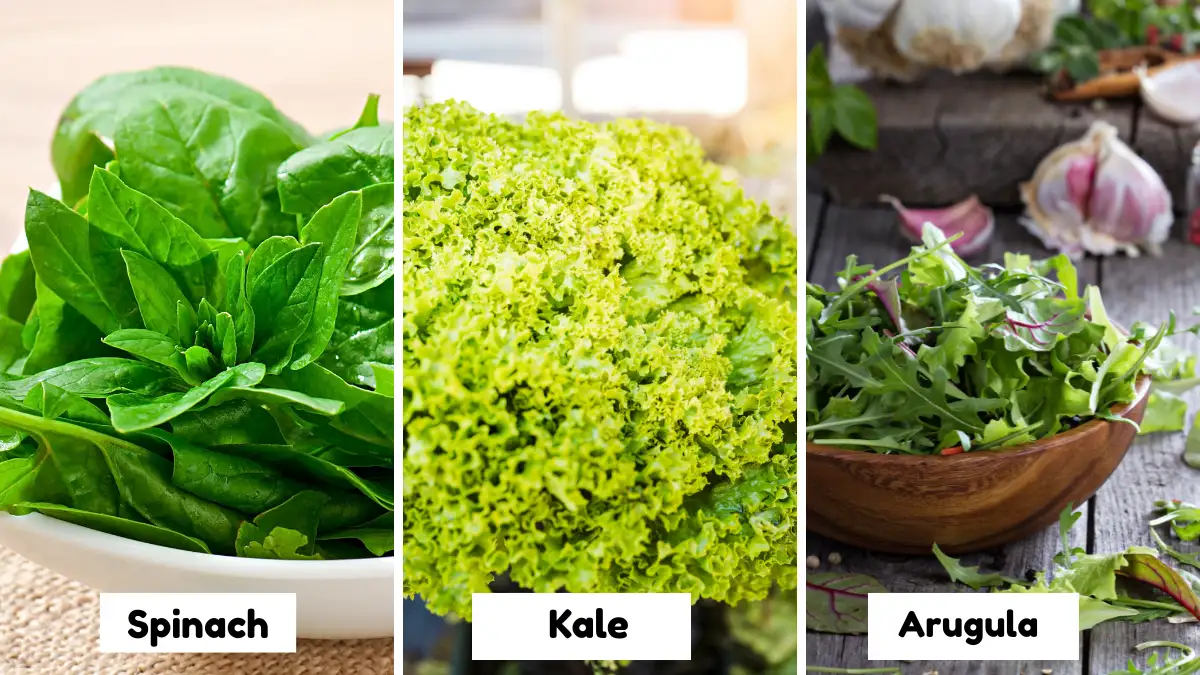
These are loaded with folate, Vitamin K, and antioxidants that protect your brain and cardiovascular system. The goal is one serving per day. Add them to eggs. Throw them in a wrap. Drop a handful into a smoothie.
Legumes — Lentils, Chickpeas, Black Beans
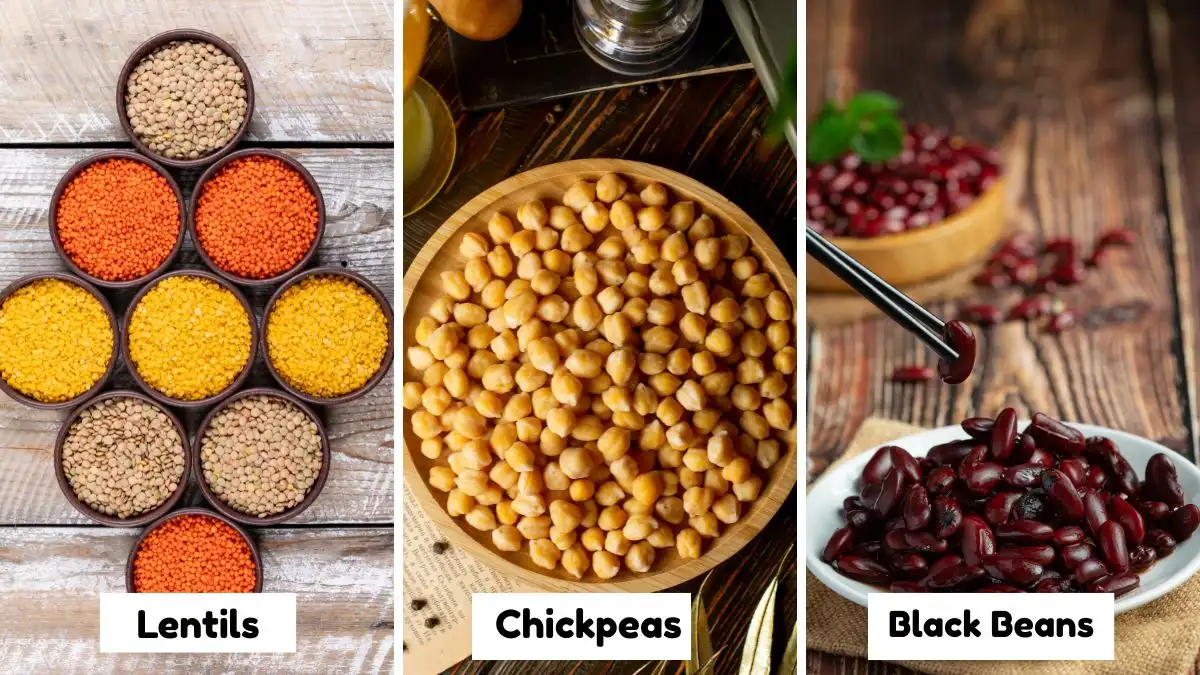
Every Blue Zones population, the people who live the longest on earth, eat legumes daily. They are high in fiber, high in plant protein, and deeply anti-inflammatory. A cup of lentil soup at lunch does more for your biological age than most supplements.
Berries — Blueberries, Strawberries

Berries are among the most antioxidant-dense foods available. Regular consumption is linked to slower cognitive decline. Frozen berries are just as effective as fresh and far cheaper.
Extra Virgin Olive Oil
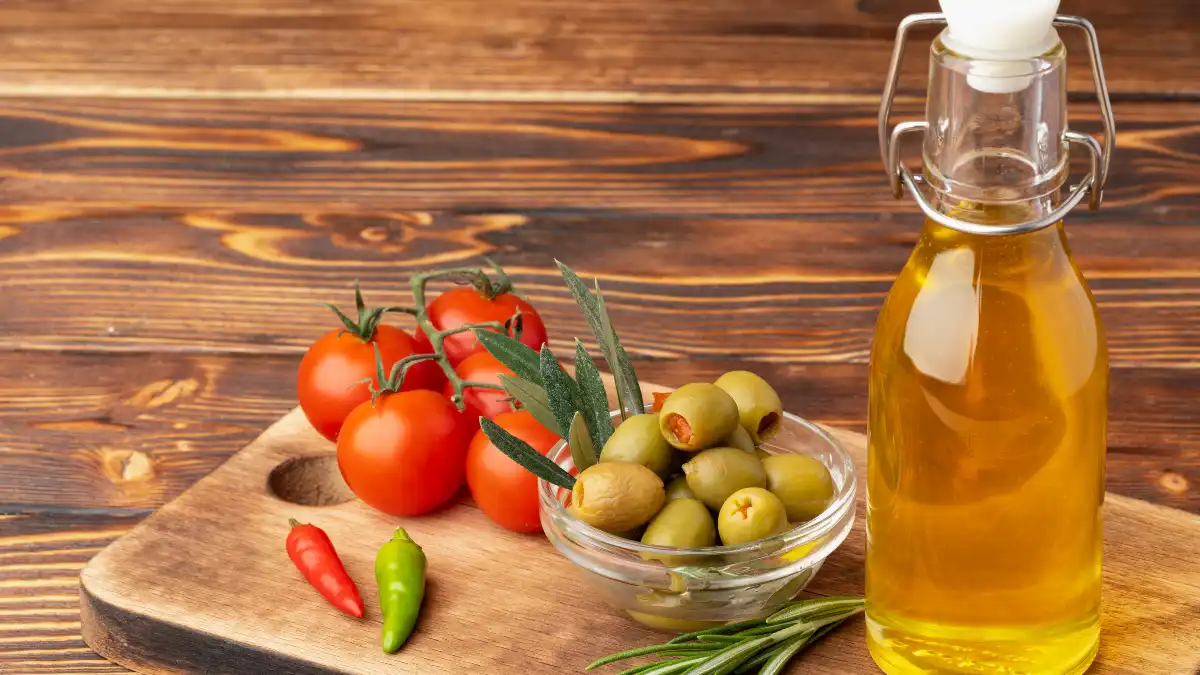
The active compound in olive oil, oleocanthal, has anti-inflammatory properties comparable to a low dose of ibuprofen. It’s the cornerstone of the Mediterranean diet for a reason. Use it instead of butter or vegetable oil.
Nuts — Walnuts, Almonds
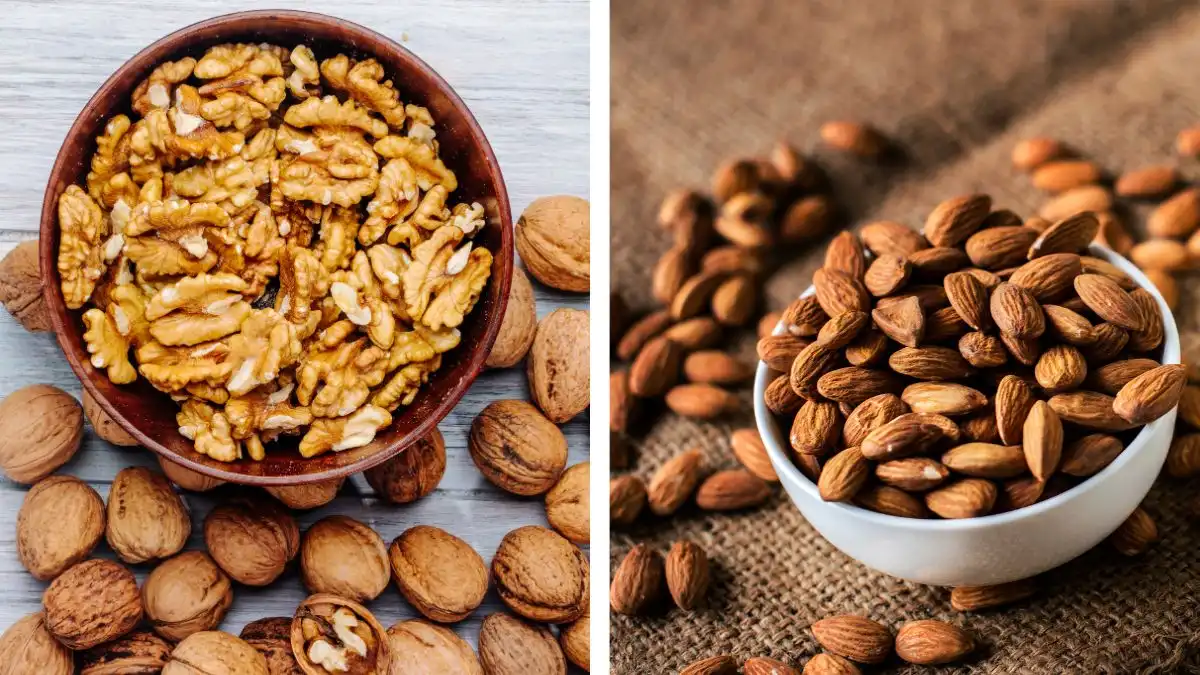
Walnuts specifically have been linked to reduced biological aging markers in research. A small handful per day is enough. They contain healthy fats and polyphenols that support brain and heart health.
B12 Sources — Fortified Foods, Nutritional Yeast, Supplements
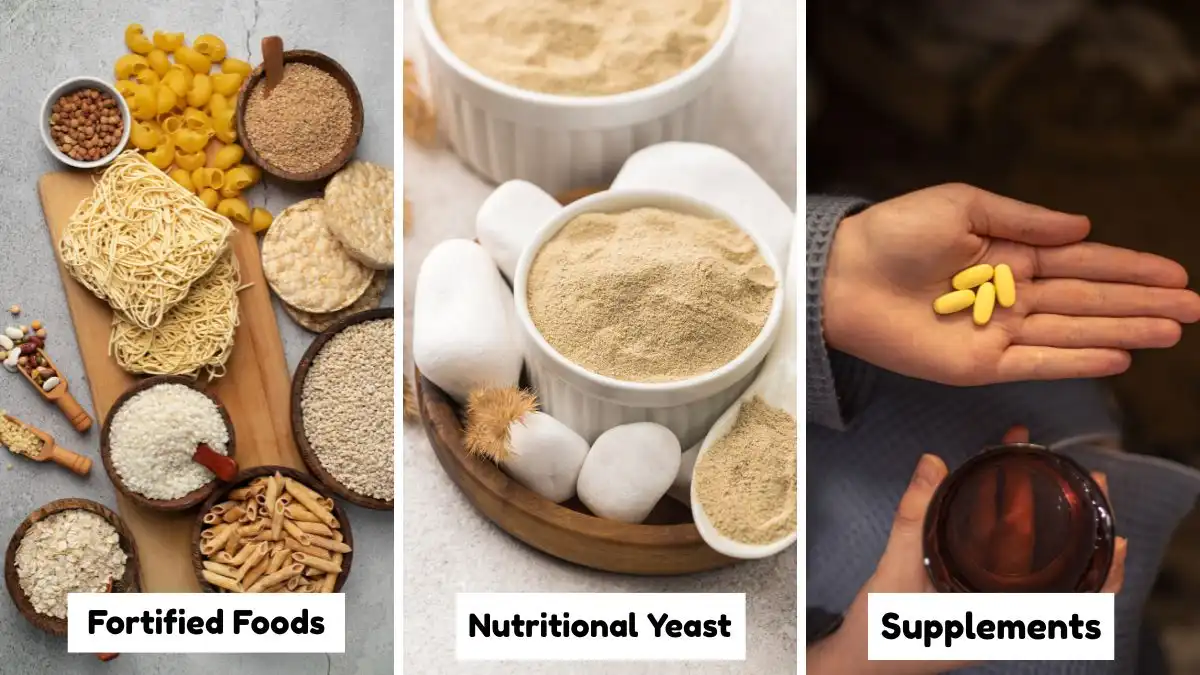
After 50, your stomach produces less acid. Less acid means you absorb less B12 from the meat and dairy you eat. This is a quiet, common problem, and it’s fixable. Look for fortified cereals, add nutritional yeast to meals, or talk to your doctor about a B12 supplement.
Fermented Foods — Plain Yogurt, Kefir, Kimchi

Your gut microbiome directly regulates systemic inflammation. Fermented foods feed the good bacteria that keep inflammation in check. Plain, unsweetened yogurt is the easiest starting point.
REMOVE (or Dramatically Reduce)
Sugar-Sweetened Beverages

Sodas, sweetened juices, and energy drinks are directly linked to faster telomere shortening. Telomeres are the protective caps on your DNA. Shorter telomeres equal faster biological aging. This one swap, cutting sugary drinks, is one of the highest-impact changes you can make.
Ultra-Processed Foods

If the package has more than five ingredients and you can’t identify most of them, it’s likely NOVA Group 4, the category of ultra-processed foods most strongly associated with accelerated epigenetic aging. These aren’t just junk food. They include many packaged snacks, flavored crackers, instant noodles, and deli meats.
Excess Red Meat and Processed Meats

This is not about cutting meat entirely. It’s about the amount and type. Research shows that high animal protein intake in people aged 50 to 65 is linked to higher levels of IGF-1, a growth hormone connected to increased cancer risk. Processed meats like sausage and deli ham are the most concerning. Shift toward fish and plant proteins as your primary protein sources.
Refined Grains — White Bread, White Rice, Pastries

These spike blood sugar fast. Over time, the resulting insulin resistance drives a molecular aging process called glycation, where sugar molecules attach to proteins and damage them. Swap for whole grains: oats, brown rice, whole wheat bread, quinoa.
Trans Fats and Fried Foods
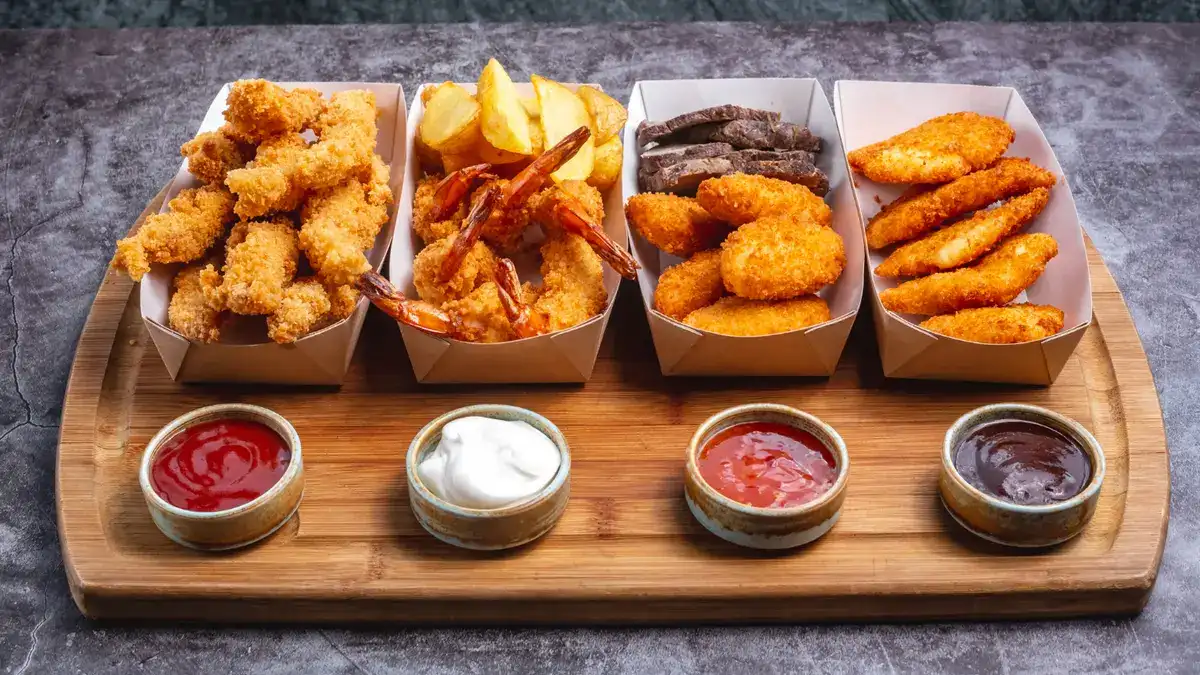
These damage arterial walls directly and amplify the inflammaging cycle. Most countries have banned industrial trans fats, but fried foods still trigger similar inflammatory pathways. Reduce them. You don’t need to eliminate every French fry; just stop making them a regular part of your week.
The Protein Problem After 50 — Getting It Right
Most people over 50 have been told they need more protein to preserve muscle. That part is true. But the source of that protein changes everything. High animal protein intake in people between the ages of 50 and 65 is associated with significantly higher levels of IGF-1, insulin-like growth factor 1. Elevated IGF-1 in midlife is linked to increased cancer risk and higher all-cause mortality.
Dr. Valter Longo at the USC Longevity Institute has published extensively on this. His research found that people aged 50 to 65 with high protein intake mostly from animal sources had a 75 percent higher risk of death from any cause compared to those with low protein intake. That doesn’t mean stop eating protein. It means shift the source.
Plant proteins, such as lentils, chickpeas, tofu, tempeh, and edamame, give you the amino acids your muscles need without the IGF-1 spike. And they come with fiber and antioxidants as a bonus. A practical daily target: aim for 1.0 to 1.2 grams of protein per kilogram of body weight. For a 70 kg 154 lb person, that’s 70 to 84 grams of protein per day. Prioritize plant sources.
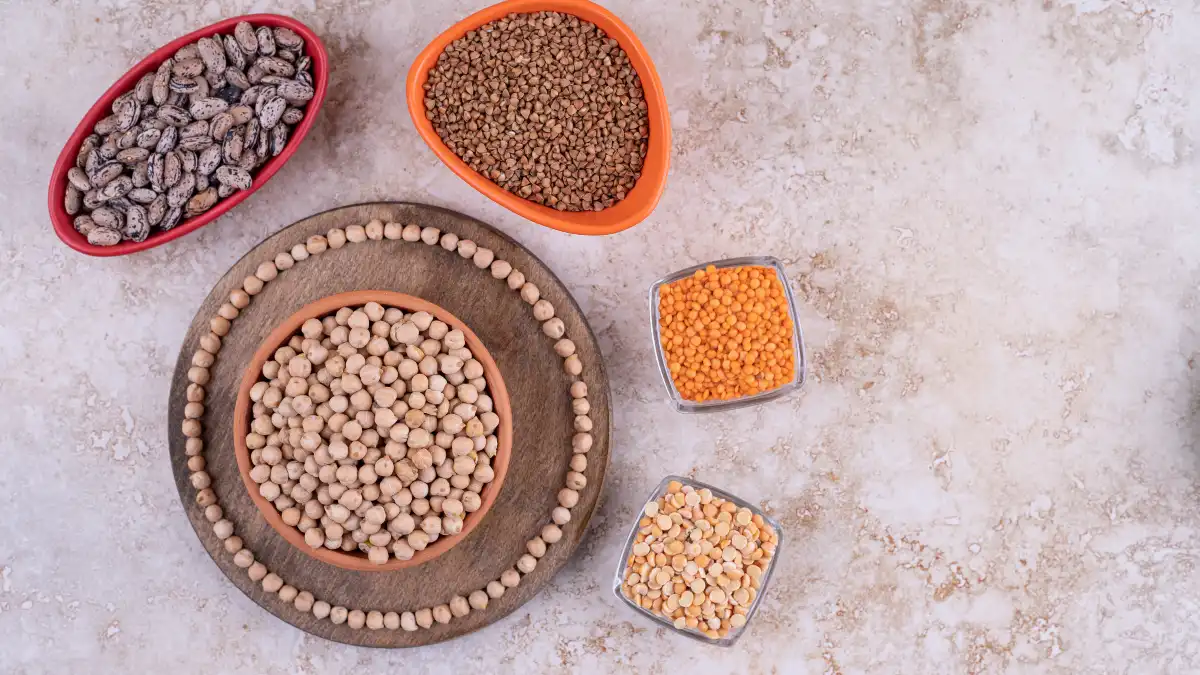
Keep fish and eggs as secondary options. Limit red meat to a few times per week at most. One more thing: diet alone won’t protect your muscle mass. Protein feeds the muscle. Resistance exercise tells your body to keep it. Both matter. If you’re only working on the food side, you’re leaving half the solution on the table.
The Nutrients Most People Over 50 Are Running Low On
You might eat reasonably well and still feel tired, foggy, or slow. The problem might not be what you’re eating; it could be what your body can no longer absorb as efficiently. Here are the four nutrients that quietly go deficient after 50.

Vitamin B12. As mentioned above, stomach acid production declines with age. B12 requires acid to be released from food. PMC research estimates that 15 to 20 percent of adults over 50 have subclinical B12 deficiency, meaning their levels are low enough to cause symptoms but not low enough to show up as deficient on a standard panel. Symptoms include fatigue, brain fog, and tingling in the hands and feet. If you haven’t checked your B12 recently, it’s worth asking your doctor.
Vitamin D: Your skin produces Vitamin D when exposed to sunlight. After 50, that synthesis becomes less efficient. Vitamin D deficiency is linked to faster cognitive decline, muscle weakness, and poor immune function.
Most people living in northern latitudes or working indoors are low. The NIH Office of Dietary Supplements recommends 600 to 800 IU daily for adults over 50, but many physicians suggest higher levels for those already deficient.
Magnesium: Magnesium is involved in over 300 enzymatic reactions in the body, including energy production, muscle function, sleep regulation, and inflammation control. Deficiency accelerates all three problems most people over 50 already struggle with: poor sleep, higher inflammation, and lower energy. Find it in leafy greens, pumpkin seeds, almonds, and dark chocolate.
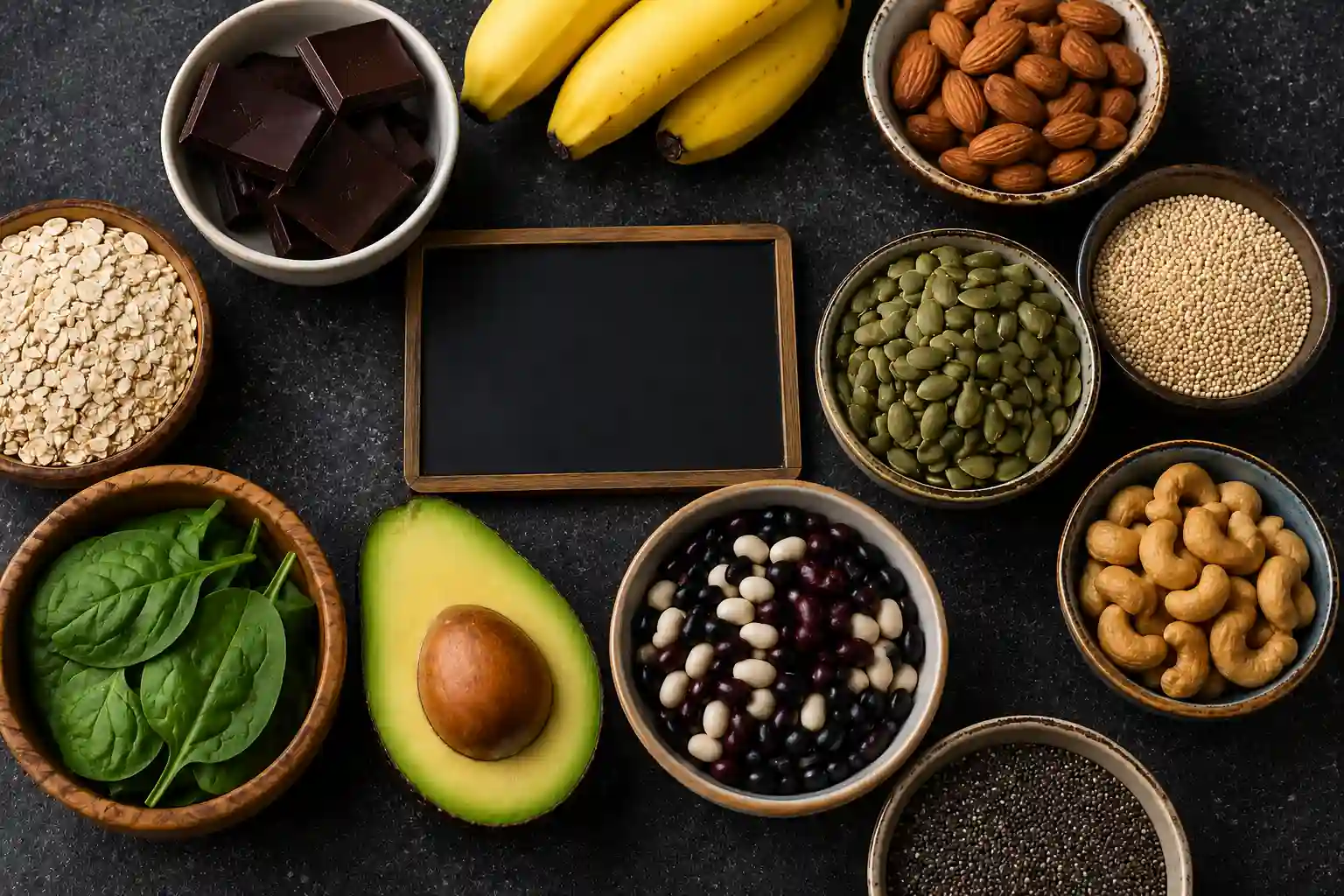
Omega-3 Fatty Acids: Most people aren’t eating enough fatty fish to hit therapeutic levels of EPA and DHA. If you’re not eating salmon or sardines at least twice a week, an omega-3 supplement is worth discussing with your doctor, especially for cardiovascular and brain health after 50.
Food first, always. But if you’re over 50 and haven’t had B12 and Vitamin D levels checked recently, that’s a 10-minute conversation worth having.
A Week-One Action Plan — What to Change Starting Monday
You don’t need a new meal plan. You don’t need to empty your pantry. You need seven specific, manageable moves. Do one per day. Each one takes less than five minutes.
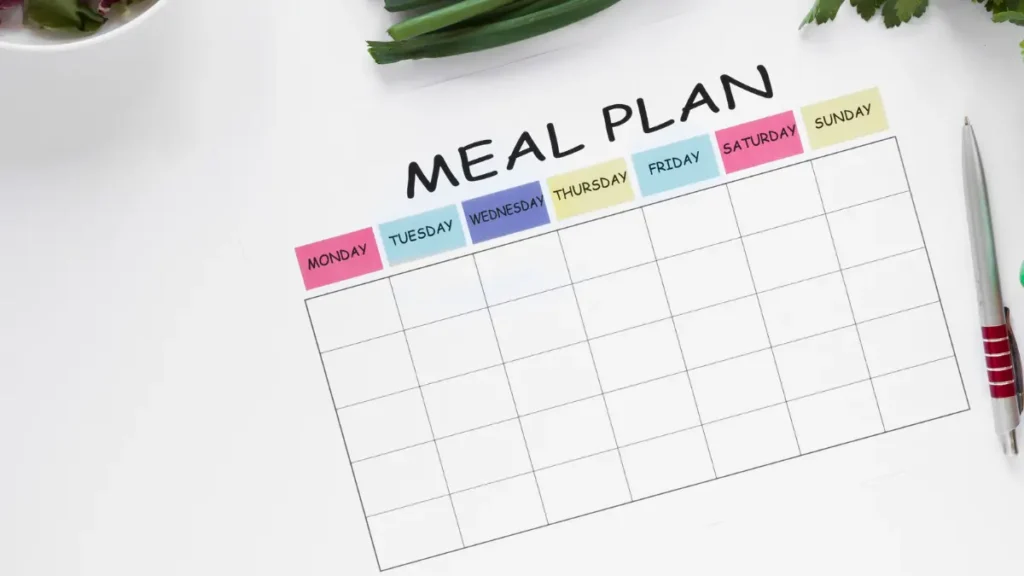
Monday — Swap one snack. Replace chips, crackers, or a packaged snack with a handful of walnuts and a piece of fruit. That’s it. Don’t change anything else today.
Tuesday — Add greens to lunch. Put a handful of spinach into your eggs. Toss arugula into a wrap. Add kale to a soup. One serving of dark leafy greens, one meal.
Wednesday — Replace one meat meal. Cook lentil soup for dinner instead of a red meat dish. Or buy a salmon fillet. Keep it simple. This isn’t about perfection; it’s about shifting the balance.
Thursday — Check your B12 status. Think about when you last had bloodwork done. If you haven’t had B12 and Vitamin D checked in the last year — and you’re not regularly eating fortified foods write a note to ask your doctor. This takes 30 seconds.
Friday — Read one label. Pick up one item from your pantry or fridge and read the ingredient list. If high fructose corn syrup, partially hydrogenated oil, or any form of trans fat appears in the first five ingredients, put it on the replace next shop list.
Saturday — Cook one Mediterranean meal. Olive oil, vegetables, legumes, and fish. Google simple Mediterranean dinner and pick one recipe. Make enough for leftovers. This is how eating for longevity actually works — not in single meals, but in habits that batch well.
Sunday — Rest. Don’t overthink it. You made five changes this week. That’s five more than most people make in a year. Consistency beats intensity every time.
Conclusion
Let’s close with what matters. Biological aging after 50 is not fixed. 70 to 80 percent of how fast you age is within your control, and diet sits at the center of that control. Inflammaging is real. The metabolic shift is real. Nutrient gaps after 50 are real. But every single one of those problems responds to what you eat. You don’t need a perfect diet.
You need a better one, and you need to start before the damage compounds further. The grocery list isn’t complicated: more plants, more fiber, more healthy fats. Less processed food, less sugar, less excess animal protein.
Start with one swap this week. You don’t need to overhaul everything by Friday. You just need to move the needle and keep moving it. Print the grocery list. Take it to the store. Your biological age is not fixed, and your next meal is a chance to prove it.
⚠️MEDICAL DISCLAIMER
This article is for informational purposes only. It does not replace medical advice, diagnosis, or treatment. The information covers biological aging, lifestyle changes, nutrition, inflammaging, chronic inflammation, metabolic shift, epigenetics, ultra-processed foods, fiber intake, omega-3 fatty acids, antioxidants, plant-based protein vs. animal protein, IGF-1 levels, B12 deficiency, Vitamin D, magnesium, and resistance exercise.
Individual results vary based on age, health status, and fitness level. Before changing your exercise routine, diet, or supplement use, talk to your doctor or a qualified health professional first. If you experience chest pain, dizziness, severe joint pain, or any sudden symptom during or after exercise, stop immediately and seek medical care.