
At 55, fatigue is not a life sentence. It is a signal your body is sending because it hasn’t received the right kind of work in years. Most people over 50 who feel constantly drained are not broken. They are simply under-stimulated in the exact ways their body needs most.
If you’ve tried pushing harder at the gym only to feel worse, or walking more only to feel nothing, this is for you.
This guide explains what rucking is, why it works differently than anything else for people in their 50s, and how to start this week without hurting yourself.
| # | What’s Coming | What You’ll Find |
|---|---|---|
| 1 | Why Are You Always Tired? The Science of the Reset | What running does to a 50-year-old body that nobody warns you about |
| 2 | Why Rucking Beats Running for Your Joints? | The one rule beginners always break before week two |
| 3 | The 4-Week Rucking Reset Plan | The item most people skip that quietly causes the most pain |
| 4 | Essential Rucking Gear for 2026 | Why posture determines whether rucking heals you or hurts you |
| 5 | How to Carry the Weight Without Hurting Your Back? | What happens to your metabolism after you take the pack off |
| 6 | Why Rucking Burns More Fat Than Regular Walking? | The thing a treadmill cannot give you no matter how long you stay on it |
| 7 | Is Rucking Better for Your Brain Than the Gym? | What running does to a 50-year-old body that nobody warns you about |
Why Are You Always Tired? The Science of the Reset
As you cross 50, your body goes through two big changes. First, there is sarcopenia. This is the natural loss of muscle mass.
Research shows that after age 50, you can lose 1% to 2% of your muscle every single year if you don’t challenge your body. When you lose muscle, your metabolism slows down, leaving you feeling drained.
Second, your mitochondria, the tiny power plants inside your cells, become less efficient. Rucking fixes both. The weight in your pack creates an axial load. This is vertical pressure that signals your bones to get stronger and your muscles to stay lean. These are the primary benefits of rucking for seniors.
Why Rucking Beats Running for Your Joints?
Running can be brutal on 50 year old knees. Every step sends a shockwave through your frame. Rucking is a low impact exercise that delivers better results with less pain. In fact, rucking can burn up to 3x more calories than walking alone. It keeps you in the Zone 2 heart rate.

Zone 2 cardio for longevity is the sweet spot. It’s a pace where you can still hold a conversation, but your heart is working. Unlike high intensity running, it doesn’t spike cortisol the stress hormone that makes you feel burnt out and stores belly fat. You get the heart health of a runner and the strength of a lifter, all while protecting your hips and ankles.
The 4-Week Rucking Reset Plan
Don’t overdo it on day one. Follow the 5% rule: never carry more than 5% of your body weight when you start. If you weigh 200 lbs, start with 10 lbs. Here is your rucking reset schedule:

- Week 1: The Weightless Walk. Walk for 20 minutes with an empty backpack. Get used to the feel of the straps and focus on standing tall.
- Week 2: The 5lb Add. Put a 5lb weight or two full water bottles in your pack. Walk your usual route. You will notice your heart rate climb slightly.
- Week 3: Increase the Distance. Keep the weight at 5 lbs, but add 10 minutes to your walk. Your goal is 30 minutes of steady movement.
- Week 4: The Consistency Test. Walk three times this week with 5% of your body weight.
This slow build is the best approach for rucking for beginners. It gives your tendons time to get tough.
Essential Rucking Gear for 2026
You don’t need to spend a fortune, but a few items make a big difference. First, look for supportive shoes with a wide toe box. As we age, our feet spread. Tight shoes lead to blisters and bunions. Your rucking gear should also include a backpack with chest and sternum straps.
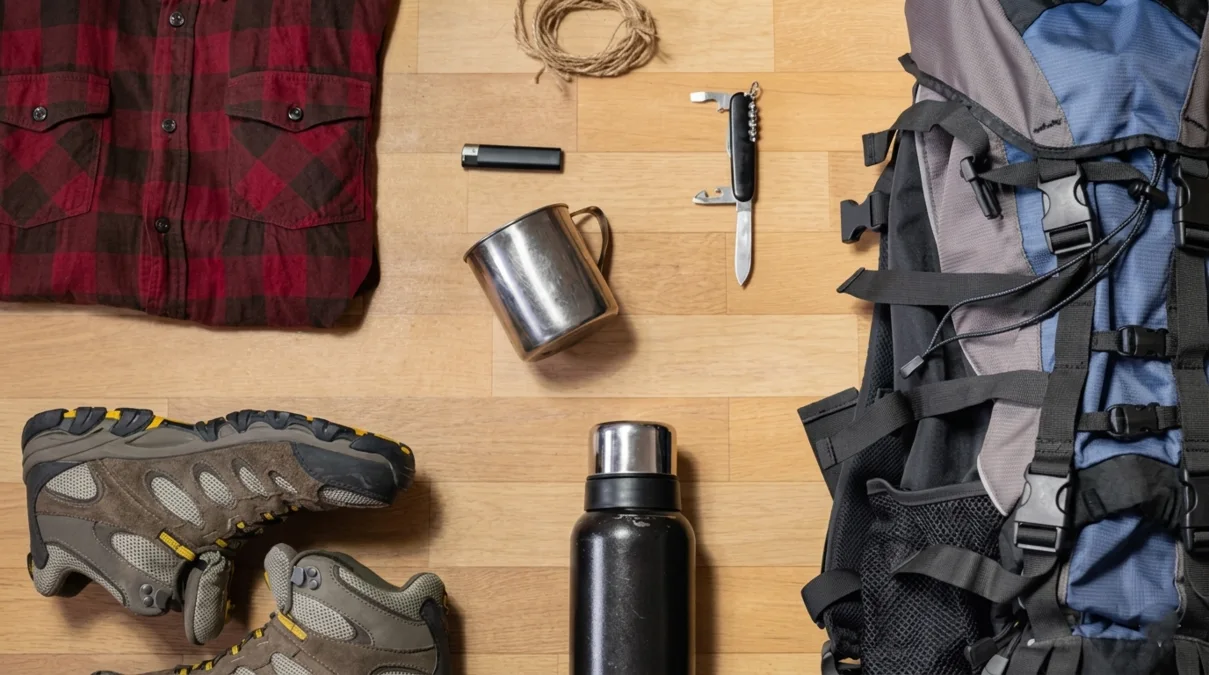
This keeps the weight from pulling your shoulders back and causing neck pain. Finally, always carry water. Rucking builds heat quickly, and staying hydrated is the simplest way to avoid a post walk energy crash. Here are three additional sections to complete your article. These focus on posture, metabolic benefits, and the mental reset that comes with being outdoors.
How to Carry the Weight Without Hurting Your Back?
Good posture is the secret to rucking without pain. If you slouch, the pack pulls on your neck and lower back. Instead, think about zipping up your core. Keep your ribs down and your shoulders pulled back and down. You want the pack to feel like a part of your body, not something dragging you down.
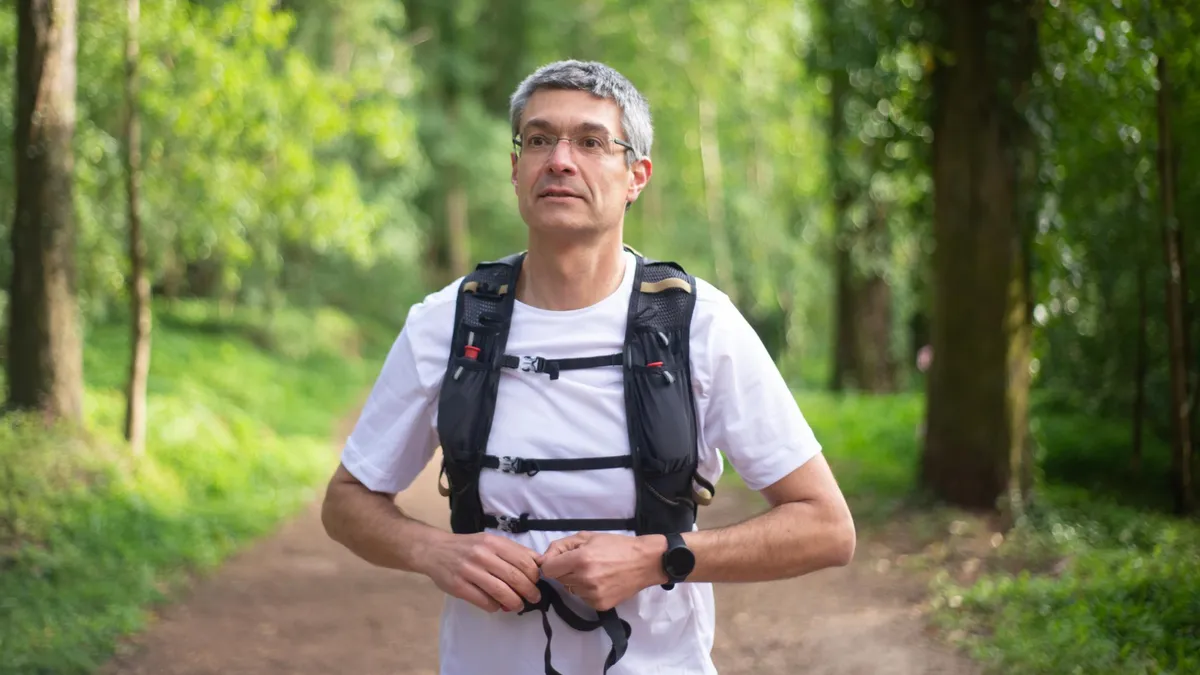
This upright position creates a healthy load on your spine. It actually makes your back stronger over time by engaging your stabilizer muscles. If you feel a sharp pain or your hands go numb, your straps are likely too tight, or the pack is too low. Adjust the weight so it sits high and tight against your upper back. This you get the benefits of rucking for seniors without the aches.
Why Rucking Burns More Fat Than Regular Walking?
Walking is a great start, but it can be slow to show results. When you add a weighted pack, you increase your work capacity. Your heart and lungs have to work harder to move that extra weight. Most people burn between 30% and 45% more calories when rucking than when walking at the same pace.

Because rucking builds muscle in your legs and glutes, your metabolism stays higher even after you take the pack off. This is a huge win for anyone over 50. It helps fight the middle age spread, while giving you the steady energy you need. It turns a simple stroll into a powerful tool for zone 2 cardio for longevity.
Is Rucking Better for Your Brain Than the Gym?

Staring at a screen on a treadmill can be boring. It can even make your mental fatigue worse. Rucking gets you outside. Scientists call this green exercise. The weight on your back provides a grounding sensation. It’s like a weighted blanket for your nervous system.
This rhythmic movement clears brain fog and helps you sleep better at night. Better sleep is the ultimate fix for age related fatigue. A 20 minute rucking reset in a local park can do more for your mood than an hour in a crowded gym.
Conclusion
Rucking isn’t just another workout to check off your list. It is a metabolic reset. It fights muscle loss, strengthens your bones, and builds a heart that can go the distance. You don’t have to accept being tired. Grab a pack, put in a few pounds, and take that first step. Using rucking for energy over 50 is the simplest way to feel like yourself again.
⚠️DISCLAIMER:
This article is for informational purposes only and does not constitute medical or professional fitness advice. The content addresses rucking as a low-impact fitness method for adults over 50 and is intended for general educational purposes only. Exercise carries inherent risk, consult a qualified healthcare or fitness professional before beginning or modifying any training program, particularly if you have an existing injury or medical condition.