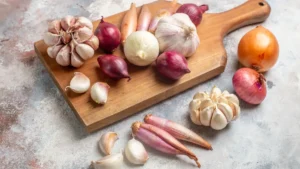
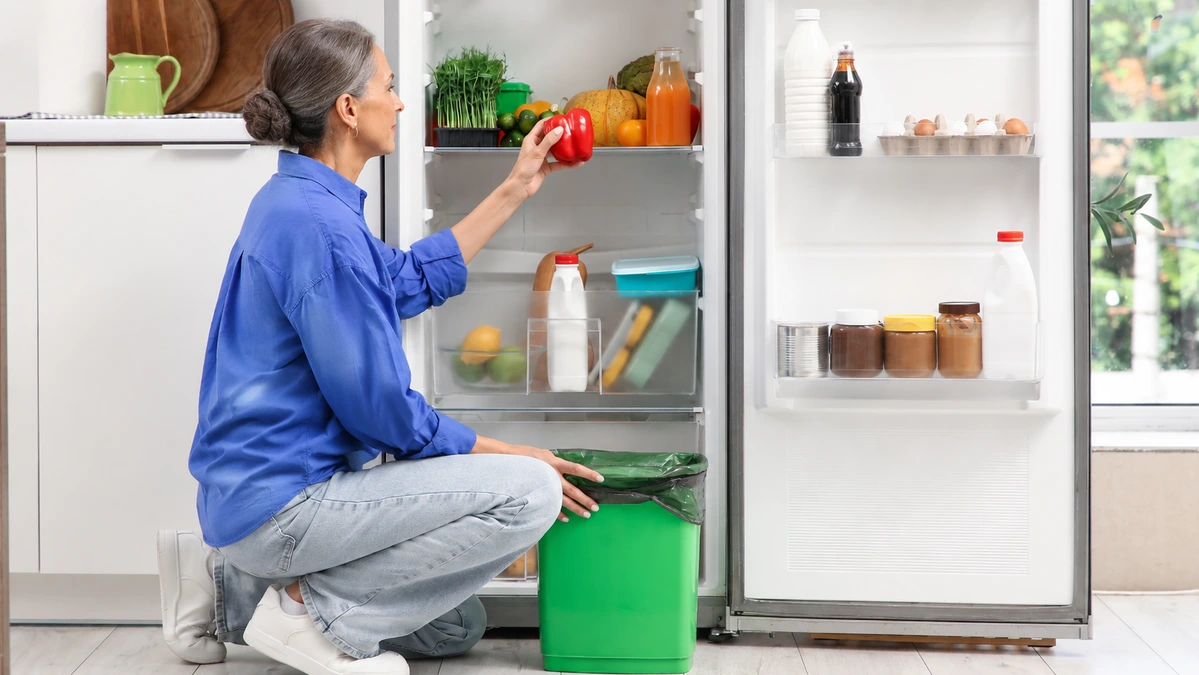
You did everything right. You bought good tomatoes, fresh bread, a ripe avocado, and put them straight in the fridge to keep them safe. That instinct is the problem. Cold doesn’t preserve every food the same way, and for several common staples, it breaks them down at the cellular level instead.
If you’ve ever bitten into a mealy tomato or a gritty, oddly sweet potato, this is for you. These foods are biologically built for warmer climates, and the dry, 40°F environment of a standard fridge works against them. This guide breaks down all 7, the exact reason each one suffers in the cold, and where to store each one instead.
| # | What’s Coming | Open Question |
|---|---|---|
| 1 | Tomatoes lose their flavor | Why does cold air kill a tomato’s taste for good? |
| 2 | Potatoes turn sweet and gritty | What is your fridge secretly doing to potato starch? |
| 3 | Onions go soft and moldy | Why does the one thing your fridge does best ruin onions? |
| 4 | Garlic sprouts from the inside | Why does darkness and moisture trick garlic into growing? |
| 5 | Bananas stall and bruise | Why does the cold trap a banana between green and rotten? |
| 6 | Bread stales faster in the cold | Why does the fridge speed up the exact process you’re trying to stop? |
| 7 | Avocados refuse to ripen | Is there ever a right time to put an avocado in the fridge? |
Tomatoes: The Flavor Killer
If you’ve ever bitten into a grocery store tomato only to find it tasteless and grainy, refrigeration is likely the culprit. Tomatoes are essentially tropical fruits, and they are highly sensitive to chilling injury [cold damage that breaks down a fruit’s cell structure before it shows on the outside].
Researchers at the University of Florida found that cold air breaks down the cell membranes within the fruit.¹ More importantly, refrigeration shuts down the enzymes responsible for creating the tomato’s signature aroma and flavor profile.¹
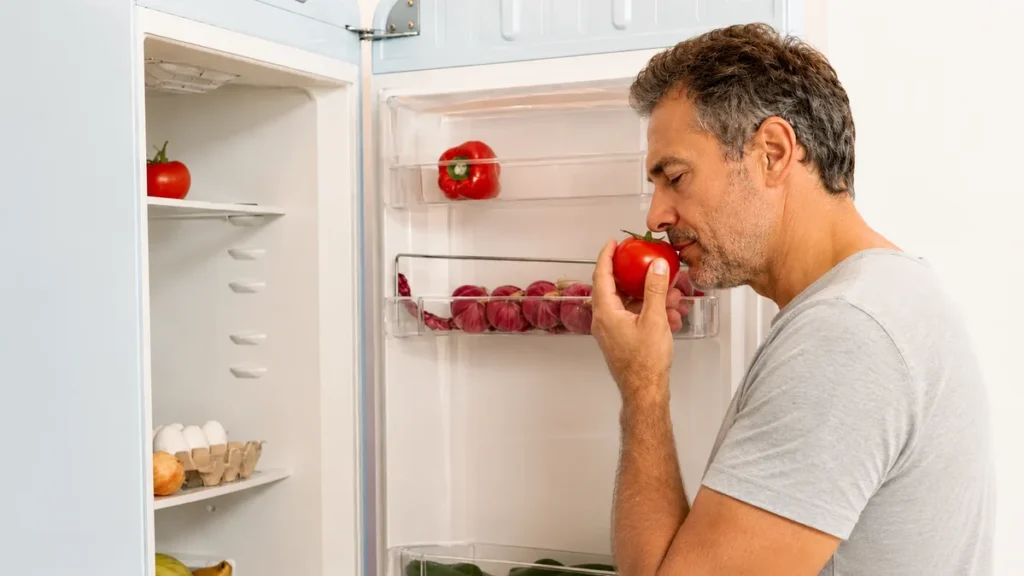
Cold storage below about 55°F (12.7°C) is linked to permanent flavor loss.¹ Once a tomato has been chilled for more than a few hours, the chemical compounds that give it that “garden-fresh” taste fade and don’t fully return, even after the tomato warms back up.¹
The result is a mealy, mushy texture that ruins salads and sandwiches alike.
Store tomatoes stem-side down on a ceramic plate at room temperature. This prevents moisture loss through the stem and keeps the fruit juicy and aromatic.
Potatoes: The Starch-to-Sugar Trap
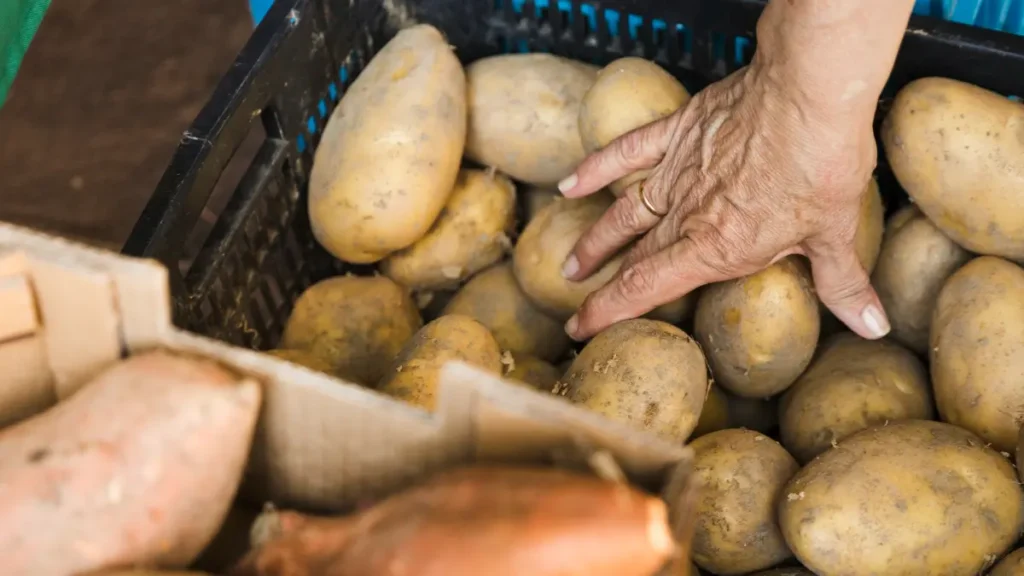
Putting potatoes in the fridge triggers a chemical reaction called cold-induced sweetening [a process where cold temperatures turn a potato’s starch into sugar].² In the cold, the potato’s starches convert into sugar faster than they would in a pantry.²
This turns a fluffy, starchy potato into one that is gritty, discolored, and unpleasantly sweet when cooked.
Beyond flavor, there’s a real safety reason to care. The FDA notes that higher sugar levels in cold-stored potatoes can lead to more acrylamide [a compound formed during high-heat cooking that has been linked to health risks] when the potato is fried or roasted.³ For proper potato storage, keep them in a cool, dark place like a basement or a ventilated kitchen cabinet, not the fridge.
This is general food-science information, not medical advice, consult a healthcare provider for specific dietary or health concerns.
Keep your potatoes in a paper bag to allow for airflow, but never store them next to onions. Gases released by onions will cause potatoes to sprout prematurely.
Onions: Moisture Is the Enemy
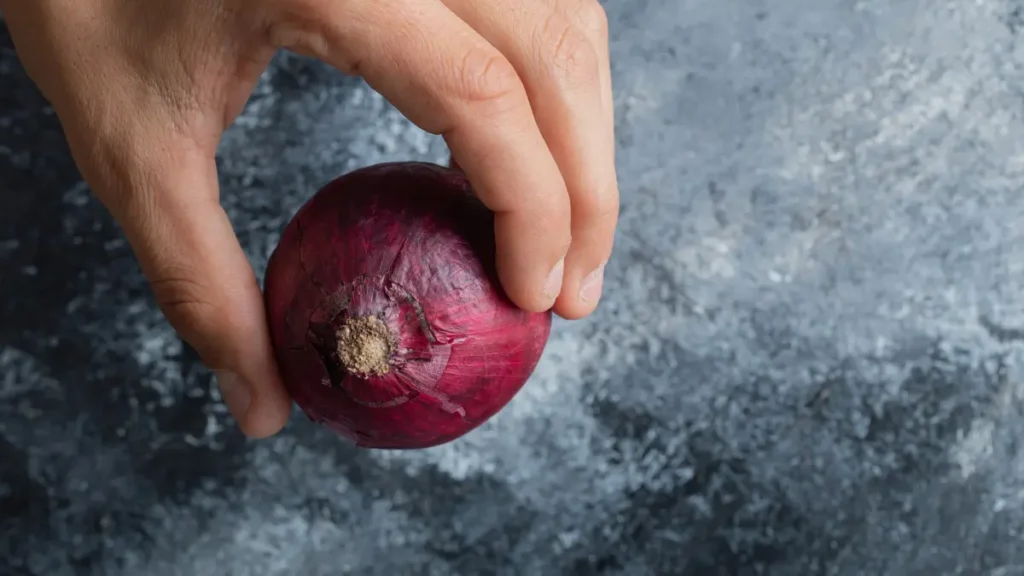
Onions are often the victims of well-intentioned but misplaced storage. The modern refrigerator is a high-humidity environment built to keep leafy greens from wilting, but for onions, that same moisture is a death sentence.
Inside the fridge, poor air circulation and high humidity cause an onion’s layers to turn soft, soggy, and prone to mold.
Whole, unpeeled onions do best in dry, well-ventilated spaces where they can breathe. There’s one exception: once you’ve sliced or diced an onion, it needs to go into the fridge in an airtight container. This stops bacterial growth and keeps the smell from seeping into your milk and butter.
If you want your onions to last for months, store them in a hanging mesh bag, or even a clean pair of pantyhose with knots tied between each onion to keep air moving around them.
Garlic: The Sprouting Disaster
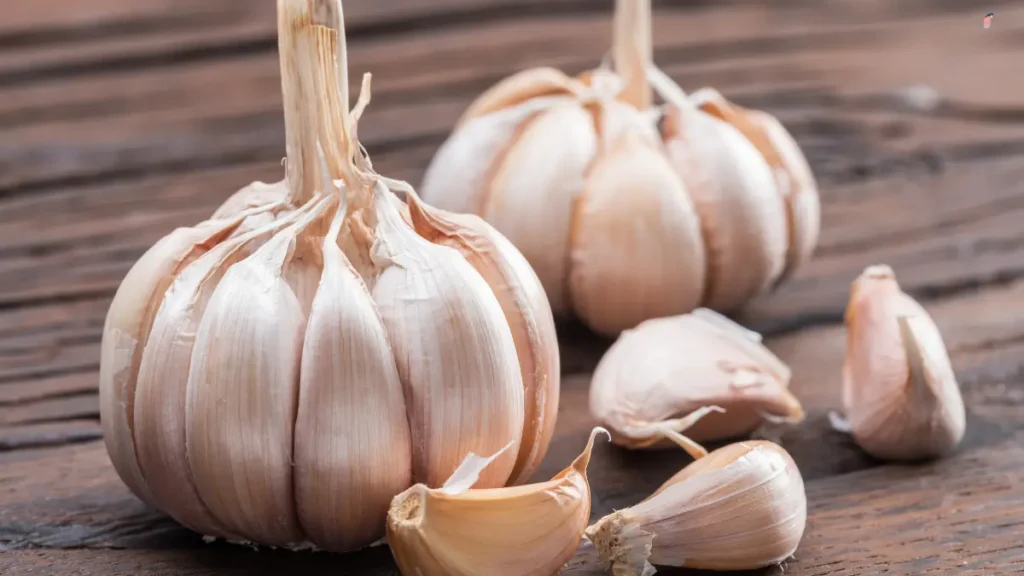
Garlic is a dormant bulb that reacts fast to its environment. Put it in the refrigerator, and the humidity and darkness tell the bulb it’s time to grow. That’s what causes the bitter green shoots that push out from the center of your cloves.
Refrigeration doesn’t just cause sprouting. It also makes the cloves turn rubbery and moldy from the inside out, and you might not notice until you peel one open. To keep garlic pungent and firm, store it in a dry, room-temperature spot with plenty of airflow.
Use a small wire basket or a specialized garlic keeper with holes. Garlic can last up to six months in a cool, dry pantry.
Bananas: The Tropical Stall
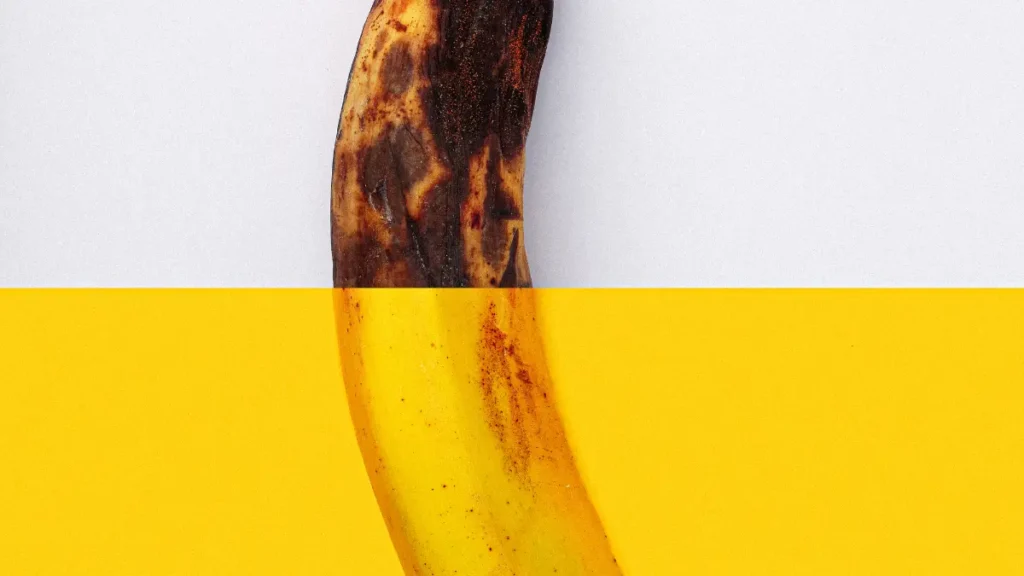
As a tropical fruit, bananas have no natural defense against the cold. Refrigerating a green or yellow banana causes chilling injury, which damages the fruit’s cell walls.⁴ That damage shows up fast: the skin turns a bruised, unappetizing black almost overnight.
The bruising isn’t even the real cost. Cold doesn’t just damage the peel, it stalls ripening entirely. A banana moved to the fridge stays starchy and green on the inside while looking spoiled on the outside. Bananas need the warmth of your kitchen to convert their starches into the sugars that make them sweet and creamy.
Use a banana hook to hang the bunch. This keeps fruit from bruising against the counter and lets ethylene gas circulate evenly around the whole bunch.
Bread: The Staling Accelerator
It seems logical. The fridge keeps food from molding, so it should keep bread fresh too.
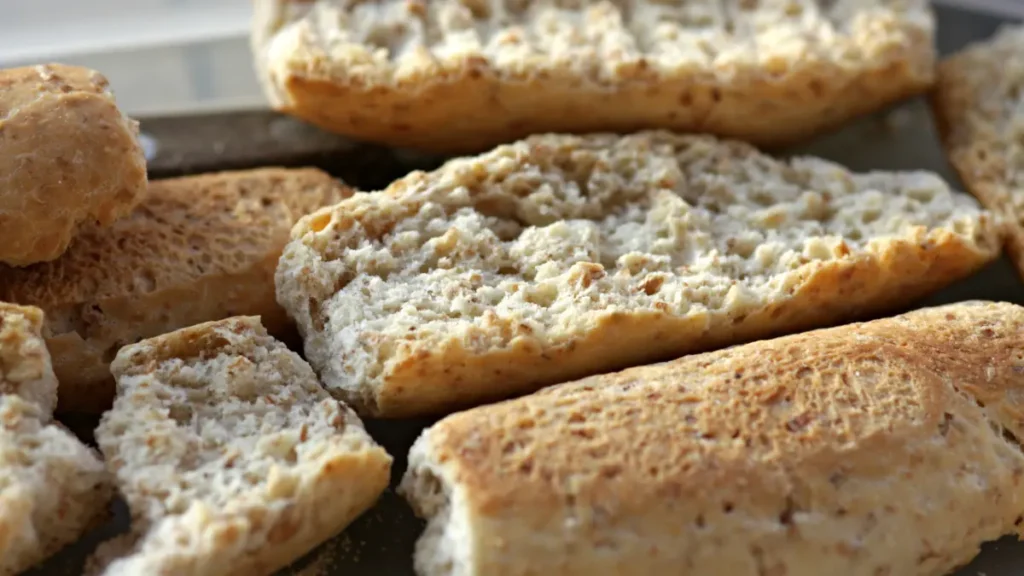
In reality, the refrigerator is one of the fastest ways to ruin a loaf. Through a process called starch retrogradation [the recrystallizing of starch molecules that makes baked goods turn hard and dry], the structure of bread breaks down faster in the cold than it does on the counter.
Peer-reviewed research on bread storage found that starch retrogradation happens fastest at refrigerator temperatures, faster than at room temperature or in the freezer.⁵ The cold pulls moisture out of the crumb, leaving you with a tough, leathery crust and a dry interior.
If you can’t finish a loaf within two to three days, the fridge works against you, not for you.
If you won’t eat it quickly, slice the bread and freeze it instead. Freezing stops the staling process almost entirely, while the fridge speeds it up. You can toast slices straight from the freezer for a taste close to fresh-baked.
Avocados: The Ripening Roadblock
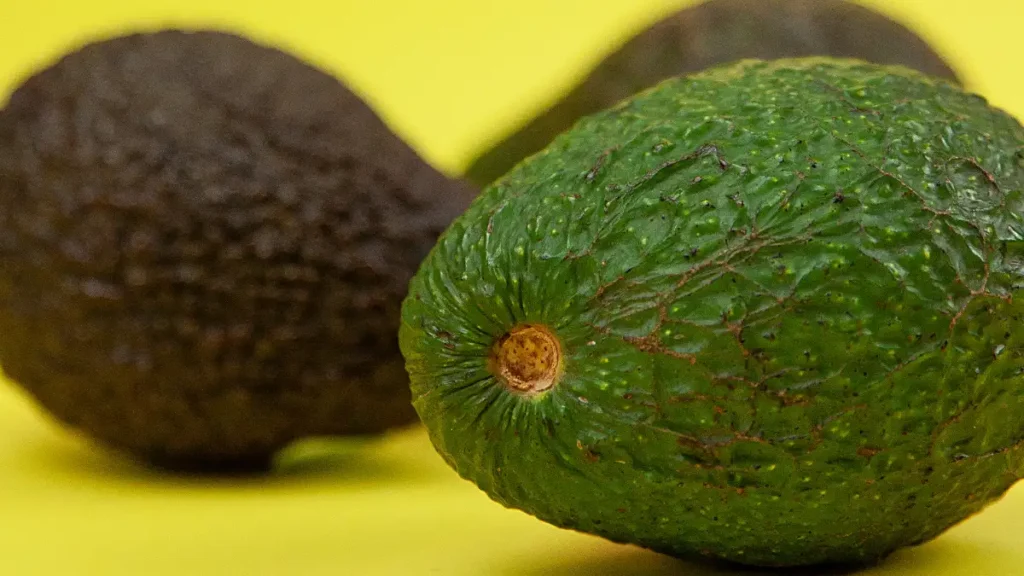
Avocados are notoriously finicky, and refrigeration is often the reason they never reach peak texture. Like bananas, an unripe avocado simply won’t soften in the cold. Refrigeration stalls the ripening enzymes and is linked to chilling injury, leaving you with a hard, flavorless fruit that can develop dark, mushy patches inside before it ever gets soft on the outside.⁶
The only time an avocado belongs in the fridge is after it’s already ripe. Once it gives slightly to a gentle squeeze, moving it to the refrigerator can hold that window of ripeness for an extra day or two.
Pro Storage Tip: To ripen a hard avocado faster, place it in a brown paper bag with an apple or a banana. The concentrated ethylene gas will have it ready for toast by the next morning.
The Real Reason Your Fridge Keeps Failing You
Every food on this list shares the same root problem: it evolved somewhere the fridge doesn’t replicate. Tropical fruits like tomatoes, bananas, and avocados never encountered near-freezing temperatures in nature, so their cells have no defense against them.
Root vegetables and bulbs like potatoes, onions, and garlic are built to sense cold and humidity as a signal to either sweeten, sprout, or rot, not as a safe place to wait. Matching the storage spot to where a food actually comes from, not just what feels hygienic, is what separates food that lasts from food that quietly ruins itself in the dark.
Take a moment to check your crisper drawer today and pull out the tomatoes, potatoes, and bread sitting in the cold. Store each one the way its biology actually wants, and you’ll notice the difference in flavor by the very next meal.
References
- Chilling-induced tomato flavor loss is linked to altered volatile synthesis and changes in gene expression. Proceedings of the National Academy of Sciences (PNAS). 2016. https://www.pnas.org/doi/10.1073/pnas.1613910113
- Suppression of the vacuolar invertase gene prevents cold-induced sweetening in potato. Plant Physiology (PubMed/PMC). 2010. https://pmc.ncbi.nlm.nih.gov/articles/PMC2948980/
- U.S. Food and Drug Administration. Guidance for Industry: Acrylamide in Foods. FDA. 2024. https://www.fda.gov/media/87150/download
- Effects of chilling temperatures on ethylene binding by banana fruit. Plant Growth Regulation. 2004;42:161-166. https://link.springer.com/article/10.1023/B:GROW.0000040112.19837.5f
- Effect of storage temperature on starch retrogradation of bread staling. Starch/Stärke. 2011. https://onlinelibrary.wiley.com/doi/abs/10.1002/star.201100023
- A review of preservation approaches for extending avocado fruit shelf-life. ScienceDirect. 2024. https://www.sciencedirect.com/science/article/pii/S266615432400139X