

Silent deficiency affects 95% of adults over 30. It is a major problem for your long term health. When you hit 30, your body starts to change. Your metabolism shifts, and your energy levels might dip. Most adults stay stuck at a fiber intake for adults of only 15 grams per day. That is only half of what your body actually needs to function well.
This gap matters because fiber is a key to digestive health. You need to hit the sweet spot of 25 to 38 grams daily. This range is proven to help you live longer and feel better. In this guide, you will learn the dietary fiber benefits that protect your body. You will also find a simple way to hit your goals without feeling bloated or gassy.
The Fiber Gap: Why Age 30 is the Tipping Point?

Once you hit 30, your body moves from growing to maintaining. You don’t need as many calories as you did at 20. But you need more nutrients to keep your systems running. Most people fall into a trap. They rely on processed convenience foods like white bread, pasta, and sugary snacks. These foods are stripped of their natural fiber. This creates a massive gap in your nutrition.
Men between the ages of 31 and 50 need 31 grams of fiber every day. Women in that same age group need 25 grams. If you only eat 15 grams, your heart and gut have to work much harder. One of the top dietary fiber benefits is that it keeps your systems clean. It is time to stop eating for quick energy and start eating for maintenance.
4 Vital Dietary Fiber Benefits You Can’t Ignore

Fiber does more than just help you go to the bathroom. Here are four ways it fixes your health.
- Blood Sugar Control: Fiber acts like a brake for your digestion. It slows down how fast sugar enters your blood. This prevents the afternoon slump, where you feel tired and hungry at 3 PM.
- Heart Health: Think of soluble fiber as a tiny, natural sponge. It soaks up bad LDL cholesterol in your gut. Then, it carries it out of your body before it can clog your arteries.
- Weight Management: Fiber helps your body release a hormone called GLP 1. This is a natural way to feel full. It tells your brain you are satisfied, so you don’t overeat or reach for junk food.
- Gut Microbiome: Your gut is full of good bacteria. These bacteria eat fiber to survive. When they are well fed, they lower inflammation in your entire body. This helps you stay strong as you get older.
The Best High-Fiber Foods List for 2026
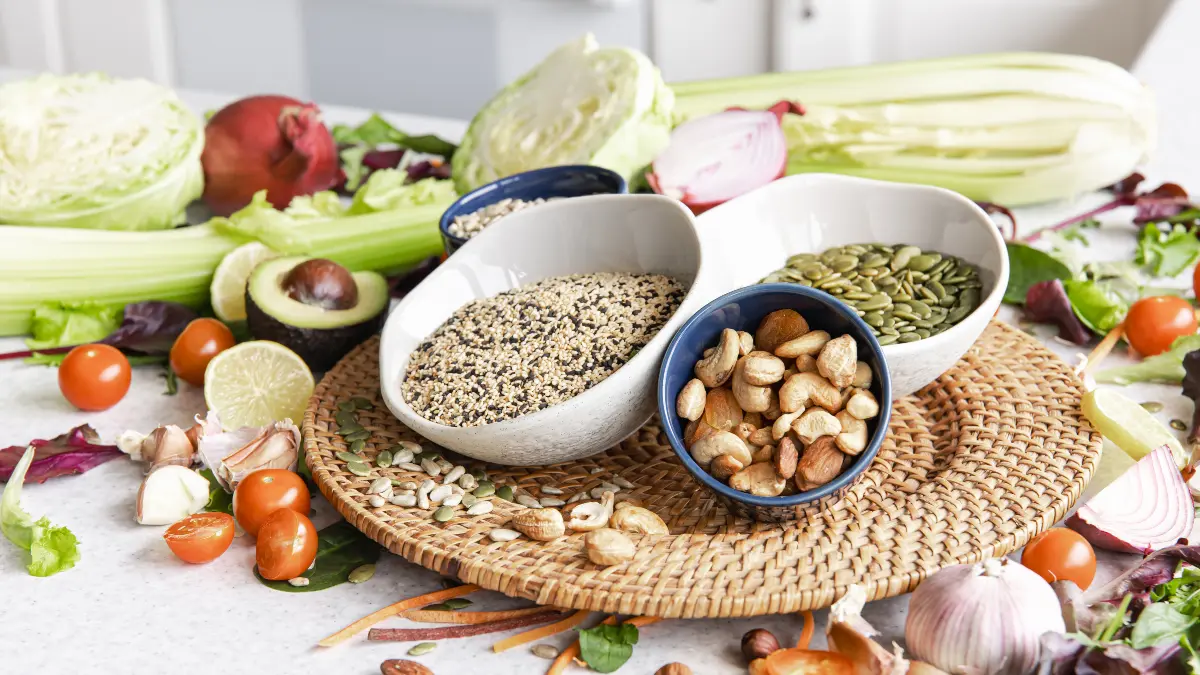
You don’t have to eat boring bran flakes every morning. There are many delicious ways to get your fiber. Use this high fiber foods list to add variety to your plate. Focus on beans and legumes first. One cup of lentils or chickpeas can give you 15 grams of fiber. That is a huge head start on your daily goal.
Chia seeds and flaxseeds are easy to use. You can sprinkle them on yogurt or mix them into a smoothie. One avocado has about 10 grams of fiber. For fruit, reach for raspberries or blackberries. For your main meals, choose whole grains over white ones. Swap white rice for farro or quinoa. You can also snack on nuts like almonds or pistachios.
How to Increase Fiber Without Bloating?

If you add too much fiber at once, you will feel uncomfortable. You might get gas or a stomachache. This happens because your gut needs time to adjust. Use the Low and Slow method to succeed. Start by adding only 5 grams of fiber to your daily diet for the first week. This gives your bacteria time to catch up.
Dr. Mark Hyman recommends a simple rule for success. Aim for 8 to 10 grams of fiber at every single meal. This makes the big goal feel much smaller. For example, swap your morning toast for overnight oats with chia seeds. At lunch, add half a cup of black beans to your salad.
How Fiber Helps Your Mood and Brain?

Your gut and your brain talk to each other all day long. Most of your feel good chemicals, like serotonin, are actually made in your gut. When you eat enough fiber, you feed the good bacteria that help create these chemicals. If you don’t eat enough fiber, your gut bacteria can get out of balance. This might make you feel more stressed, tired, or grumpy.
Eating more fiber helps keep your blood sugar steady. When your blood sugar is stable, your mood stays stable too. You won’t have those big energy crashes that make you feel irritated. A healthy gut often leads to a clear mind. It is a simple way to support your mental health while you eat.
3 Fast Kitchen Hacks for More Fiber
The “Invisible” Fiber Upgrade
Small changes with high-impact nutritional results
1. Keep the Armor
2. The Hybrid Bowl
Cauliflower Rice: 2.5g per cup
3. Pureed Power
You don’t need to spend hours in the kitchen to fix your fiber gap. There are simple ways to sneak it into the meals you already love. First, always keep the skins on your fruits and vegetables. Most of the fiber in apples, pears, and potatoes is in the peel. When you peel them, you discard the best part.
Second, try the half and half trick with your grains. If you love white rice, mix it with half a cup of cauliflower rice or brown rice. This adds bulk and fiber without significantly altering the flavor. Third, add hidden beans to your sauces. You can mash white beans and stir them into pasta sauce or soup. They make the meal creamy and add a huge boost of fiber that nobody will notice.
Can Fiber Give You Better Skin?

If you want a healthy glow, you should look at your fiber intake. High fiber foods help your body get rid of waste and toxins more efficiently. When your digestion is slow, those toxins can sometimes cause breakouts or dull skin. Fiber helps move everything through your system quickly. This keeps your skin looking clear and bright.
Fiber also helps lower inflammation in your body. High levels of inflammation can lead to redness, puffiness, and even wrinkles over time. By eating more beans, seeds, and greens, you are fighting that inflammation from the inside. It is like an internal facial for your skin. You might find that your skin looks better than it does with expensive creams.
Conclusion
Closing your fiber gap is a powerful way to defend your health. It is about more than just digestion. It is about protecting your heart and your metabolism as you age. You don’t have to change your entire life overnight. Small, steady swaps are the best way to win.
Improving your fiber intake for adults will give you more energy and better focus. Start today with one small action. Pick one refined food in your kitchen, like white pasta or white bread. Swap it for a high fiber version like lentil pasta or sprouted grain bread. This one choice starts your path to a healthier, longer life.