Why the Week You Take Off May Be Exactly What Your Muscles Need After 50

Woman in her 50s sitting still on a weight bench during a rest week after 50, barbell visible on the rack behind her.

You’ve kept your training consistent for months, maybe years. You’ve shown up when you didn’t feel like it, and you’ve watched other people quit while you kept going. So the idea of taking a full week off doesn’t just feel like rest. It feels like giving up. Here’s what adults over 50 who train consistently … Read more

You Still Train. So Why Does Your Body Feel Like It Stopped Listening After 50?

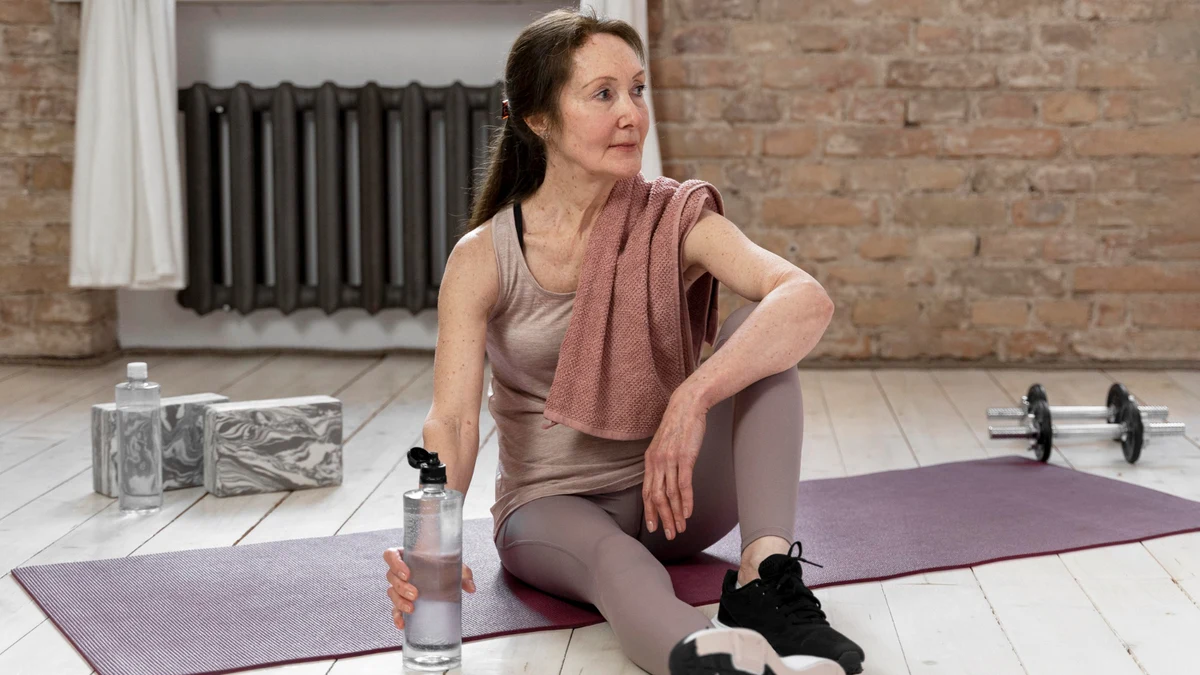
Woman in her late 50s resting between sets on a workout mat, reflecting the experience of why the body stops responding to exercise after 50.

You’re doing everything right. You show up. You lift. You run. You haven’t quit. The body is still responding. Just not to what you’re giving it. That’s the real problem, and it has nothing to do with effort. The question of why the body stops responding to exercise after 50 has a specific biological answer. … Read more

The 10-Minute Chair Workout That May Help You Rise With Surprising Ease

Older woman pressing palms on chair armrests leaning forward to rise in a warm sunlit living room for chair-based exercise.

Does standing up from your favorite chair feel more like a chore than a natural movement? You aren’t alone. Many people feel a sense of stuckness when they try to get moving. This often happens as the leg muscles you use to stand get weaker. Your quadriceps, glutes and hamstrings are the main muscles you … Read more

No More Food Comas: 15 Fiber-Packed Foods That Prevent Energy Crashes

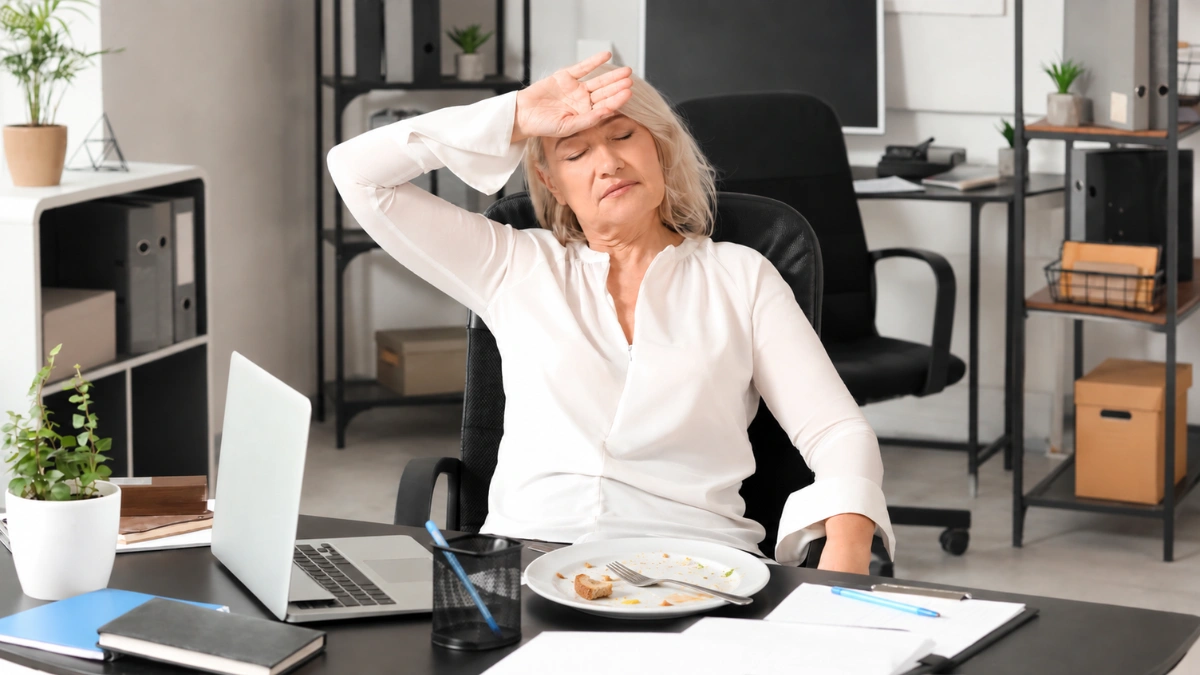
Woman in her 50s slumped at her desk after lunch, eyes heavy from a food coma energy crash.

It’s 1:30 PM. You just ate lunch. Now you can barely keep your eyes open, and you have three hours of work left. You’re not tired from working too hard. Your food did this to you. The post lunch energy crash has a real name: postprandial somnolence. Scientists study it.⁴ It affects millions of people … Read more

Concerned About Memory? 3 Nutrients That Support Brain Function (Consult Your Doctor)

Older adult appearing forgetful and deep in thought, representing age-related memory concerns and cognitive health.

Where did I put my keys? might be a joke, but for many, it’s a source of genuine concern. You might find yourself walking into a room and forgetting why you’re there. Or maybe a friend’s name is on the tip of your tongue but won’t come out. This happens because your brain deals with … Read more

The Low Testosterone Treated as Depression in Millions of Men After 50

Man in his 50s holding a prescription bottle at home, questioning whether his low testosterone depression has been correctly diagnosed.

You’ve done everything the doctor said. You filled the prescription, you took the pills, and you came back for the follow-up. But nothing feels different. Somewhere in the back of your mind, you’ve started to wonder whether this flatness is just who you are now. At this stage, the medical system expects men to slow … Read more

What the Evening Light in Your Home Is Quietly Doing to Your Cells After 50

Woman in her late 50s awake in dim living room at night, the evening light at home surrounding her as she looks tired.

You’ve been doing the right things. You eat well, you move, you put your phone down before bed. And you’re still waking up at 3 a.m., still dragging by noon, still wondering what you’re missing. The light in your room right now may be the problem. The ordinary lamps and overhead lights in your home … Read more

The Sleep Stage You Lose First Past 50 and Why It Is the One Your Memory Needs Most

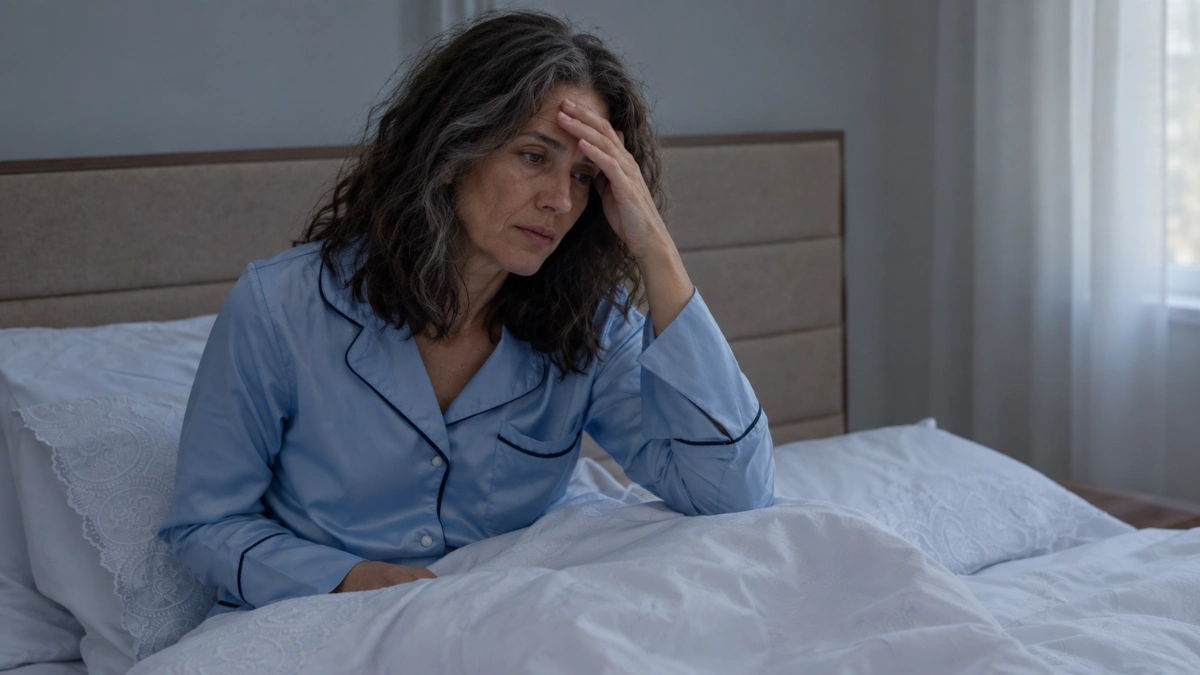
Woman in her late 50s at the edge of the bed at dawn, pressing her forehead, waking unrefreshed from deep sleep memory loss.

You set your alarm for eight hours. You wake up tired. And somewhere in the back of your mind, you have started to wonder whether the foggy mornings and the forgotten names are connected to this. They are. Adults over 50 who sleep lighter than they once did are losing the one sleep stage responsible … Read more